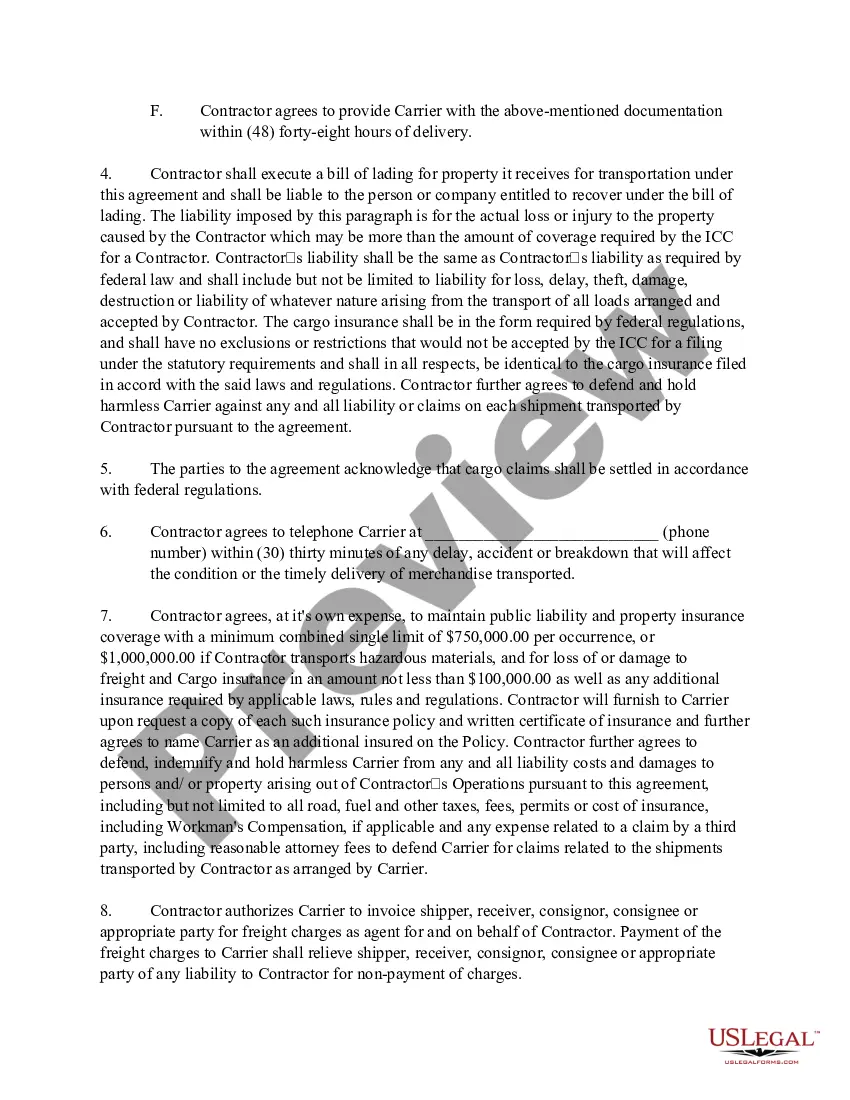
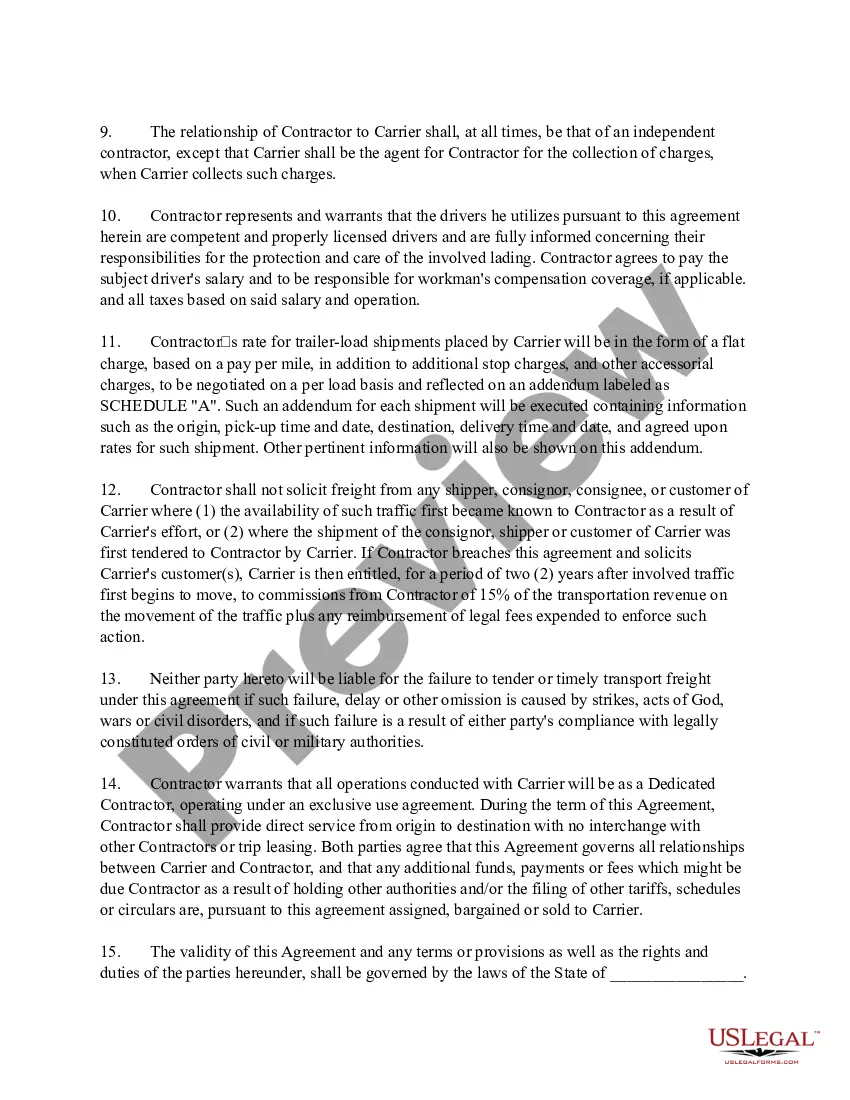
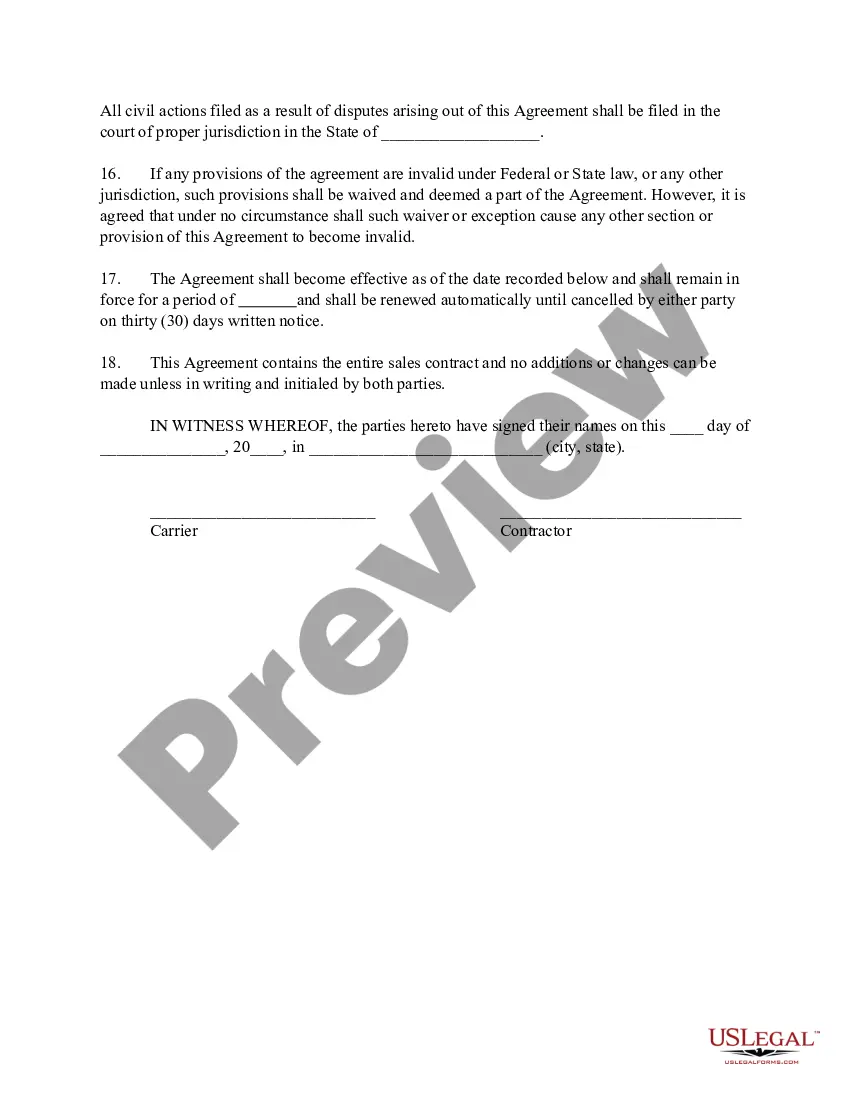
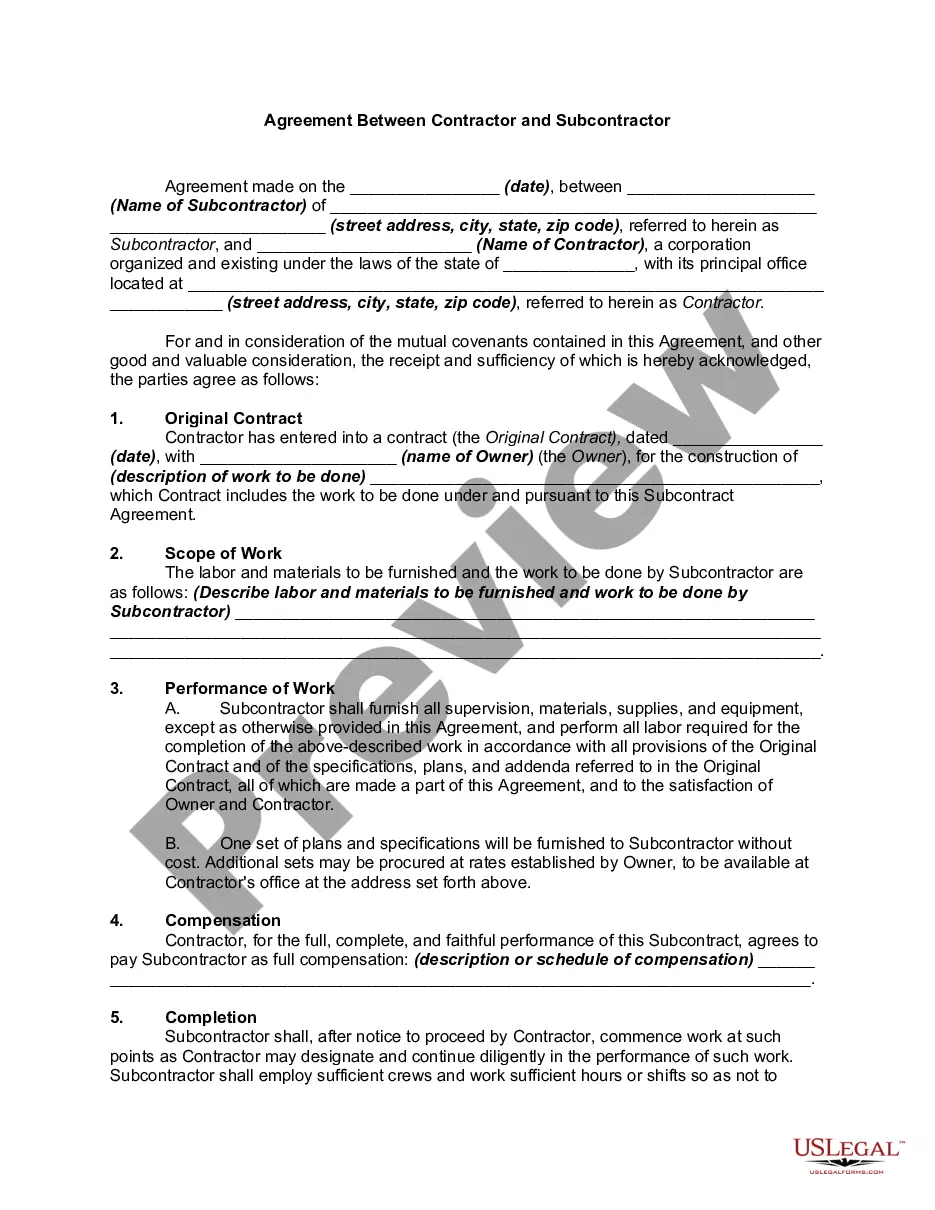
Truck Owner Operator Contract With Carrier Lease Agreement In Bexar
Description

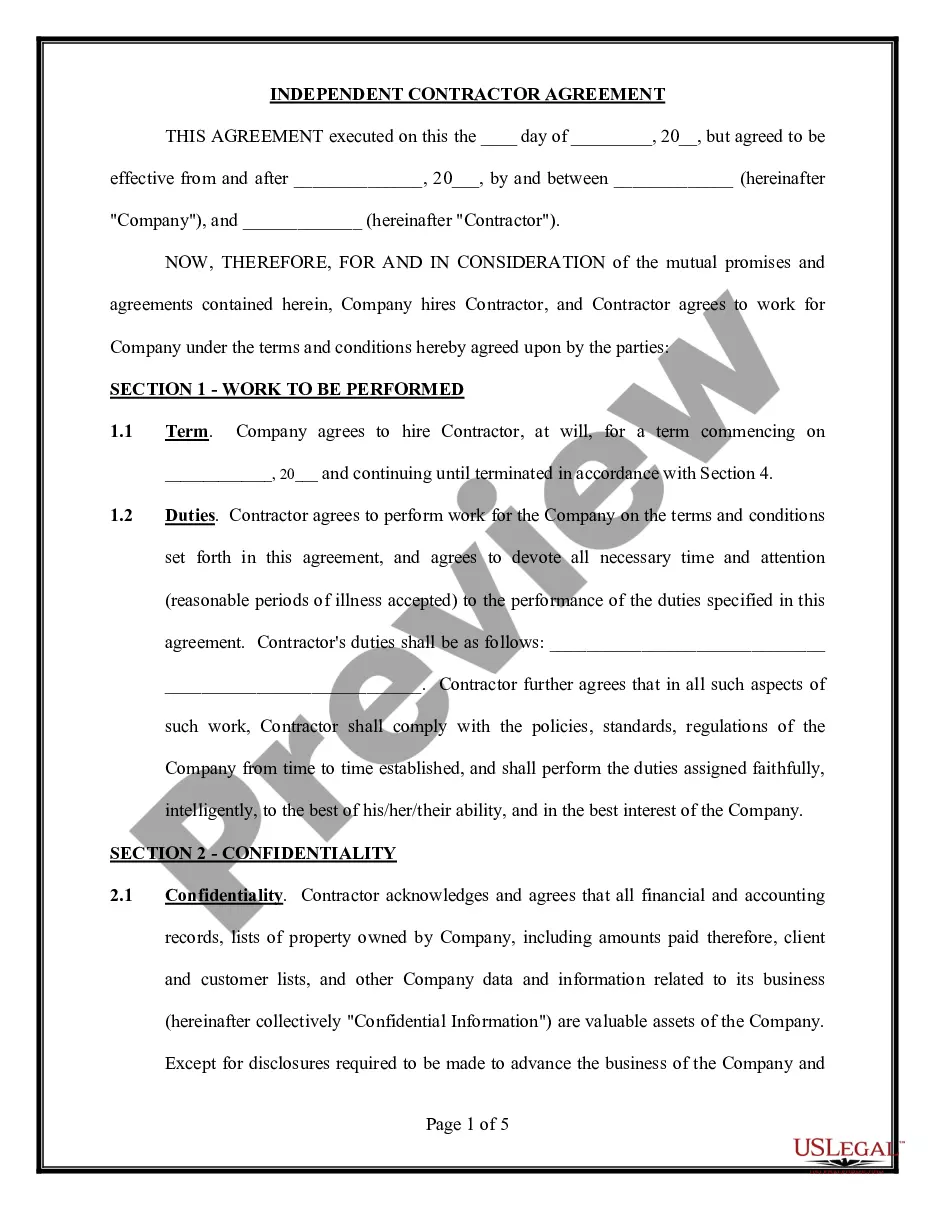
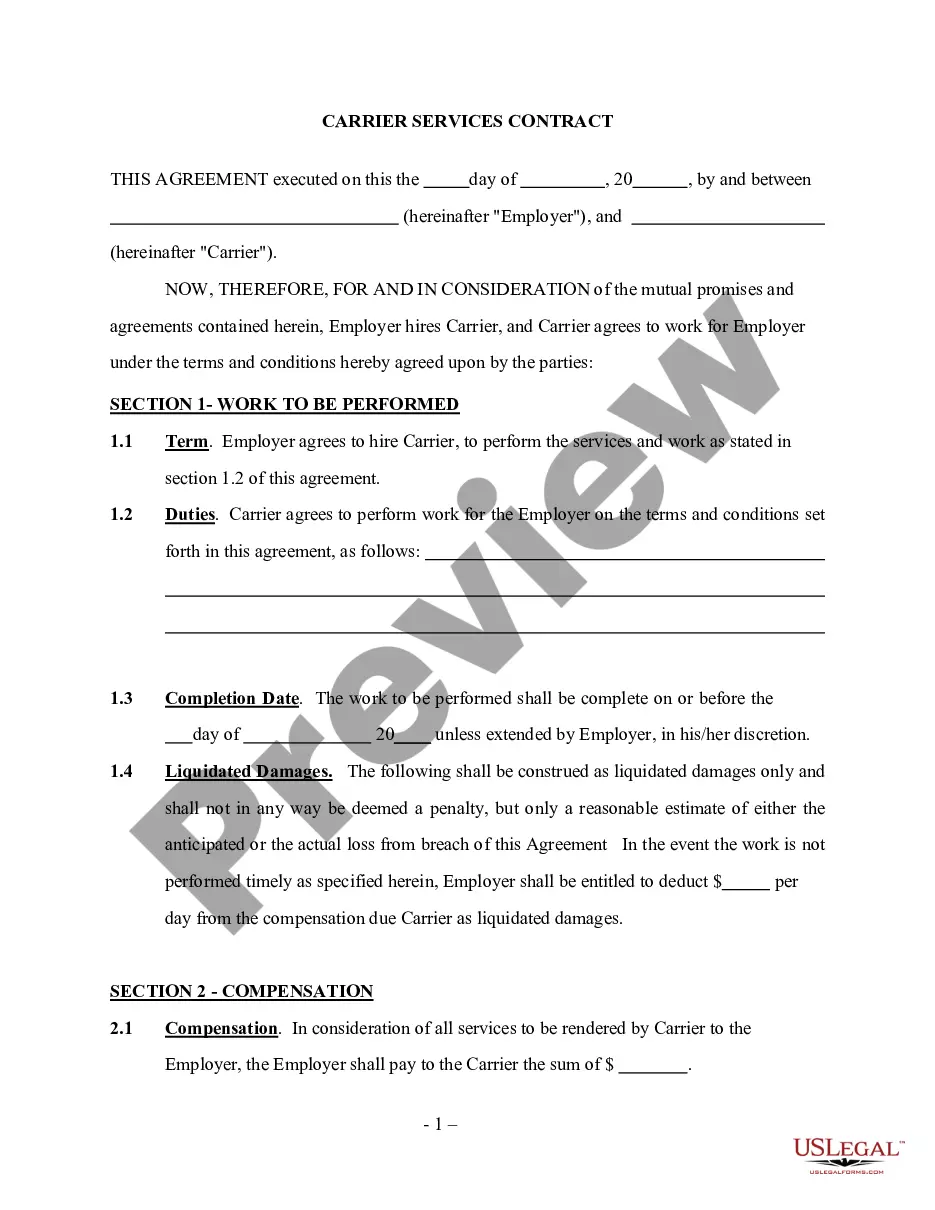
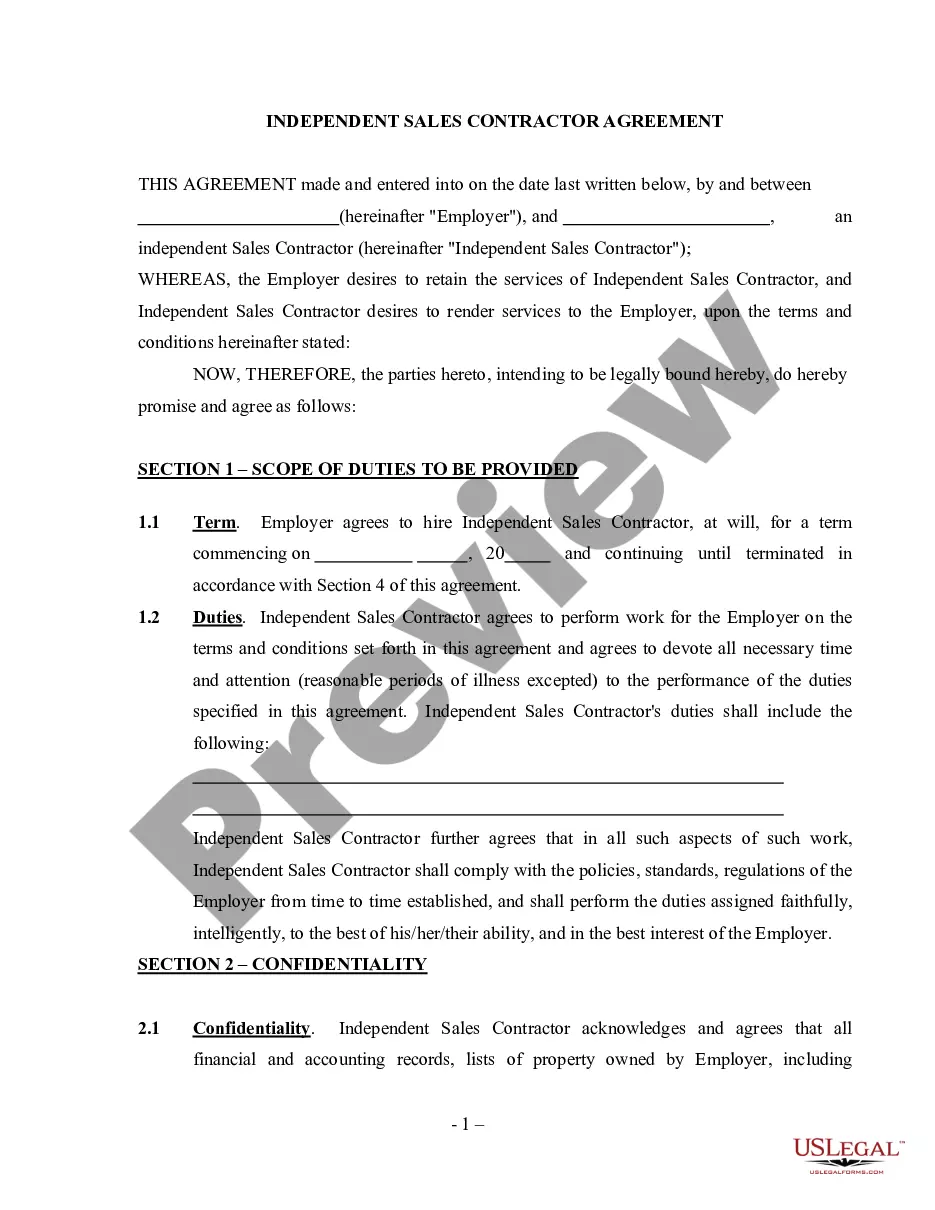
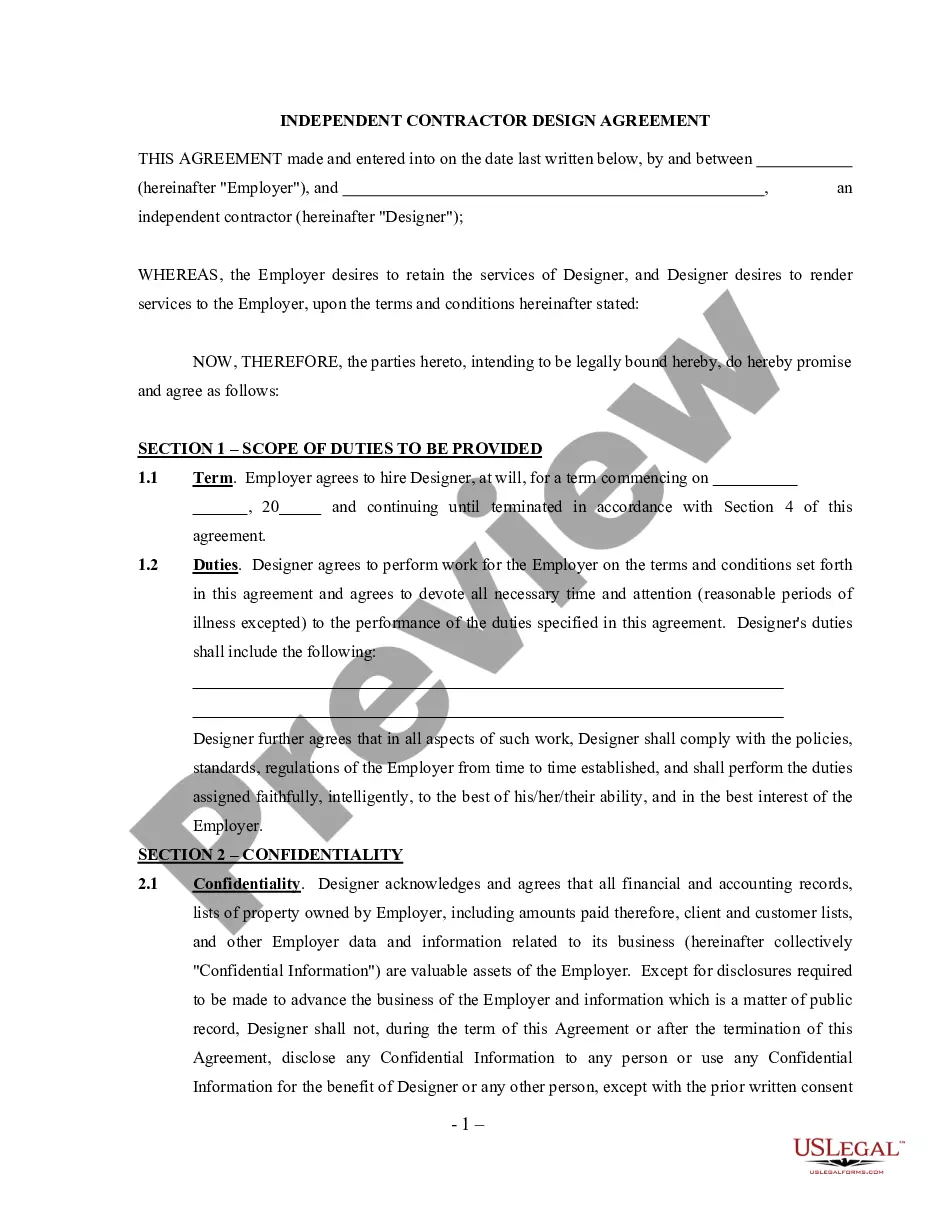
Get your form ready online
Our built-in tools help you complete, sign, share, and store your documents in one place.
Make edits, fill in missing information, and update formatting in US Legal Forms—just like you would in MS Word.
Download a copy, print it, send it by email, or mail it via USPS—whatever works best for your next step.
Sign and collect signatures with our SignNow integration. Send to multiple recipients, set reminders, and more. Go Premium to unlock E-Sign.
If this form requires notarization, complete it online through a secure video call—no need to meet a notary in person or wait for an appointment.
We protect your documents and personal data by following strict security and privacy standards.

Make edits, fill in missing information, and update formatting in US Legal Forms—just like you would in MS Word.

Download a copy, print it, send it by email, or mail it via USPS—whatever works best for your next step.

Sign and collect signatures with our SignNow integration. Send to multiple recipients, set reminders, and more. Go Premium to unlock E-Sign.

If this form requires notarization, complete it online through a secure video call—no need to meet a notary in person or wait for an appointment.

We protect your documents and personal data by following strict security and privacy standards.
Looking for another form?








Form popularity
FAQ
What is the contract between truck driver and owner? Owner driver contracts are agreements made between truck drivers and businesses, or truck drivers and individuals who contract their services, in which the driver agrees to transport materials for the contracting party in exchange for compensation.
The best type of trucking contract is a long-term or dedicated contract with a shipper or government contract. The type of equipment you have available to you—such as a hot shot, flatbed trailer, dry van, and reefer—will dictate what loads are available to you.
Trucking contracts are legally binding agreements between trucking carriers and their shippers that outline the terms and conditions of transportation services. These contracts establish the rights, obligations, and responsibilities of both parties involved in the shipping and delivering of goods or freight.
Carrier Lease means a lease, license, or other agreement for the use of space at any Location for the placement, operation, and or maintenance of communications towers and/or wireless equipment with any wireless carrier or other third party.
The Owner-Operator agrees to defend, indemnify, and hold harmless the Carrier, as well as its agents and servants, from all liabilities, penalties, and fines (whether criminal or civil) if this obligation arises due to the Owner-Operator's failure to fulfill any of the terms and conditions.
Machine operators set-up, operate, and maintain machinery, usually in a manufacturing setting. They are responsible for ensuring the machine produces high quality products, runs smoothly and at capacity, and is properly maintained.
How many trucks do I need to work for Amazon? There are no fleet size requirements to haul for Relay as long as you have the right types of trucks for our freight – come one, come 100. Book long-haul trips to get every semi on overnights, or sleep in and run local jobs with your single box truck.
In this career, you monitor the pump and other equipment to make sure they are operating correctly. Your duties include using meters and instruments to record daily extraction amounts, repairing machinery and troubleshooting when problems arise during production.
Leasing-on with a carrier means a trucking business owner is operating their truck under another company's trucking authority. Meanwhile, becoming an owner-operator with your own authority means you have secured trucking authority and are fully independent.
