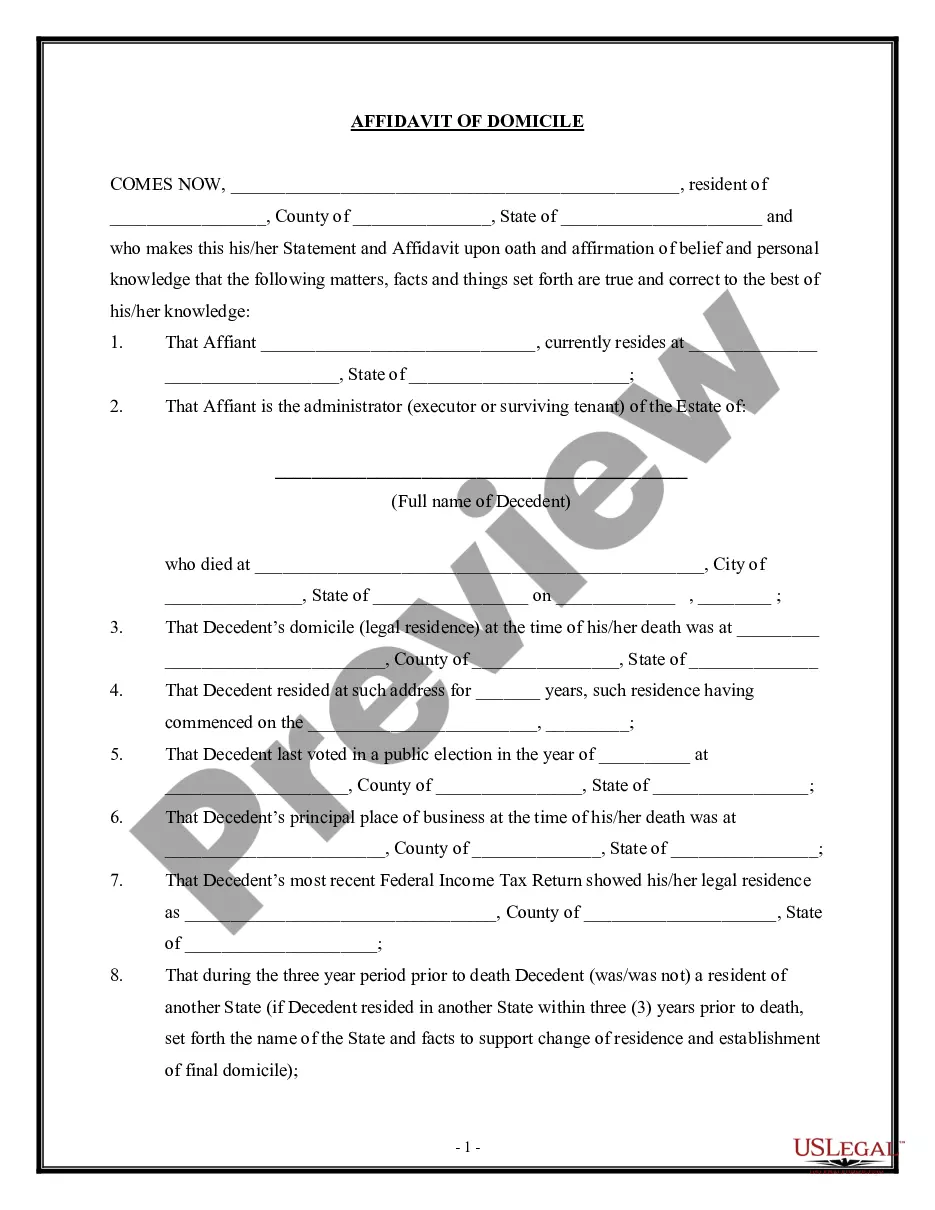
Proof Of Domicile In India In Phoenix
Description
Get your form ready online
Our built-in tools help you complete, sign, share, and store your documents in one place.
Make edits, fill in missing information, and update formatting in US Legal Forms—just like you would in MS Word.
Download a copy, print it, send it by email, or mail it via USPS—whatever works best for your next step.
Sign and collect signatures with our SignNow integration. Send to multiple recipients, set reminders, and more. Go Premium to unlock E-Sign.
If this form requires notarization, complete it online through a secure video call—no need to meet a notary in person or wait for an appointment.
We protect your documents and personal data by following strict security and privacy standards.

Make edits, fill in missing information, and update formatting in US Legal Forms—just like you would in MS Word.

Download a copy, print it, send it by email, or mail it via USPS—whatever works best for your next step.

Sign and collect signatures with our SignNow integration. Send to multiple recipients, set reminders, and more. Go Premium to unlock E-Sign.

If this form requires notarization, complete it online through a secure video call—no need to meet a notary in person or wait for an appointment.

We protect your documents and personal data by following strict security and privacy standards.
Looking for another form?



Form popularity
FAQ
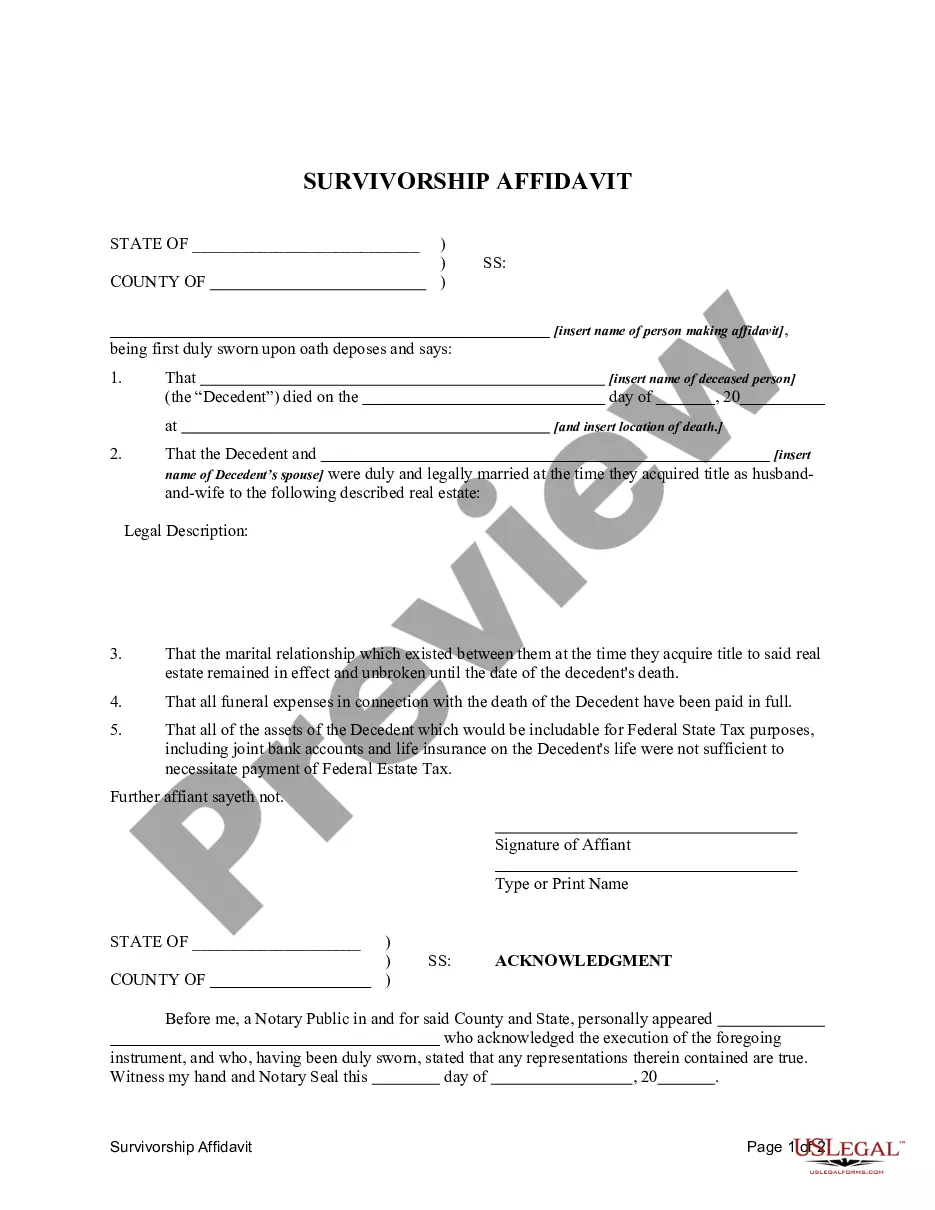
Changing domicile requires two important steps: (1) establishing a new domicile; and (2) severing the connection to the old one. When changing domicile, it is impossible to leave an old domicile until a person has established and arrived in a new domicile – often referred to as the “leave-and-land” rule.
Permanent Residency: The applicant must have lived in the state for a specific period, typically 3 to 15 years. Birth or Ancestral Connection: In some states, individuals born in the state or whose parents are permanent residents may qualify automatically.
Proof of Residence Bank/Post Office Statement/Passbook. Depending on which you are applying for, you can use the other two options between Passport, PAN Card and Aadhar. Ration Card, Voter ID, Driving License. Insurance Policy. Disability ID Card/Handicapped Medical Certificate. Property Tax Receipt (not older than 1 year)
Any person can acquire domicile in India by making a declaration in writing of his/her desire to acquire a domicile in India, provided he/she has been a resident of India for at least one year prior to making of the declaration.
To get domicile certificate immediately, visit the official state government website and fill in the application online. It takes seven to 15 days to process and issue the certificate.
All citizens of the country carry a single domicile, which is the "domicile of India", the Court added. The Court made these significant observations while declaring that residence-based eservations in PG medical admissions are impermissible as they are unconstitutional.
Documents Required to Apply for Domicile Certificate Aadhaar card. Driving licence. Passport. Ration card. PAN card. Voter card.
Eligibility Criteria for a Domicile Certificate Applicant must have lived in the state for at least 3 to 15 years (varies by state). Must have a permanent residence in the state. Name should appear on the state voter list. Women can apply in the state of their husband's residence after marriage.
Supreme Court Rules There is Only One Domicile for All Indians - The Domicile of India On January 29, 2025, the Supreme Court of India declared that there is no concept of regional or state- specific domicile in the country.
Changing domicile requires two important steps: (1) establishing a new domicile; and (2) severing the connection to the old one. When changing domicile, it is impossible to leave an old domicile until a person has established and arrived in a new domicile – often referred to as the “leave-and-land” rule.

