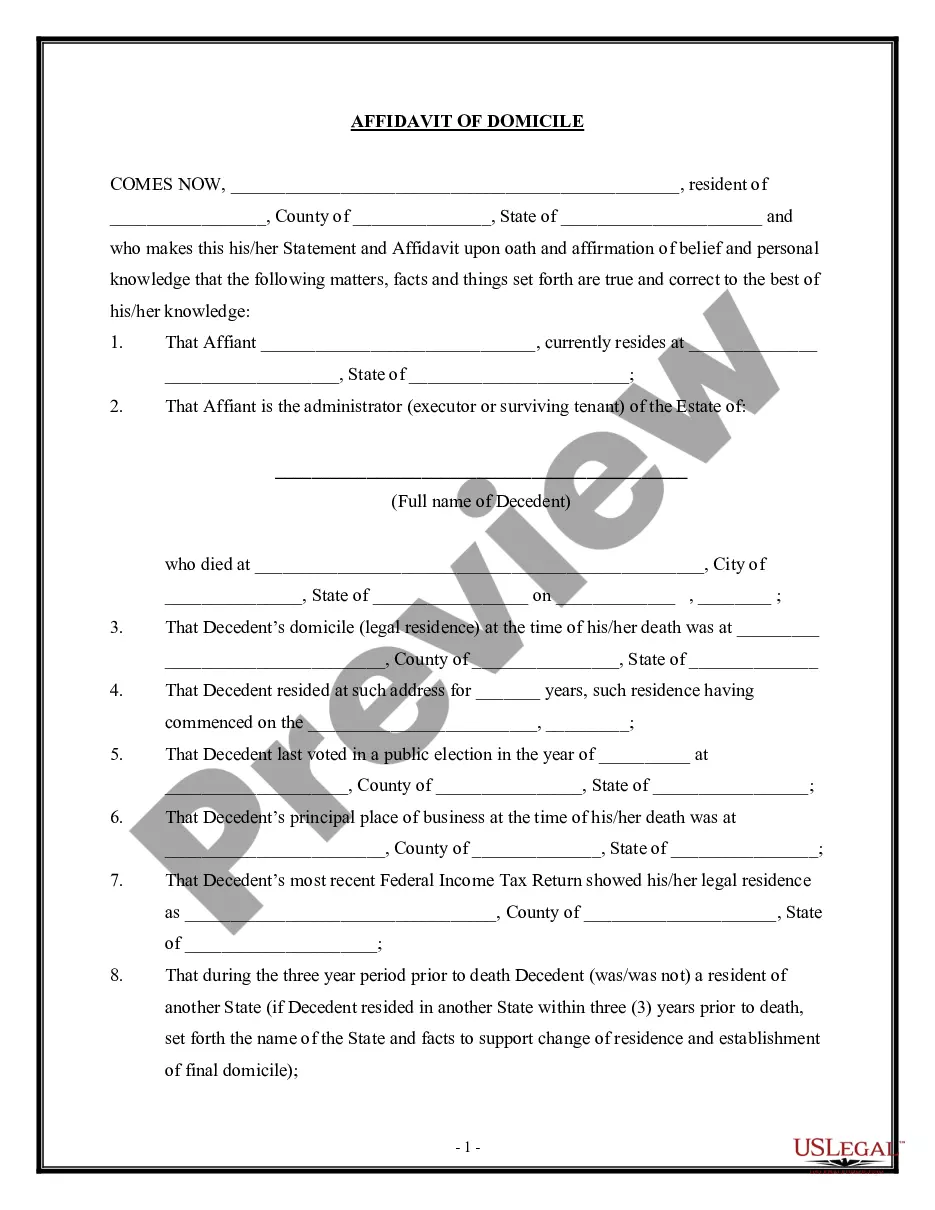
Domicile Type Meaning In Pennsylvania
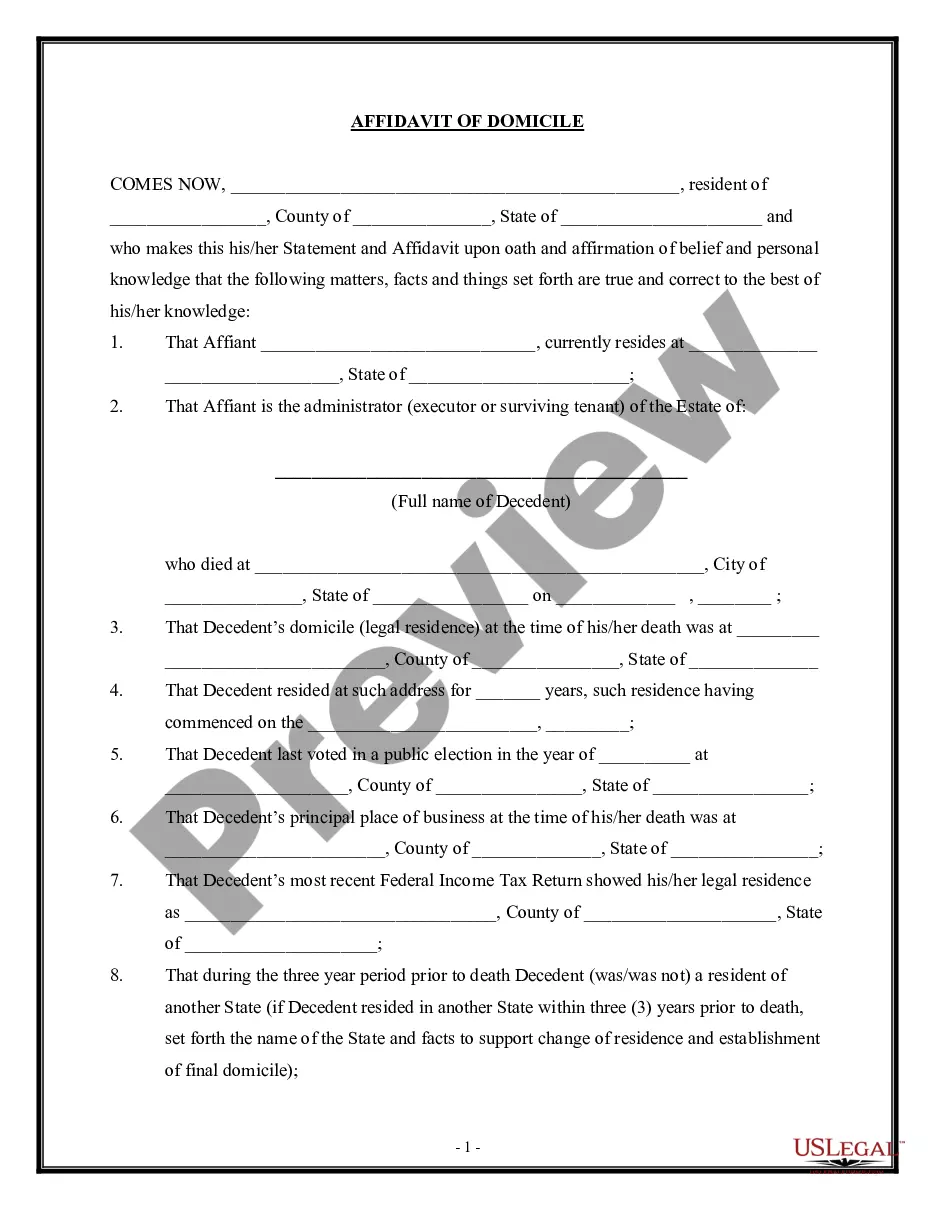
Description
Get your form ready online
Our built-in tools help you complete, sign, share, and store your documents in one place.
Make edits, fill in missing information, and update formatting in US Legal Forms—just like you would in MS Word.
Download a copy, print it, send it by email, or mail it via USPS—whatever works best for your next step.
Sign and collect signatures with our SignNow integration. Send to multiple recipients, set reminders, and more. Go Premium to unlock E-Sign.
If this form requires notarization, complete it online through a secure video call—no need to meet a notary in person or wait for an appointment.
We protect your documents and personal data by following strict security and privacy standards.

Make edits, fill in missing information, and update formatting in US Legal Forms—just like you would in MS Word.

Download a copy, print it, send it by email, or mail it via USPS—whatever works best for your next step.

Sign and collect signatures with our SignNow integration. Send to multiple recipients, set reminders, and more. Go Premium to unlock E-Sign.

If this form requires notarization, complete it online through a secure video call—no need to meet a notary in person or wait for an appointment.

We protect your documents and personal data by following strict security and privacy standards.
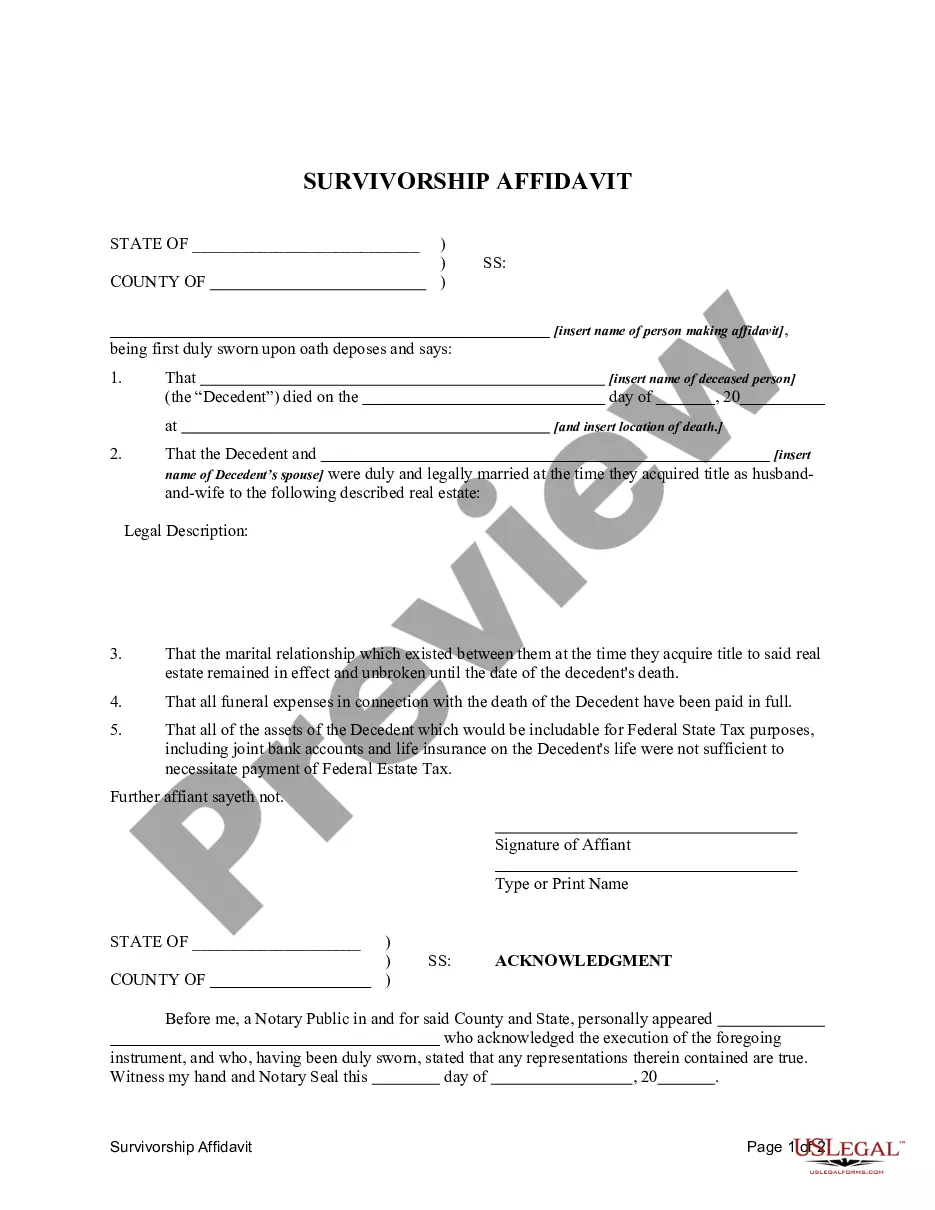
Looking for another form?








Form popularity
FAQ
The domicile of an individual who maintains more than one permanent abode is determined by two factors: (1) Which is the one place where the individual has had the greatest connections for the taxable year; and (2) Which place does the individual intend to be his/her domicile?
A resident of Pennsylvania is someone who is living and intends to reside in Pennsylvania, with or without a fixed or permanent address.
Overview. The PA surgical residency is a 12 month training program designed for NCCPA certified PAs to enhance their surgical knowledge, skills, and ability to provide high quality patient care. PA residents will rotate through several core required rotations and have the opportunity to select 1-2 electives.
Statutory residency is established if a person domiciled outside the commonwealth: Has a permanent place of abode in Pennsylvania; and. Spends more than 183 days (midnight to midnight) of the taxable year in Pennsylvania.
Proof of your Pennsylvania Residency You will need to provide TWO documents to prove your Pennsylvania residency when applying for a REAL ID. Examples of acceptable residency documents include: Current, unexpired PA driver's license or photo ID card. PA vehicle registration card.
Requirements. Students who have lived in PA for at least 12 consecutive months immediately prior to enrollment at any institution of higher education in PA meet the 12 Month Requirement. For U.S. Citizens, this is all that is required for classification as a PA Resident.
Generally, unless a student has 12 months of continuous residence in the state prior to enrollment, the student is considered a non-resident. The 12-month requirement cannot be met while attending Penn State - the student is assumed to be in the Commonwealth for educational purposes.

