Proof Of Residency For Dmv In King
Description
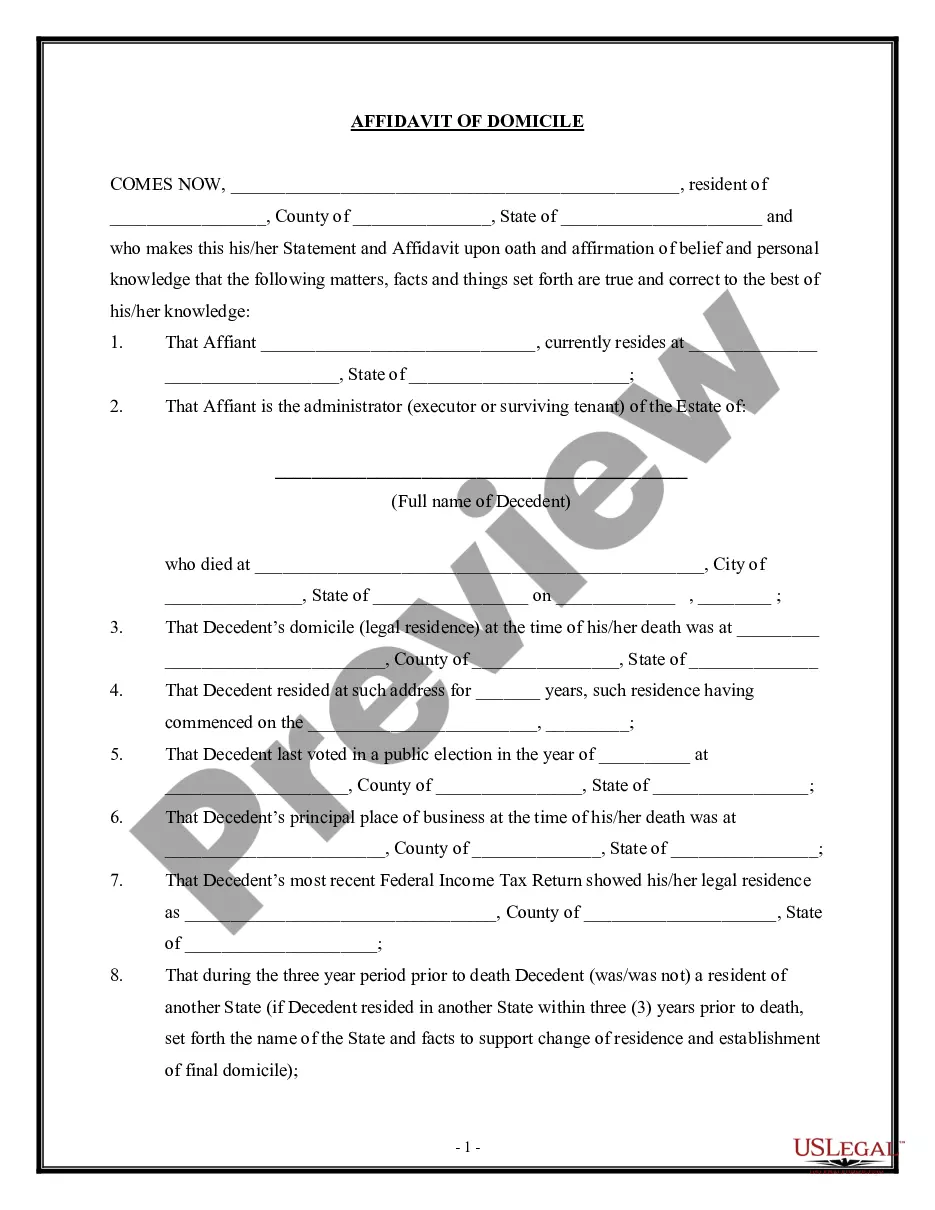
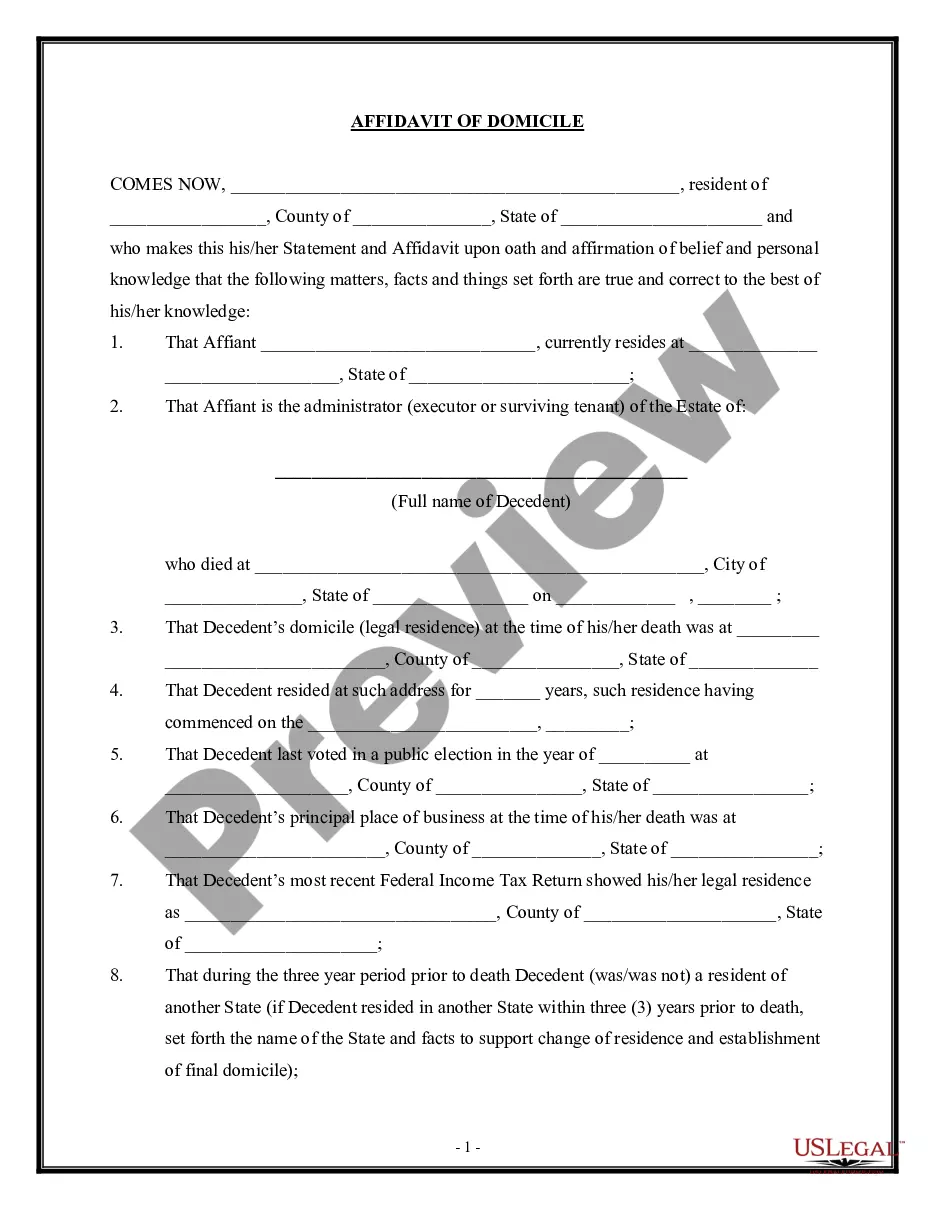
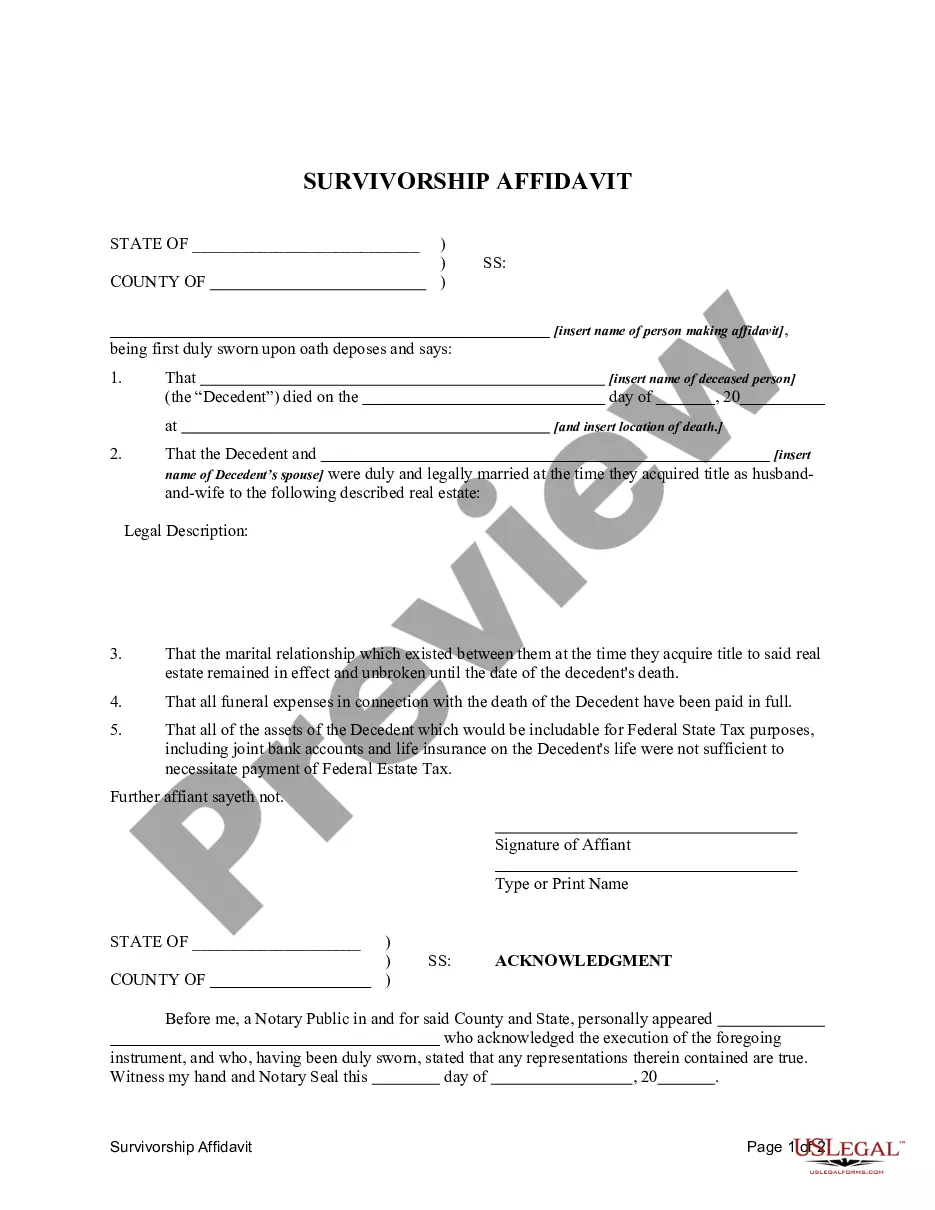
Get your form ready online
Our built-in tools help you complete, sign, share, and store your documents in one place.
Make edits, fill in missing information, and update formatting in US Legal Forms—just like you would in MS Word.
Download a copy, print it, send it by email, or mail it via USPS—whatever works best for your next step.
Sign and collect signatures with our SignNow integration. Send to multiple recipients, set reminders, and more. Go Premium to unlock E-Sign.
If this form requires notarization, complete it online through a secure video call—no need to meet a notary in person or wait for an appointment.
We protect your documents and personal data by following strict security and privacy standards.

Make edits, fill in missing information, and update formatting in US Legal Forms—just like you would in MS Word.

Download a copy, print it, send it by email, or mail it via USPS—whatever works best for your next step.

Sign and collect signatures with our SignNow integration. Send to multiple recipients, set reminders, and more. Go Premium to unlock E-Sign.

If this form requires notarization, complete it online through a secure video call—no need to meet a notary in person or wait for an appointment.

We protect your documents and personal data by following strict security and privacy standards.
Looking for another form?



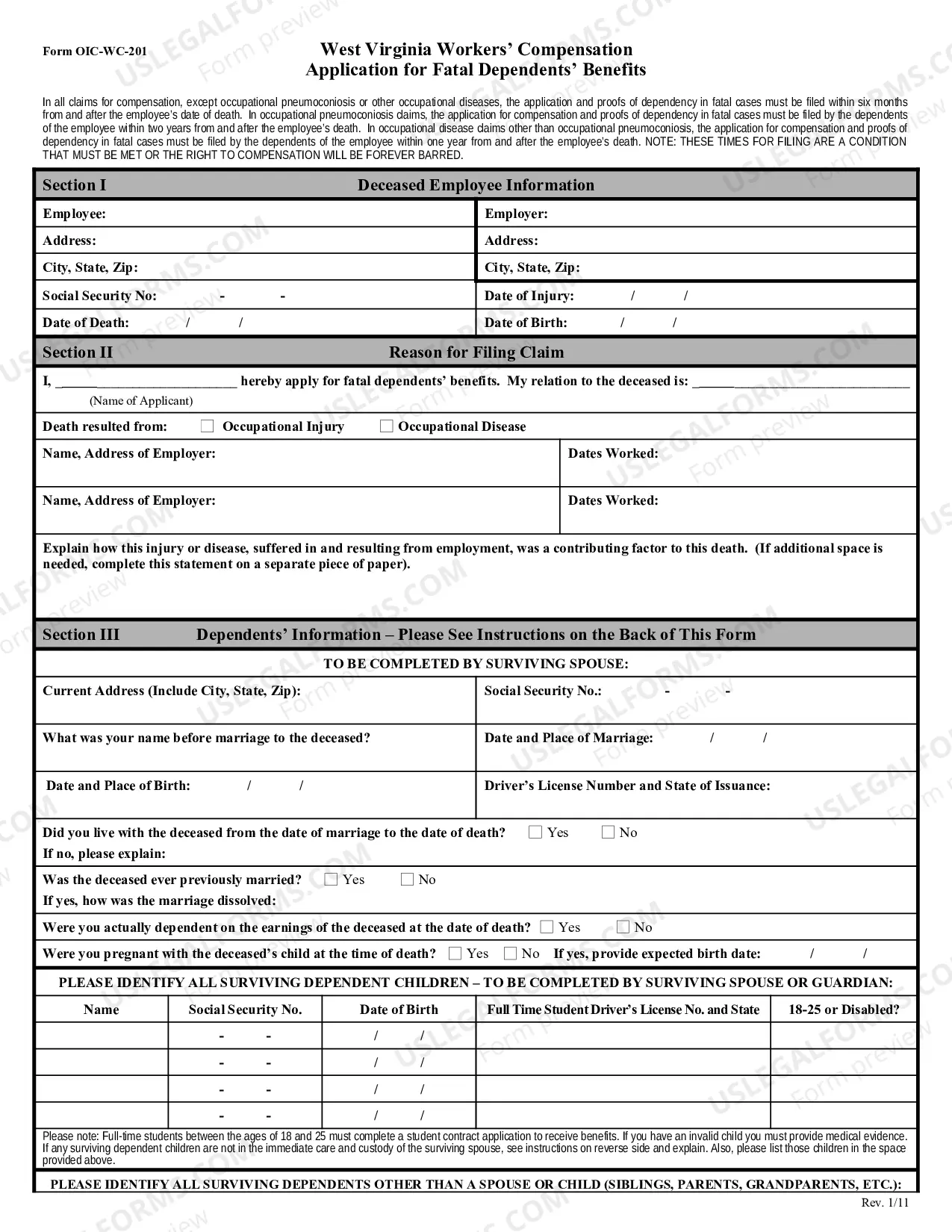



Form popularity
FAQ
If you have a letter from your bank to the address of your parents, that works. You probably can even just use a signed statement from your parents or a friend that you live with them. Especially if they own the house. Imagine you actually live at your parents place.
A utility bill, credit card statement, lease agreement or mortgage statement will all work to prove residency. If you've gone paperless, print a billing statement from your online account.
The best state for full-time RVers to establish residency is often considered South Dakota, Texas, or Florida. These states are popular among RVers because of their favorable tax laws (no state income tax), ease of residency, and RV-friendly policies.
Any bill sent to your residence will work. You can also go to the bank and have them print off a bank statement that has your address on it. I've used that as proof of residency a few times.
Deed reflecting applicant's name and property address. Mortgage statement or settlement agreement reflecting applicant's name and property address issued within the last 60 days. Unexpired lease or rental agreement with the name of the applicant listed as the lessee, permitted resident, or renter (may be a photocopy).
Tax return. Voter registration. Document from a government entity. Letter on letterhead from a homeless shelter, nonprofit, faith based organization, etc that attests to your residency in the state.
Renew your REAL ID DL online Provide residency document on every renewal. Provide BD/LP documents if renewing for the first time since . Submit a completed 10 Year History Record Check (DL 939) (if you've been issued a DL of any kind in another state or jurisdiction in the last 10 years).
(a) A resident of the District of Columbia is one who is living in the District of Columbia voluntarily and not for a temporary purpose; that is, one with no intention of presently removing himself or herself therefrom. A child is residing in the District if he or she is making his or her home in the District.
You must have proof of identity (full legal name and date of birth), proof of social security, and proof of residency to obtain a driver license or non-driver identification. For licenses, we also require proof of ability to drive. You must bring original documents.
Government-issued photo ID. Residential lease/property deed. Utility bill. Certified Letter from the government/court (marriage license, divorce, government aid). Bank statement. Driver's license/learner's permit. Car registration. Notarized affidavit of residency.

