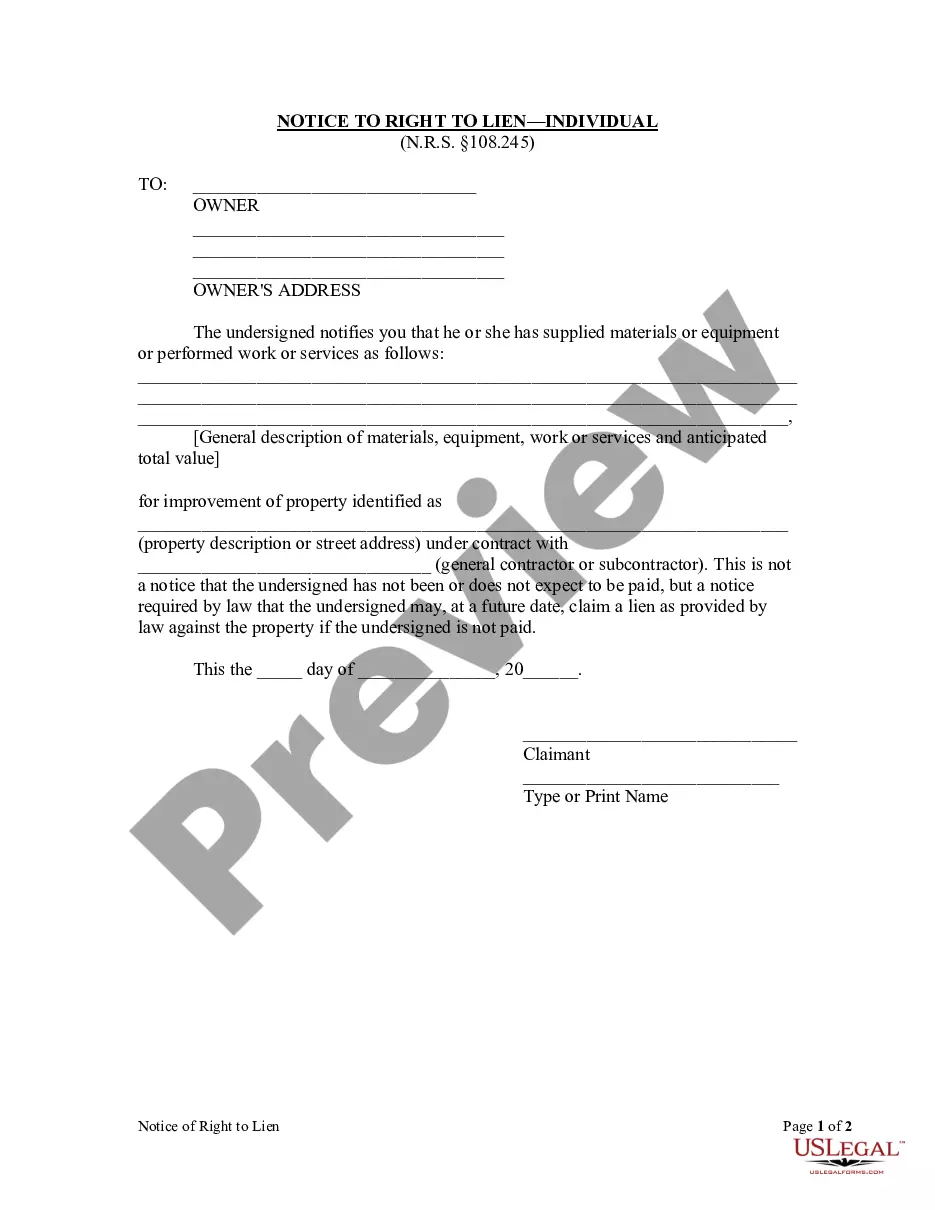
Sample Proposal With Budget In Suffolk
Description

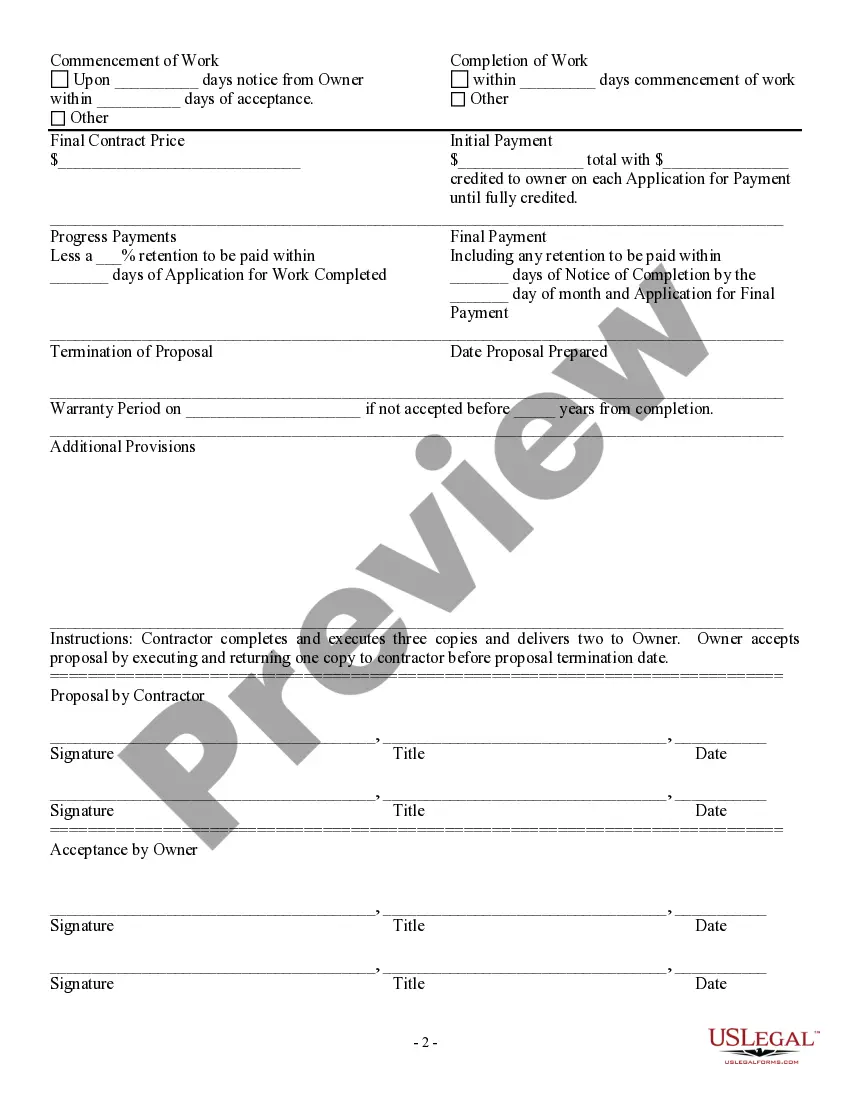
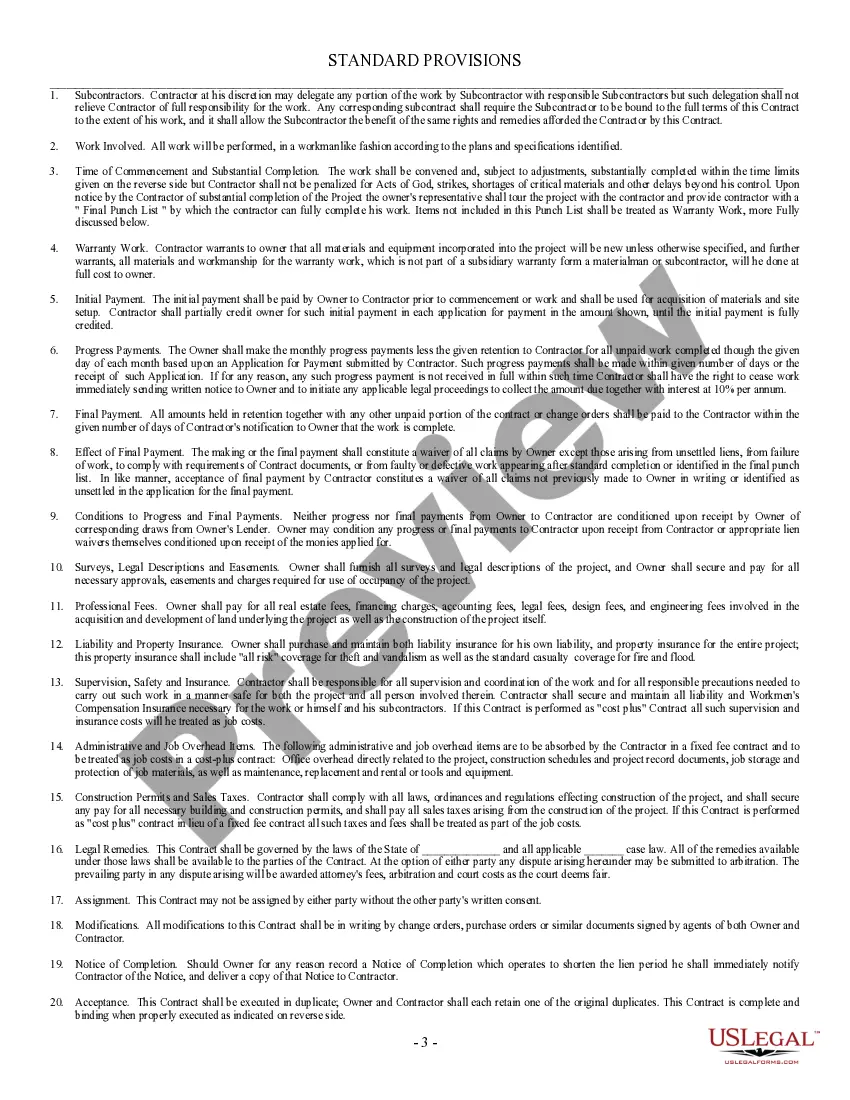

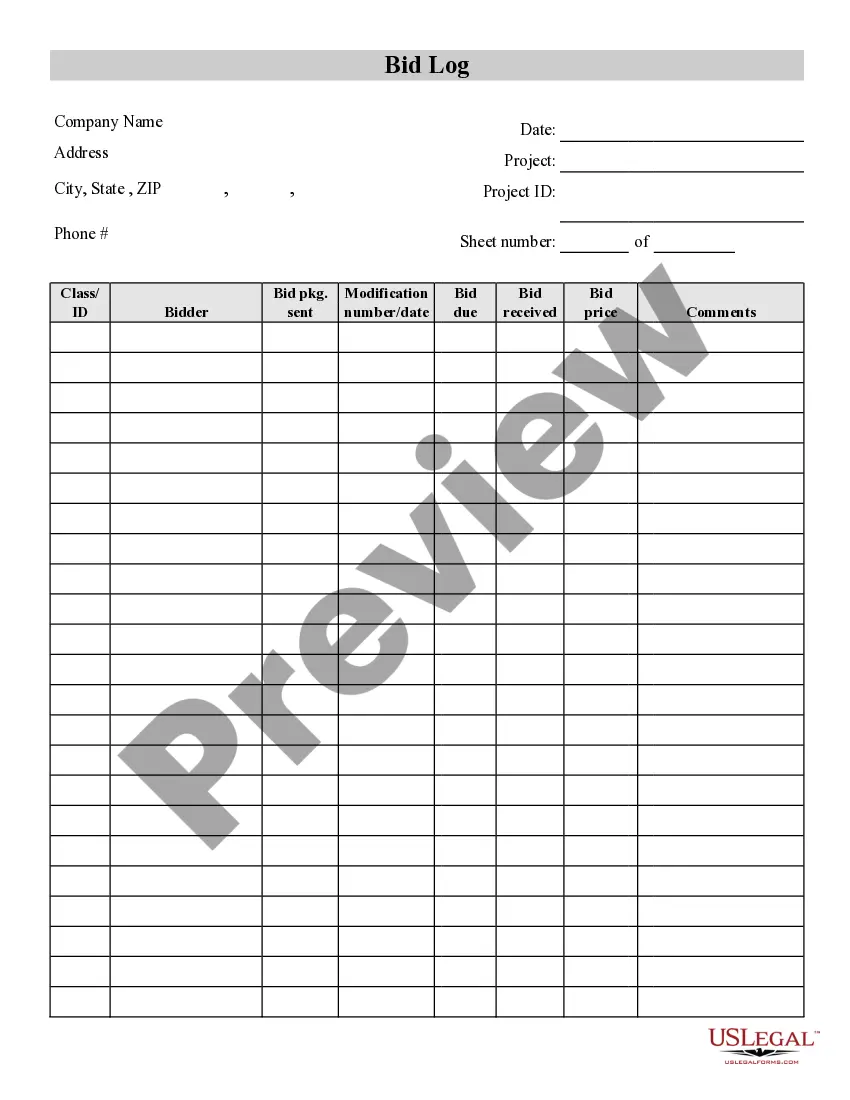
Get your form ready online
Our built-in tools help you complete, sign, share, and store your documents in one place.
Make edits, fill in missing information, and update formatting in US Legal Forms—just like you would in MS Word.
Download a copy, print it, send it by email, or mail it via USPS—whatever works best for your next step.
Sign and collect signatures with our SignNow integration. Send to multiple recipients, set reminders, and more. Go Premium to unlock E-Sign.
If this form requires notarization, complete it online through a secure video call—no need to meet a notary in person or wait for an appointment.
We protect your documents and personal data by following strict security and privacy standards.

Make edits, fill in missing information, and update formatting in US Legal Forms—just like you would in MS Word.

Download a copy, print it, send it by email, or mail it via USPS—whatever works best for your next step.

Sign and collect signatures with our SignNow integration. Send to multiple recipients, set reminders, and more. Go Premium to unlock E-Sign.

If this form requires notarization, complete it online through a secure video call—no need to meet a notary in person or wait for an appointment.

We protect your documents and personal data by following strict security and privacy standards.
Looking for another form?







Form popularity
FAQ
Five simple steps to create and use a budget Step 1: Estimate your monthly income. Step 2: Identify and estimate your monthly expenses. Step 3: Compare your total estimated income and expenses, and consider your priorities and goals. Step 4: Track your spending, and at the end of month, see if you spent what you planned.
A proposal budget is composed of two different pieces of information: a budget table, and a budget narrative. Funders can request these items in many different ways-- or provide no guidelines at all. There are two general forms: (1) Combined Table/Narrative, and (2) Separate Table/Narrative.
A proposal budget is composed of two different pieces of information: a budget table, and a budget narrative. Funders can request these items in many different ways-- or provide no guidelines at all. There are two general forms: (1) Combined Table/Narrative, and (2) Separate Table/Narrative.
How to write a proposal letter Introduce yourself and provide background information. State your purpose for the proposal. Define your goals and objectives. Highlight what sets you apart. Briefly discuss the budget and how funds will be used. Finish with a call to action and request a follow-up.
Describe your project objectives By explaining what your project is about and the goals you hope to achieve, you can provide context for your budget proposal. Without context, your potential stakeholders may have trouble understanding what—and why—you plan to spend in certain areas.
Proposal Budget Definition A budget is a financial proposal that reflects the work proposed. • It outlines the expected project costs in detail and should mirror the project description.
A project proposal also proposes a timeline and budget for the project. While this document is not a formal contract, it provides stakeholders enough information about budget, timeline, and outcomes to determine whether or not to move forward with a project and, if so, to make an informed contractor or vendor decision.
The project plan would entail what it will take to actually produce and market that product. The budget would be an approved set of resources that your team has to work with to complete the project.
The proposal is a narrative description of the project and includes details of how it will be accomplished. The budget is a description of what will be purchased with detailed prices of the expenditures.