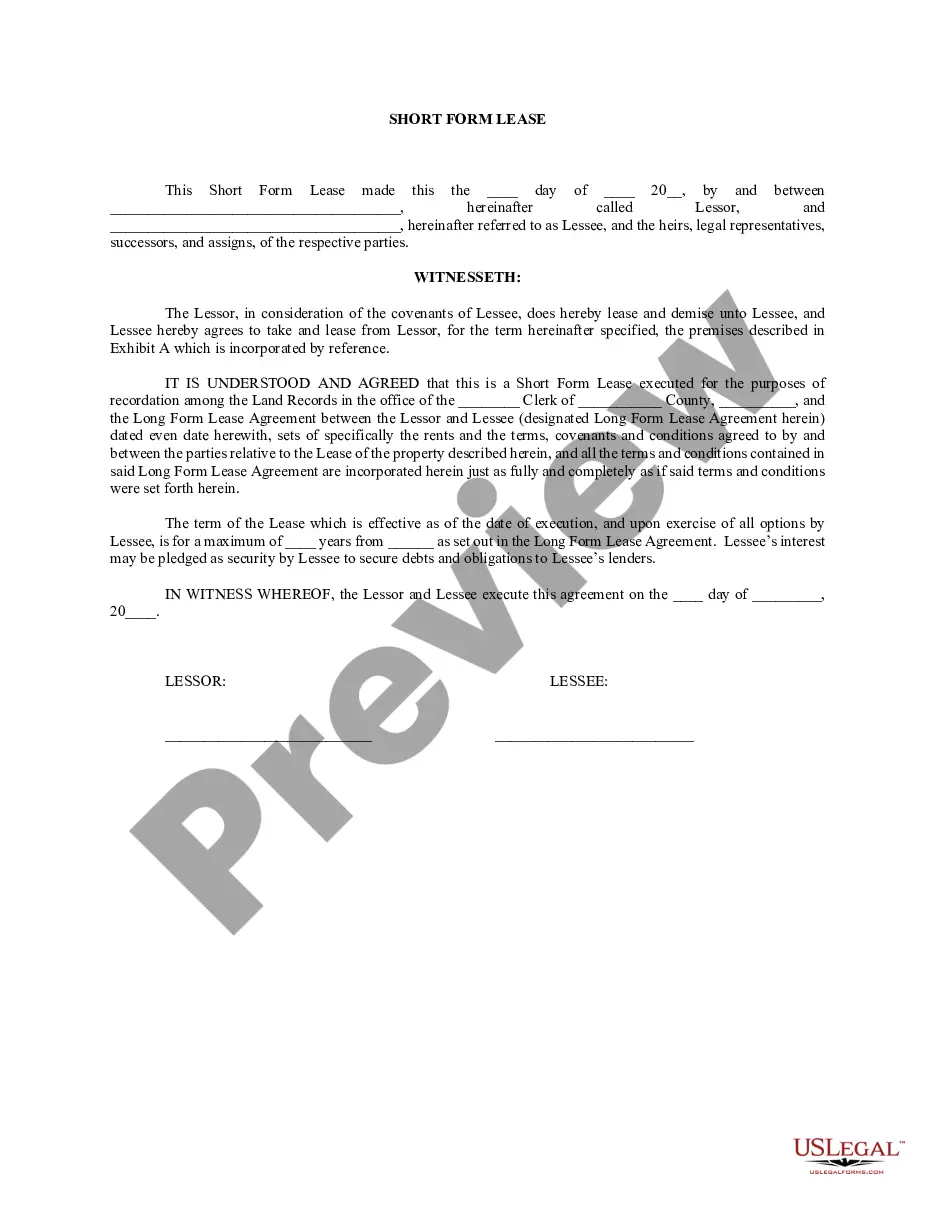
Lawsuit For Libel And Slander In Washington
Description

Get your form ready online
Our built-in tools help you complete, sign, share, and store your documents in one place.
Make edits, fill in missing information, and update formatting in US Legal Forms—just like you would in MS Word.
Download a copy, print it, send it by email, or mail it via USPS—whatever works best for your next step.
Sign and collect signatures with our SignNow integration. Send to multiple recipients, set reminders, and more. Go Premium to unlock E-Sign.
If this form requires notarization, complete it online through a secure video call—no need to meet a notary in person or wait for an appointment.
We protect your documents and personal data by following strict security and privacy standards.

Make edits, fill in missing information, and update formatting in US Legal Forms—just like you would in MS Word.

Download a copy, print it, send it by email, or mail it via USPS—whatever works best for your next step.

Sign and collect signatures with our SignNow integration. Send to multiple recipients, set reminders, and more. Go Premium to unlock E-Sign.

If this form requires notarization, complete it online through a secure video call—no need to meet a notary in person or wait for an appointment.

We protect your documents and personal data by following strict security and privacy standards.
Looking for another form?



Form popularity
FAQ
The most common defenses to defamation are: 1) truth; 2) consent; 3) privilege; and 4) the statute of limitations. Perhaps the most distinct aspect of the defamation cause of action is that falsity is required. In other words, the statement publicized about the plaintiff must be false in order to prove defamation.
In an action for libel or slander, it shall not be necessary to state in the complaint any extrinsic facts, for the purpose of showing the application to the plaintiff, of the defamatory matter out of which the cause arose, but it shall be sufficient to state generally, that the same was published or spoken concerning ...
Go to the district court in the district where the other person lives or where the business you are suing does business. You can check online at courts.wa/court_dir to find the district court location. The district court clerk can tell you if an address is within the court's boundaries.
Any individual may file a small claims suit. Small claims filed by a “natural person” (a human individual) are limited to no more than $10,000. Small claims filed by anyone other than a “natural person” (may be a business, partnership, or corporation in many cases) are limited to no more than $5,000.
Under Washington's civil statute of limitation laws, personal injury claims have a three-year limit for filing, as do fraud, injury to property, and trespassing. Debt collection has a six-year limit. Statutes of limitations aren't suggestions. They are mandatory time limits that the state imposes on most lawsuits.
These cases can be complex, encompassing both written (libel) and spoken (slander) forms of defamation. In Washington state, proving defamation requires demonstrating that the defendant made a false statement about the plaintiff, published it to a third party, and caused damage to the plaintiff's reputation.
Summons and Complaint – Two separate documents that go together to start a civil lawsuit.
Under Washington's civil statute of limitation laws, personal injury claims have a three-year limit for filing, as do fraud, injury to property, and trespassing. Debt collection has a six-year limit. Statutes of limitations aren't suggestions. They are mandatory time limits that the state imposes on most lawsuits.
Go to the district court in the district where the other person lives or where the business you are suing does business. You can check online at courts.wa/court_dir to find the district court location. The district court clerk can tell you if an address is within the court's boundaries.
Defamation Per Se Civil Suits are Permissible in Washington State. As with many states, per se defamation lawsuits are possible in Washington. In these cases, the offending statement is considered automatically to have caused damages (i.e., calling someone a criminal), lifting the plaintiff's burden of proof.