Long Term Car Lease With Insurance Included In Middlesex
Description
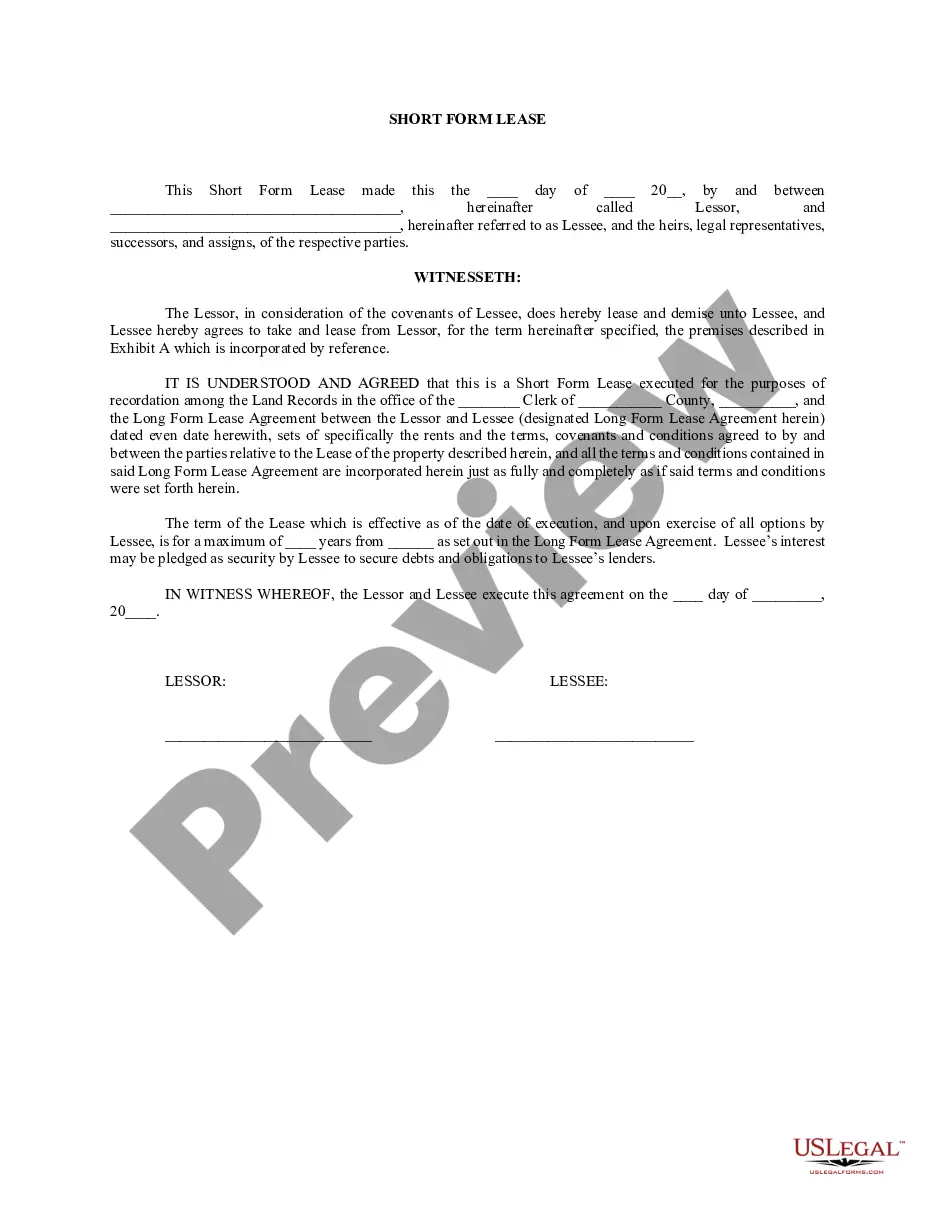
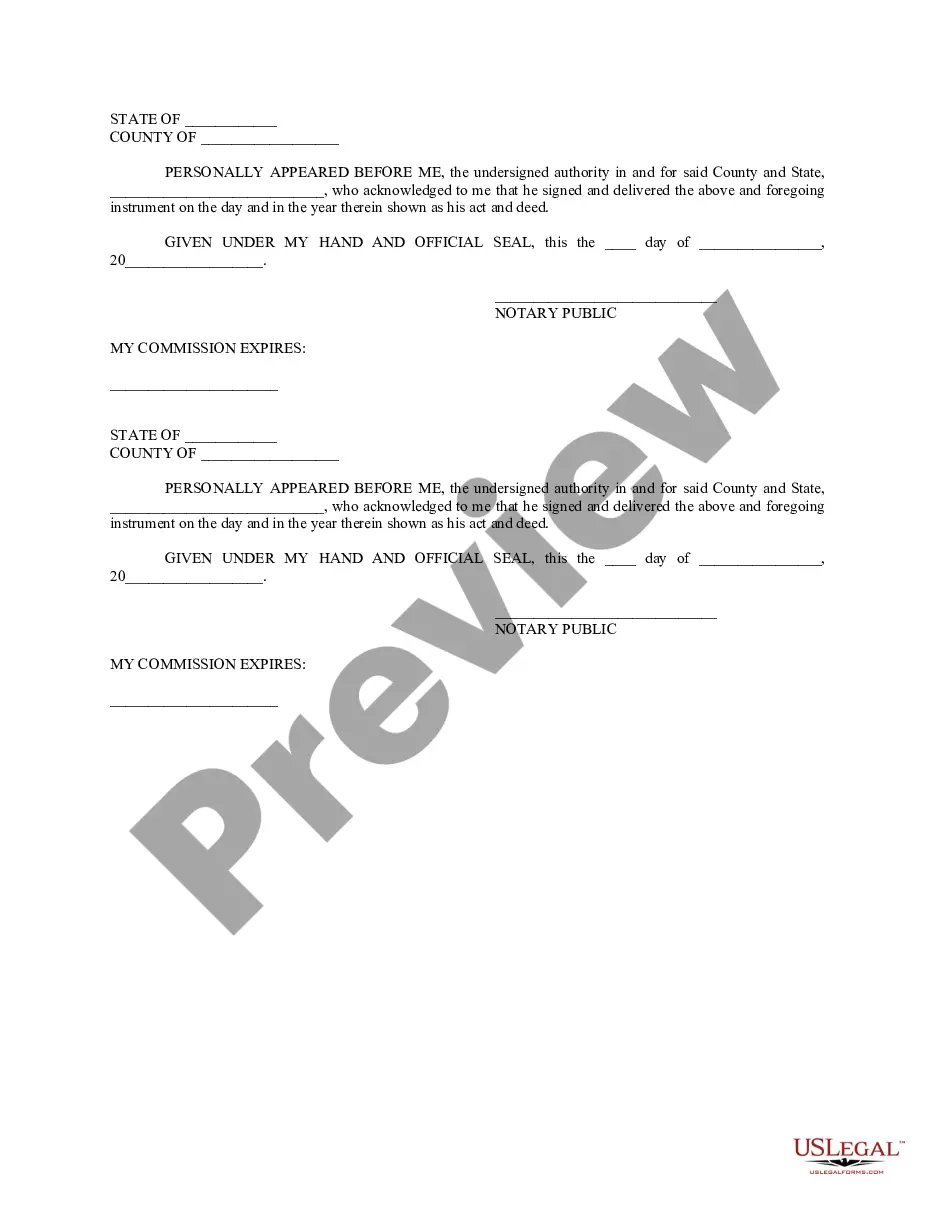
Get your form ready online
Our built-in tools help you complete, sign, share, and store your documents in one place.
Make edits, fill in missing information, and update formatting in US Legal Forms—just like you would in MS Word.
Download a copy, print it, send it by email, or mail it via USPS—whatever works best for your next step.
Sign and collect signatures with our SignNow integration. Send to multiple recipients, set reminders, and more. Go Premium to unlock E-Sign.
If this form requires notarization, complete it online through a secure video call—no need to meet a notary in person or wait for an appointment.
We protect your documents and personal data by following strict security and privacy standards.

Make edits, fill in missing information, and update formatting in US Legal Forms—just like you would in MS Word.

Download a copy, print it, send it by email, or mail it via USPS—whatever works best for your next step.

Sign and collect signatures with our SignNow integration. Send to multiple recipients, set reminders, and more. Go Premium to unlock E-Sign.

If this form requires notarization, complete it online through a secure video call—no need to meet a notary in person or wait for an appointment.

We protect your documents and personal data by following strict security and privacy standards.
Looking for another form?










Form popularity
FAQ
Just like any other vehicle on the road, lease cars have to be insured by law, and it's rare for cover to be included with the lease. That means you're responsible for getting insurance before getting behind the wheel.
No, they don't. A typical Select Car Leasing deal will come with the cover of a manufacturer's warranty, as well as road tax and breakdown cover, but does not routinely include insurance, maintenance and servicing, or additional support such as a courtesy car.
You may rent many asset types to your limited company; office space, machinery, equipment, vehicles, computers, property, etc. Certain assets may require special treatment, so you should always consult with a professional to ensure your arrangements are legitimate.
As of January 1, 2024, you can write off up to $1,050 per month in lease payments for new leases. Over 12 months, this will add up to $12,600 before taxes. Example: Let's say you are a self-employed individual with an annual car lease payment of $8,000.
Hiring or leasing a car is an allowable and tax deductible expense, but you must disallow 15% of your costs if the vehicle CO2 emissions are more than 50g/km. This was previously set at 110g/km for vehicles leased or hired before April 1st, 2021.
Cars bought from April 2021 Description of carWhat you can claim New and unused, CO2 emissions are 0g/km (or car is electric) 100% first-year allowances Second hand electric car Main rate allowances New or second hand, CO2 emissions are 50g/km or less Main rate allowances1 more row
In summary, while there are benefits to leasing, the primary disadvantage is that you do not gain ownership or build equity over time, leading to a situation where you have ongoing payments with no eventual payoff.
If you lease a vehicle and use it solely for business purposes, you can generally deduct the full amount of your lease payments. This means you can write off every monthly payment you make towards your lease as a business expense, reducing your overall taxable income, which could reduce your taxes.
Tax write-off for a vehicle not exceeding 14,000 lbs. If your vehicle weighs less than 14,000 lbs., you could receive a maximum first-year deduction of up to $20,400 for a light passenger vehicle (under 6,000 lbs.) and $30,500 for passenger SUVs.