Cease And Desist Letter For Collection Agency In Travis
Description



Form popularity
FAQ
Short Answer, 10 Years. If handled properly, a Texas judgment can exist indefinitely. But the creditor must be vigilant.
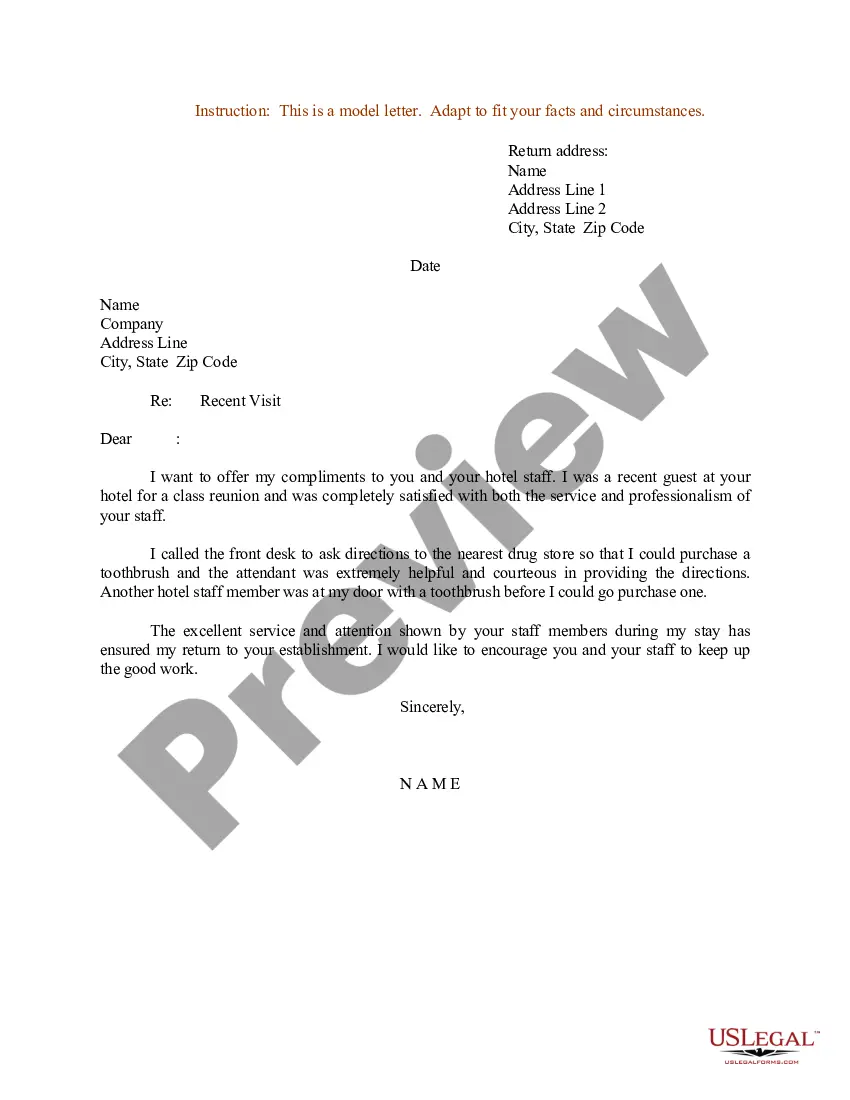
Receiving a cease and desist letter is a serious issue. It indicates the sender's intention to pursue you for the alleged wrongdoing if you do not follow their demands. Receiving a cease and desist letter does not necessarily mean you will end up in Court.
In Texas, any payment you make or written acknowledgment of the debt can reset the statute of limitations. This means that by making even a small payment or agreeing that you owe the debt, you could restart the clock, giving the creditor a new window to sue you.
In Texas, the statute of limitations for most types of debt is four years, which means that creditors have four years from the date of the last payment or the date you defaulted on the debt to file a lawsuit against you. Once this four-year window closes, creditors can no longer take legal action to collect the debt.
Statutes of limitations vary by state and typically range from 3 to 10 years for most types of debt. However, even if the statute of limitations has expired, which would make the debt legally unenforceable in court, the collection agency may still attempt to collect on it.
A cease and desist letter is a formal written request that tells a debt collector to stop contacting you. It is your right under the Fair Debt Collection Practices Act (FDCPA) to limit how debt collectors can communicate with you.
Texas law gives someone 4 years to bring a lawsuit for unpaid debt.
Giving personal information. This just gives the collection agency information about property, wages, and financial accounts to seize if it obtains a judgment against you.
If you write a letter, instead of using the tear-off form, the debt dispute letter should include your personal identifying information; verification of the amount of debt owed; the name of the creditor for the debt; and a request the debt not be reported to credit reporting agencies until the matter is resolved or ...
If you are writing the letter yourself, you should include the following information: Your name and contact information. Name and contact information of the person or business being asked to stop the behavior. Specifics about the activity you wish them to stop.

