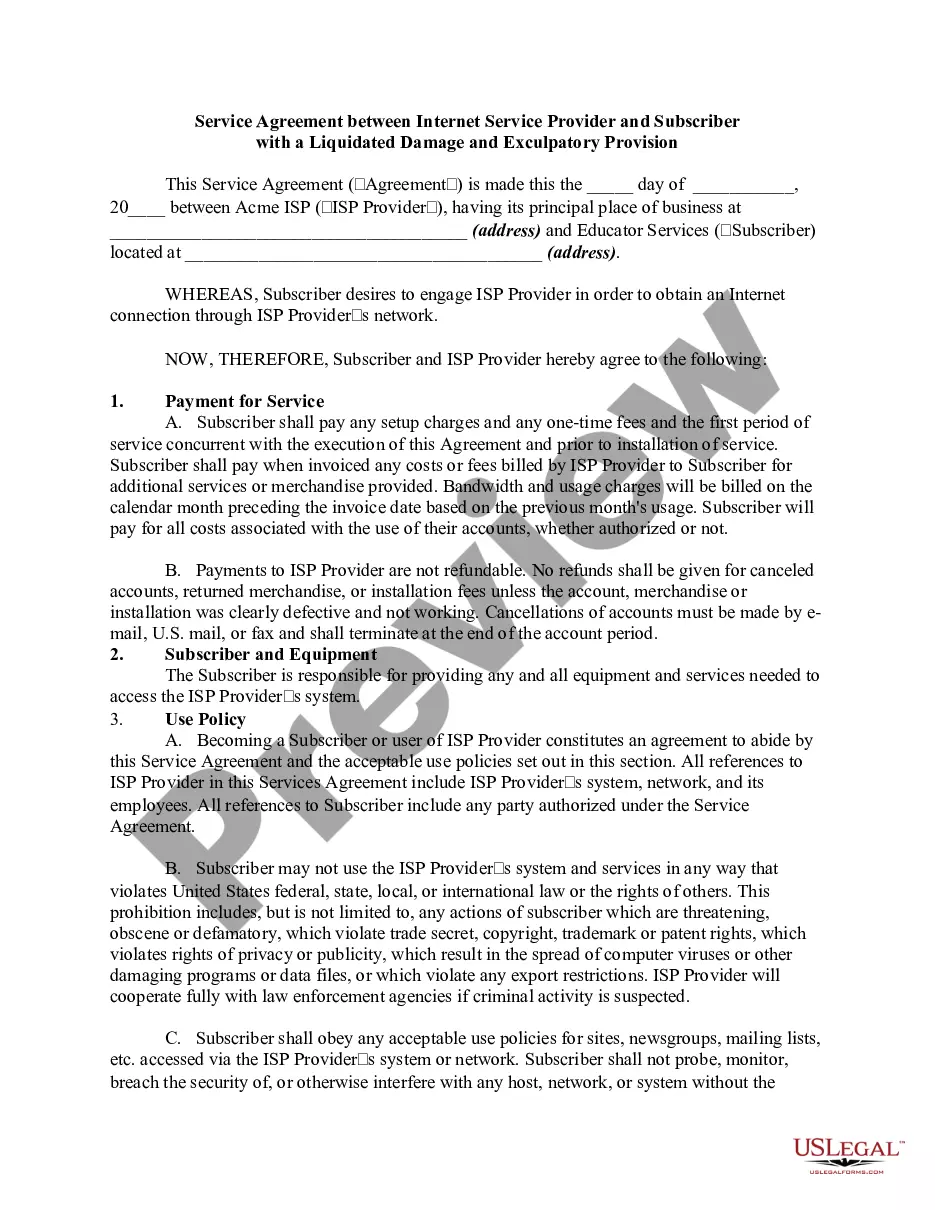
Slander Libel In A Sentence In Salt Lake
Description

Get your form ready online
Our built-in tools help you complete, sign, share, and store your documents in one place.
Make edits, fill in missing information, and update formatting in US Legal Forms—just like you would in MS Word.
Download a copy, print it, send it by email, or mail it via USPS—whatever works best for your next step.
Sign and collect signatures with our SignNow integration. Send to multiple recipients, set reminders, and more. Go Premium to unlock E-Sign.
If this form requires notarization, complete it online through a secure video call—no need to meet a notary in person or wait for an appointment.
We protect your documents and personal data by following strict security and privacy standards.

Make edits, fill in missing information, and update formatting in US Legal Forms—just like you would in MS Word.

Download a copy, print it, send it by email, or mail it via USPS—whatever works best for your next step.

Sign and collect signatures with our SignNow integration. Send to multiple recipients, set reminders, and more. Go Premium to unlock E-Sign.

If this form requires notarization, complete it online through a secure video call—no need to meet a notary in person or wait for an appointment.

We protect your documents and personal data by following strict security and privacy standards.
Looking for another form?








Form popularity
FAQ
Examples of slander in a Sentence Verb She was accused of slandering her former boss. Noun She is being sued for slander. He was a target of slander.
Examples from Collins dictionaries Warren sued him for libel over the remarks. If the jury decided there was a libel, it would have to consider its effect on Miss Smith's position. The newspaper which libelled him had already offered compensation.
Defamation Law in Utah Utah law requires that a plaintiff, the person claiming defamation, proves certain elements for a successful claim. These elements include the false statement being “published” to a third party, the statement causing harm, and the statement being made without adequate research into the truth.
Libel involves the act of publishing a statement about an individual, either in written form or by broadcast over media platforms such as radio, television, or the Internet, that is untrue and threatens to harm the reputation and/or livelihood of the targeted person.
Slander per se is the spoken word version of libel per se—a false statement that is so obviously harmful that damage to a plaintiff's reputation is presumed. Examples of slander per se include false accusations of improper sexual conduct, criminal activity, or bad business dealings.
To prove prima facie defamation, a plaintiff must show four things: 1) a false statement purporting to be fact; 2) publication or communication of that statement to a third person; 3) fault amounting to at least negligence ; and 4) damages , or some harm caused to the reputation of the person or entity who is the ...
I feel that there would be a crop of libels or slanders. What protection would he provide to the public where in such investigatory journalism a person is slandered and libelled? We all expected it to turn up in the form of a private individual suing another private individual because he had been libelled or slandered.
In general, pursuing a defamation lawsuit may be worthwhile if: The defamatory statement(s) are demonstrably false and have caused significant harm to your reputation or career. You have strong evidence to support your claim. The potential damages are substantial enough to justify the costs and risks of litigation.
(1) A person is guilty of criminal defamation if he knowingly communicates to any person orally or in writing any information which he knows to be false and knows will tend to expose any other living person to public hatred, contempt, or ridicule.