Defamation For False Accusations In Queens
Description

Get your form ready online
Our built-in tools help you complete, sign, share, and store your documents in one place.
Make edits, fill in missing information, and update formatting in US Legal Forms—just like you would in MS Word.
Download a copy, print it, send it by email, or mail it via USPS—whatever works best for your next step.
Sign and collect signatures with our SignNow integration. Send to multiple recipients, set reminders, and more. Go Premium to unlock E-Sign.
If this form requires notarization, complete it online through a secure video call—no need to meet a notary in person or wait for an appointment.
We protect your documents and personal data by following strict security and privacy standards.

Make edits, fill in missing information, and update formatting in US Legal Forms—just like you would in MS Word.

Download a copy, print it, send it by email, or mail it via USPS—whatever works best for your next step.

Sign and collect signatures with our SignNow integration. Send to multiple recipients, set reminders, and more. Go Premium to unlock E-Sign.

If this form requires notarization, complete it online through a secure video call—no need to meet a notary in person or wait for an appointment.

We protect your documents and personal data by following strict security and privacy standards.
Looking for another form?




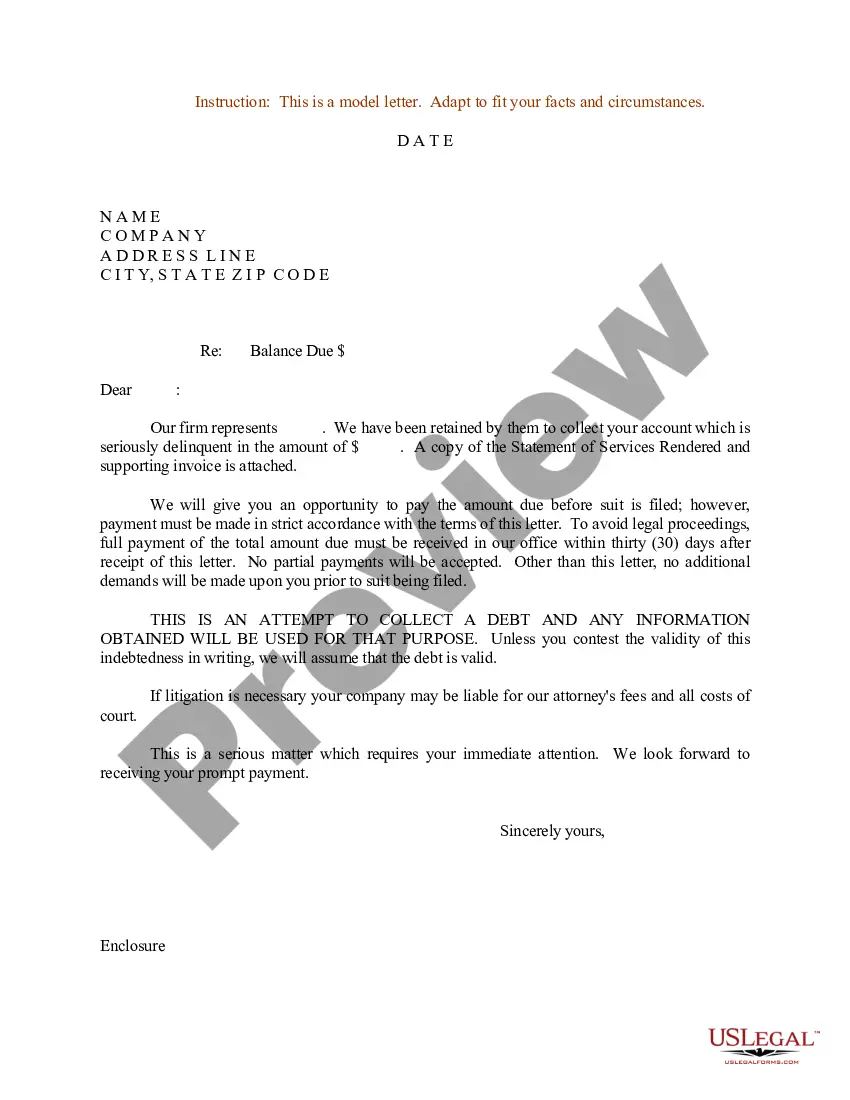
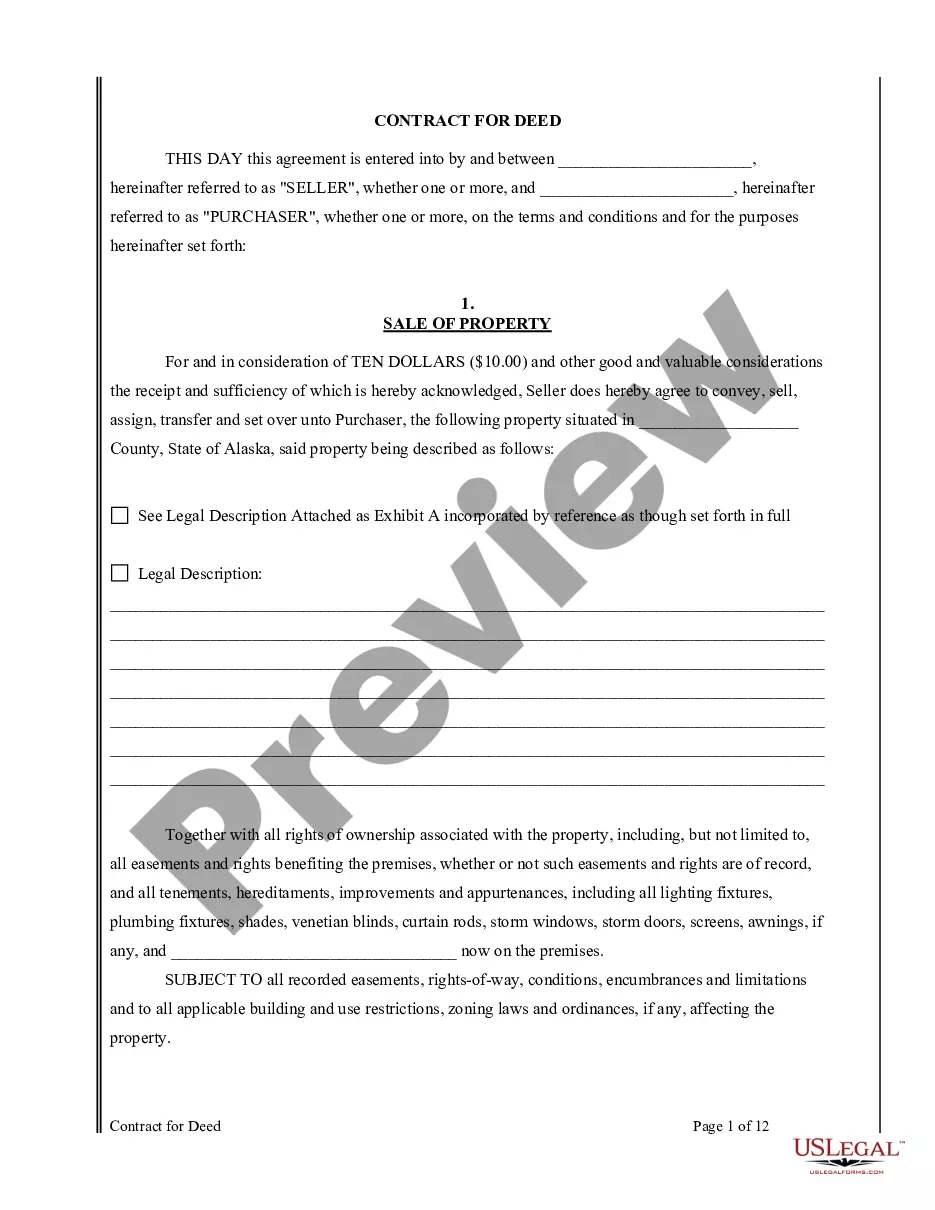



Form popularity
FAQ
In general, pursuing a defamation lawsuit may be worthwhile if: The defamatory statement(s) are demonstrably false and have caused significant harm to your reputation or career. You have strong evidence to support your claim. The potential damages are substantial enough to justify the costs and risks of litigation.
How to Defend Yourself Against False Accusations Stay Calm. Hire an Attorney to Help You Fight Back. Gather Evidence. Challenge the Accuser's Credibility. Find Your Own Witnesses and Present Evidence of Your Side of the Story. Develop a Strategy in Criminal Defense Cases.
If you allege that someone has done something wrong or illegal, you say that they did that thing, but you do not give any proof. Allege is a formal word. She alleges that there has been a cover-up. You can also level or make an allegation against someone.
In New York, defamation is a civil matter. A person who suffers financial or emotional damages following another person's false statement may choose to sue the offender, which would bring about a case in the appropriate New York court.
Being falsely accused can lead to intense emotions such as anger, frustration, and sadness. The individual may experience a range of negative feelings, including confusion and betrayal. The emotional toll can be particularly high if the accusations are severe or impact the person's reputation.
You could report the false accusation to law enforcement, but it will be the appropriate prosecutorial agency (usually a county District Attorney's Office) that decides whether or not to press criminal charges.
If convicted, penalties for false accusations could result in fines of up to $1,000, up to six months in county jail, or both. Additionally, individuals may face civil lawsuits for defamation or malicious prosecution if the false accusations harm another person's reputation or lead to wrongful legal actions.
If you've been falsely accused of a crime, you might be able to sue your accuser, depending on the circumstances of your case. The most common lawsuits are based on defamation of character and malicious prosecution.
The plaintiff bears the burden of proving that the harmful statements are false. By examining whether the defendant's statement would have an effect different from a proposed statement by the plaintiff, courts test whether a statement is false.
Building Your Defamation Case The first step is to issue a letter under the Defamation Act. You could think of this as a cease and desist letter but its technical name is a concerns notice. If the behaviour does not stop and no apology is given, the next step is to commence court proceedings.

