Realtor Broker Agent For Service Of Process In Wayne
Description

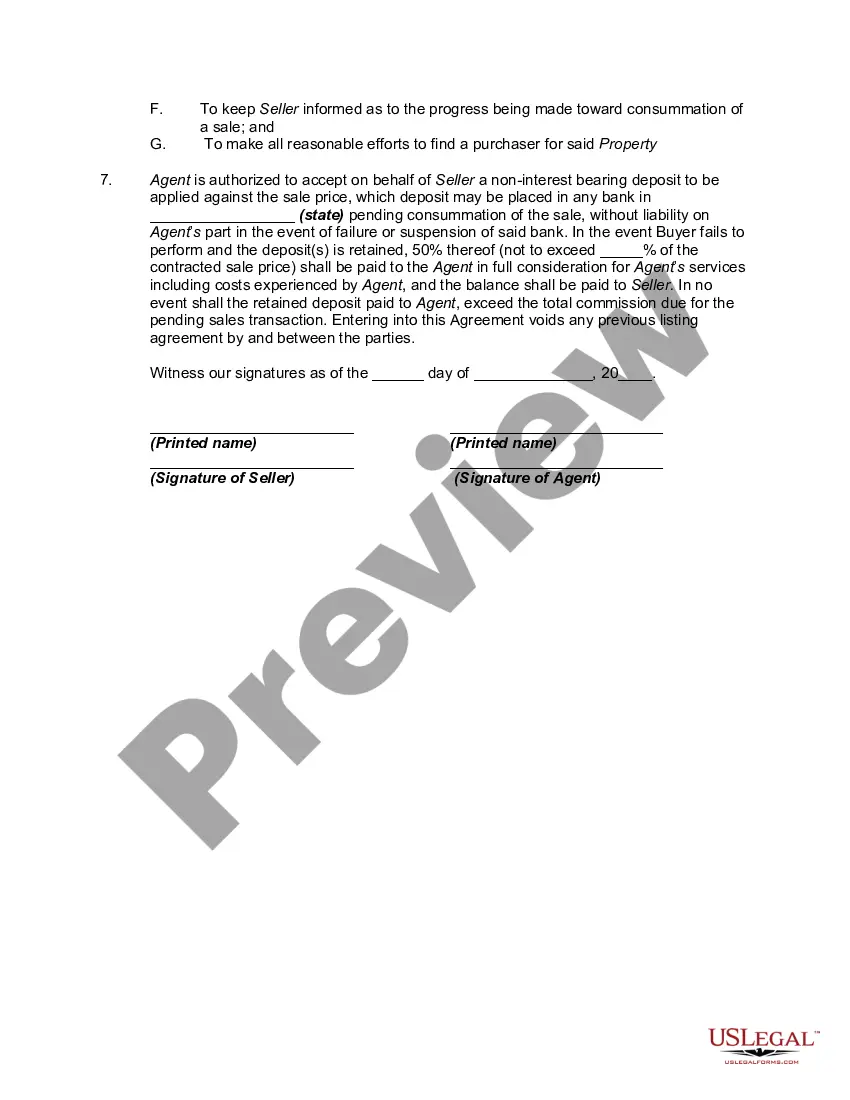

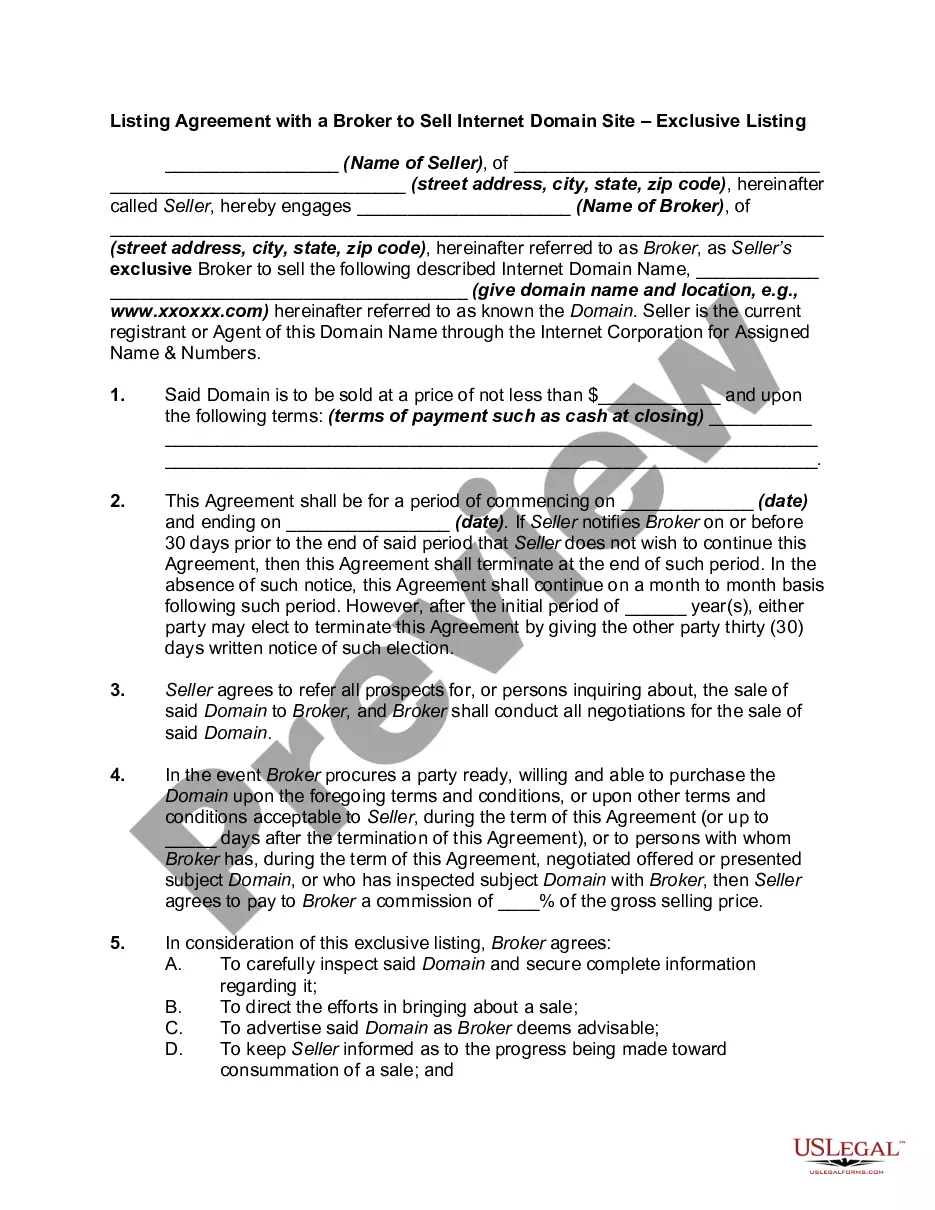
Get your form ready online
Our built-in tools help you complete, sign, share, and store your documents in one place.
Make edits, fill in missing information, and update formatting in US Legal Forms—just like you would in MS Word.
Download a copy, print it, send it by email, or mail it via USPS—whatever works best for your next step.
Sign and collect signatures with our SignNow integration. Send to multiple recipients, set reminders, and more. Go Premium to unlock E-Sign.
If this form requires notarization, complete it online through a secure video call—no need to meet a notary in person or wait for an appointment.
We protect your documents and personal data by following strict security and privacy standards.

Make edits, fill in missing information, and update formatting in US Legal Forms—just like you would in MS Word.

Download a copy, print it, send it by email, or mail it via USPS—whatever works best for your next step.

Sign and collect signatures with our SignNow integration. Send to multiple recipients, set reminders, and more. Go Premium to unlock E-Sign.

If this form requires notarization, complete it online through a secure video call—no need to meet a notary in person or wait for an appointment.

We protect your documents and personal data by following strict security and privacy standards.
Looking for another form?







Form popularity
FAQ
A buyer's agent represents the buyer in a real estate transaction, while a broker's agent represents the seller. A buyer's agent typically has more training and knowledge about the real estate market than a broker's agent. A buyer's agent typically has more experience in real estate transactions than a broker's agent.
The general rule is that the DRE cannot deny you a real estate license if you do not have a conviction within seven years before the date of your license application. However if there is a conviction, and it is substantially related to the duties of a broker, then the Department can disapprove licensure.
An agency broker is an intermediary that has a formal responsibility to act in the best interest of its clients alone. Unlike a broker-dealer or market maker, agency brokers do not hold inventory of the securities they buy and sell. Instead, they simply execute transactions on behalf of their clients.
Because brokers represent their clients, they have a duty to provide impartial advice and act in the buyers' best interest. Agents, on the other hand, are motivated to sell the products that the insurers they represent offer. Agents can complete insurance transactions, while brokers can only facilitate them.
Let the agent know when, where, and what you are looking to buy or sell. You should also include a timeline during which you'd like the transaction to take place, as well as your budget. Anything beyond that can be discussed in a follow-up meeting.
How are Agents and Brokers different? Agents represent insurance companies. Brokers represent consumers. Agents sell policies from insurance companies they represent. Brokers search for policies from different insurance companies.
#1 - What to say to your real estate clients Introduce yourself briefly. Explain how you got their information. Ask if now is a good time to chat. Ask what triggered their home buying or selling. Touch on current market conditions, and ask if they have any initial questions.
A broker is a person or entity that arranges transactions between a buyer and a seller. This may be done for a commission when the deal is executed. A broker who also acts as a seller or as a buyer becomes a principal party to the deal.
All property deeds, like Warranty Deeds, Quit Claim Deeds and Land Contracts, are recorded with the Wayne County Register of Deeds office ( ) located in the International Center Building, 400 Monroe Street, 7th Floor, Detroit, MI 48226 Phone:(313) 224-5850.
There are three (3) convenient ways to retrieve a document from our extensive files: Visit waynecountylandrecords - available 24 hours a day. Visit our office in historic Greektown (kiosks are now only available to be used from am - pm) Request a Search-by-Mail.
