Slander And Libel Law For Middle School In Philadelphia
Description

Get your form ready online
Our built-in tools help you complete, sign, share, and store your documents in one place.
Make edits, fill in missing information, and update formatting in US Legal Forms—just like you would in MS Word.
Download a copy, print it, send it by email, or mail it via USPS—whatever works best for your next step.
Sign and collect signatures with our SignNow integration. Send to multiple recipients, set reminders, and more. Go Premium to unlock E-Sign.
If this form requires notarization, complete it online through a secure video call—no need to meet a notary in person or wait for an appointment.
We protect your documents and personal data by following strict security and privacy standards.

Make edits, fill in missing information, and update formatting in US Legal Forms—just like you would in MS Word.

Download a copy, print it, send it by email, or mail it via USPS—whatever works best for your next step.

Sign and collect signatures with our SignNow integration. Send to multiple recipients, set reminders, and more. Go Premium to unlock E-Sign.

If this form requires notarization, complete it online through a secure video call—no need to meet a notary in person or wait for an appointment.

We protect your documents and personal data by following strict security and privacy standards.
Looking for another form?


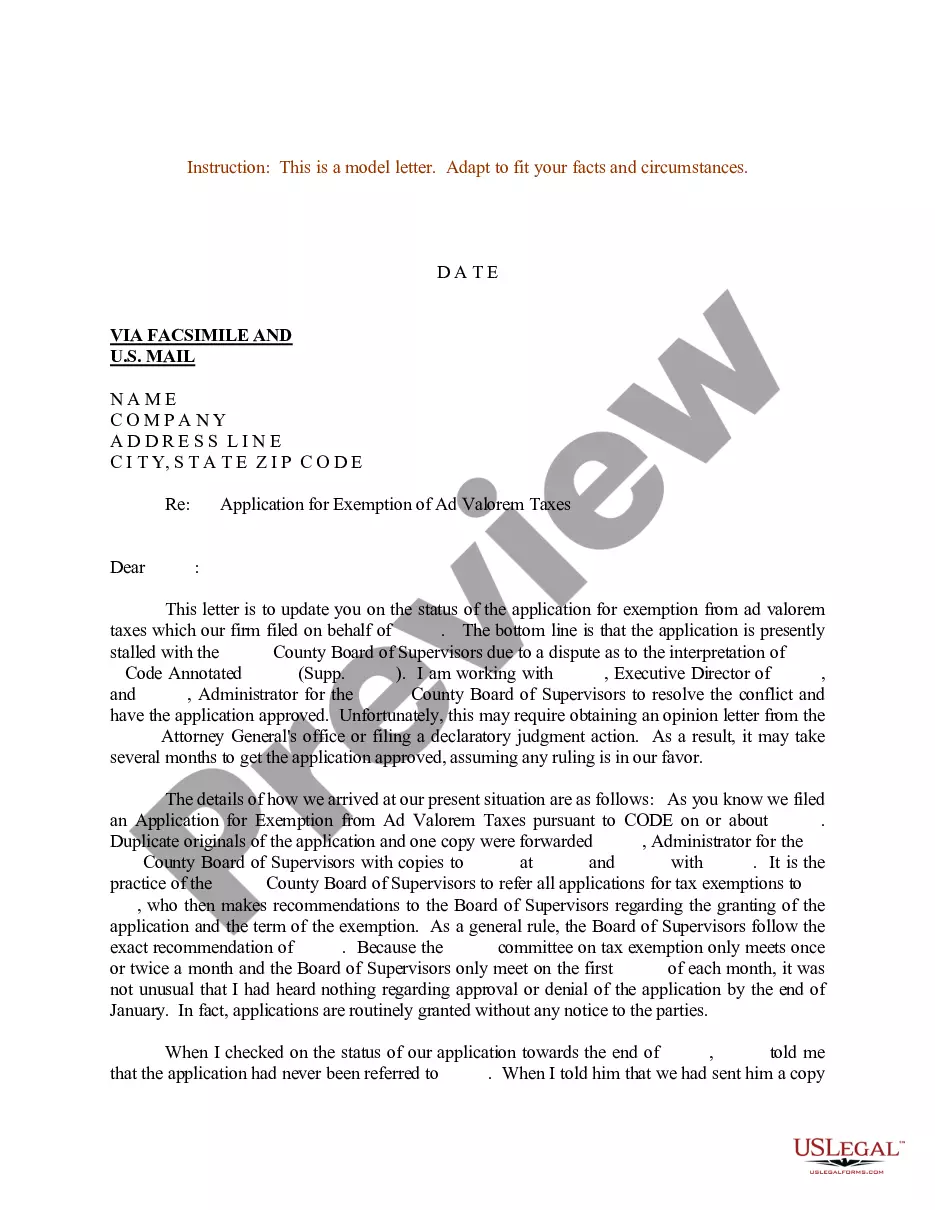

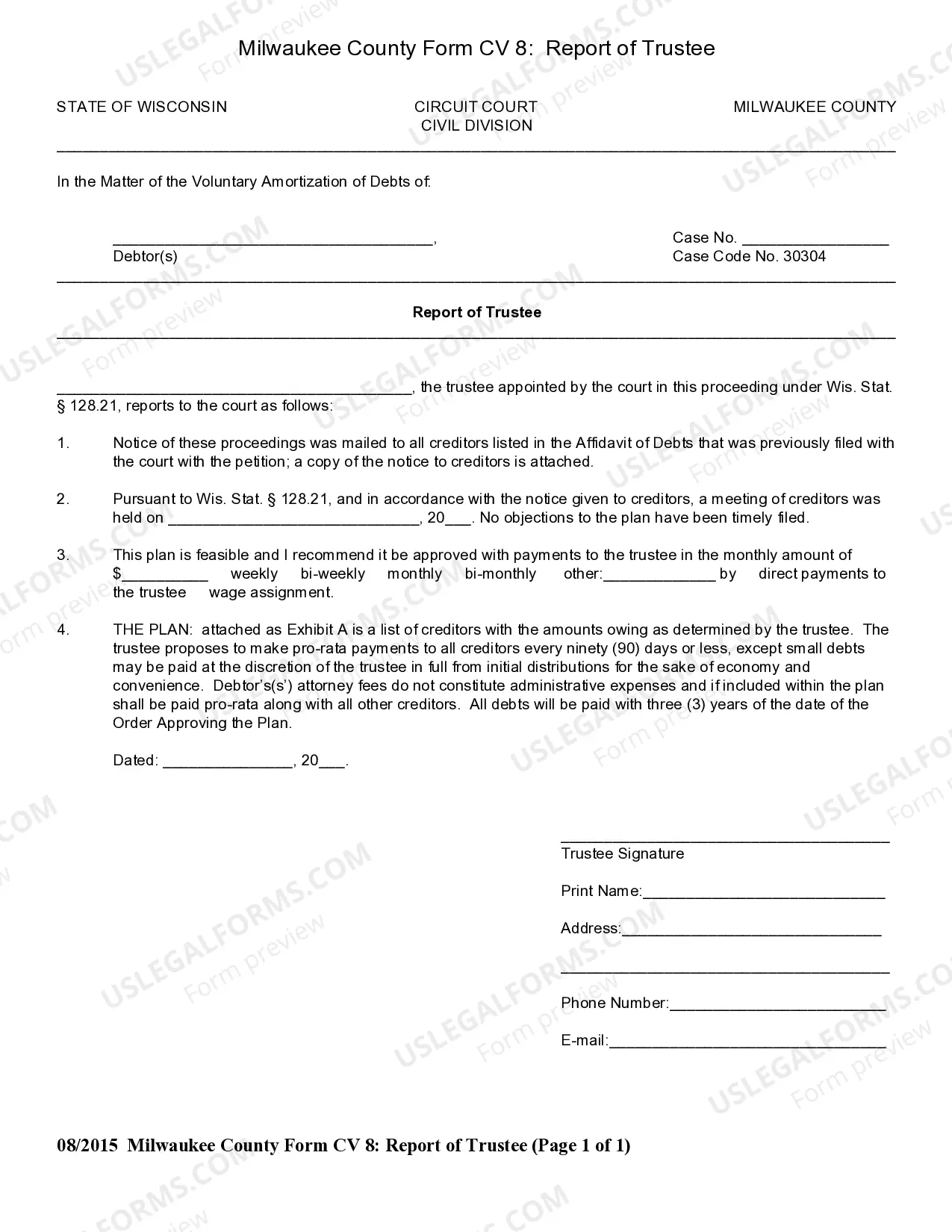
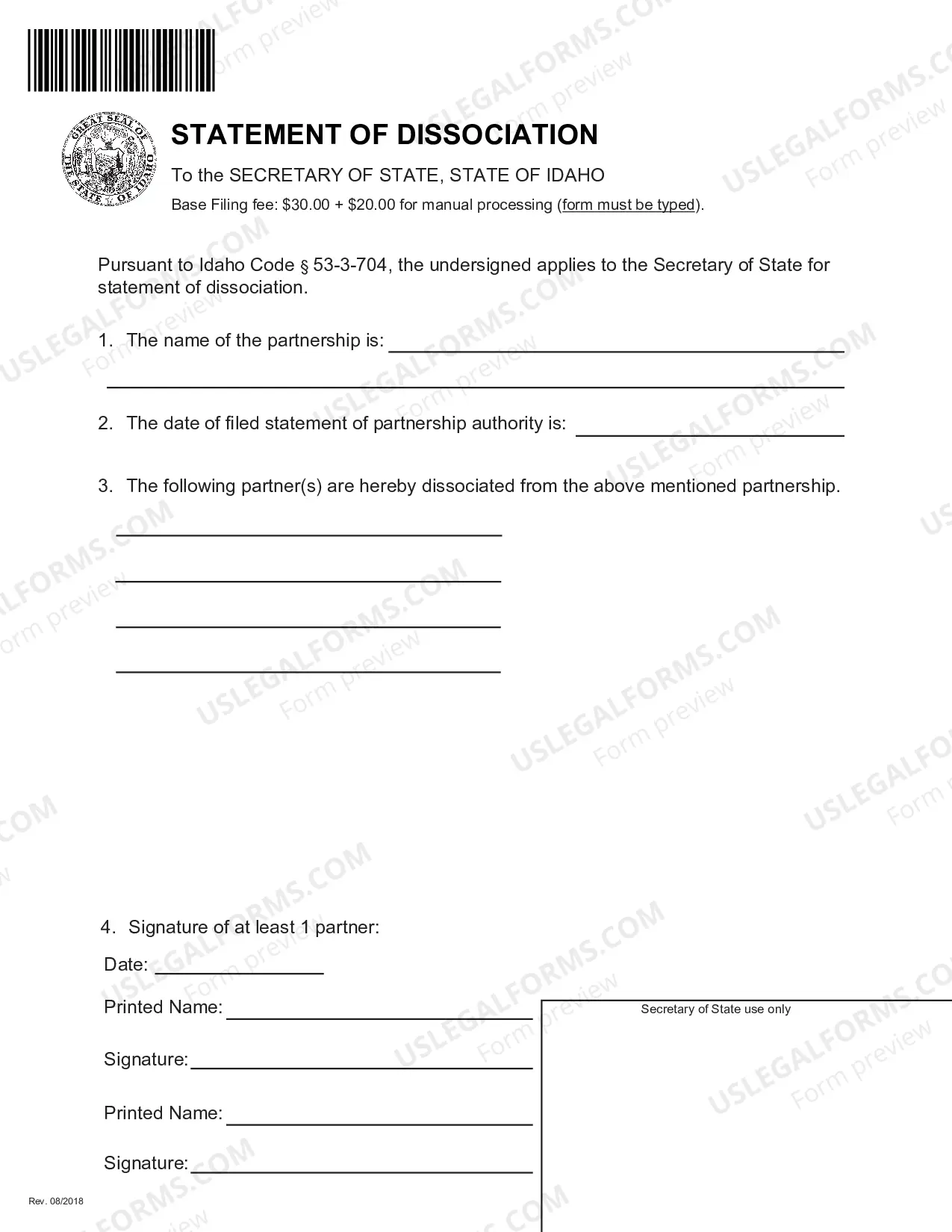
Form popularity
FAQ
Understand Pennsylvania's Defamation Law The key elements a plaintiff must prove include: False Statement: The statement in question must be untrue. Truth is a complete defense to defamation claims. Publication: The statement must have been communicated to a third party.
To successfully bring a defamation claim in Pennsylvania, the plaintiff must prove several key elements: Defamatory Statement: The statement in question must be defamatory, meaning it would harm the reputation of the person or entity in the eyes of the community or lead others to avoid them.
--In an action for defamation, the plaintiff has the burden of proving, when the issue is properly raised: (1) The defamatory character of the communication. (2) Its publication by the defendant. (3) Its application to the plaintiff.
Malicious Prosecution Lawsuits If you have been wrongly accused of a crime in Pennsylvania, you could potentially sue the accuser and pursue compensation for your financial damages. However, you could also bring a malicious prosecution lawsuit against a prosecutor if you were prosecuted without probable cause.
Like libel, slander is a subset of defamation governed by the same legal standards. Pennsylvania law treats spoken defamation with the same seriousness as written defamation, recognizing the potential harm it can inflict on the victim.
If your classmate spreads a false rumor that you cheated on the math test, that's slander. Slander is the act of saying an untrue, negative statement about someone. In law, the word slander is contrasted with libel, which is the act of making a false written statement about someone.
To bring a successful defamation claim in California, you must prove four facts: That someone made a false statement of purported fact about you: That the statement was made (published) to a third party; That the person who made the statement did so negligently, recklessly or intentionally; and.
What Are Some Examples of Slander? Untrue statements that a person was convicted of a crime or that they committed or attempted to commit a crime. Untrue statements alleging that a person committed perjury or otherwise lied under oath. Untrue statements that a person is having an affair.
To prove slander in a legal sense, you must establish that the specific person said something about you that 1) was knowingly false and 2) caused you harm (``harm'' may include pain and suffering, damage to your reputation, or loss of wages or employment).
Understand Pennsylvania's Defamation Law The key elements a plaintiff must prove include: False Statement: The statement in question must be untrue. Truth is a complete defense to defamation claims. Publication: The statement must have been communicated to a third party.
