Cease And Desist With In Maricopa
Description

Get your form ready online
Our built-in tools help you complete, sign, share, and store your documents in one place.
Make edits, fill in missing information, and update formatting in US Legal Forms—just like you would in MS Word.
Download a copy, print it, send it by email, or mail it via USPS—whatever works best for your next step.
Sign and collect signatures with our SignNow integration. Send to multiple recipients, set reminders, and more. Go Premium to unlock E-Sign.
If this form requires notarization, complete it online through a secure video call—no need to meet a notary in person or wait for an appointment.
We protect your documents and personal data by following strict security and privacy standards.

Make edits, fill in missing information, and update formatting in US Legal Forms—just like you would in MS Word.

Download a copy, print it, send it by email, or mail it via USPS—whatever works best for your next step.

Sign and collect signatures with our SignNow integration. Send to multiple recipients, set reminders, and more. Go Premium to unlock E-Sign.

If this form requires notarization, complete it online through a secure video call—no need to meet a notary in person or wait for an appointment.

We protect your documents and personal data by following strict security and privacy standards.
Looking for another form?





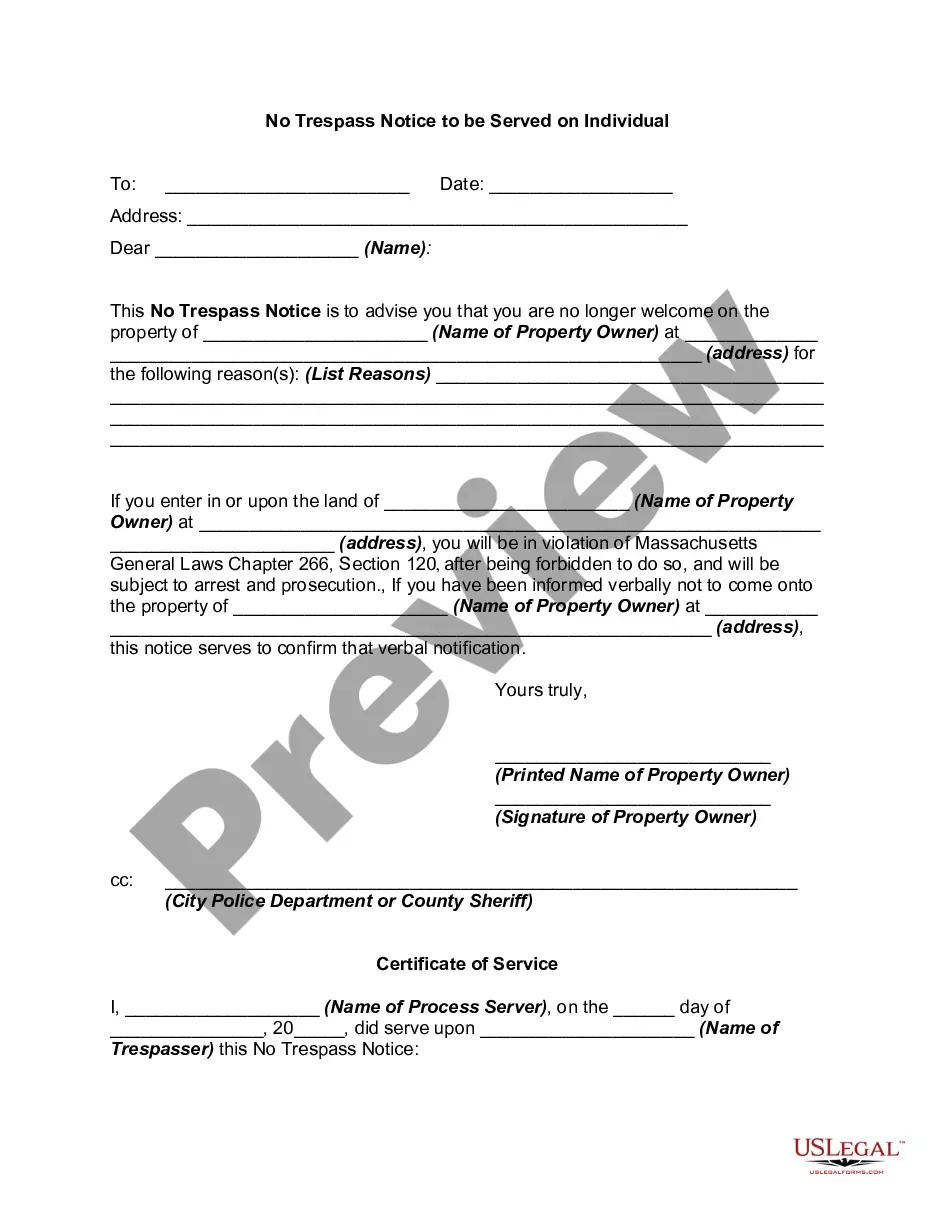

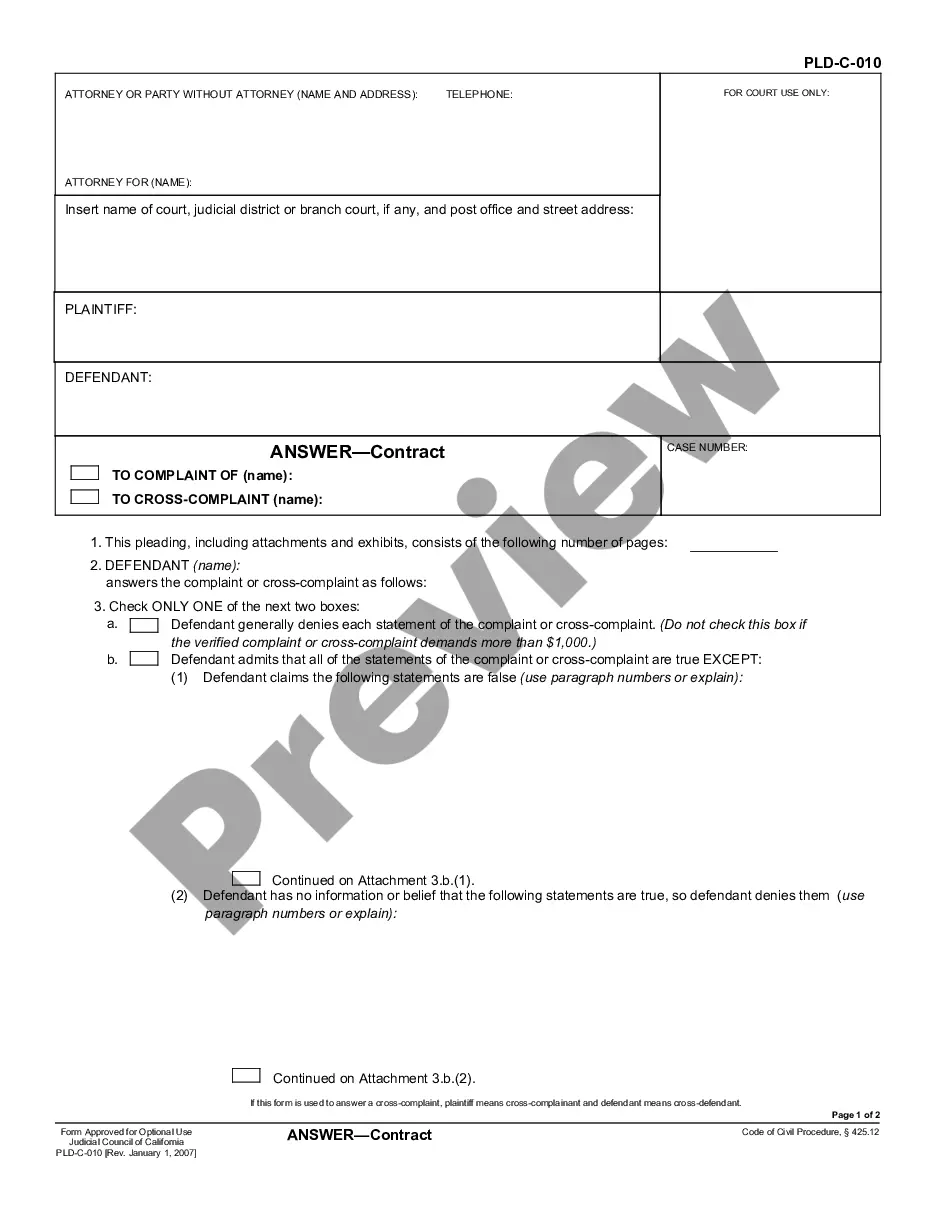

Form popularity
FAQ
Effective cease-and-desist letters include the following information: A thorough yet concise and clear description of the activity that must be stopped. The legal basis for your claim. The consequences if the recipient of the letter fails to comply. A deadline by which the activity must stop.
In your cease and desist letter, you would want to state which laws the other party violated and tell them to stop. You'll want to send it quickly and enlist legal power swiftly. It varies depending on the situation, but there is a statute of limitations on intellectual property rights.
Anyone can send a cease and desist to anyone else. A cease and desist holds no legal weight and ``violating'' it isn't a problem. A cease and desist is just a formal warning before taking further action.
A cease and desist letter is a forceful and formal requests to discontinue an activity with the potential for legal action. It must include key components such as identification of the issue, evidence to support claims, consequences & a legal basis for demands.
Effective cease-and-desist letters include the following information: A thorough yet concise and clear description of the activity that must be stopped. The legal basis for your claim. The consequences if the recipient of the letter fails to comply. A deadline by which the activity must stop.
A cease and desist is a written notice that alerts its recipient of an alleged violation of the rights of the sender. Courts and government agencies can issue cease and desist orders, which are legally binding injunctions. Individuals and companies can send cease and desist letters, but these are not legally binding.
If you are writing the letter yourself, you should include the following information: Your name and contact information. Name and contact information of the person or business being asked to stop the behavior. Specifics about the activity you wish them to stop.
Apply, through the attorney general or through the county, city or town attorney of the county, city or town in which the act, practice or transaction is alleged to have been committed, to the superior court in that county for an injunction restraining the person from engaging in the act, practice or transaction, or ...
You may not split a claim and file two separate actions. You may file for the "court costs"in addition to the $10,000 maximum. Civil lawsuits in Arizona are governed by the Justice Court Rules of Civil Procedure (PDF).
Apply, through the attorney general or through the county, city or town attorney of the county, city or town in which the act, practice or transaction is alleged to have been committed, to the superior court in that county for an injunction restraining the person from engaging in the act, practice or transaction, or ...

