Sue For Defamation Meaning In Illinois
Description

Get your form ready online
Our built-in tools help you complete, sign, share, and store your documents in one place.
Make edits, fill in missing information, and update formatting in US Legal Forms—just like you would in MS Word.
Download a copy, print it, send it by email, or mail it via USPS—whatever works best for your next step.
Sign and collect signatures with our SignNow integration. Send to multiple recipients, set reminders, and more. Go Premium to unlock E-Sign.
If this form requires notarization, complete it online through a secure video call—no need to meet a notary in person or wait for an appointment.
We protect your documents and personal data by following strict security and privacy standards.

Make edits, fill in missing information, and update formatting in US Legal Forms—just like you would in MS Word.

Download a copy, print it, send it by email, or mail it via USPS—whatever works best for your next step.

Sign and collect signatures with our SignNow integration. Send to multiple recipients, set reminders, and more. Go Premium to unlock E-Sign.

If this form requires notarization, complete it online through a secure video call—no need to meet a notary in person or wait for an appointment.

We protect your documents and personal data by following strict security and privacy standards.
Looking for another form?
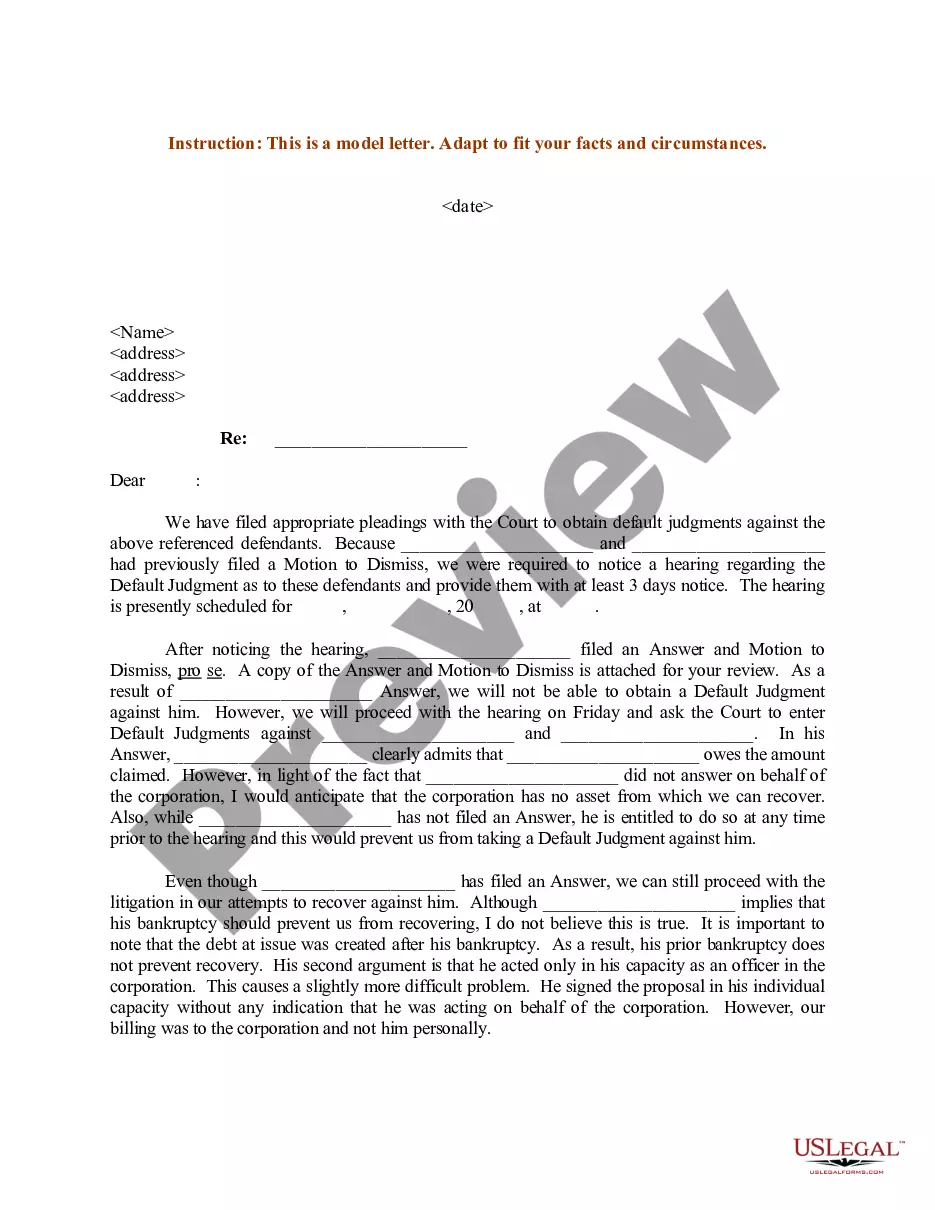

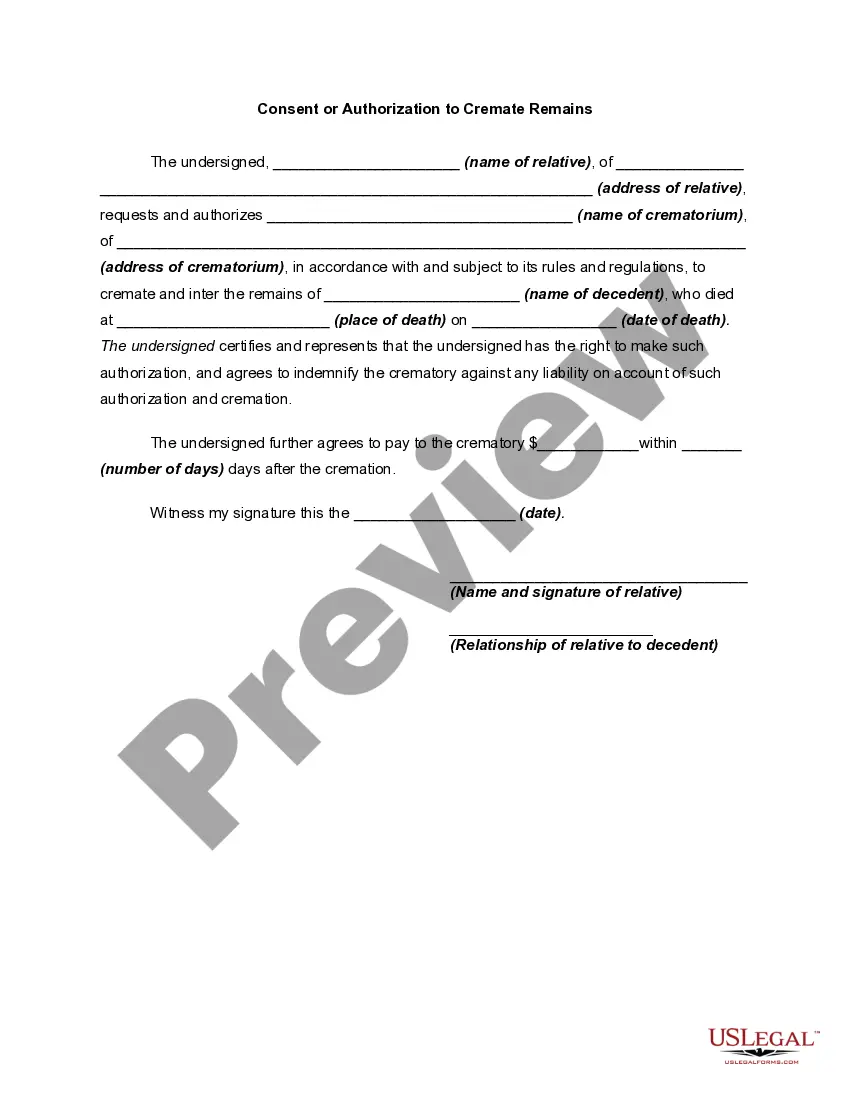

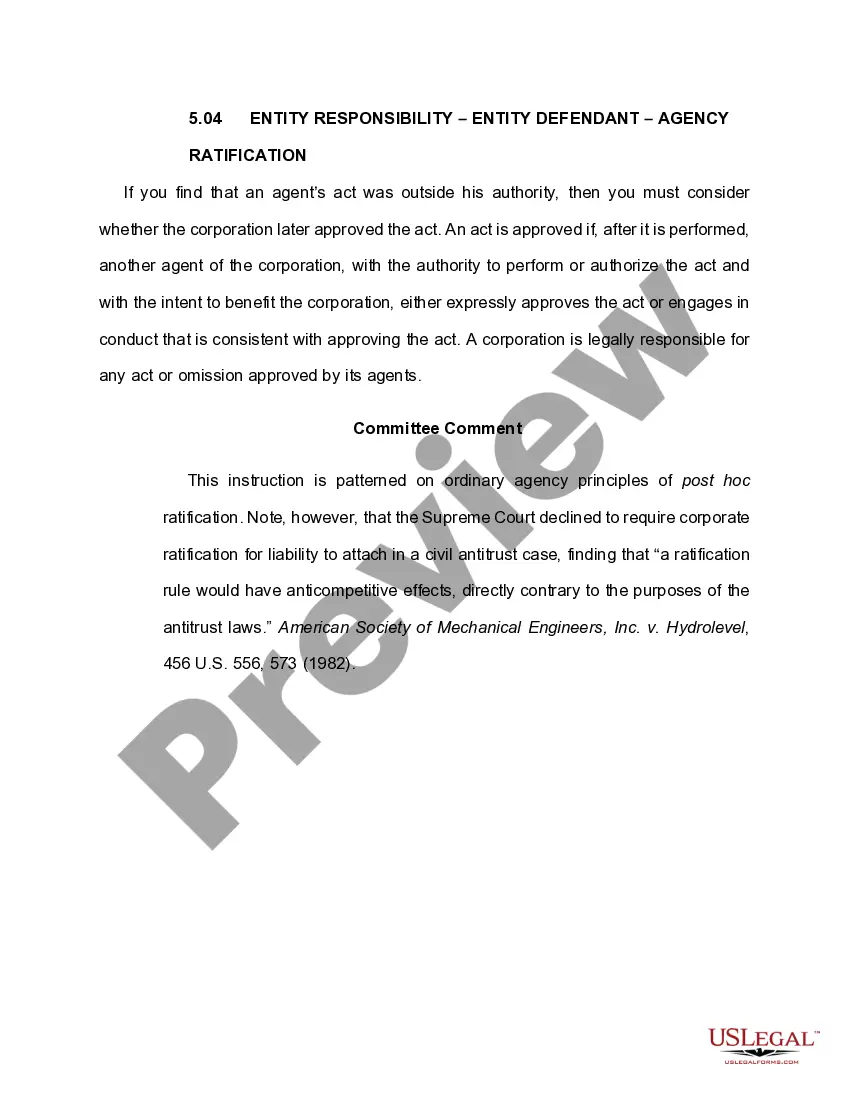
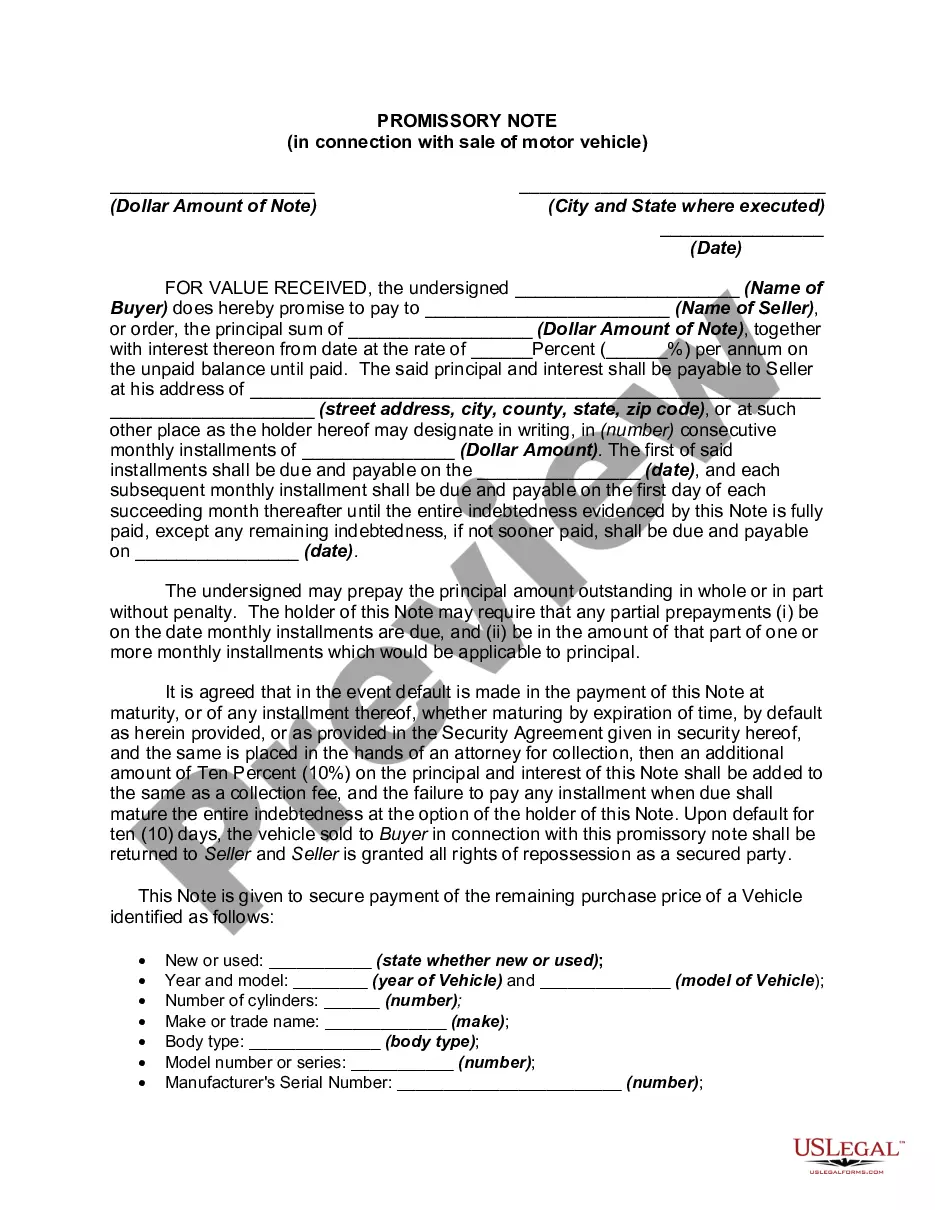
Form popularity
FAQ
Under Illinois law, to prove a claim for defamation, a person needs evidence to show that: The defendant made a false statement about the plaintiff, The false statement was made to a third party, The defendant was at least negligent in making the false statement, and. The plaintiff was damaged by the false statement.
Illinois courts have recognized four categories of statements that are considered defamatory per se: (1) words that impute the commission of a crime; (2) words that impute infection with a loathsome communicable disease; (3) words that impute an inability to perform or a want of integrity in the discharge of duties of ...
Generally, to win a defamation lawsuit, you must prove that: Someone made a statement; The statement was published; The statement caused your injury; The statement was false; and. The statement did not fall into a privileged category.
In Illinois, a defamation claim generally has three elements that the plaintiff the must prove in order to recover: (1) a false statement about the plaintiff; (2) made to a third party (also known as publication); (3) that harms the plaintiff's reputation.
The types of damages available for defamation per se in Illinois generally include presumed damages, as discussed above, and nominal damage. Punitive damages may also be available if the plaintiff can show that the defendant acted with actual malice.
A cease and desist letter is typically sent when someone is engaging in activities that violate your rights or cause harm, such as intellectual property infringement, harassment, or defamation. It's often the first step in addressing the issue without immediately resorting to legal action.
Illinois courts recognize a number of privileges and defenses in the context of defamation actions, including the fair report privilege, substantial truth, and the opinion and fair comment privileges. Illinois has neither recognized nor rejected the wire service defense and the neutral reportage privilege.
In Illinois, a defamation claim generally has three elements that the plaintiff the must prove in order to recover: (1) a false statement about the plaintiff; (2) made to a third party (also known as publication); (3) that harms the plaintiff's reputation.
Section15 of the Defamation Act 1996 applies qualified privilege to reports of public meetings that meet the statutory test. Lawful meetings held for the purpose of discussions of public interest could include local authority meetings, town hall debates or, as in this case, political rallies.
Absolute privilege, in defamation cases, refers to the fact that in certain circumstances, an individual is immune from liability for defamatory statements. Absolute privilege applies to statements made in certain contexts or in certain venues and is a complete defense .

