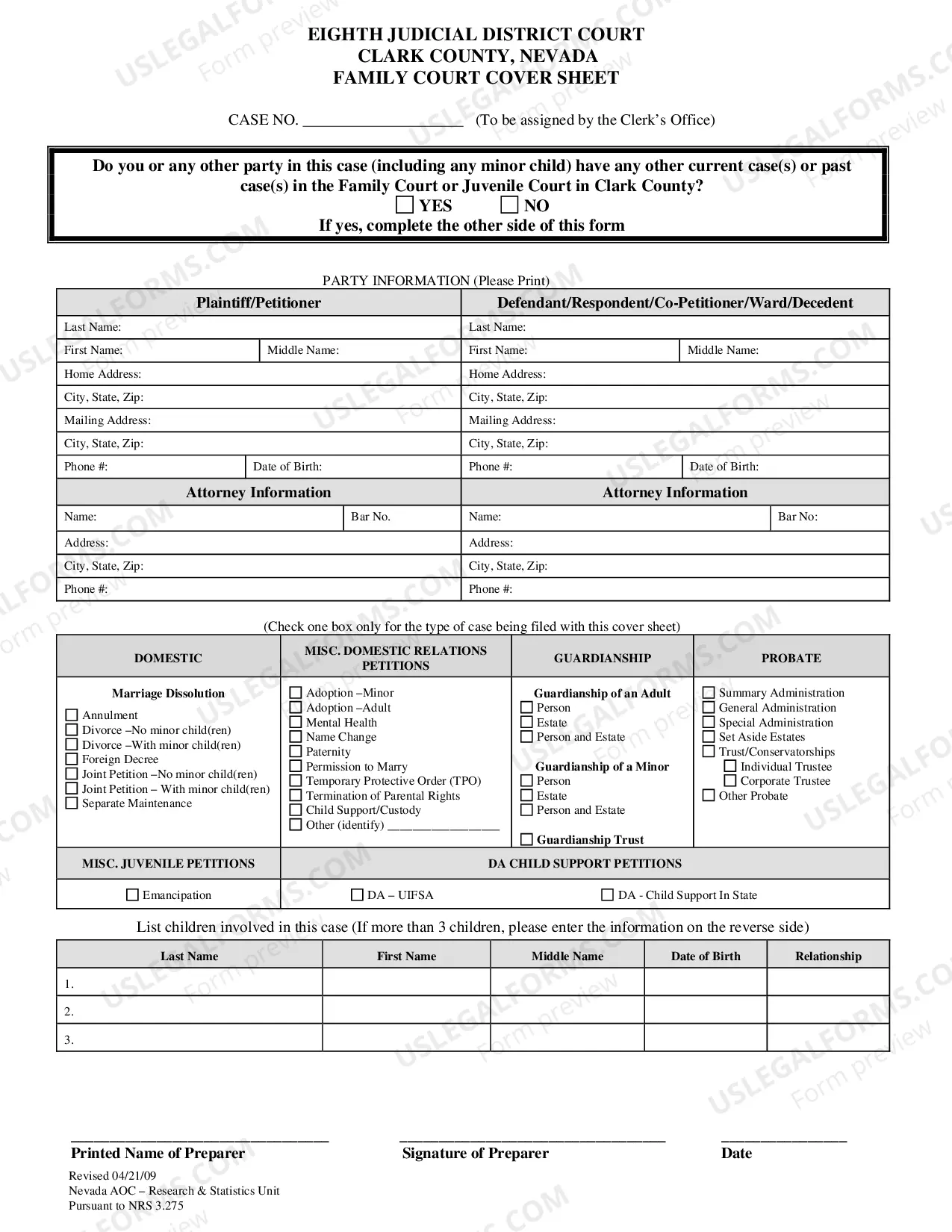
1.26 Dismissed/Withdrawn Defendant
What is this form?
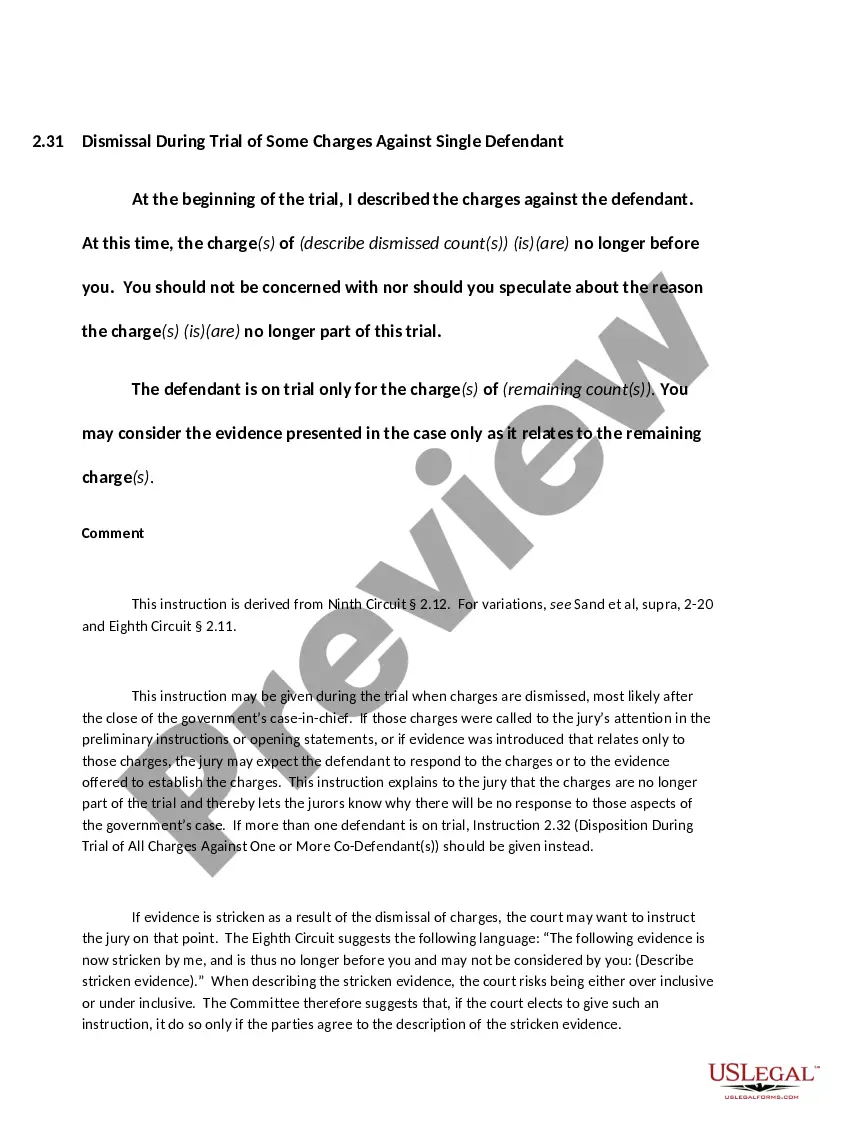
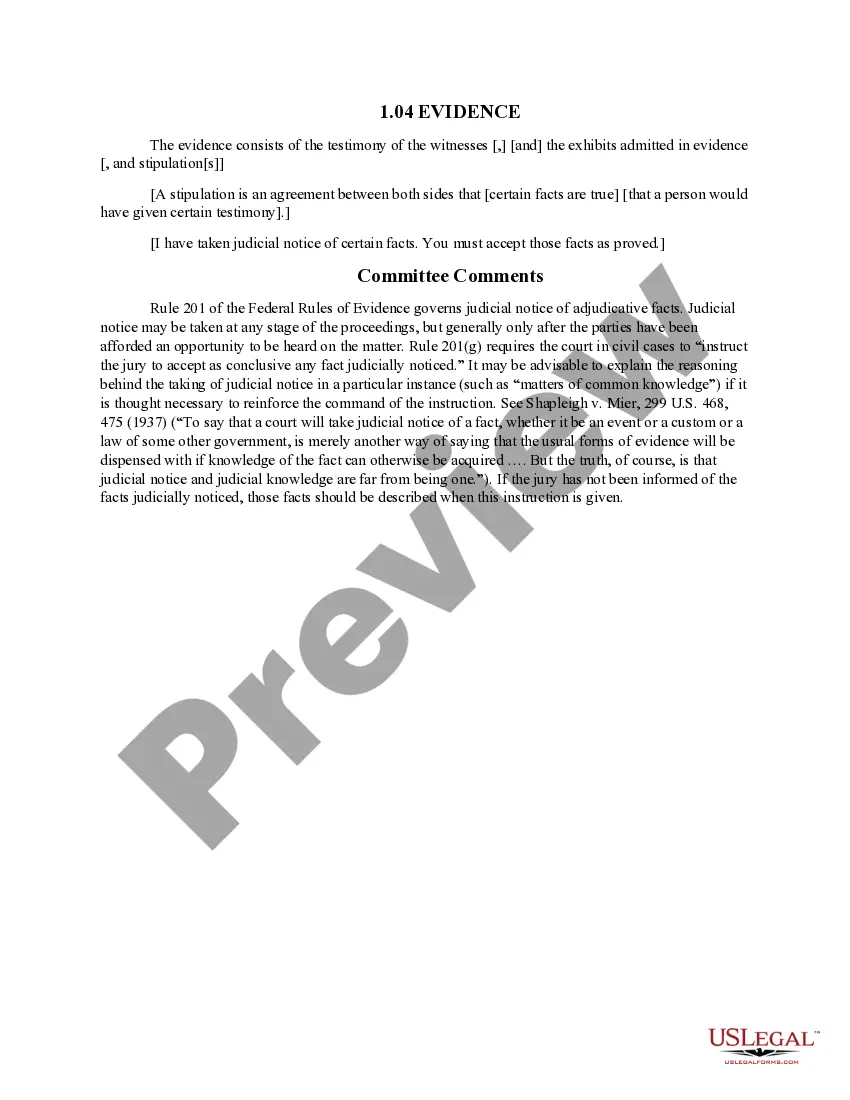
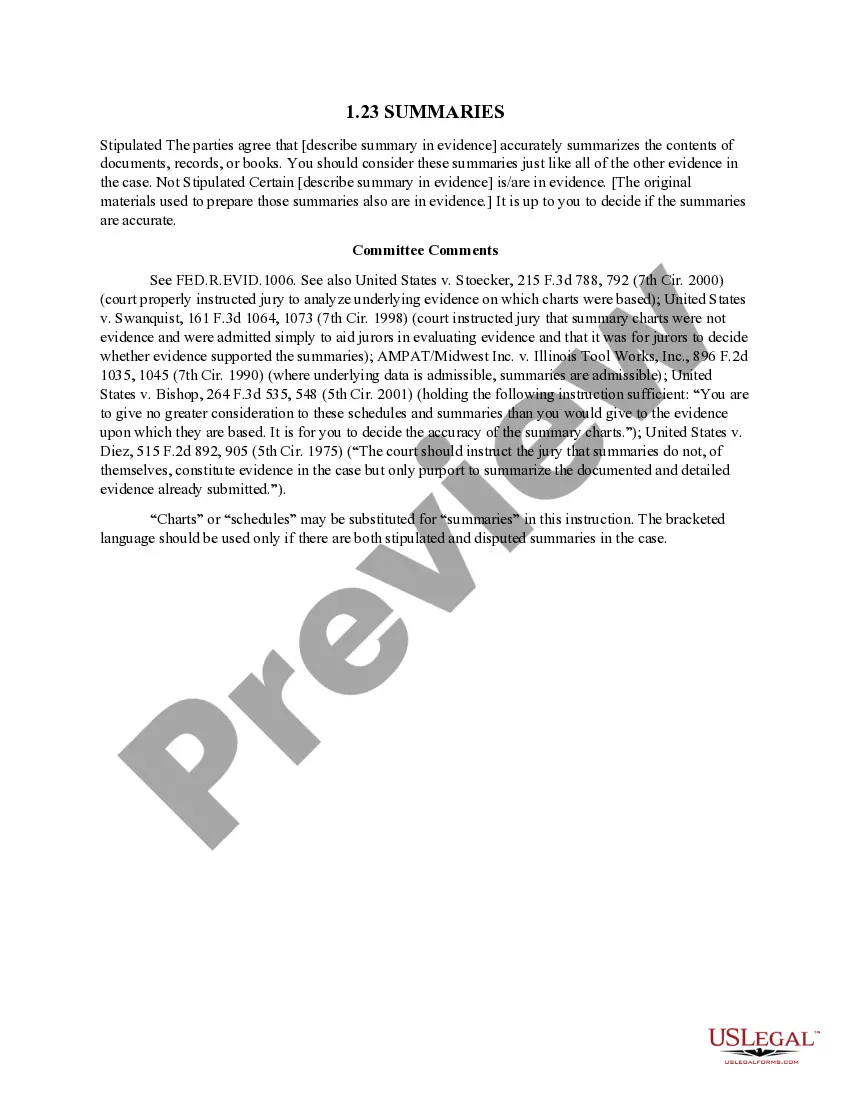
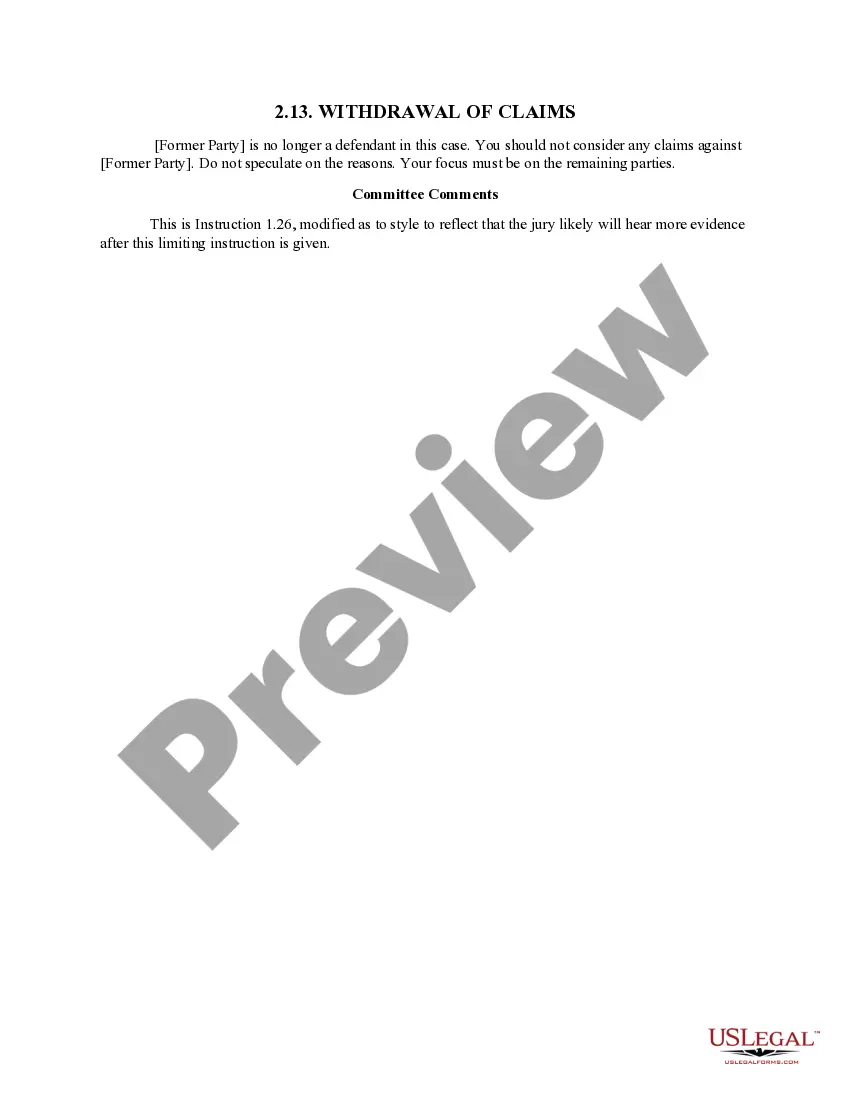
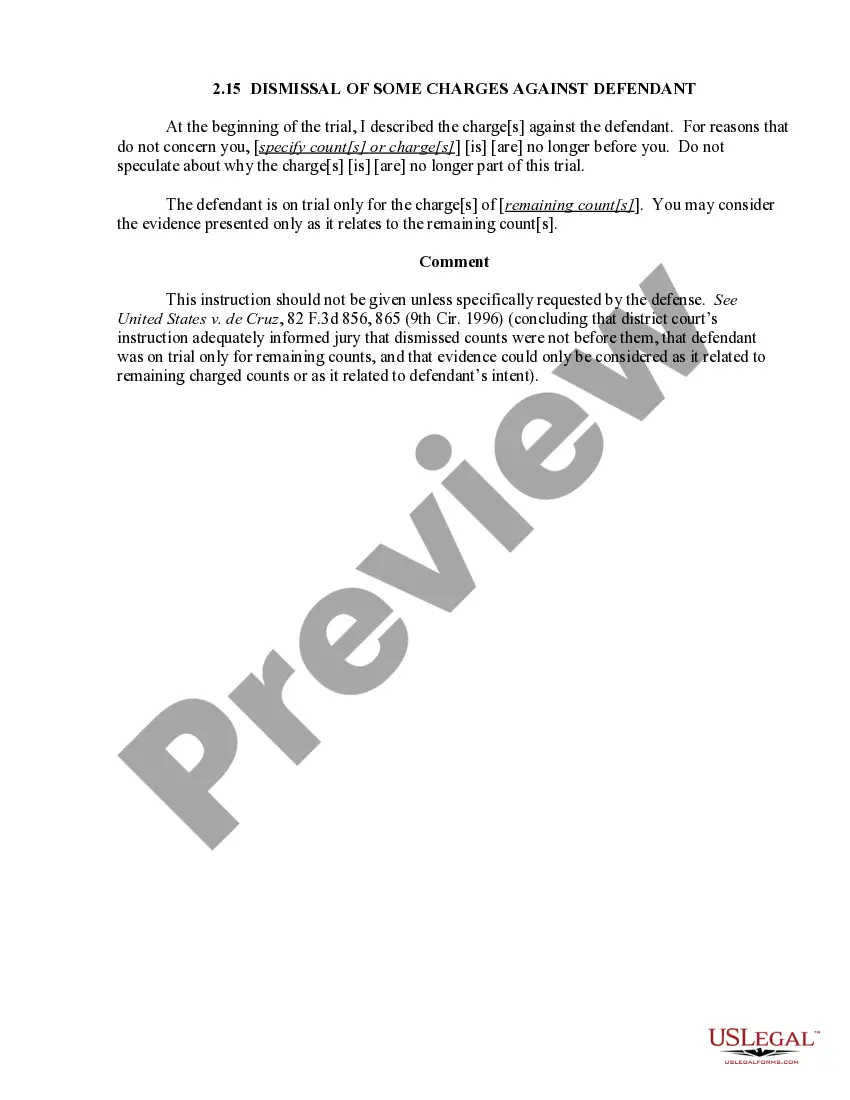
The 1.26 Dismissed/Withdrawn Defendant form is a legal document used in federal court cases. It indicates that a particular defendant has been dismissed or withdrawn from a lawsuit and informs the jury to disregard any claims against that former party. This form helps clarify the parties involved in the case, ensuring the jury focuses only on the remaining defendants and their claims. It is crucial in maintaining an unbiased judgment during legal proceedings.
Key components of this form
- Former Party Identification: This section specifies the defendant who has been dismissed from the case.
- Instructions to the Jury: The jury is directed not to consider any claims against the dismissed party.
- Decision Focus: This clause emphasizes that the jury should concentrate on the remaining parties involved in the case.
When this form is needed
This form should be utilized when a defendant has been officially removed from a legal case, either through a motion to dismiss or a withdrawal by the plaintiff. It is especially pertinent in federal court cases where clarity about the parties involved is essential for jury members. Using this form ensures that the proceedings are fair and that the jury is not influenced by irrelevant information regarding a dismissed party.
Who can use this document
- Legal practitioners handling federal court cases.
- Plaintiffs or defendants looking to formally dismiss a co-defendant from a lawsuit.
- Judges and court personnel managing jury instructions in related cases.
How to prepare this document
- Identify the dismissed/who has withdrawn as a defendant.
- Fill in the necessary details regarding the former party.
- Ensure clarity in the instructional language directed to the jury.
- Review the form to confirm that all relevant information is present.
- File the completed form with the court as part of the case records.
Does this document require notarization?
This form does not typically require notarization unless specified by local law. Ensure to check the local regulations governing the filing of court documents in your jurisdiction.
Get your form ready online
Our built-in tools help you complete, sign, share, and store your documents in one place.
Make edits, fill in missing information, and update formatting in US Legal Forms—just like you would in MS Word.
Download a copy, print it, send it by email, or mail it via USPS—whatever works best for your next step.
Sign and collect signatures with our SignNow integration. Send to multiple recipients, set reminders, and more. Go Premium to unlock E-Sign.
If this form requires notarization, complete it online through a secure video call—no need to meet a notary in person or wait for an appointment.
We protect your documents and personal data by following strict security and privacy standards.

Make edits, fill in missing information, and update formatting in US Legal Forms—just like you would in MS Word.

Download a copy, print it, send it by email, or mail it via USPS—whatever works best for your next step.

Sign and collect signatures with our SignNow integration. Send to multiple recipients, set reminders, and more. Go Premium to unlock E-Sign.

If this form requires notarization, complete it online through a secure video call—no need to meet a notary in person or wait for an appointment.

We protect your documents and personal data by following strict security and privacy standards.
Common mistakes to avoid
- Failing to correctly identify the dismissed defendant.
- Not providing clear instructions to the jury as described in the form.
- Overlooking to file the form with the court after completion.
Advantages of online completion
- Convenience of immediate download and completion at your own pace.
- Editability allows users to customize the form as needed.
- Access to legally sound templates developed by licensed attorneys.
Looking for another form?
Form popularity
FAQ
Dismissal means charges are dropped and cannot be brought back. Nolle Prossequi, often called Nolle Pros or Withdrawl, means the charges will not be pursued unless a certain set of conditions happens for one year and if such conditions do not occur, the charges are set aside, not dismissed.
The term ?case withdrawn? means that court has decided, after evaluating the merits of a specific case, that there is no need to continue the trial and arrive at a conclusion of guilty or not guilty.
A quick definition of withdrawal of charges: Withdrawal of charges means that the person who brought the charges, like a prosecutor, has decided to take them back.
The term ?case withdrawn? means that court has decided, after evaluating the merits of a specific case, that there is no need to continue the trial and arrive at a conclusion of guilty or not guilty.
Abandonment and withdrawal is an affirmative criminal defense that arises when a defendant asserts that he or she never completed, or was not involved in, a criminal act because he or she abandoned or withdrew from the act prior to it happening.
Withdrawal from representation, in United States law, occurs where an attorney terminates a relationship of representing a client.
Dismissal means charges are dropped and cannot be brought back. Nolle Prossequi, often called Nolle Pros or Withdrawl, means the charges will not be pursued unless a certain set of conditions happens for one year and if such conditions do not occur, the charges are set aside, not dismissed.