Slander Or Libel On Facebook In Hillsborough
Description

Get your form ready online
Our built-in tools help you complete, sign, share, and store your documents in one place.
Make edits, fill in missing information, and update formatting in US Legal Forms—just like you would in MS Word.
Download a copy, print it, send it by email, or mail it via USPS—whatever works best for your next step.
Sign and collect signatures with our SignNow integration. Send to multiple recipients, set reminders, and more. Go Premium to unlock E-Sign.
If this form requires notarization, complete it online through a secure video call—no need to meet a notary in person or wait for an appointment.
We protect your documents and personal data by following strict security and privacy standards.

Make edits, fill in missing information, and update formatting in US Legal Forms—just like you would in MS Word.

Download a copy, print it, send it by email, or mail it via USPS—whatever works best for your next step.

Sign and collect signatures with our SignNow integration. Send to multiple recipients, set reminders, and more. Go Premium to unlock E-Sign.

If this form requires notarization, complete it online through a secure video call—no need to meet a notary in person or wait for an appointment.

We protect your documents and personal data by following strict security and privacy standards.
Looking for another form?



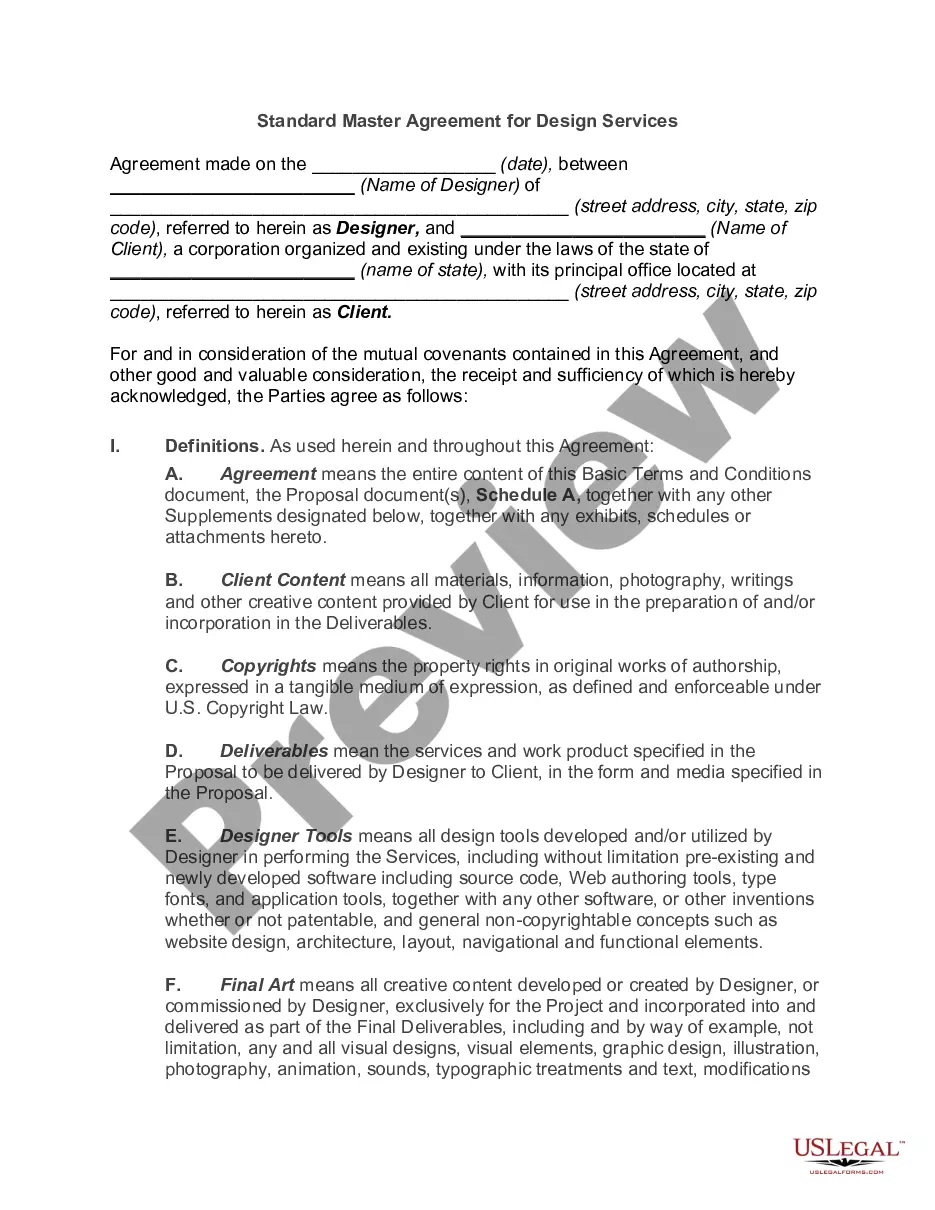






Form popularity
FAQ
Libel is defamation in a permanent form (e.g. written), slander is temporary (e.g. spoken). With some exceptions, it is normally necessary to prove actual loss to bring a slander claim, whereas in libel claims you will normally automatically be entitled to compensation (provided that the 'serious harm' test is met).
If you can successfully prove defamation, either by libel or slander, you can recoup damages related to your actual monetary losses. In addition, you can win damages for mental anguish and emotional distress caused by the defamation.
Is slander illegal? In England and Wales, slander is not a criminal offence. However, slander is a civil wrong. Therefore, a slanderer will be held liable for their actions, and the victim will have the right to take legal action against them and gain compensation for any losses.
Defamation that causes long-term damage, particularly if it affects your career, social standing, or personal life, will result in higher damages than something short-term that might be forgotten within a year. The more severe and lasting the harm, the greater the compensation.
What Are The 5 Elements Of Defamation? Publication Of Information Is Required. The Person Being Defamed Was Identified By The Statement. The Remarks Had A Negative Impact On The Person's Reputation. The Published Information Is Demonstrably False. The Defendant Is At Fault.
Use the Find Support or Report link to report it to them. They should act on it, but it may take some time. Often, FB outright bans the individual or warns them, first.
Untrue statements are now only actionable if they have caused or are likely to cause serious harm to the claimant's reputation. Claimants must therefore demonstrate that the defamatory statement has had a tangible negative impact on their reputation, in real life.
Bringing a lawsuit against someone for something they said on Facebook is no different than any other type of slander case. The plaintiff must prove the above elements. On Facebook, the slanderous comments would need to be in the form of a video or livestream, as written comments on Facebook would be considered libel.
When something gets reported to Facebook, we'll review it and take action on anything we determine doesn't follow our Community Standards. Unless you're reporting an incident of intellectual property infringement, your report will be kept confidential and the account you reported won't see who reported them.
Consider reaching out to the person privately, expressing your concerns and asking them to stop. If that doesn't work, report the defamatory comments to Facebook, providing evidence if possible.

