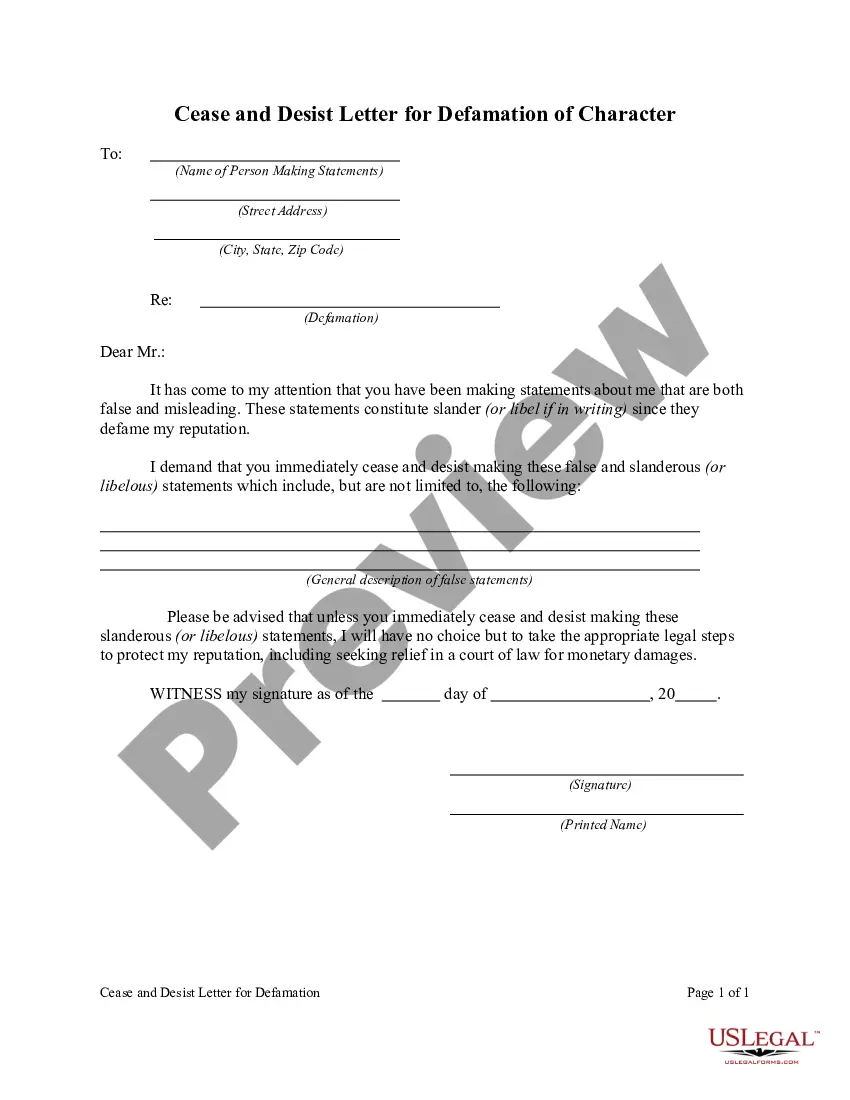
Defamation Of Character Law In Netherlands
Description
Get your form ready online
Our built-in tools help you complete, sign, share, and store your documents in one place.
Make edits, fill in missing information, and update formatting in US Legal Forms—just like you would in MS Word.
Download a copy, print it, send it by email, or mail it via USPS—whatever works best for your next step.
Sign and collect signatures with our SignNow integration. Send to multiple recipients, set reminders, and more. Go Premium to unlock E-Sign.
If this form requires notarization, complete it online through a secure video call—no need to meet a notary in person or wait for an appointment.
We protect your documents and personal data by following strict security and privacy standards.

Make edits, fill in missing information, and update formatting in US Legal Forms—just like you would in MS Word.

Download a copy, print it, send it by email, or mail it via USPS—whatever works best for your next step.

Sign and collect signatures with our SignNow integration. Send to multiple recipients, set reminders, and more. Go Premium to unlock E-Sign.

If this form requires notarization, complete it online through a secure video call—no need to meet a notary in person or wait for an appointment.

We protect your documents and personal data by following strict security and privacy standards.
Looking for another form?
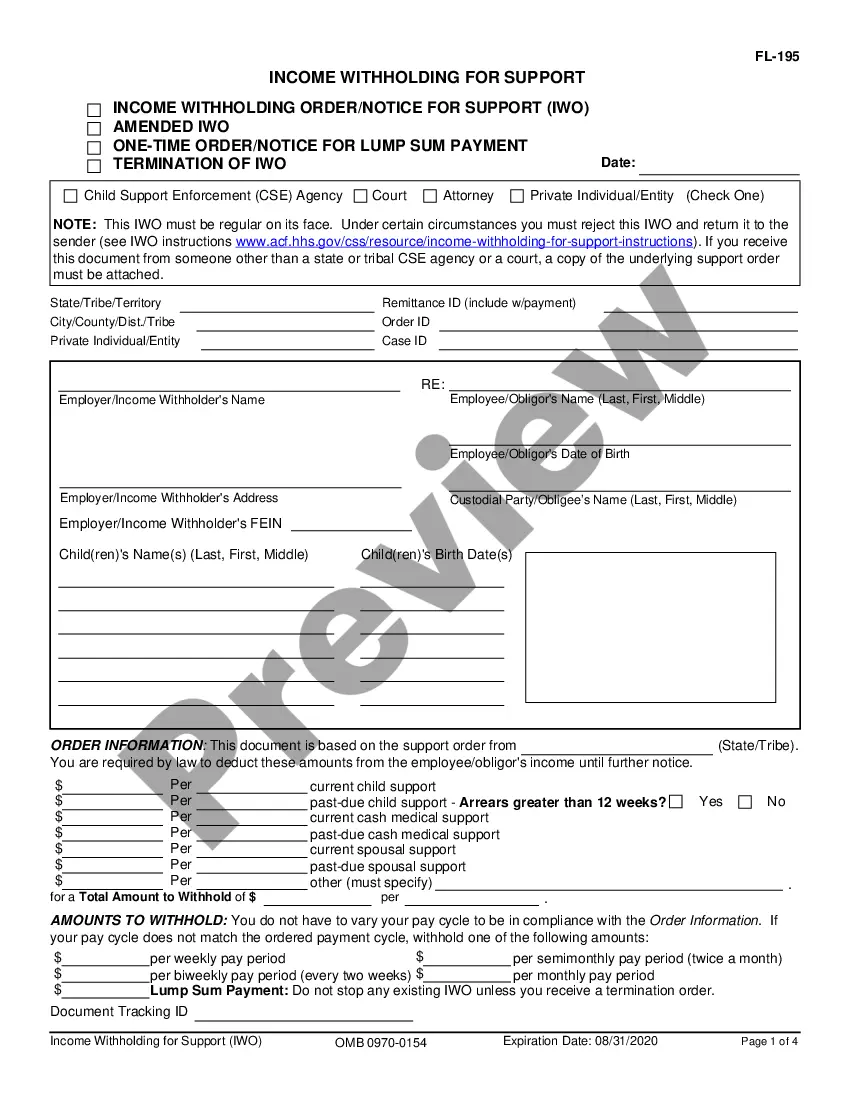
How to fill out Cease And Desist Letter For Libelous Or Slanderous Statements - Defamation Of Character?
Whether for commercial reasons or for personal issues, individuals inevitably confront legal circumstances at some point in their lives.
Filling out legal forms requires meticulous care, starting with selecting the appropriate template.
Once downloaded, you can complete the form using editing software or print it and fill it out by hand. With a vast US Legal Forms collection available, you will never need to waste time searching for the right template online. Utilize the library’s user-friendly navigation to find the suitable template for any situation.
- Acquire the document you require via the search tool or catalog browsing.
- Review the form’s details to ensure it matches your situation, state, and locality.
- Click on the form’s preview to inspect it.
- If it is not the correct document, return to the search tool to find the Defamation Of Character Law In Netherlands template you need.
- Download the template once it corresponds with your requirements.
- If you already possess a US Legal Forms account, simply click Log in to access previously saved documents in My documents.
- If you don’t have an account yet, you can download the document by clicking Buy now.
- Select the appropriate pricing option.
- Complete the account registration form.
- Choose your payment method: you can utilize a credit card or PayPal account.
- Select the file format you prefer and download the Defamation Of Character Law In Netherlands.
Form popularity
FAQ
Yes, defamation is illegal in the Netherlands under the defamation of character law, which provides for the protection of individuals against false statements that damage their reputation. Offenders may face criminal charges, civil penalties, or both, depending on the nature of the defamation. This legal protection underscores the importance of truthful communication and accountability in public discourse.
The Dutch law code, known as the 'Wetboek van Strafrecht,' outlines various legal statutes, including those addressing defamation and character rights. This legal framework establishes the rules governing behavior and enables individuals to seek redress for violations under the defamation of character law in the Netherlands. Familiarity with this code can empower you to navigate legal challenges more effectively.
In the context of defamation of character law in the Netherlands, the burden of proof lies primarily with the plaintiff, meaning that the person claiming defamation must demonstrate that the statements made were false and harmful to their reputation. This often requires solid evidence and potentially witness testimonies to establish the claim. Being prepared with documentation can significantly aid in supporting your case.
Slander involves making false spoken statements that damage a person's reputation, whereas an insult is a broader term that includes any disrespectful or offensive remark. While both can be harmful, defamation of character law in the Netherlands focuses on the proven truthfulness of statements. Thus, it is essential to understand the context and intent behind the words used.
Yes, you can sue someone in the Netherlands if you believe they have defamed you or violated your rights to your reputation. The legal system provides you the necessary framework to pursue claims related to defamation of character law in the Netherlands. Consulting a legal expert can help clarify your options and guide you through the process effectively.
Article 261 of the Dutch Criminal Code addresses defamation and lays out the framework for legal consequences related to defaming someone’s character. This article plays a crucial role in upholding the rights of individuals under the defamation of character law in the Netherlands. It ensures that people can seek justice against false statements that threaten their livelihood and honor.
Slander refers specifically to spoken statements that harm a person's reputation, while defamation encompasses both slander and libel, which involves written statements. Understanding this distinction is key when dealing with defamation of character law in the Netherlands. Defamation laws in the Netherlands aim to protect individuals from false accusations that can damage their reputation or career.
Filing a defamation claim involves several steps under the defamation of character law in Netherlands. First, gather all relevant evidence, including witness accounts and documents that support your case. Next, consult with a legal professional to guide you through the process of drafting your claim. They can help you navigate the legal system efficiently, ensuring all paperwork is correctly filled out and submitted.
To succeed in a defamation lawsuit, you must provide proof that the statements made were false and damaging according to the defamation of character law in Netherlands. This often includes documentation or witness testimony that illustrates how the statements harmed your reputation. Additionally, demonstrating the intent or negligence of the person making the statements can strengthen your case. Consider working with a legal expert for guidance on assembling the necessary evidence.
Writing a defamation claim requires a clear understanding of the allegations and the context under the defamation of character law in Netherlands. You should clearly articulate how the statements made about you are false and harmful to your reputation. It is crucial to include specific instances and provide evidence to support your claims. A legal professional can assist in crafting a compelling document that effectively conveys your case.