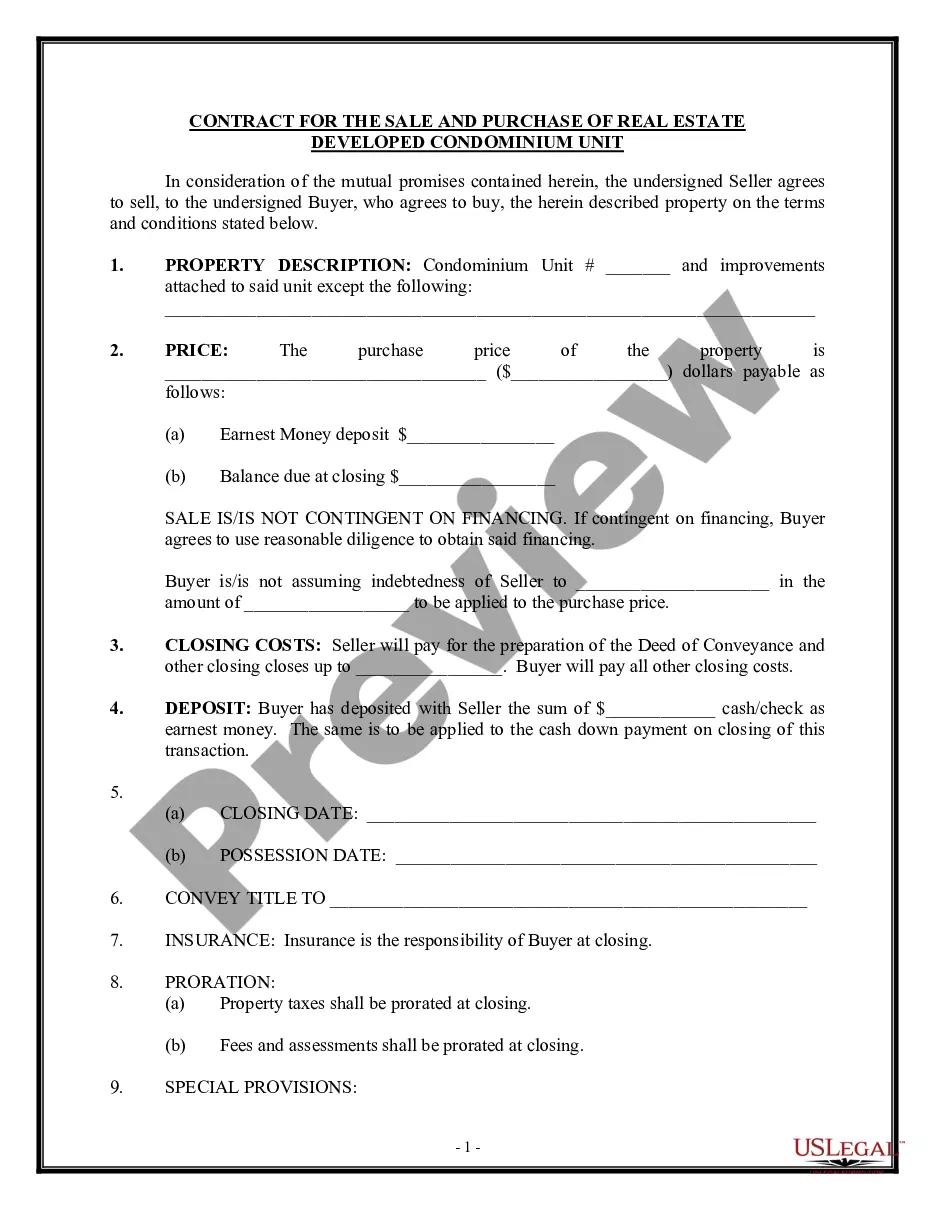
Cease And Desist For Defamation In Chicago
Description

Get your form ready online
Our built-in tools help you complete, sign, share, and store your documents in one place.
Make edits, fill in missing information, and update formatting in US Legal Forms—just like you would in MS Word.
Download a copy, print it, send it by email, or mail it via USPS—whatever works best for your next step.
Sign and collect signatures with our SignNow integration. Send to multiple recipients, set reminders, and more. Go Premium to unlock E-Sign.
If this form requires notarization, complete it online through a secure video call—no need to meet a notary in person or wait for an appointment.
We protect your documents and personal data by following strict security and privacy standards.

Make edits, fill in missing information, and update formatting in US Legal Forms—just like you would in MS Word.

Download a copy, print it, send it by email, or mail it via USPS—whatever works best for your next step.

Sign and collect signatures with our SignNow integration. Send to multiple recipients, set reminders, and more. Go Premium to unlock E-Sign.

If this form requires notarization, complete it online through a secure video call—no need to meet a notary in person or wait for an appointment.

We protect your documents and personal data by following strict security and privacy standards.
Looking for another form?


Form popularity
FAQ
The Illinois Supreme Court considers five types of statements to be defamatory per se: (1) accusing a person of committing a crime, (2) accusing a person of being infected with a “loathsome communicable disease,” (3) accusing a person of lacking ability or integrity in the performance of job duties, (4) statements that ...
A cease and desist letter is typically sent when someone is engaging in activities that violate your rights or cause harm, such as intellectual property infringement, harassment, or defamation. It's often the first step in addressing the issue without immediately resorting to legal action.
If you decide to do it alone, your letter should state the specific defamatory statements made, confirm that they are defamatory, indicate the reputational harm caused, demand an apology and retraction of those statements, and demand that they cease making further statements failing which you will sue them.
The statute of limitations for defamation in Illinois is one (1) year. 735 ILCS 5/13-201. It states: Defamation – Privacy.
The types of damages available for defamation per se in Illinois generally include presumed damages, as discussed above, and nominal damage. Punitive damages may also be available if the plaintiff can show that the defendant acted with actual malice. Each type of damage is discussed below. Nominal damages.
Under Illinois law, to prove a claim for defamation, a person needs evidence to show that: The defendant made a false statement about the plaintiff, The false statement was made to a third party, The defendant was at least negligent in making the false statement, and. The plaintiff was damaged by the false statement.
What to do if you receive one Stay calm. It's natural to feel anxious and angry when you receive a Cease and Desist Letter. Do your research. Read over the claim and try to figure out what the letter is actually saying. Speak to a lawyer. Ignore it. Comply with it. Mount a defence. Consider the future.
A defamation cease and desist letter threatens legal action against people or businesses spreading lies about you or your company. The letter warns them to stop immediately or face the consequences.
Defamation is when someone makes untrue statements about a third party that damages their reputation. Most defamation disputes begin with a cease and desist letter. The letter's main purpose is to stop the further publication of the defamatory statements and make the other side remove their statement.
I demand that you immediately:- Remove all defamatory content directed towards (Your Business). - Cease and desist from making any further false statements. ```You would typically send this letter through certified mail or another method where you can confirm receipt.