Slander For Title In Arizona
Description

Get your form ready online
Our built-in tools help you complete, sign, share, and store your documents in one place.
Make edits, fill in missing information, and update formatting in US Legal Forms—just like you would in MS Word.
Download a copy, print it, send it by email, or mail it via USPS—whatever works best for your next step.
Sign and collect signatures with our SignNow integration. Send to multiple recipients, set reminders, and more. Go Premium to unlock E-Sign.
If this form requires notarization, complete it online through a secure video call—no need to meet a notary in person or wait for an appointment.
We protect your documents and personal data by following strict security and privacy standards.

Make edits, fill in missing information, and update formatting in US Legal Forms—just like you would in MS Word.

Download a copy, print it, send it by email, or mail it via USPS—whatever works best for your next step.

Sign and collect signatures with our SignNow integration. Send to multiple recipients, set reminders, and more. Go Premium to unlock E-Sign.

If this form requires notarization, complete it online through a secure video call—no need to meet a notary in person or wait for an appointment.

We protect your documents and personal data by following strict security and privacy standards.
Looking for another form?






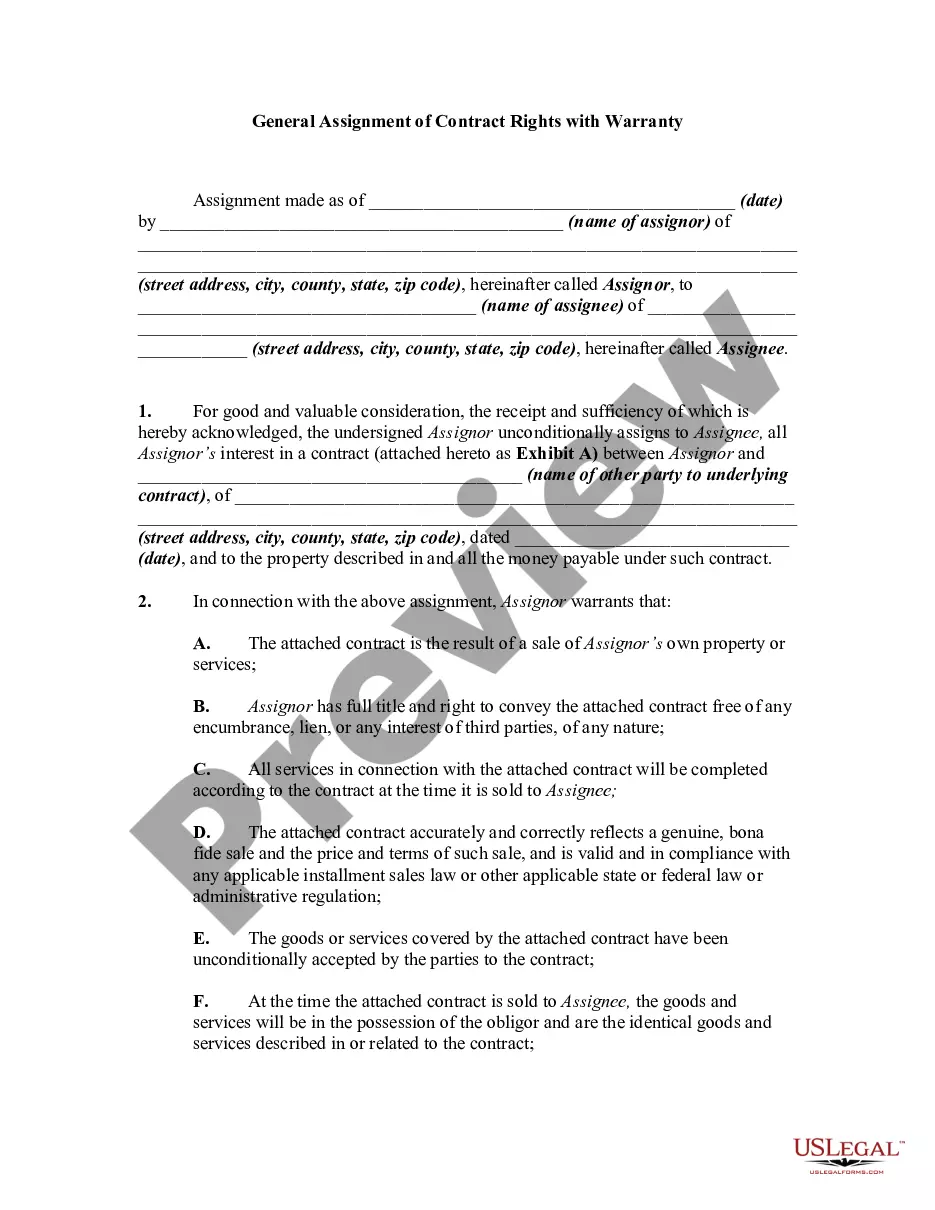


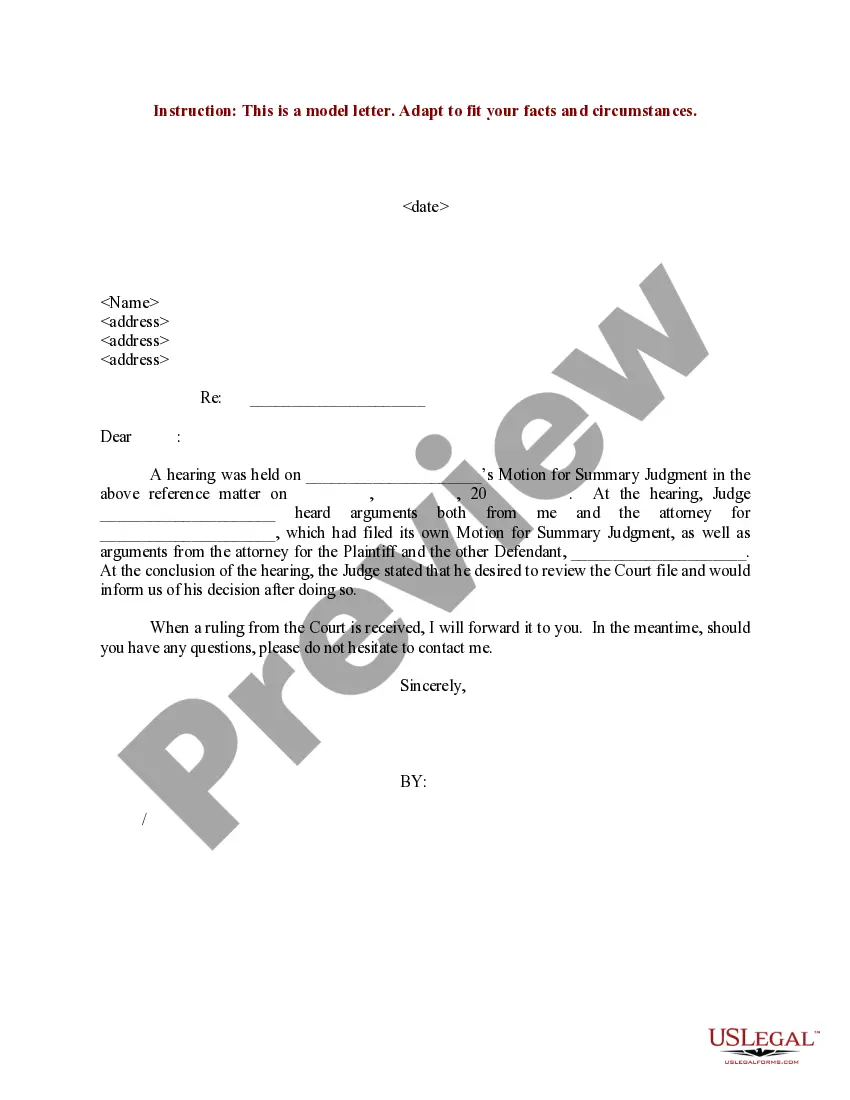
Form popularity
FAQ
A quiet title action simply is a lawsuit for the court to declare who owns title to real property or to decide competing claims to real property. Now typically, in a quiet title action, a winning party is not entitled to recover attorney's fees.
In Arizona, a statement that does any of the following is slander per se: Charges a contagious or venereal disease, or that woman is not chaste; or. Tends to injure a person in his profession, trade, or business; or. Imputes the commission of a crime involving moral turpitude.
The legal term for recording false documents is slander of title. A person who causes a wrongful recording is not strictly liable for slander of title, because the property owner must also prove that the person knew or should have known that the document was groundless.
In Arizona, you can file a complaint to quiet title under oath with the help of a lawyer. You must describe the claim and provide details about how the defendant is affecting you and your title.
In Arizona, a statement that does any of the following is slander per se: Charges a contagious or venereal disease, or that woman is not chaste; or. Tends to injure a person in his profession, trade, or business; or. Imputes the commission of a crime involving moral turpitude.
Publishing false information about another business's product constitutes the tort of slander of quality, or trade libel. In some states, this is known as the tort of product disparagement. It may be difficult to establish damages, however.
Filing a complaint: To initiate a quiet title action in Arizona, you or your attorney must file a complaint with the appropriate court. This document outlines the basis for your claim and requests the court to determine the rightful owner of the property.
Therefore, in general, the statute of limitations can never be used to bar a quiet title action. However, there may be an exception to the general rule where the plaintiff does not have undisturbed possession of the disputed property. In Rogers v. Board of Regents of University of Arizona, 233 Ariz.

