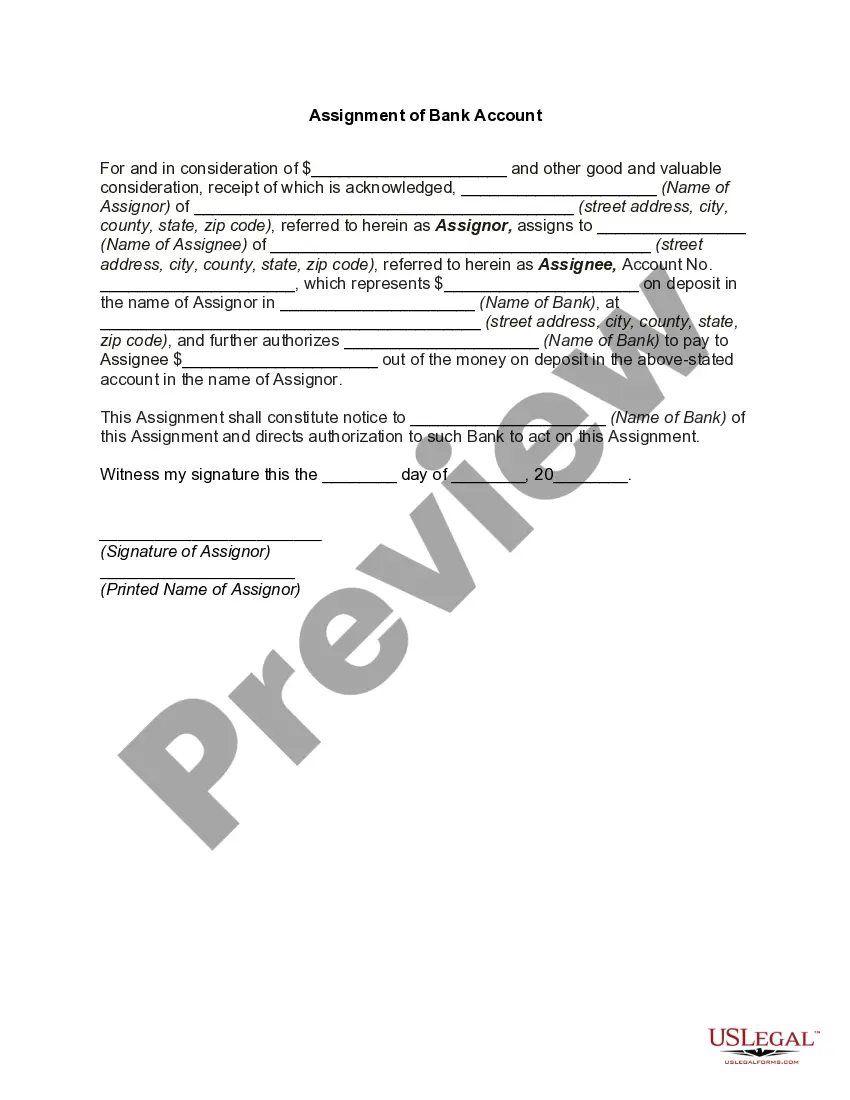
Money Owed For In Massachusetts
Description
Get your form ready online
Our built-in tools help you complete, sign, share, and store your documents in one place.
Make edits, fill in missing information, and update formatting in US Legal Forms—just like you would in MS Word.
Download a copy, print it, send it by email, or mail it via USPS—whatever works best for your next step.
Sign and collect signatures with our SignNow integration. Send to multiple recipients, set reminders, and more. Go Premium to unlock E-Sign.
If this form requires notarization, complete it online through a secure video call—no need to meet a notary in person or wait for an appointment.
We protect your documents and personal data by following strict security and privacy standards.

Make edits, fill in missing information, and update formatting in US Legal Forms—just like you would in MS Word.

Download a copy, print it, send it by email, or mail it via USPS—whatever works best for your next step.

Sign and collect signatures with our SignNow integration. Send to multiple recipients, set reminders, and more. Go Premium to unlock E-Sign.

If this form requires notarization, complete it online through a secure video call—no need to meet a notary in person or wait for an appointment.

We protect your documents and personal data by following strict security and privacy standards.
Looking for another form?









Form popularity
FAQ
The small claims court limit is between $3,000 and $10,000, depending on the state where the court takes place. Almost anyone can file a claim if they are 18 years old or older, legally emancipated, and mentally competent.
Contact the responsible state government department as the unclaimed monies may be either registered with that department or depending on the time that has lapsed, held by the department. IMPORTANT – if you discover you have lost shares, make sure you contact the company's share registry and provide your new details.
In Massachusetts, property becomes "unclaimed" when the owner can't be contacted for a 3-year period. Businesses must review their records every year for unclaimed properties. If any are found, they must make a report of them.
To file suit, you must fill out a Statement of Claim and Notice form. Get this from the Small Claims Clerk in your district. Your claim may be filed in person or by mail. However, when the papers are sent by mail to the clerk, the action is not commenced until the papers are actually received.
After a designated period of time (called the dormancy period) with no activity or contact, the property becomes “unclaimed” and—by law—must be turned over to the state.
Ing to Massachusetts Abandoned Property Law, any financial asset that has been inactive for more than 3 years is declared abandoned and turned over to the State Treasury. All uncashed checks (non-payroll) are considered Abandoned Property after 3 years, and we are required by law to due diligence on these checks.

