High Risk For Activity Intolerance In Georgia
Description


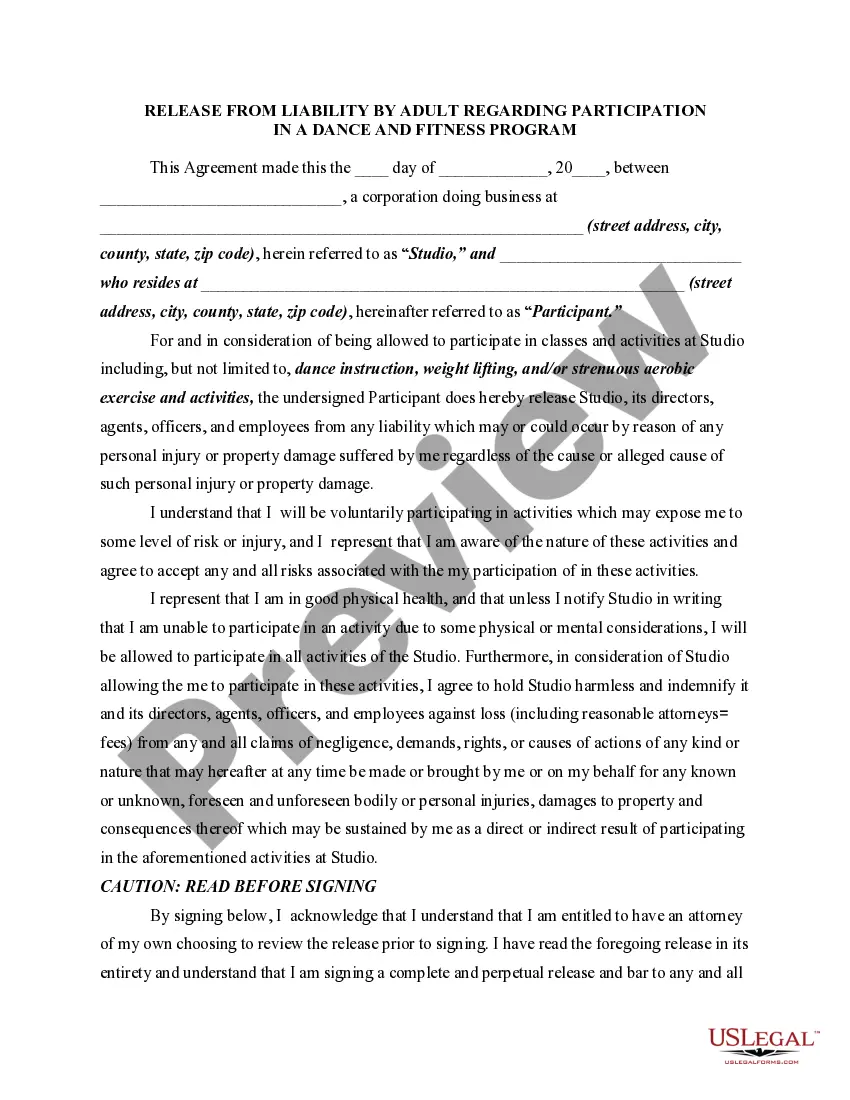
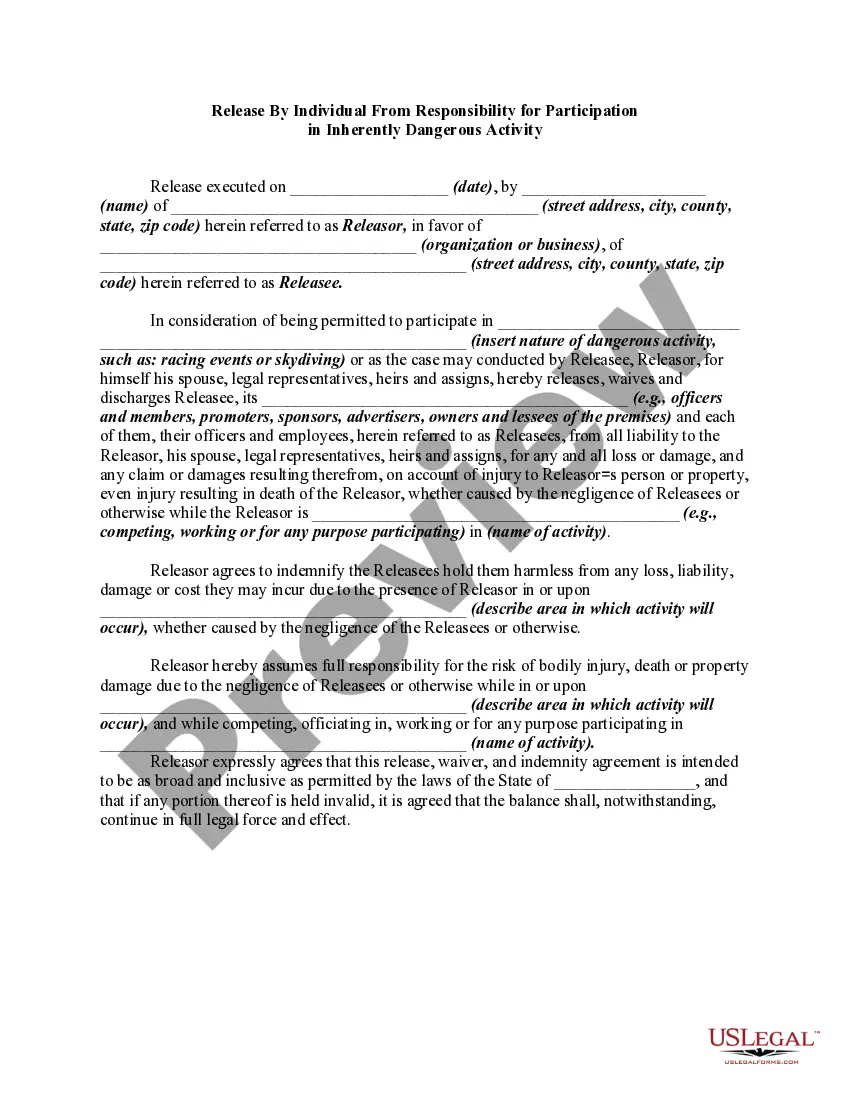
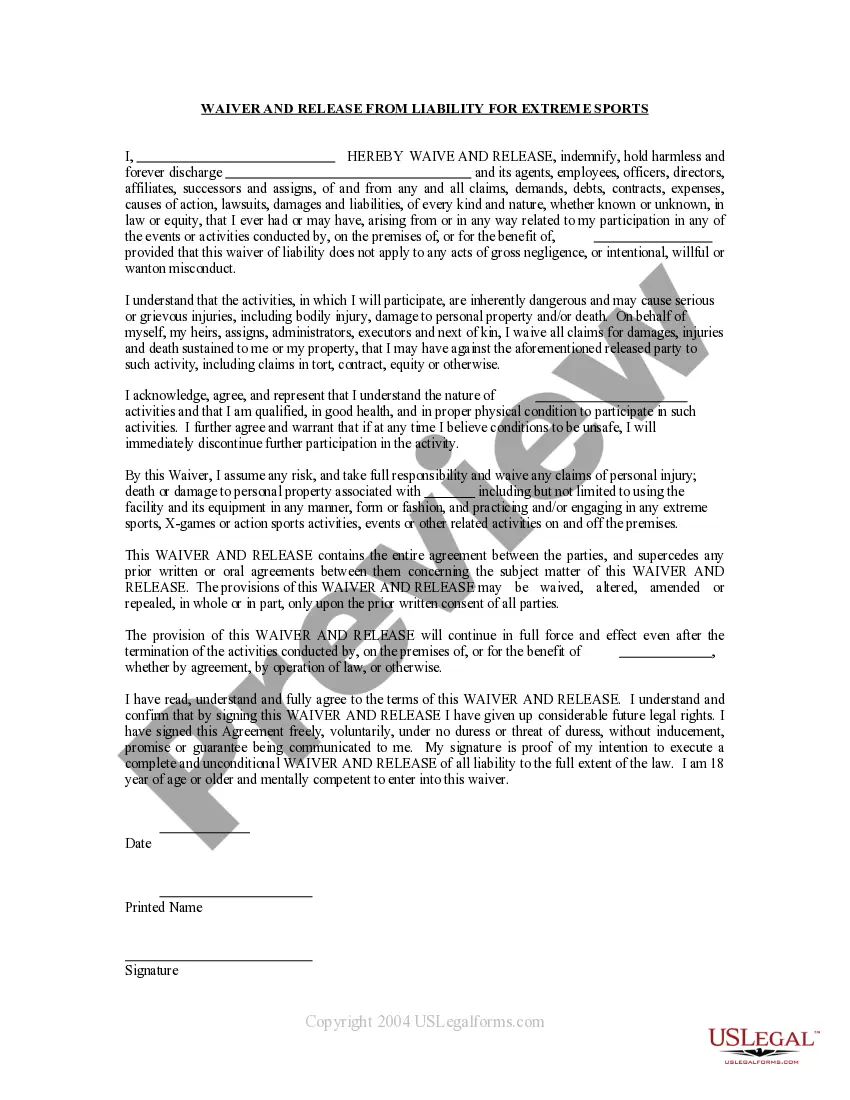
Get your form ready online
Our built-in tools help you complete, sign, share, and store your documents in one place.
Make edits, fill in missing information, and update formatting in US Legal Forms—just like you would in MS Word.
Download a copy, print it, send it by email, or mail it via USPS—whatever works best for your next step.
Sign and collect signatures with our SignNow integration. Send to multiple recipients, set reminders, and more. Go Premium to unlock E-Sign.
If this form requires notarization, complete it online through a secure video call—no need to meet a notary in person or wait for an appointment.
We protect your documents and personal data by following strict security and privacy standards.

Make edits, fill in missing information, and update formatting in US Legal Forms—just like you would in MS Word.

Download a copy, print it, send it by email, or mail it via USPS—whatever works best for your next step.

Sign and collect signatures with our SignNow integration. Send to multiple recipients, set reminders, and more. Go Premium to unlock E-Sign.

If this form requires notarization, complete it online through a secure video call—no need to meet a notary in person or wait for an appointment.

We protect your documents and personal data by following strict security and privacy standards.
Looking for another form?









Form popularity
FAQ
Management and Treatment For many people, a program of physical activity (exercise training) is the best treatment for exercise intolerance. Exercise training means performing a physical activity at a moderate intensity for up to an hour three times a week. A provider may make a custom exercise training plan for you.
IMPORTANT: For risk nursing diagnosis, “as evidenced by” is used to connect the risk diagnosis label with the risk factors, rather than with the defining characteristics. The components of a risk nursing diagnosis therefore include: Risk diagnostic label, joined by “as evidenced by” Risk factors.
NANDA explains the descriptive characteristics and nursing intervention of the di- agnosis of activity intolerance, defining activity intolerance as insufficient physiological energy to complete necessary or desired activities.
Diagnostic statement: Activity intolerance related to physical deconditioning or immobility as evidenced by dyspnea on exertion and abnormal heart rate or blood pressure response to activity.
Activity intolerance falls under the physiological needs in Maslow's hierarchy as it relates to health, which is vital for survival. This condition indicates a reduced ability to perform physical activities, impacting an individual's overall well-being.
Optimize Activity Tolerance Preplan and pace activity; balance activity with periods of rest; allow for uninterrupted sleep. Support coping and manage anxiety to minimize energy expenditure. Encourage gradual increase of activity as condition improves.
Assess the client's level of activity tolerance and difficulties in mobility Take the resting pulse, blood pressure, and respiration. Consider the rate, rhythm, and quality of the pulse. If the signs are normal, have the client perform the activity. Obtain the vital signs immediately after activity.
Activity intolerance is defined as the inability to perform or endure regular activities. There are various physical factors that can reduce activity tolerance, including advanced age, pain, bone and joint problems, heart disease, and dementia.
Cardiopulmonary exercise testing on a treadmill or a bicycle ergometer provides the most accurate, reliable, and reproducible assessments of exercise tolerance, and yields multiple important outcomes, including METS, exercise time, exercise workload, blood pressure and heart rate responses, and rate-pressure product.
There are different types of exercise tolerance tests, including: Exercise Stress Echocardiogram. Dobutamine Stress Echocardiogram. Myocardial Perfusion Stress Test. Maximal Oxygen Consumption Test. Microvolt T-Wave Alternans Stress Test.
