Overpayment Former Employee In New York
Description
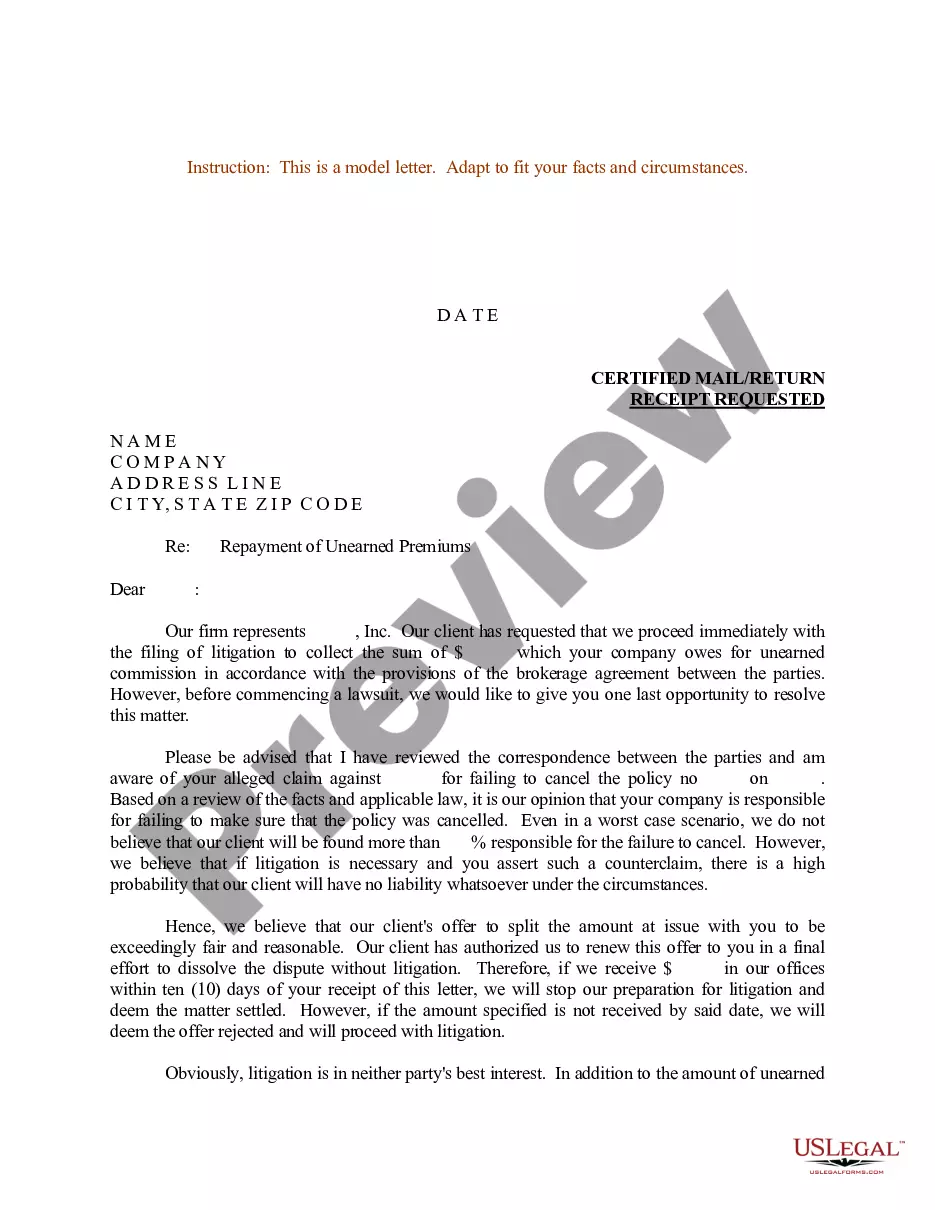
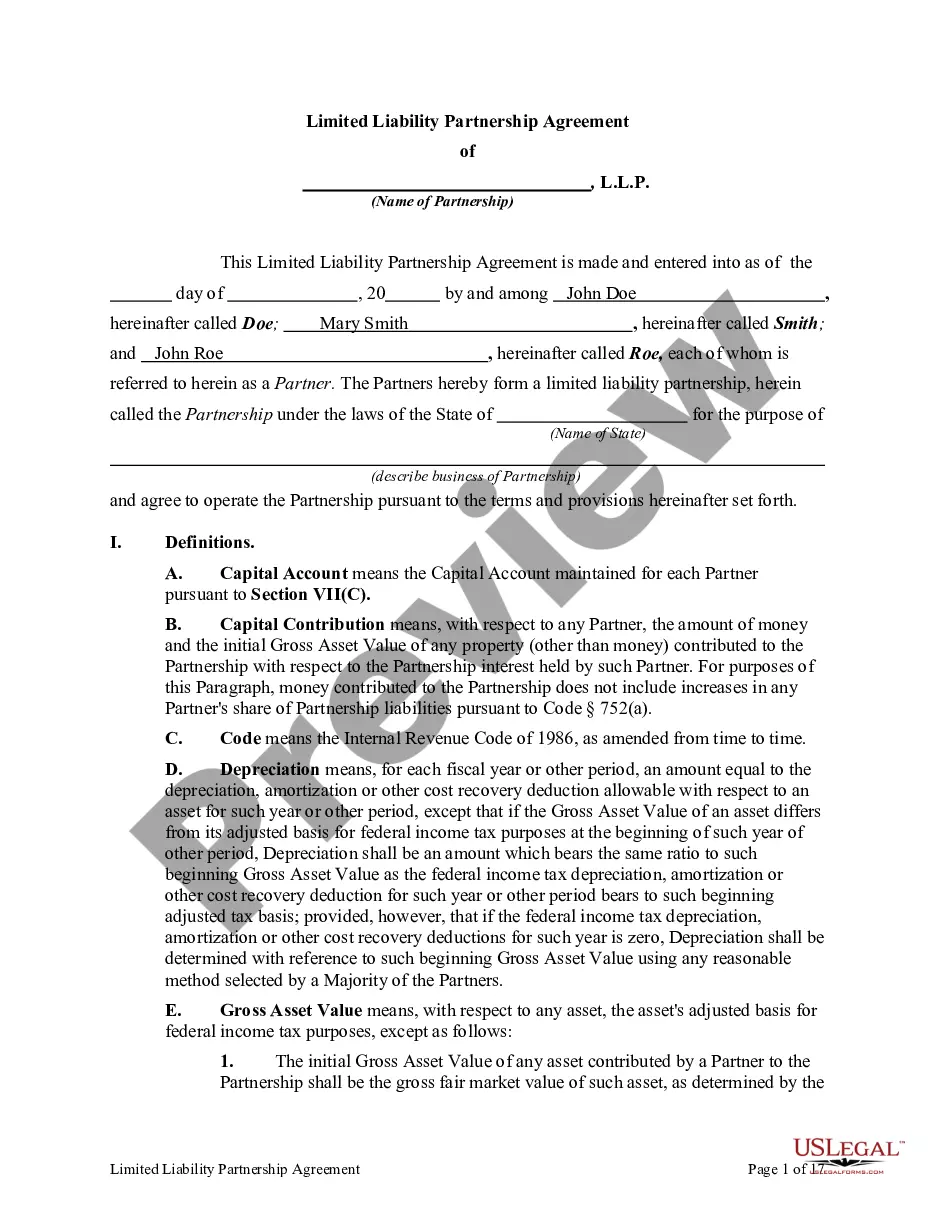
Get your form ready online
Our built-in tools help you complete, sign, share, and store your documents in one place.
Make edits, fill in missing information, and update formatting in US Legal Forms—just like you would in MS Word.
Download a copy, print it, send it by email, or mail it via USPS—whatever works best for your next step.
Sign and collect signatures with our SignNow integration. Send to multiple recipients, set reminders, and more. Go Premium to unlock E-Sign.
If this form requires notarization, complete it online through a secure video call—no need to meet a notary in person or wait for an appointment.
We protect your documents and personal data by following strict security and privacy standards.

Make edits, fill in missing information, and update formatting in US Legal Forms—just like you would in MS Word.

Download a copy, print it, send it by email, or mail it via USPS—whatever works best for your next step.

Sign and collect signatures with our SignNow integration. Send to multiple recipients, set reminders, and more. Go Premium to unlock E-Sign.

If this form requires notarization, complete it online through a secure video call—no need to meet a notary in person or wait for an appointment.

We protect your documents and personal data by following strict security and privacy standards.
Looking for another form?







Form popularity
FAQ
Yes, you have to repay any overpayments. Ask your employer for a payment plan and make sure they have plans to amend your T4. This happens and there are specific rules around how to do this. You can also speak to CRA if you want to hear it directly from them.
As such, having identified an overpayment post-termination, the employer will need to request repayment from the employee. This should be done informally at first, albeit in writing. In the event that the employee refuses to repay the sum owed, it is open to the employer to take legal action against them.
The employer may make deductions to recover overpayments for a period of six (6) years from the original overpayment; (b) Frequency. The employer shall recover overpayments by wage deduction no more frequently than once per wage payment, provided that such deduction complies with this Part.
Obviously, these types of losses attributed to overpayments are both material and significant. Additionally, it is the responsibility of all stakeholders to return any overpayment because every buyer is a seller at some point.
Note: New York State Law protects a current or former employer when they provide truthful information (i.e., facts, not opinions) about an employee's job performance to someone who is in the position to make an employment decision regarding that employee.
§ 195-5.1 Deductions for Overpayments The employer may make deductions to recover overpayments for a period of six (6) years from the original overpayment; (b) Frequency.
Employers should fix any payroll errors right away. For most employers, that means by the next paycheck.
Employers should fix any payroll errors right away. For most employers, that means by the next paycheck.

