Overpayment Letter To Terminated Employee In Nevada
Description
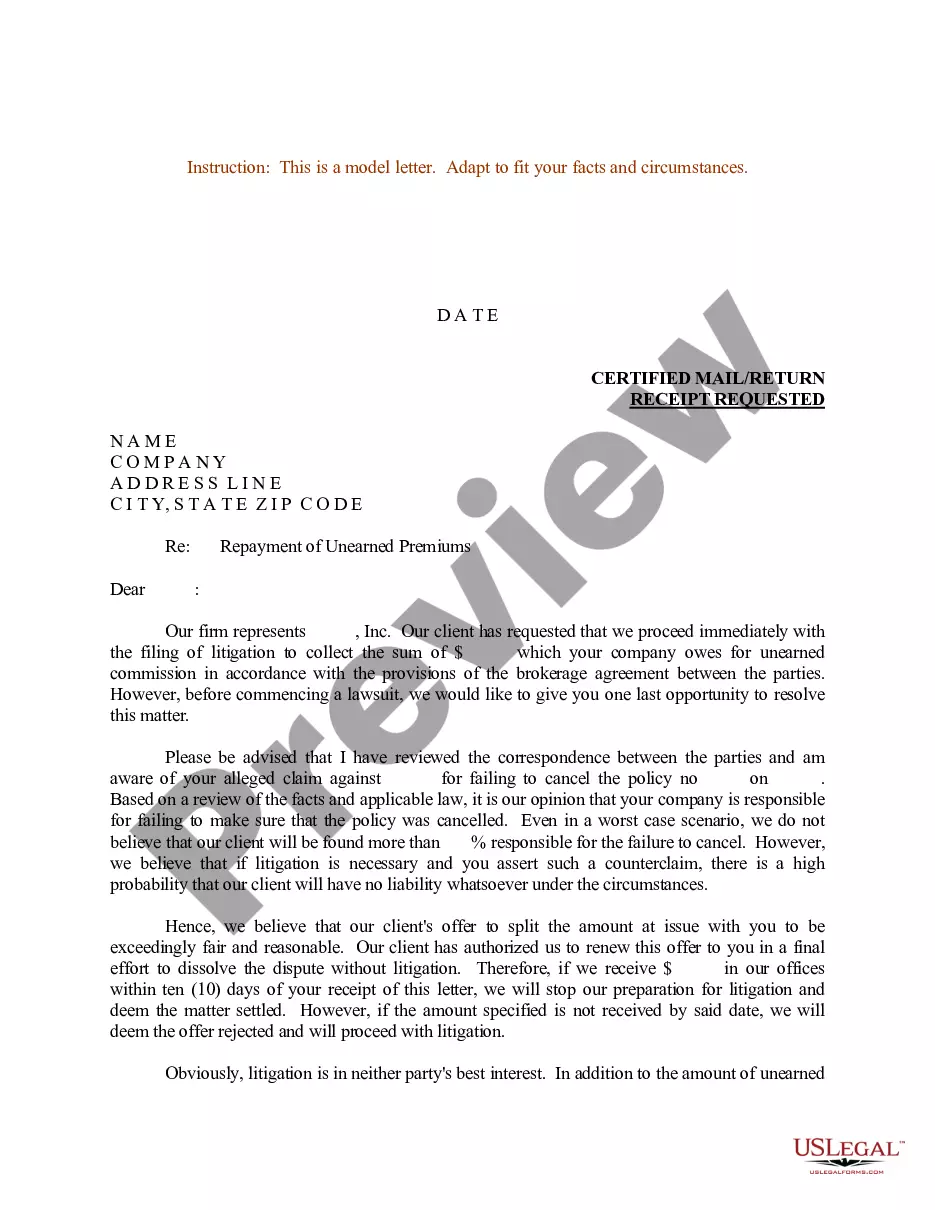
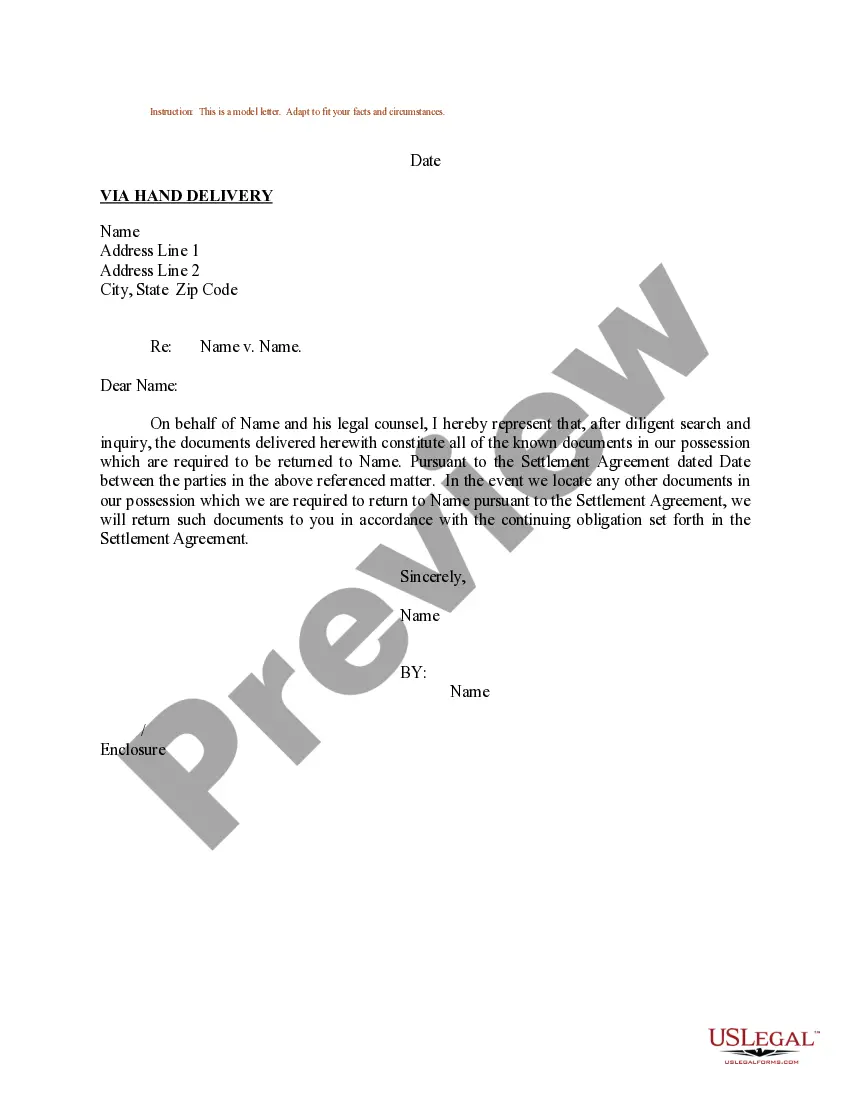
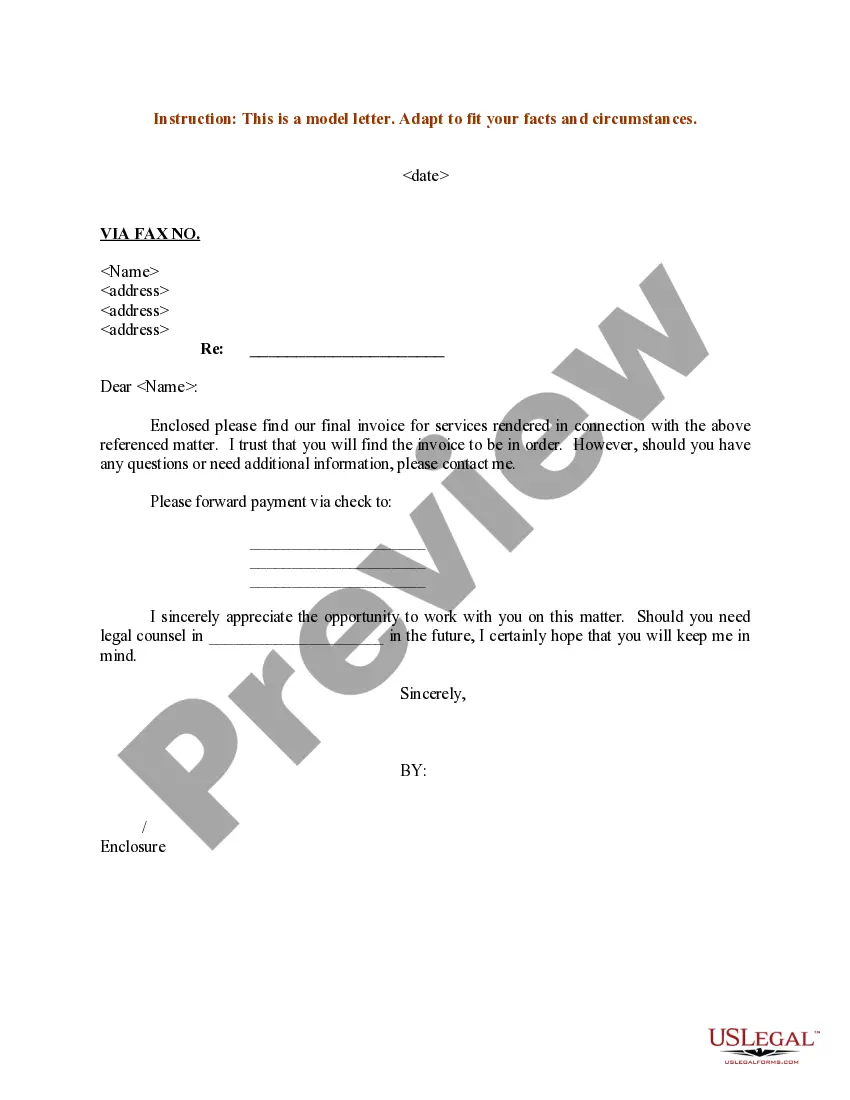
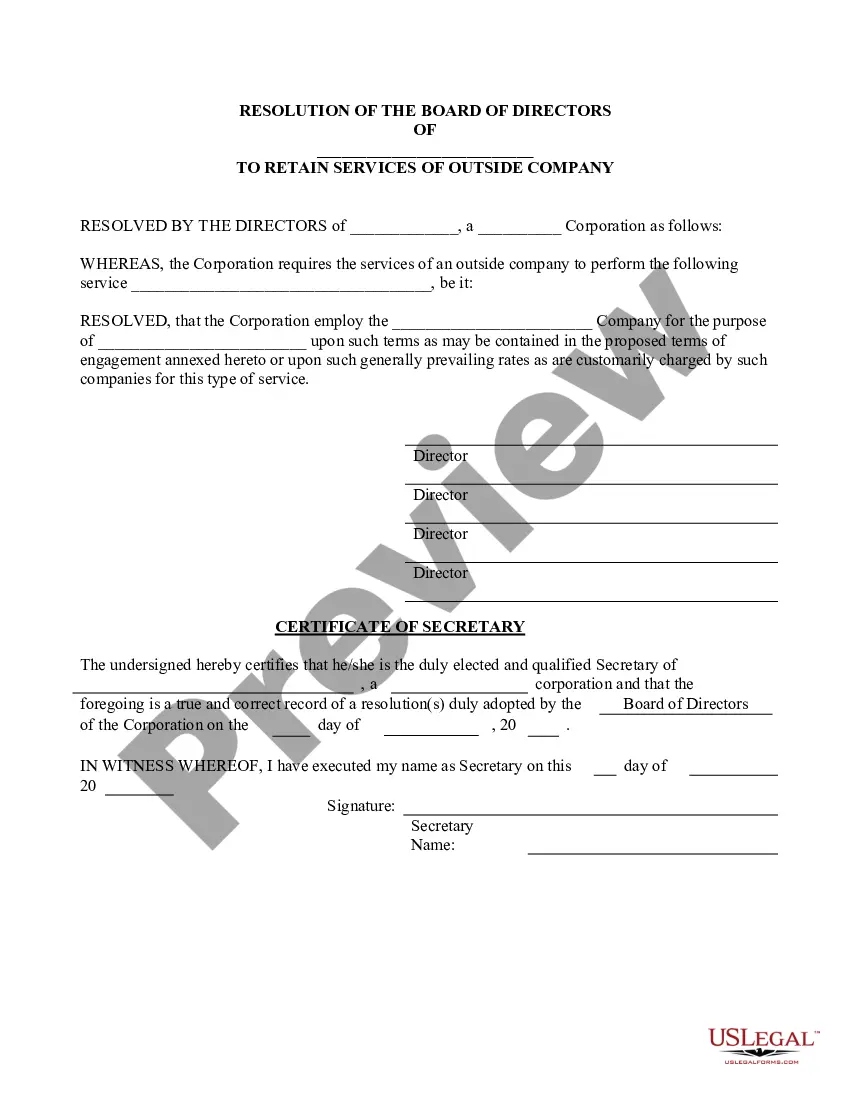
Get your form ready online
Our built-in tools help you complete, sign, share, and store your documents in one place.
Make edits, fill in missing information, and update formatting in US Legal Forms—just like you would in MS Word.
Download a copy, print it, send it by email, or mail it via USPS—whatever works best for your next step.
Sign and collect signatures with our SignNow integration. Send to multiple recipients, set reminders, and more. Go Premium to unlock E-Sign.
If this form requires notarization, complete it online through a secure video call—no need to meet a notary in person or wait for an appointment.
We protect your documents and personal data by following strict security and privacy standards.

Make edits, fill in missing information, and update formatting in US Legal Forms—just like you would in MS Word.

Download a copy, print it, send it by email, or mail it via USPS—whatever works best for your next step.

Sign and collect signatures with our SignNow integration. Send to multiple recipients, set reminders, and more. Go Premium to unlock E-Sign.

If this form requires notarization, complete it online through a secure video call—no need to meet a notary in person or wait for an appointment.

We protect your documents and personal data by following strict security and privacy standards.
Looking for another form?









Form popularity
FAQ
Go to their website and fill out the form found under overpayment form on the bottom left side after clicking on employment security services. This is a good place to start. There should hopefully be a number or email that you can reach out to as well.
Except as otherwise provided in subsection 4, at any time within 5 years after the notice of overpayment, the Administrator may recover the amount of the overpayment by using the same methods of collection provided in NRS 612.625 to 612.645, inclusive, 612.685 and 612.686 for the collection of past due contributions or ...
The statement must contain: Full name. Claimant ID. State that you are appealing the decision. Provide a reason for appealing the notice. You must sign and date the appeal for it to be valid.
Who can get a waiver? Any claimant applying for a waiver needs to show information that the repayment of this debt could cause extraordinary hardship. An extraordinary hardship is defined as an individual's loss or inability to maintain minimal necessities of food, medicine, and shelter.
Yes, you have to repay any overpayments. Ask your employer for a payment plan and make sure they have plans to amend your T4. This happens and there are specific rules around how to do this. You can also speak to CRA if you want to hear it directly from them.
Employers have the right to pursue and reclaim any overpayment in wages, even after the employee has left the organisation. The recovery process is more difficult if the final salary payment has already been made, and employers would have to contact the individual to advise of the overpayment, with supporting evidence.
Obviously, these types of losses attributed to overpayments are both material and significant. Additionally, it is the responsibility of all stakeholders to return any overpayment because every buyer is a seller at some point.

