Overpayment With Social Security In Arizona
Description
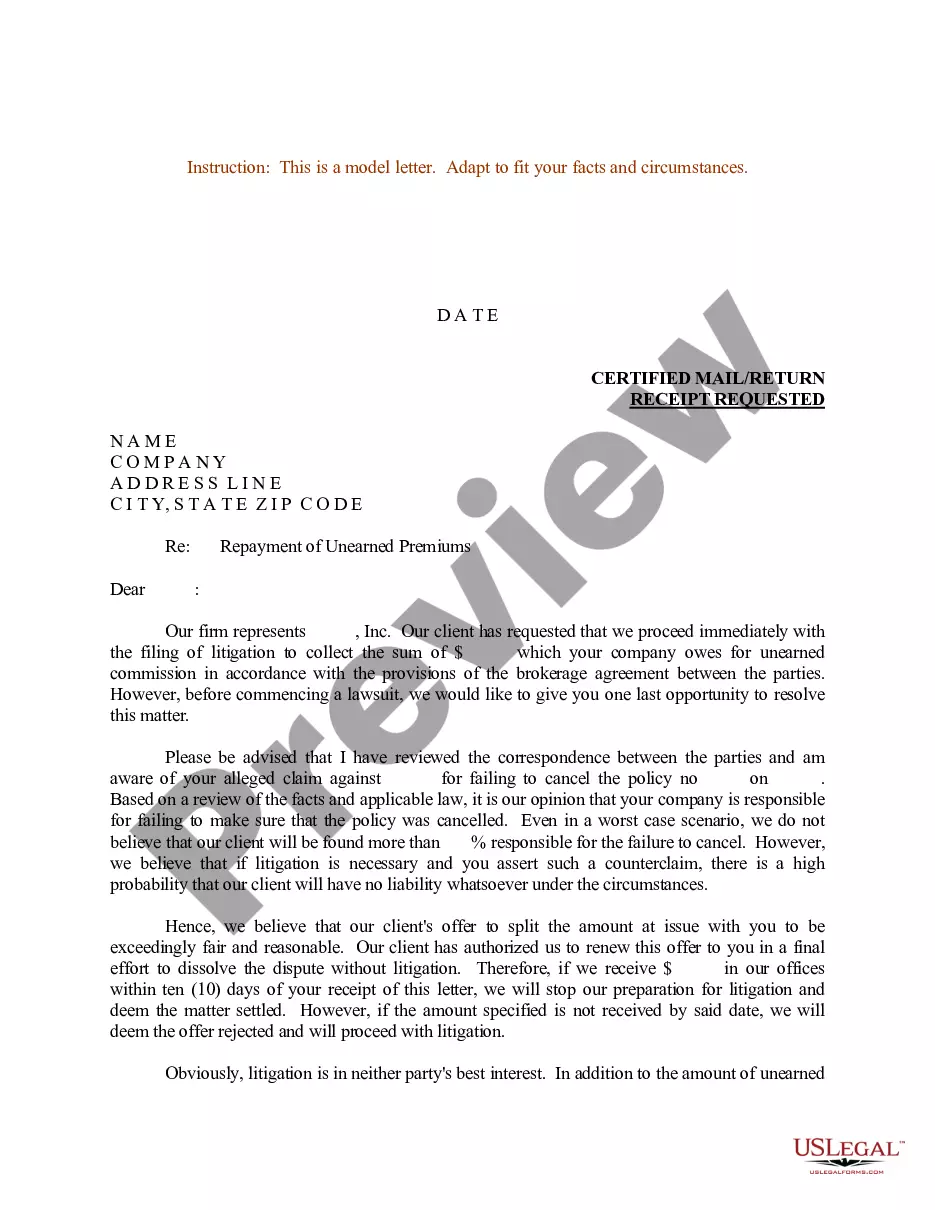
Get your form ready online
Our built-in tools help you complete, sign, share, and store your documents in one place.
Make edits, fill in missing information, and update formatting in US Legal Forms—just like you would in MS Word.
Download a copy, print it, send it by email, or mail it via USPS—whatever works best for your next step.
Sign and collect signatures with our SignNow integration. Send to multiple recipients, set reminders, and more. Go Premium to unlock E-Sign.
If this form requires notarization, complete it online through a secure video call—no need to meet a notary in person or wait for an appointment.
We protect your documents and personal data by following strict security and privacy standards.

Make edits, fill in missing information, and update formatting in US Legal Forms—just like you would in MS Word.

Download a copy, print it, send it by email, or mail it via USPS—whatever works best for your next step.

Sign and collect signatures with our SignNow integration. Send to multiple recipients, set reminders, and more. Go Premium to unlock E-Sign.

If this form requires notarization, complete it online through a secure video call—no need to meet a notary in person or wait for an appointment.

We protect your documents and personal data by following strict security and privacy standards.
Looking for another form?









Form popularity
FAQ
Obligation to report There is no legal obligation for you to report the overpayment. However, if your employer has noticed it, they will generally provide you with a formal notification. This can take the form of an email, letter etc.
Notify Your Employer: Contact your HR department or payroll administrator as soon as you notice the overpayment. Be honest and transparent about the situation. Follow Company Policy: Your employer may have a specific policy for handling overpayments. Follow their guidelines for reporting and resolving the issue.
Overpayments can occur for many reasons, like when someone does not timely report work or other changes that can affect benefits or when an individual chooses to continue receiving payments during an appeal. Each person's situation is unique, and we handle overpayments on a case-by-case basis.
An overpayment occurs when someone pays more than the required or agreed-upon amount for a product or service. It can happen due to various reasons, such as a billing error, incorrect calculations, or misunderstandings between the payer and the recipient.

