Famous Forged Documents In Washington
Description

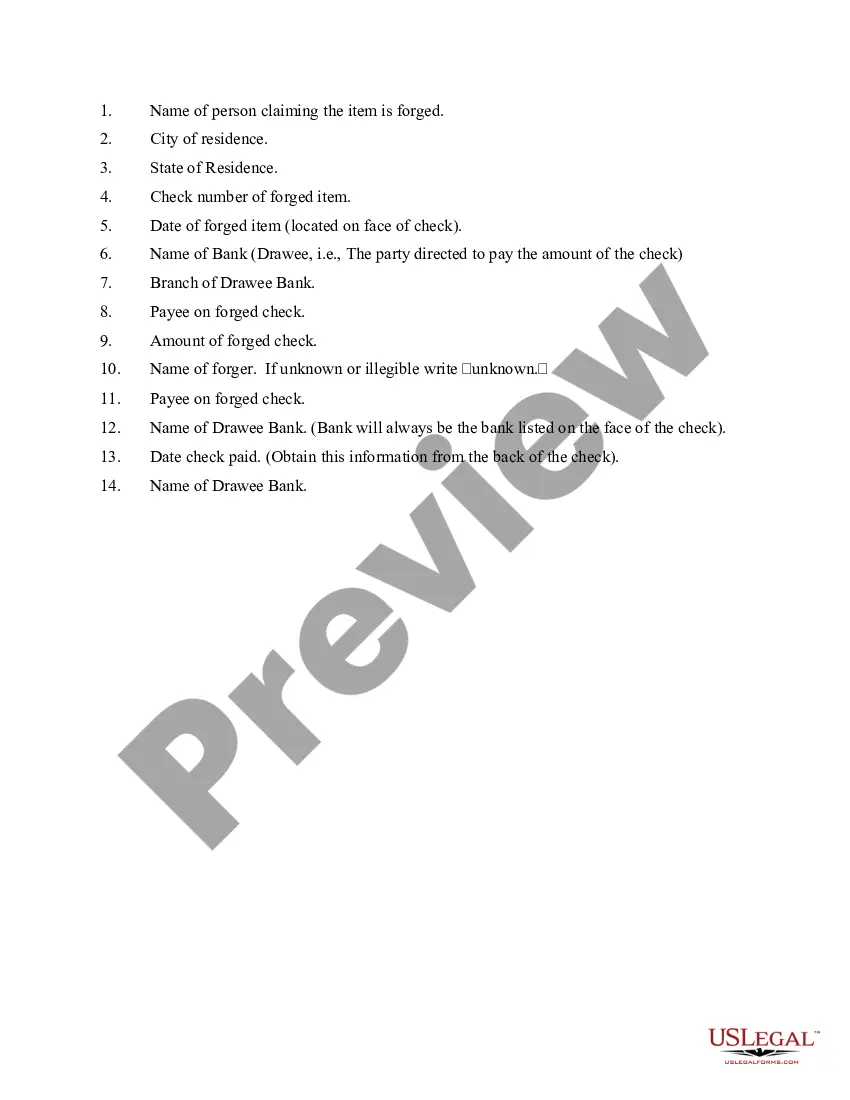
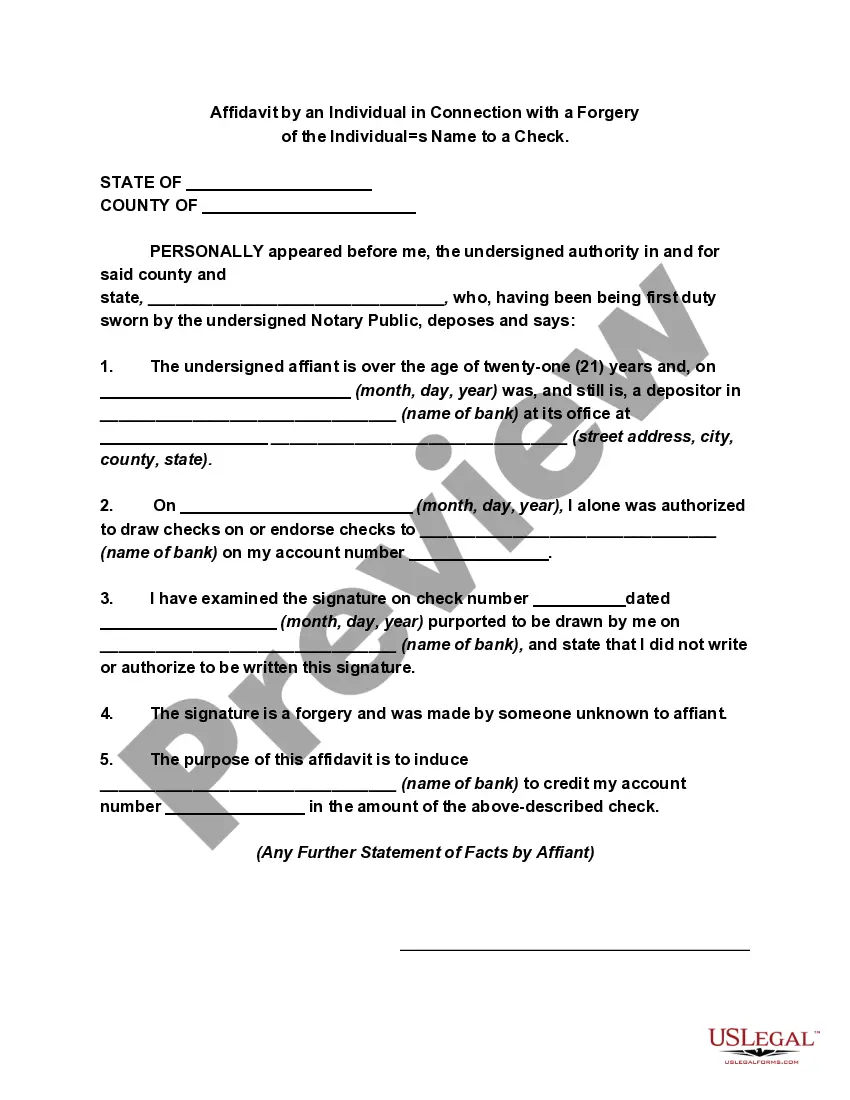
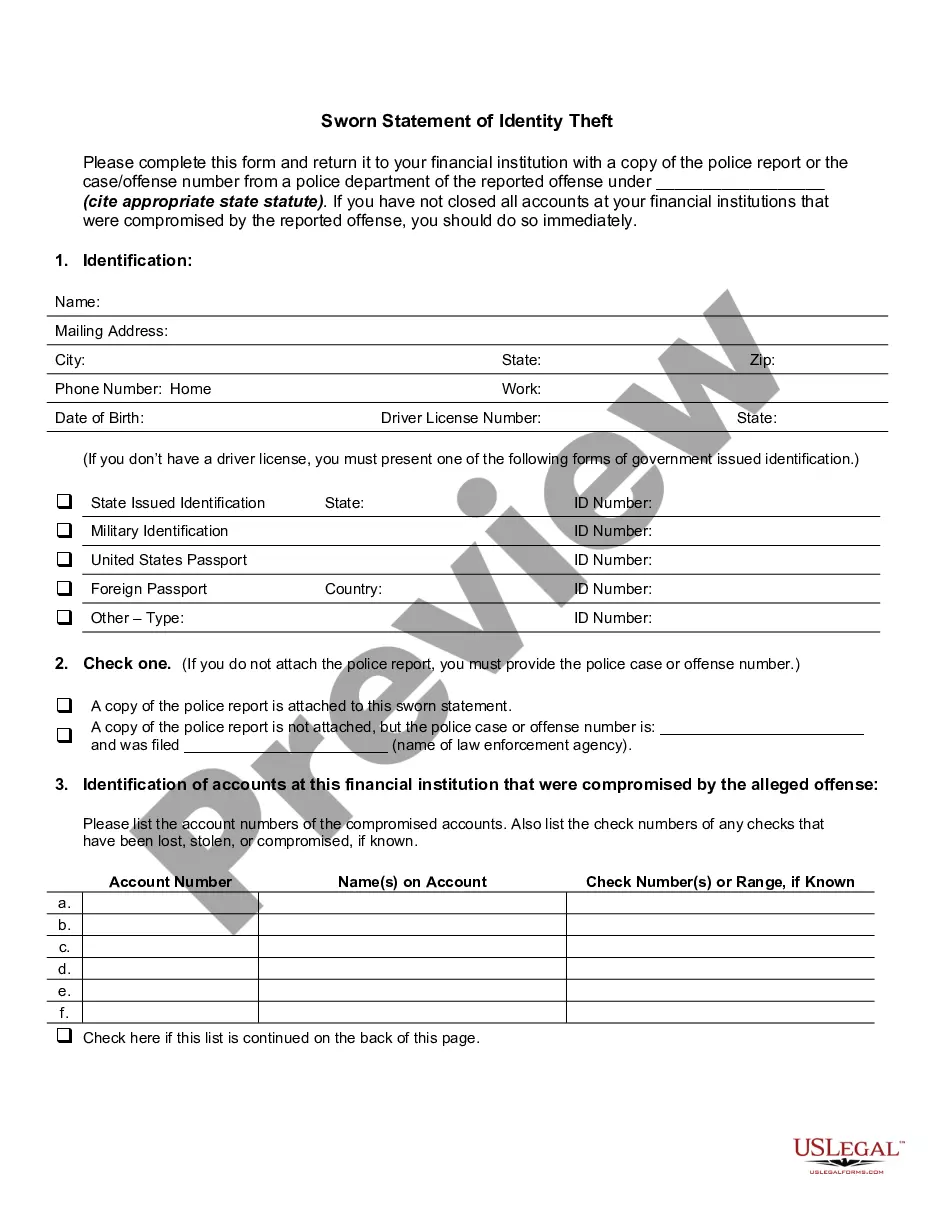
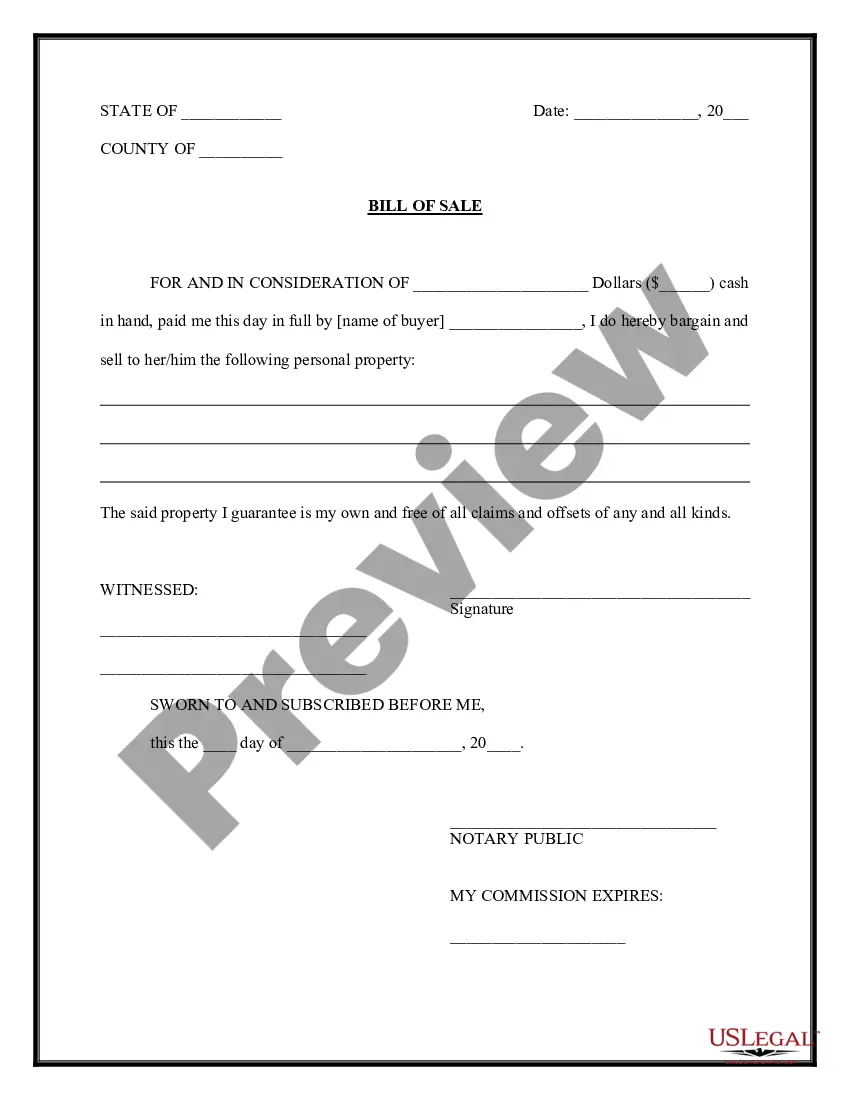
Get your form ready online
Our built-in tools help you complete, sign, share, and store your documents in one place.
Make edits, fill in missing information, and update formatting in US Legal Forms—just like you would in MS Word.
Download a copy, print it, send it by email, or mail it via USPS—whatever works best for your next step.
Sign and collect signatures with our SignNow integration. Send to multiple recipients, set reminders, and more. Go Premium to unlock E-Sign.
If this form requires notarization, complete it online through a secure video call—no need to meet a notary in person or wait for an appointment.
We protect your documents and personal data by following strict security and privacy standards.

Make edits, fill in missing information, and update formatting in US Legal Forms—just like you would in MS Word.

Download a copy, print it, send it by email, or mail it via USPS—whatever works best for your next step.

Sign and collect signatures with our SignNow integration. Send to multiple recipients, set reminders, and more. Go Premium to unlock E-Sign.

If this form requires notarization, complete it online through a secure video call—no need to meet a notary in person or wait for an appointment.

We protect your documents and personal data by following strict security and privacy standards.
Looking for another form?








Form popularity
FAQ
What are the three types of forgery? Three common types of forgery are signature forgery, art forgery, and document forgery. Each of these types of forgery involves different methods of creating or altering documents, signifiers, and objects with the intent to deceive.
Alterations to a genuine document like a passport may include photo substitutions, page substitutions, mechanical and chemical erasures. Photo substitution is the most common form of passport fraud.
Colonial (1744-1775) Lease of Mt. Rules of Civility & Decent Behaviour In Company and Conversation (1744) George Washington to John Banister (April 21, 1778) George Washington to Martha Washington (June 18 & 23, 1775) General Orders on Profanity (August 3, 1776) Washington's Farewell Address to the Army (November 1783)
In most national legislations, the forgery and manipulation of official identification documents such as identity cards, passports or driver's licenses are considered to be the most serious forgery crime.
Check for features that can change their appearance, such as holographic features and color-shifting inks. These features are often omitted from counterfeit documents or may be simulated with substances that do not change color or do not have the clarity and detail of genuine features.
The most commonly forged documents are Social Security cards, bank statements, and birth certificates, which can undermine personal and financial security. It's crucial to ensure the authenticity of such documents to protect against fraud.
Forgery is considered a felony in all 50 states and Washington is no exception. Immediate consequences may include jail or prison time, significant fines, probation, or restitution. A forgery conviction on your record may also impact your ability to obtain housing or employment!
The offense is a wobbler. A conviction on misdemeanor charges will result in up to one year in jail, a maximum fine of $1,000, or both. A conviction on felony charges results in 16 months, two or three years in jail, a maximum fine of $10,000, or both.
Forgery can refer to a completely fabricated document or a document that has been altered to show fraudulent information. Forging or counterfeiting a document is a criminal offense, as is knowingly using or possessing a forged or counterfeit document.
Whoever commits forgery shall be punished with imprisonment of either description for a term which may extend to two years, or with fine, or with both.