Forgery With Consent Philippines In Virginia
Description

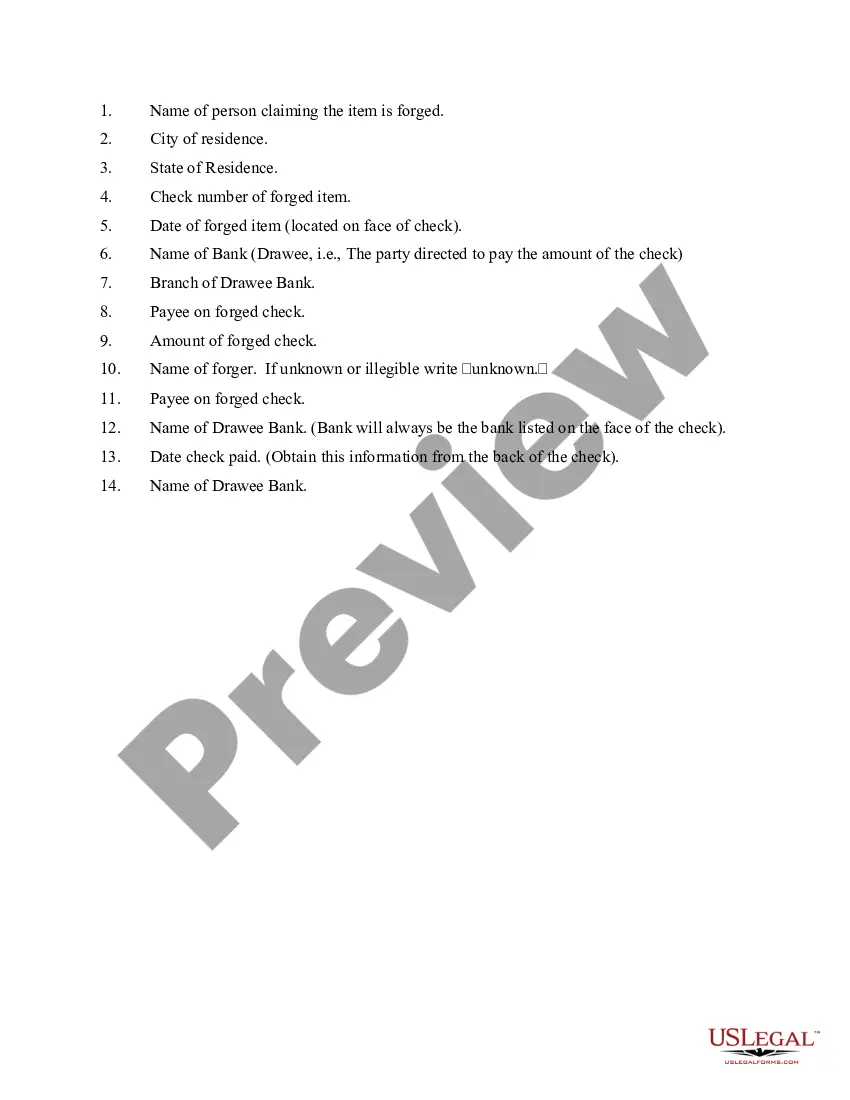
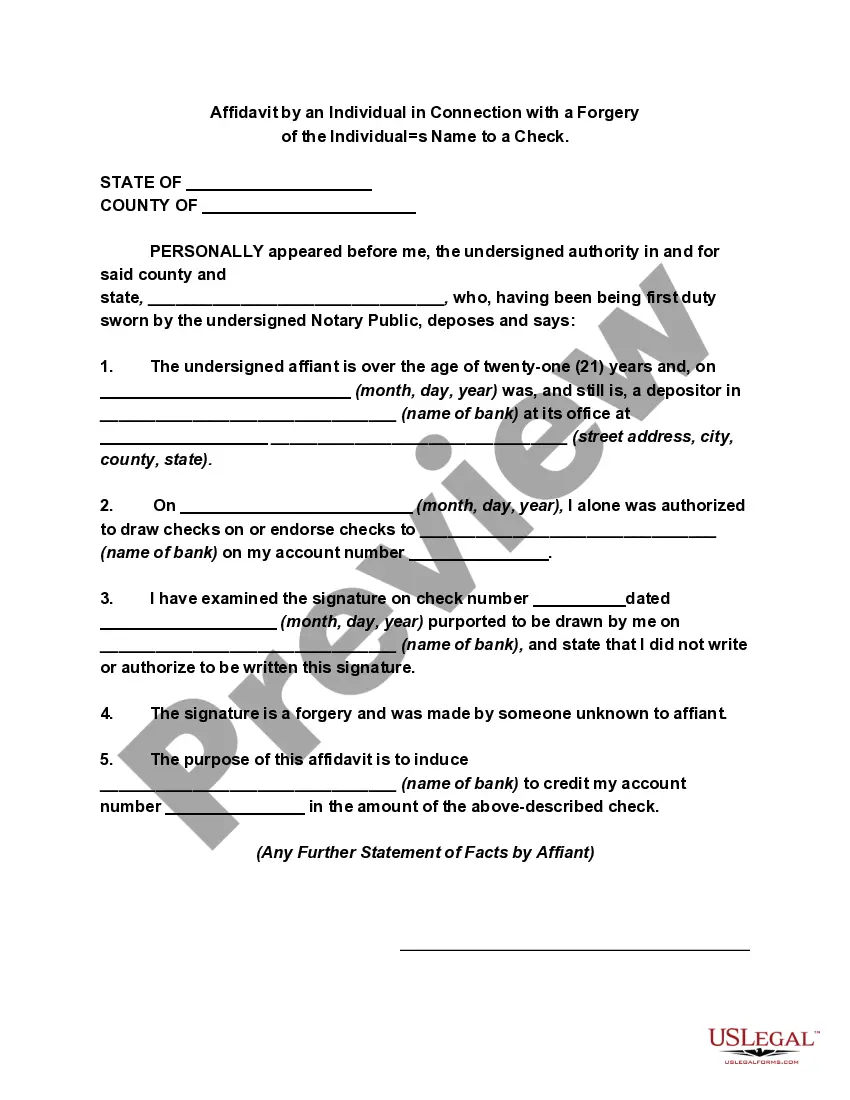
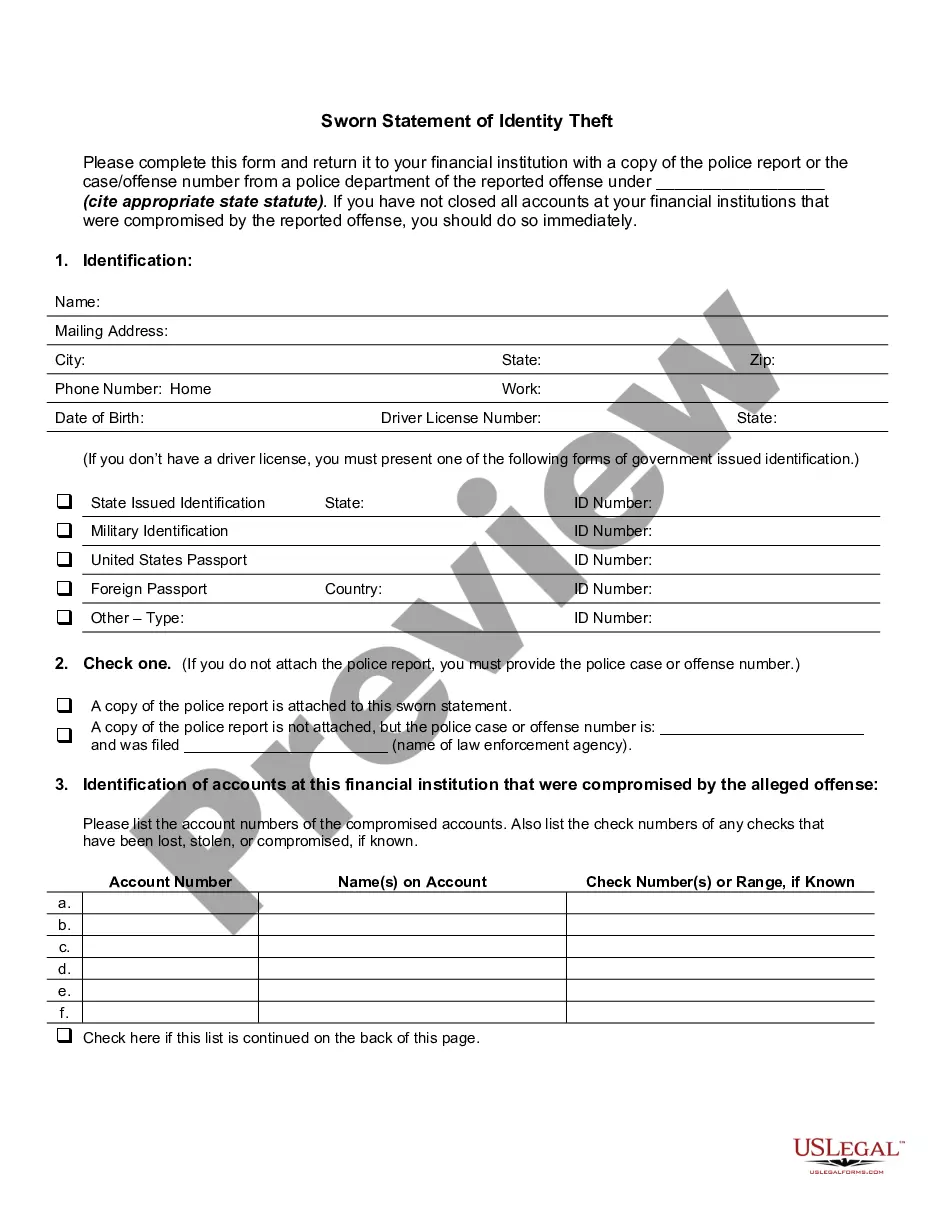
Get your form ready online
Our built-in tools help you complete, sign, share, and store your documents in one place.
Make edits, fill in missing information, and update formatting in US Legal Forms—just like you would in MS Word.
Download a copy, print it, send it by email, or mail it via USPS—whatever works best for your next step.
Sign and collect signatures with our SignNow integration. Send to multiple recipients, set reminders, and more. Go Premium to unlock E-Sign.
If this form requires notarization, complete it online through a secure video call—no need to meet a notary in person or wait for an appointment.
We protect your documents and personal data by following strict security and privacy standards.

Make edits, fill in missing information, and update formatting in US Legal Forms—just like you would in MS Word.

Download a copy, print it, send it by email, or mail it via USPS—whatever works best for your next step.

Sign and collect signatures with our SignNow integration. Send to multiple recipients, set reminders, and more. Go Premium to unlock E-Sign.

If this form requires notarization, complete it online through a secure video call—no need to meet a notary in person or wait for an appointment.

We protect your documents and personal data by following strict security and privacy standards.
Looking for another form?







Form popularity
FAQ
It is a Class 4 felony to forge public records in violation of Section 18.2-168. Upon conviction, the punishment can include a prison sentence between two and 10 years as well as criminal fines up to $100,000. The laws against forgery of coins or banknotes appear at Code of Virginia Section 18.2-170.
Forgery is a white-collar crime that generally consists of the false making or material alteration of a legal instrument with the specific intent to defraud.
The Best Methods for Detecting Signature Forgery: Legal Tips Observe Changes in Motion. Pen Pressure and Stroke Path. Letter Formation and Consistency. Speed and Rhythm of Signing. Digital Signature Verification Systems. Optical Character Recognition (OCR) and Image Analysis. Forensic Handwriting Analysis.
For private documents: If the forgery or falsification involves private documents, such as contracts, wills, or personal agreements, the penalty could be prisión correccional (imprisonment from 6 months to 6 years).
To establish forgery, the extent, kind and significance of the variation in the standard and disputed signatures must be demonstrated; it must be proved that the variation is due to the operation of a different personality and not merely an expected and inevitable variation found in the genuine writing of the same ...
Forgery: This involves the act of fraudulently making or altering a document to the prejudice of another's rights. Falsification: This involves the intentional act of imitating or altering an authentic document to misrepresent its content.
FORGERY is the creation of falsified material or the altering of any writing with the purpose of defrauding or cheating. There are four basic types of forgery: traced, simulation, freehand and lifted.
§ 18.2-172. Any person who shall obtain, by any false pretense or , the signature of another person, to any such writing, with intent to defraud any other person, shall be deemed guilty of the forgery thereof, and shall be subject to like punishment.
