Forgery Forge In Virginia
Description

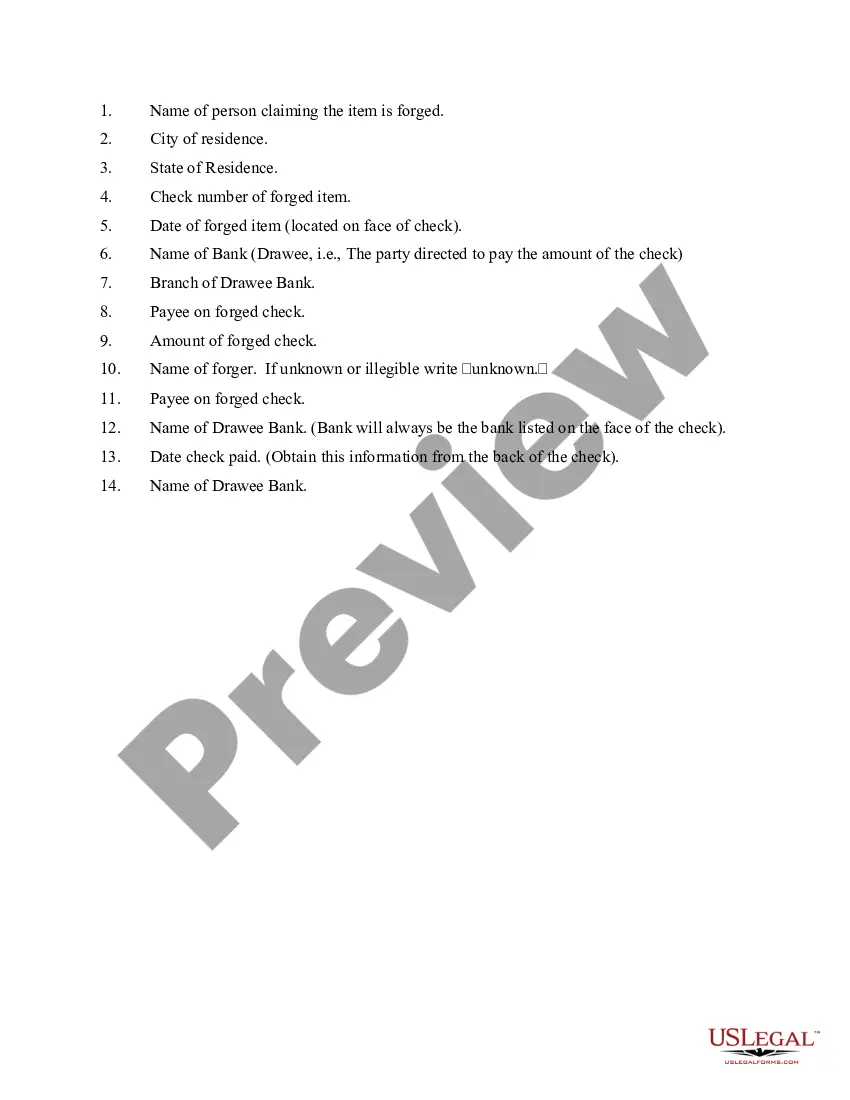
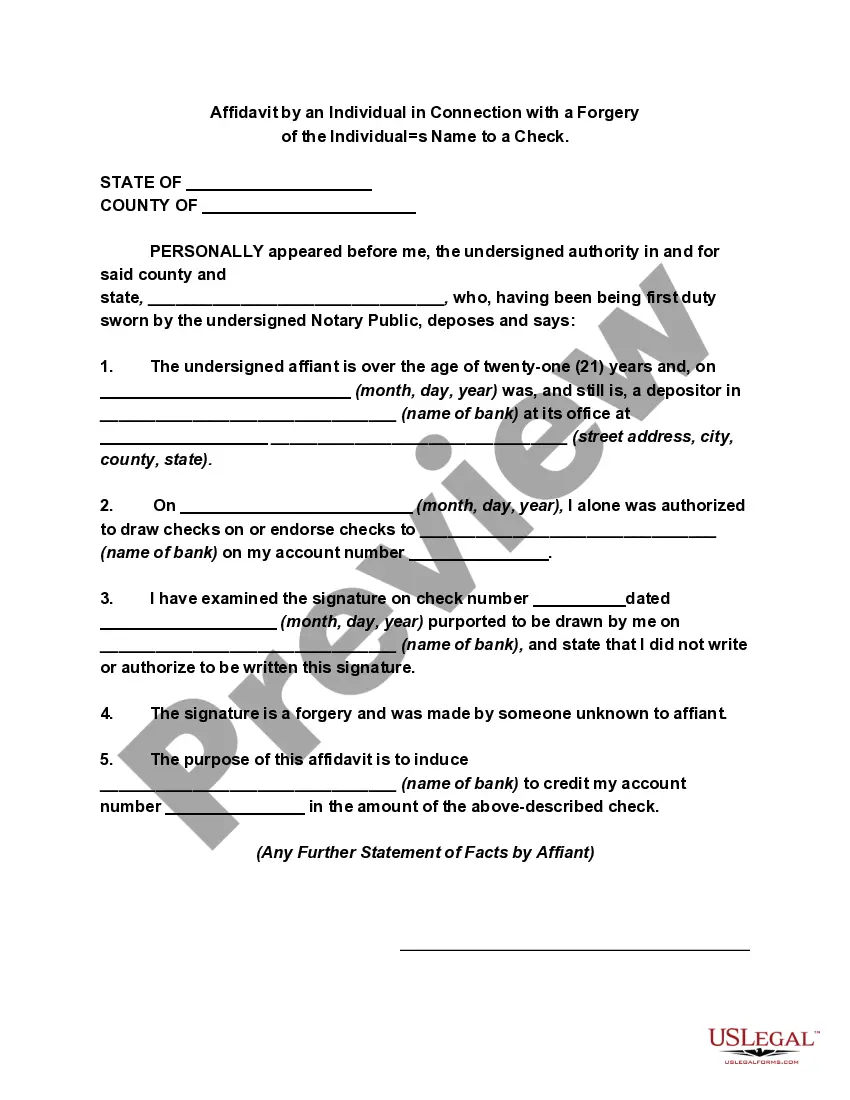
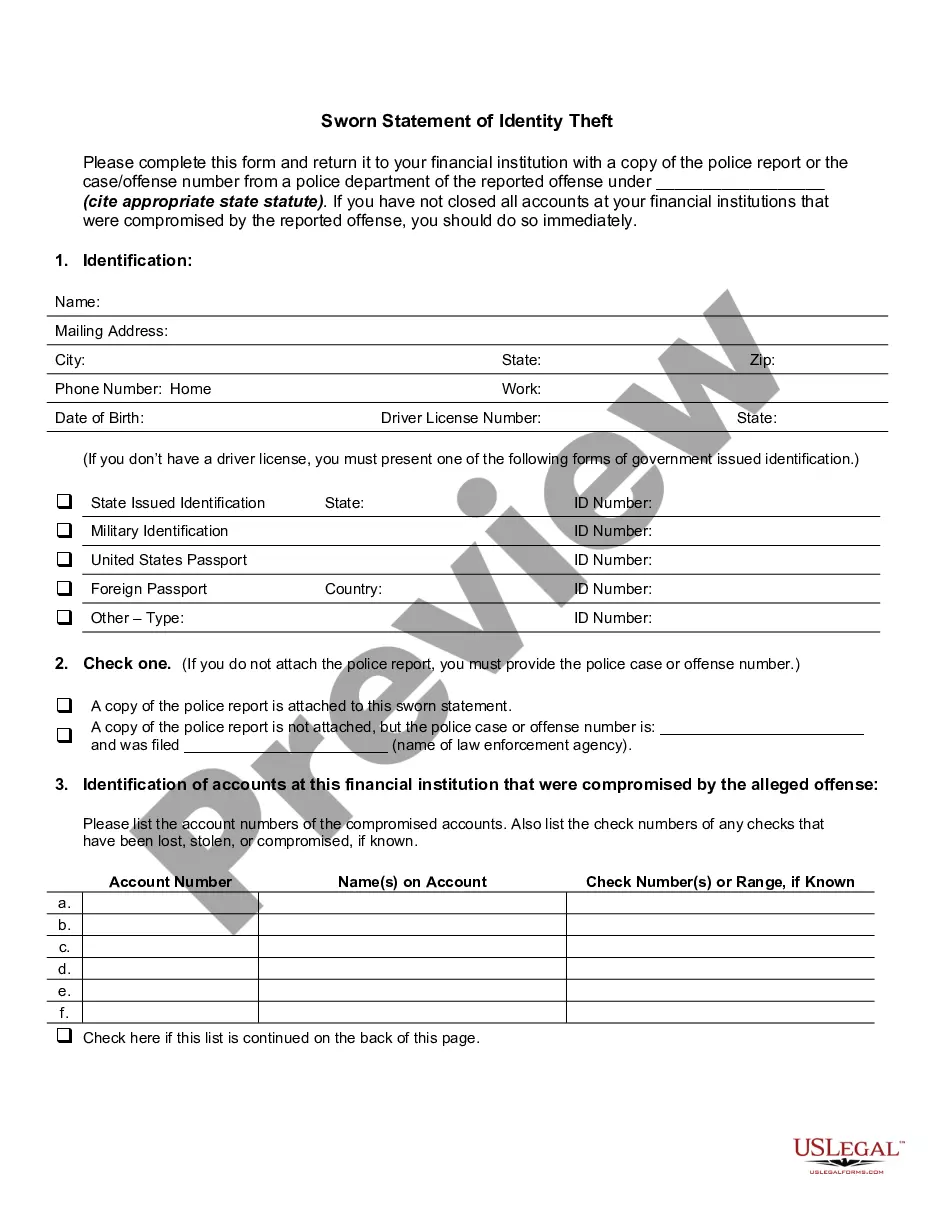
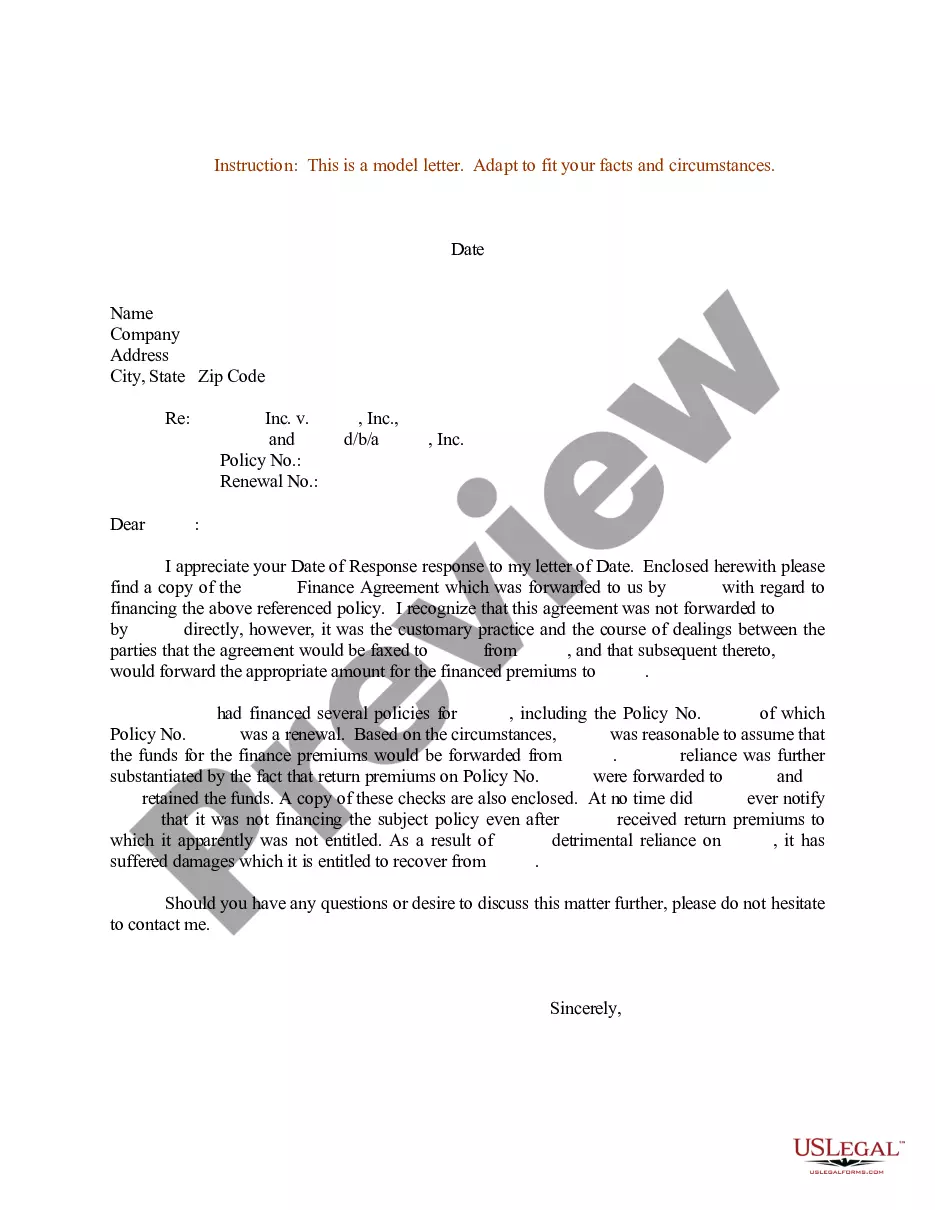
Get your form ready online
Our built-in tools help you complete, sign, share, and store your documents in one place.
Make edits, fill in missing information, and update formatting in US Legal Forms—just like you would in MS Word.
Download a copy, print it, send it by email, or mail it via USPS—whatever works best for your next step.
Sign and collect signatures with our SignNow integration. Send to multiple recipients, set reminders, and more. Go Premium to unlock E-Sign.
If this form requires notarization, complete it online through a secure video call—no need to meet a notary in person or wait for an appointment.
We protect your documents and personal data by following strict security and privacy standards.

Make edits, fill in missing information, and update formatting in US Legal Forms—just like you would in MS Word.

Download a copy, print it, send it by email, or mail it via USPS—whatever works best for your next step.

Sign and collect signatures with our SignNow integration. Send to multiple recipients, set reminders, and more. Go Premium to unlock E-Sign.

If this form requires notarization, complete it online through a secure video call—no need to meet a notary in person or wait for an appointment.

We protect your documents and personal data by following strict security and privacy standards.
Looking for another form?

Form popularity
FAQ
Consent: Prove that you had permission to sign or alter the document in question. Authenticity: Show that the signature or instrument is genuine and not forged. Coercion: Argue that you were forced to forge the document under threat or duress.
Forgery is a white-collar crime that generally consists of the false making or material alteration of a legal instrument with the specific intent to defraud.
It is a Class 4 felony to forge public records in violation of Section 18.2-168. Upon conviction, the punishment can include a prison sentence between two and 10 years as well as criminal fines up to $100,000. The laws against forgery of coins or banknotes appear at Code of Virginia Section 18.2-170.
Advanced security technologies for preventing forgery Biometric signature verification. Digital signature technology. Blockchain-based authentication. Secure signature pads and devices. Optical Character Recognition (OCR) for signature analysis.
Defenses Against Forgery Charges Lack of fraudulent intent — If you did not have the intention to defraud, you may have a valid defense to forgery charges. Document Lacks Legal Significance — To be considered forgery, the document in question must have some sort of legal importance.
India Code: Section Details. Whoever commits forgery, intending that the 1 document or electronic record forged shall be used for the purpose of cheating, shall be punished with imprisonment of either description for a term which may extend to seven years, and shall also be liable to fine.
Consent: Prove that you had permission to sign or alter the document in question. Authenticity: Show that the signature or instrument is genuine and not forged. Coercion: Argue that you were forced to forge the document under threat or duress.
Skilled forgery The hardest type of forgeries to detect, these signatures are produced by criminals who have spent a lot of time practicing and have the ability to replicate the actual signatures in a way that looks both accurate and relatively fluent to the eye.
Forgery of Public Records Under Virginia Code § 18.2-168, it is unlawful to forge a public record, certificate, return, or attestation of any public officer or public employee when such document may be used as legal proof, or to utter or attempt to use as true such a forged record or document knowing it to be forged.
