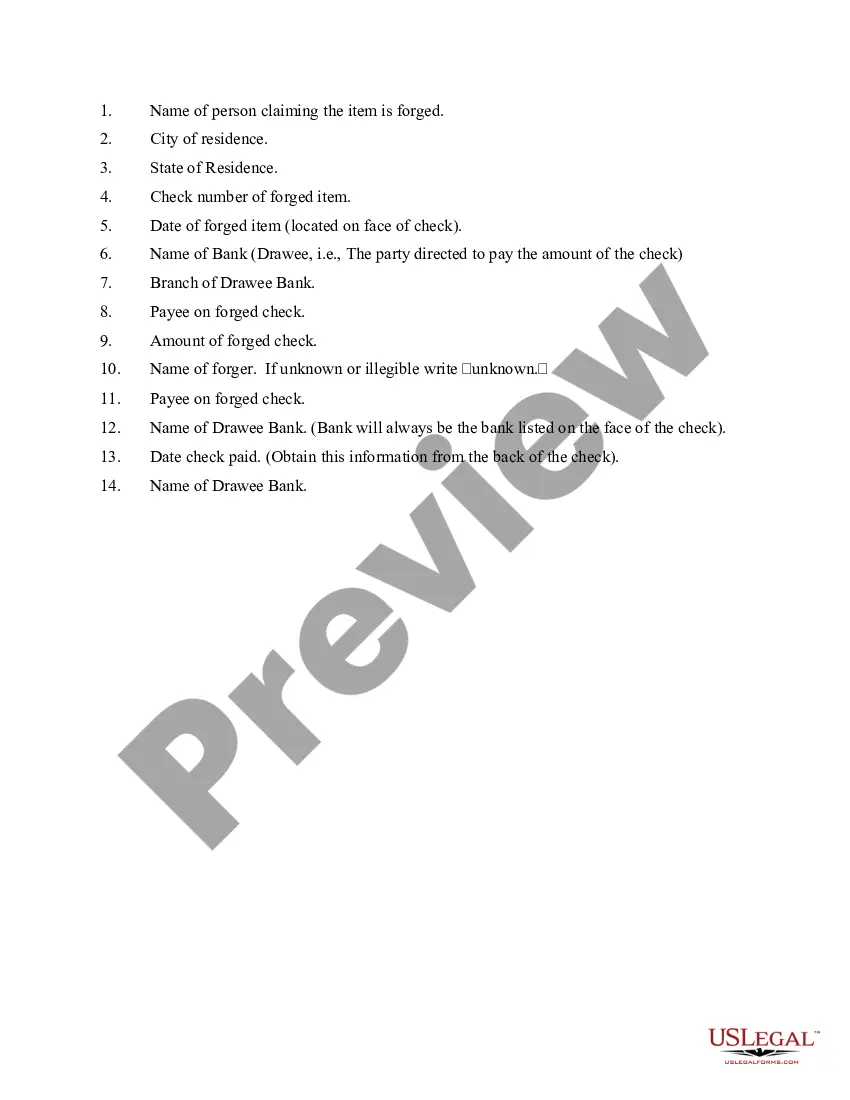
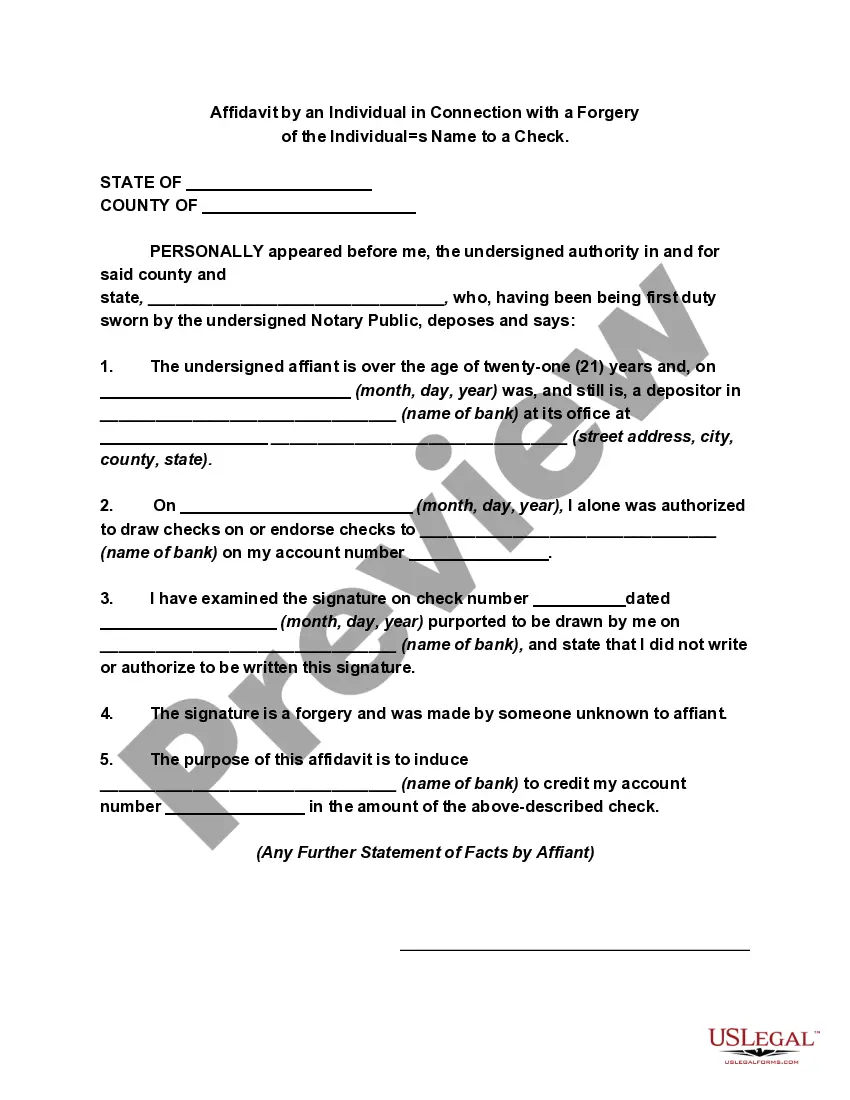
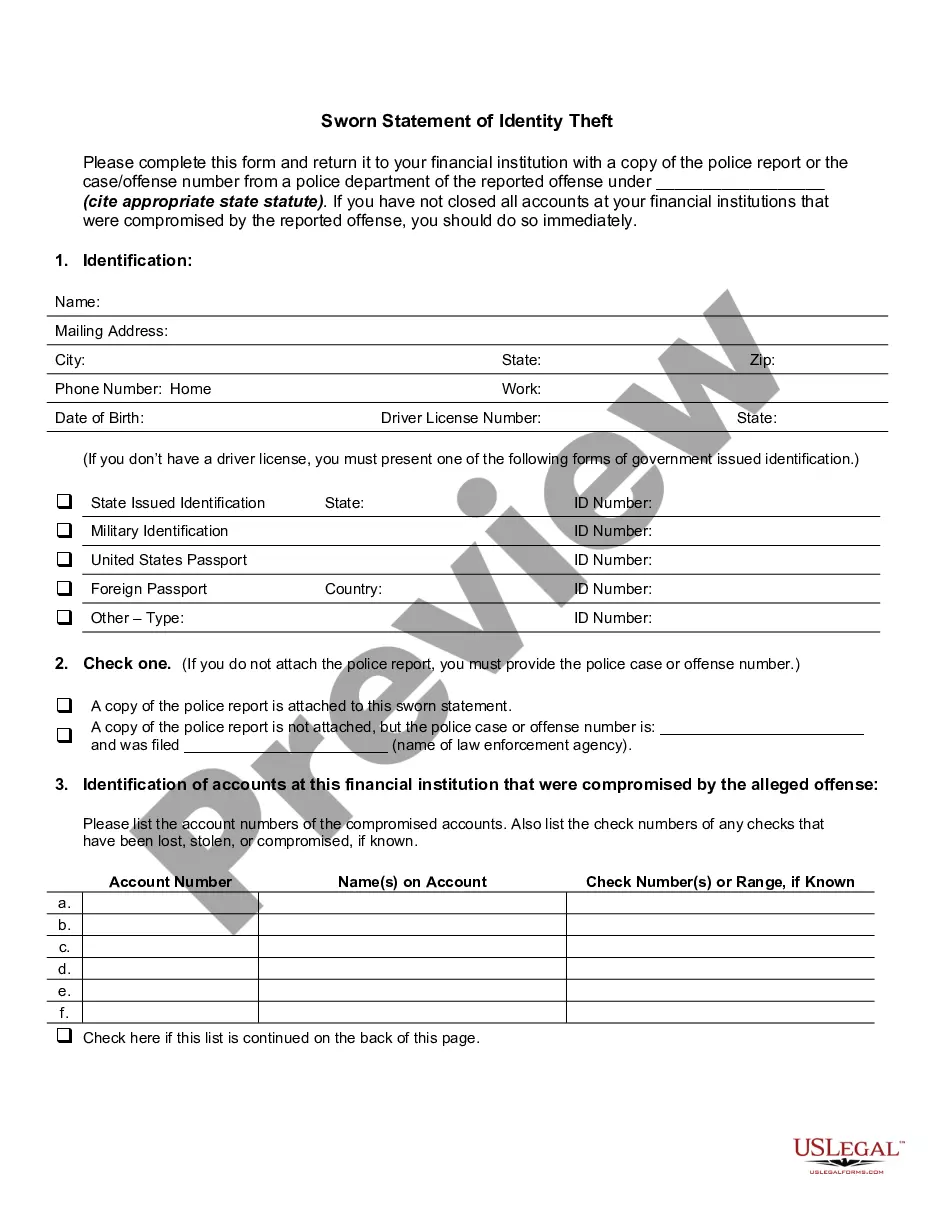
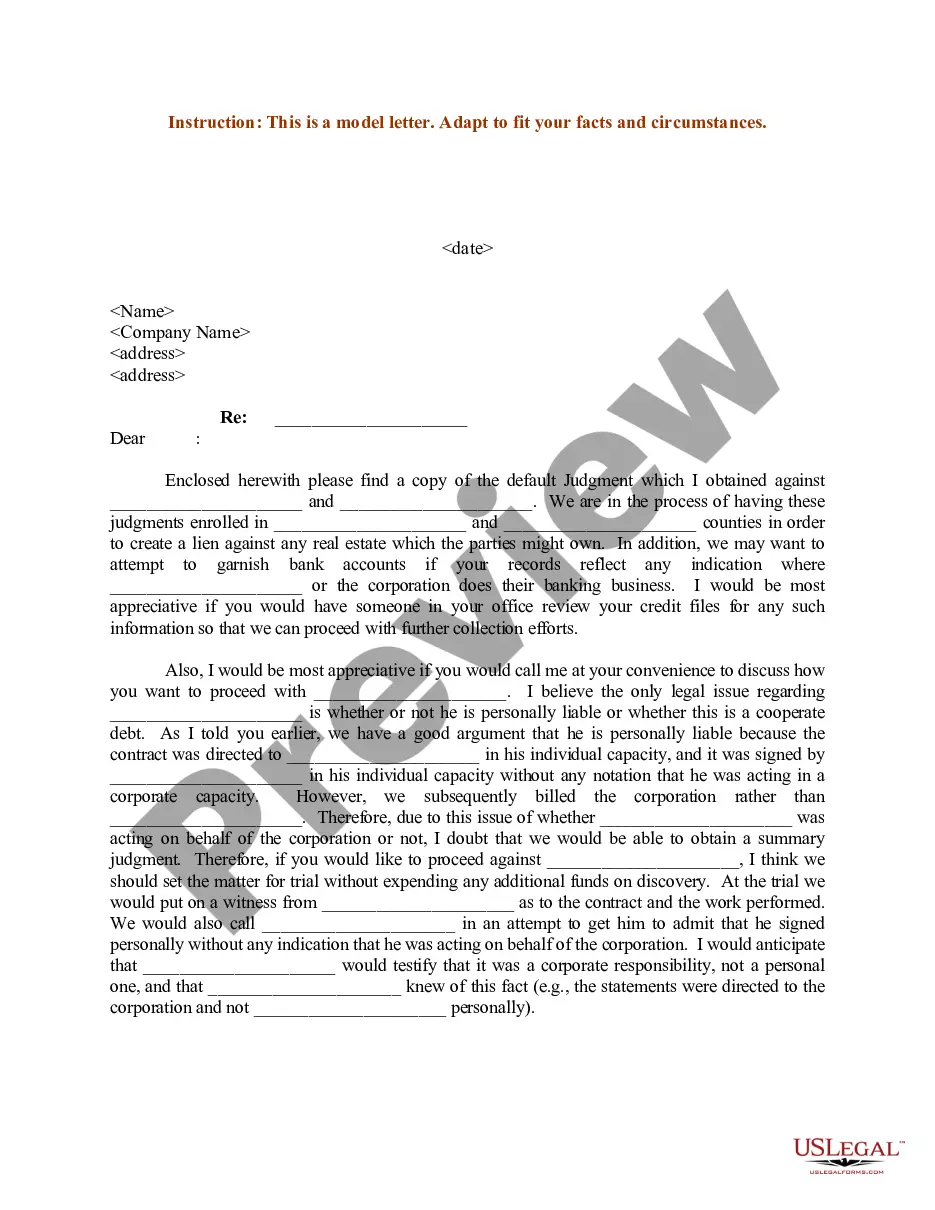
Affidavit Of Forgery Form With Decimals In Suffolk
Description

Get your form ready online
Our built-in tools help you complete, sign, share, and store your documents in one place.
Make edits, fill in missing information, and update formatting in US Legal Forms—just like you would in MS Word.
Download a copy, print it, send it by email, or mail it via USPS—whatever works best for your next step.
Sign and collect signatures with our SignNow integration. Send to multiple recipients, set reminders, and more. Go Premium to unlock E-Sign.
If this form requires notarization, complete it online through a secure video call—no need to meet a notary in person or wait for an appointment.
We protect your documents and personal data by following strict security and privacy standards.

Make edits, fill in missing information, and update formatting in US Legal Forms—just like you would in MS Word.

Download a copy, print it, send it by email, or mail it via USPS—whatever works best for your next step.

Sign and collect signatures with our SignNow integration. Send to multiple recipients, set reminders, and more. Go Premium to unlock E-Sign.

If this form requires notarization, complete it online through a secure video call—no need to meet a notary in person or wait for an appointment.

We protect your documents and personal data by following strict security and privacy standards.
Looking for another form?



Form popularity
FAQ
How to prepare an affidavit? Speak in the first person. This personalizes your affidavit, giving your personal account and testimony. Remain concise. Keeping your message as short as possible helps you to clearly communicate your message, and can make it more impactful. Restate your claims. Notarize your affidavit.
Most states, including California, describe forgery as occurring when a person alters a written document "with the intent to defraud, knowing that he or she has no authority to do so." The written document usually has to be an instrument of legal significance.
An affidavit is a sworn statement put in writing. When you use an affidavit, you're claiming that the information within the document is true and correct to the best of your knowledge. Like taking an oath in court, an affidavit is only valid when you make it voluntarily and without any coercion.
An “Affidavit of Forgery" is a notarized, sworn statement, attesting that the signature appearing on it is indeed a forgery. The account holder MUST provide an Affidavit of Forgery before any criminal charges can be filed! An affidavit must accompany each forged or counterfeited item.
Examples. A bill is endorsed, “payable to X or order”. X endorses it in blank and it comes into the hands of Y, who simply delivers it to A. A would then forge Y's endorsement and transfers it to B.
To begin an action in Small Claims Court, a person, or someone acting on his or her behalf, must come to the Small Claims Court Clerk's office in the proper county and fill out a statement of claim. To find out where the clerk's office is located in your county, click on Locations.
You must file if you are: Single and your VAGI (VA adjusted gross income) is $11,950 or more. Married filing jointly and your combined VAGI is $23,900 or more. Married filing separate and your VAGI is $11,950 or more.
Every Virginia resident whose Virginia adjusted gross. income is at or above the minimum threshold must file. Complete Form 760, Lines 1 through 9, to determine. your Virginia adjusted gross income (VAGI).
You are also required to attach all W-2 and 1099 forms, showing Virginia tax withheld with a single staple at the left center of page 1 of the return.
Form 760, Line 1 must be your Federal Adjusted Gross Income. You can only subtract a State Income Tax Refund or over payment credit on Form 760, Line 6, if this amount is already included in your Federal Adjusted Gross Income on Form 760, Line 1.
