Forgery With Consent Philippines In Philadelphia
Description

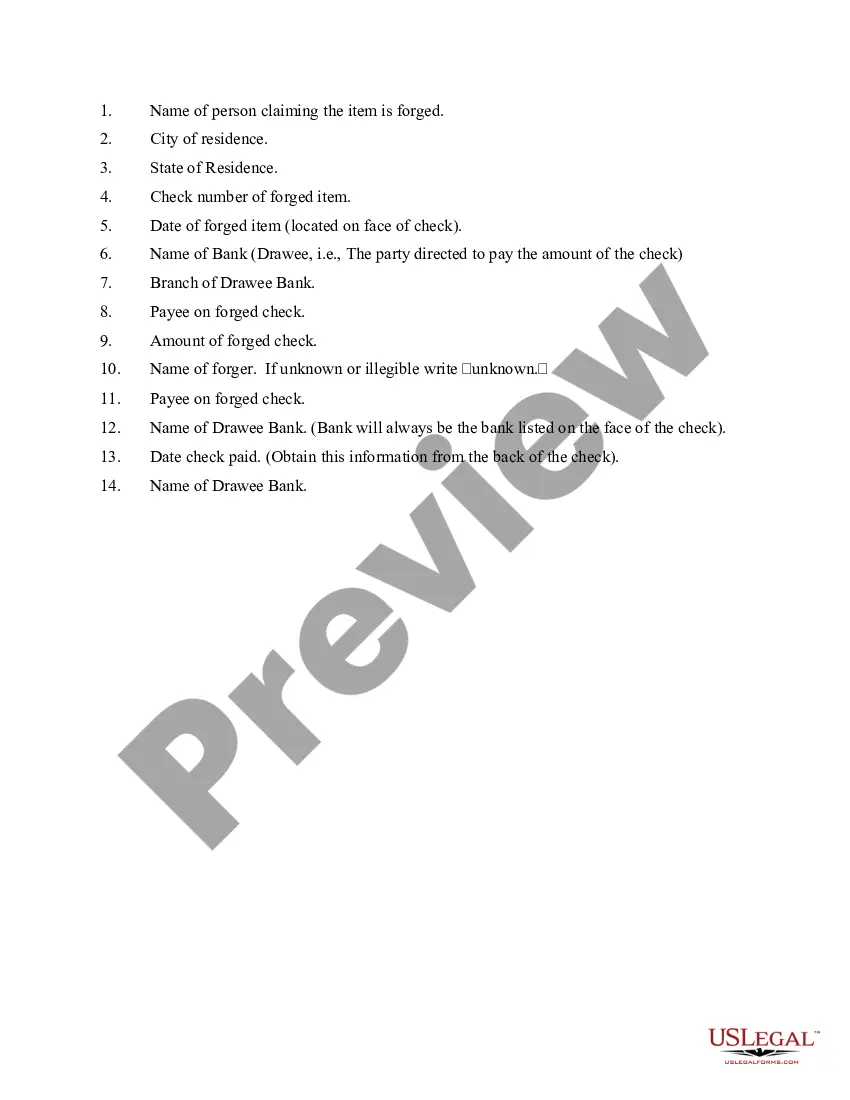
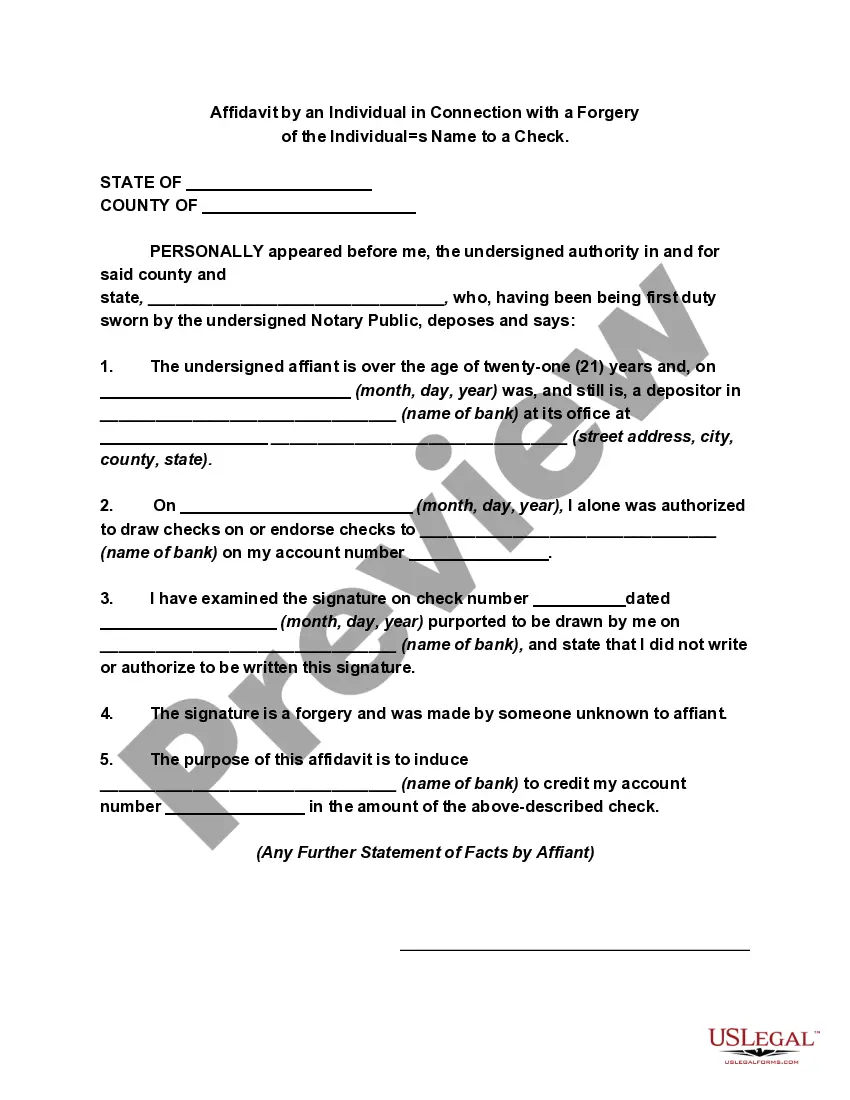
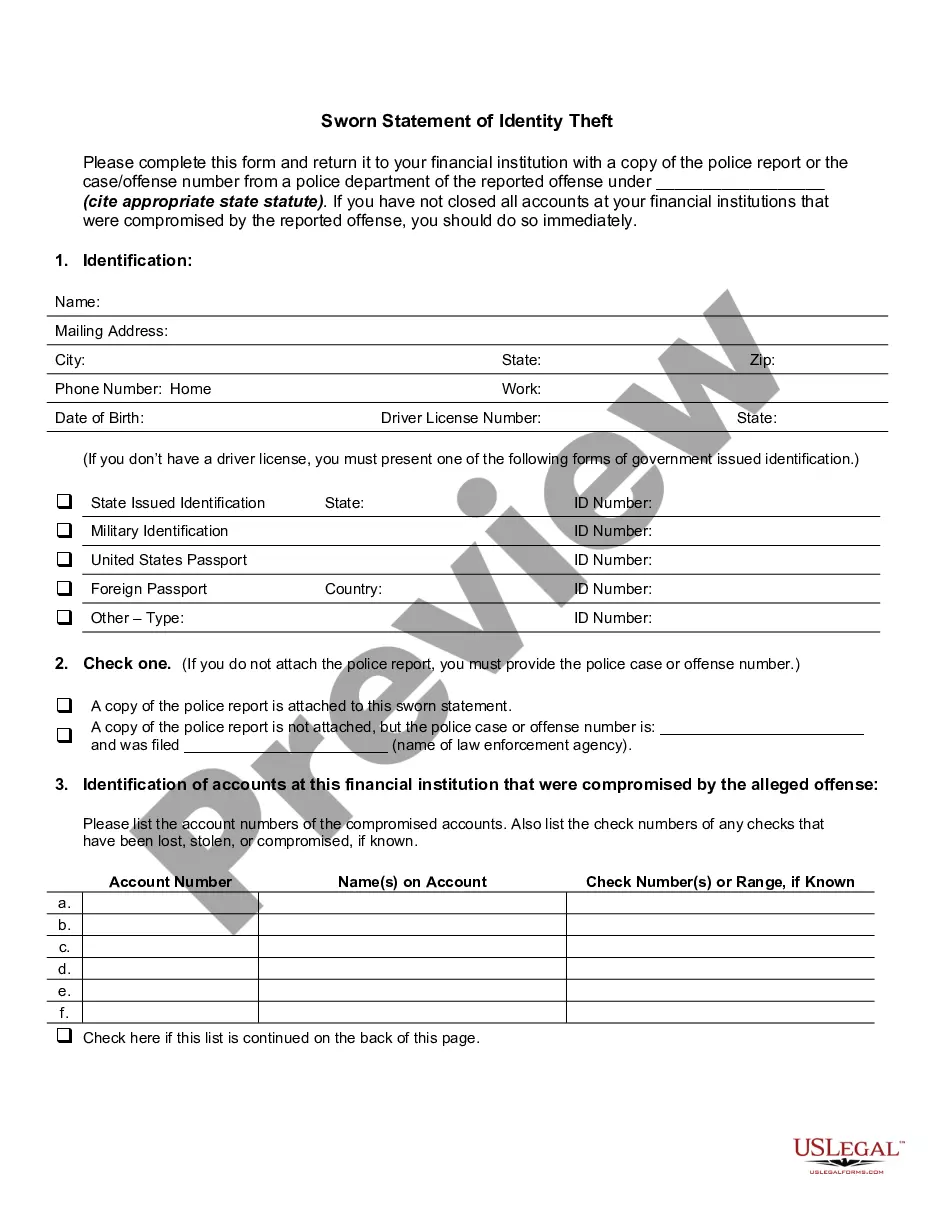
Get your form ready online
Our built-in tools help you complete, sign, share, and store your documents in one place.
Make edits, fill in missing information, and update formatting in US Legal Forms—just like you would in MS Word.
Download a copy, print it, send it by email, or mail it via USPS—whatever works best for your next step.
Sign and collect signatures with our SignNow integration. Send to multiple recipients, set reminders, and more. Go Premium to unlock E-Sign.
If this form requires notarization, complete it online through a secure video call—no need to meet a notary in person or wait for an appointment.
We protect your documents and personal data by following strict security and privacy standards.

Make edits, fill in missing information, and update formatting in US Legal Forms—just like you would in MS Word.

Download a copy, print it, send it by email, or mail it via USPS—whatever works best for your next step.

Sign and collect signatures with our SignNow integration. Send to multiple recipients, set reminders, and more. Go Premium to unlock E-Sign.

If this form requires notarization, complete it online through a secure video call—no need to meet a notary in person or wait for an appointment.

We protect your documents and personal data by following strict security and privacy standards.
Looking for another form?










Form popularity
FAQ
The fact of forgery can only be established by a comparison between the alleged forged signature and the authentic and genuine signature of the person whose signature is theorized to have been forged.
Legal Implications of Forged Signatures Under Philippine law, forgery is a criminal offense. Article 172 of the Revised Penal Code penalizes the falsification of public and private documents, including the forgery of signatures.
A textbook definition of forgery is the making of a false document with the intent that it should be used or acted upon as if it's genuine. Therefore, the falsification of document includes altering a genuine document in any material part.
Penalties. Prisión Mayor (6 years and 1 day to 12 years): Commonly applied to falsification offenses involving public, official, or commercial documents committed by public officers, employees, or notaries public (Article 171).
Upon conviction, a defendant will be sentenced to a seven year imprisonment sentence and/or a fine of up to $15,000. All other instances of forgery will be charged as a first degree misdemeanor, punishable by up to five years in prison and/or a fine of $10,000.
The Best Methods for Detecting Signature Forgery: Legal Tips Observe Changes in Motion. Pen Pressure and Stroke Path. Letter Formation and Consistency. Speed and Rhythm of Signing. Digital Signature Verification Systems. Optical Character Recognition (OCR) and Image Analysis. Forensic Handwriting Analysis.
Forgery: This involves the act of fraudulently making or altering a document to the prejudice of another's rights. Falsification: This involves the intentional act of imitating or altering an authentic document to misrepresent its content.
FORGERY is the creation of falsified material or the altering of any writing with the purpose of defrauding or cheating. There are four basic types of forgery: traced, simulation, freehand and lifted.
— Any person who shall forge, import or utter, in connivance with the forgers or importers, any instrument payable to order or other document of credit not payable to bearer, shall suffer the penalties of prision correccional in its medium and maximum periods and a fine not exceeding P6,000 pesos.
