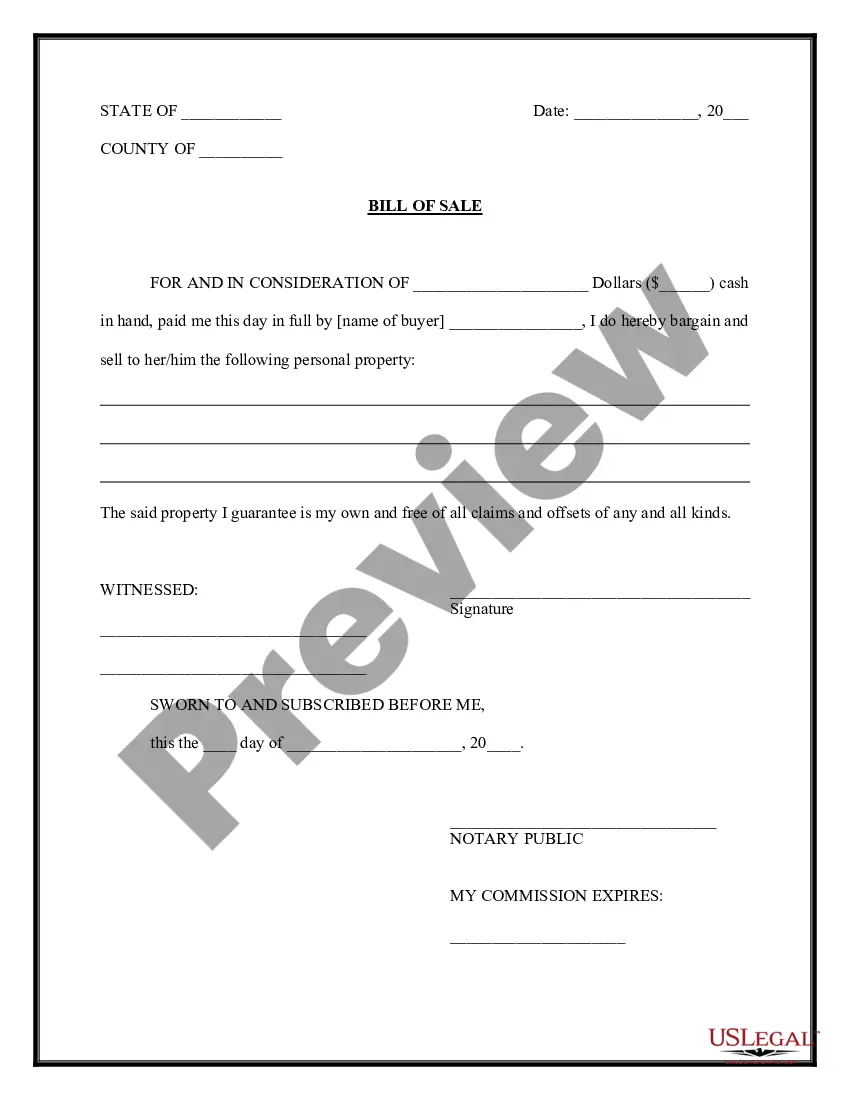
Documents That Can Be Forged In Chicago
Description

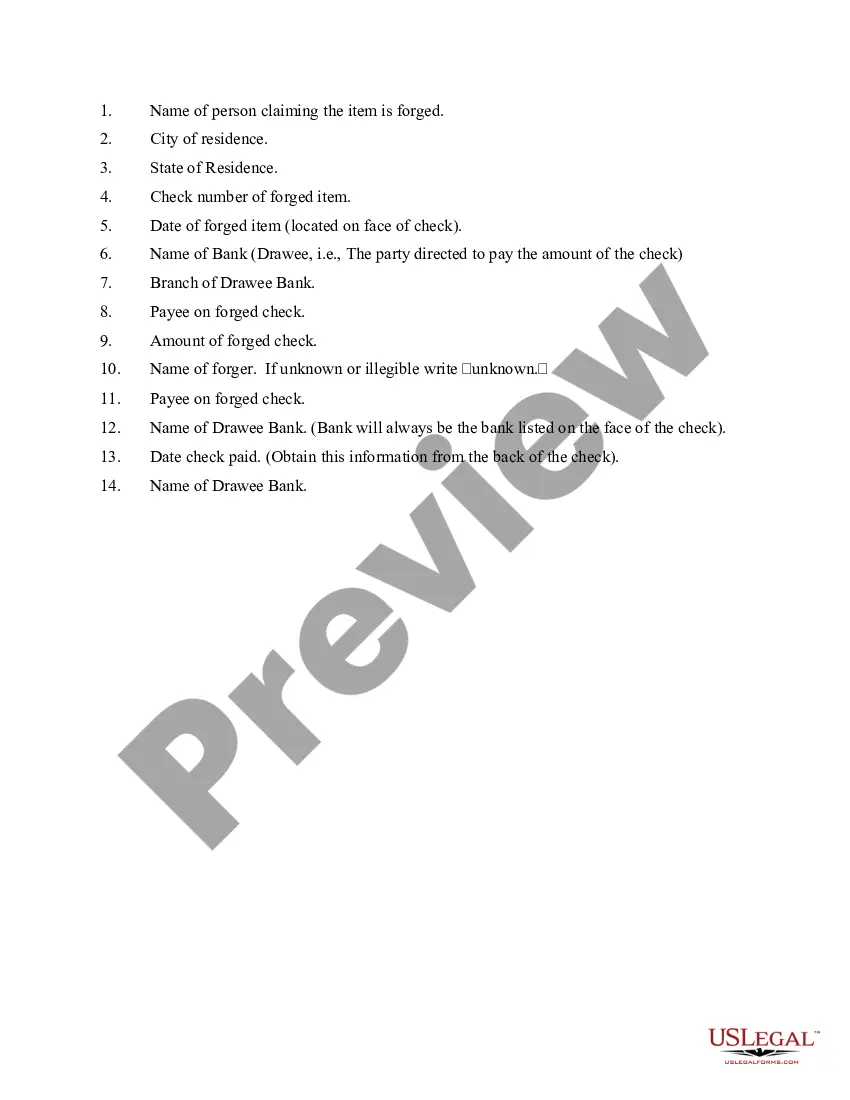
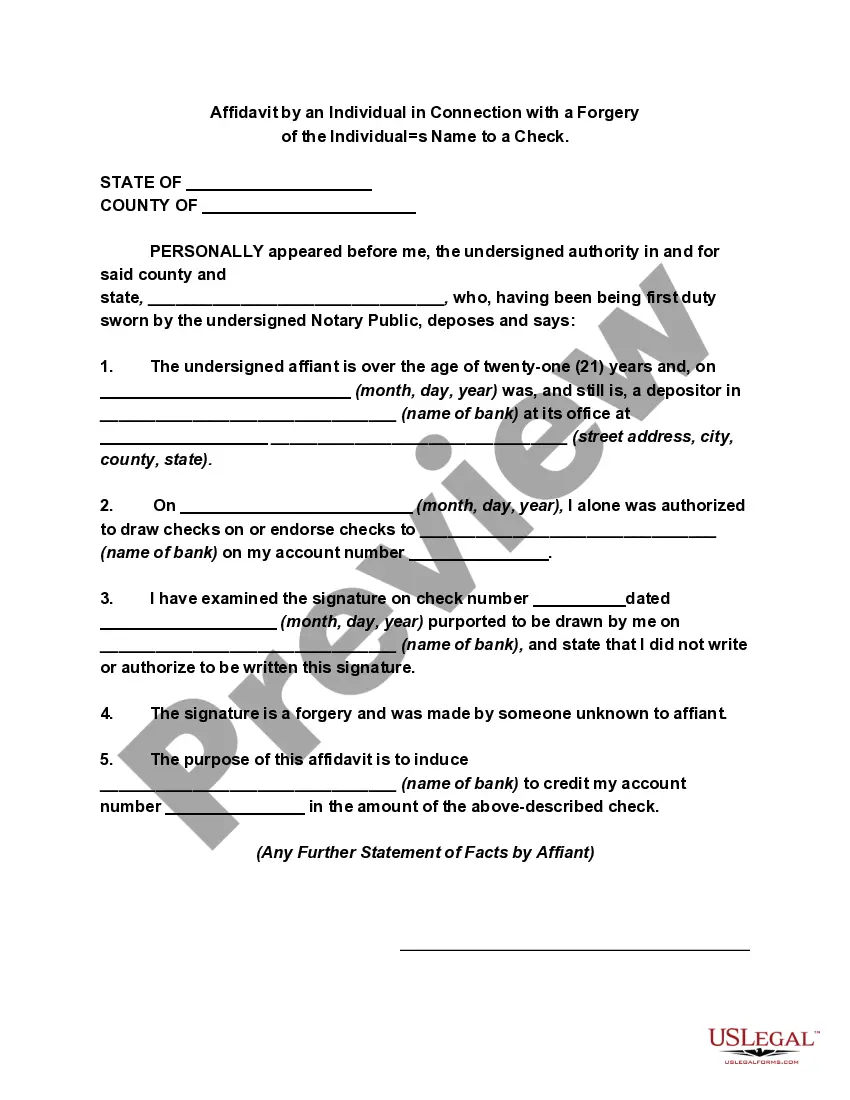
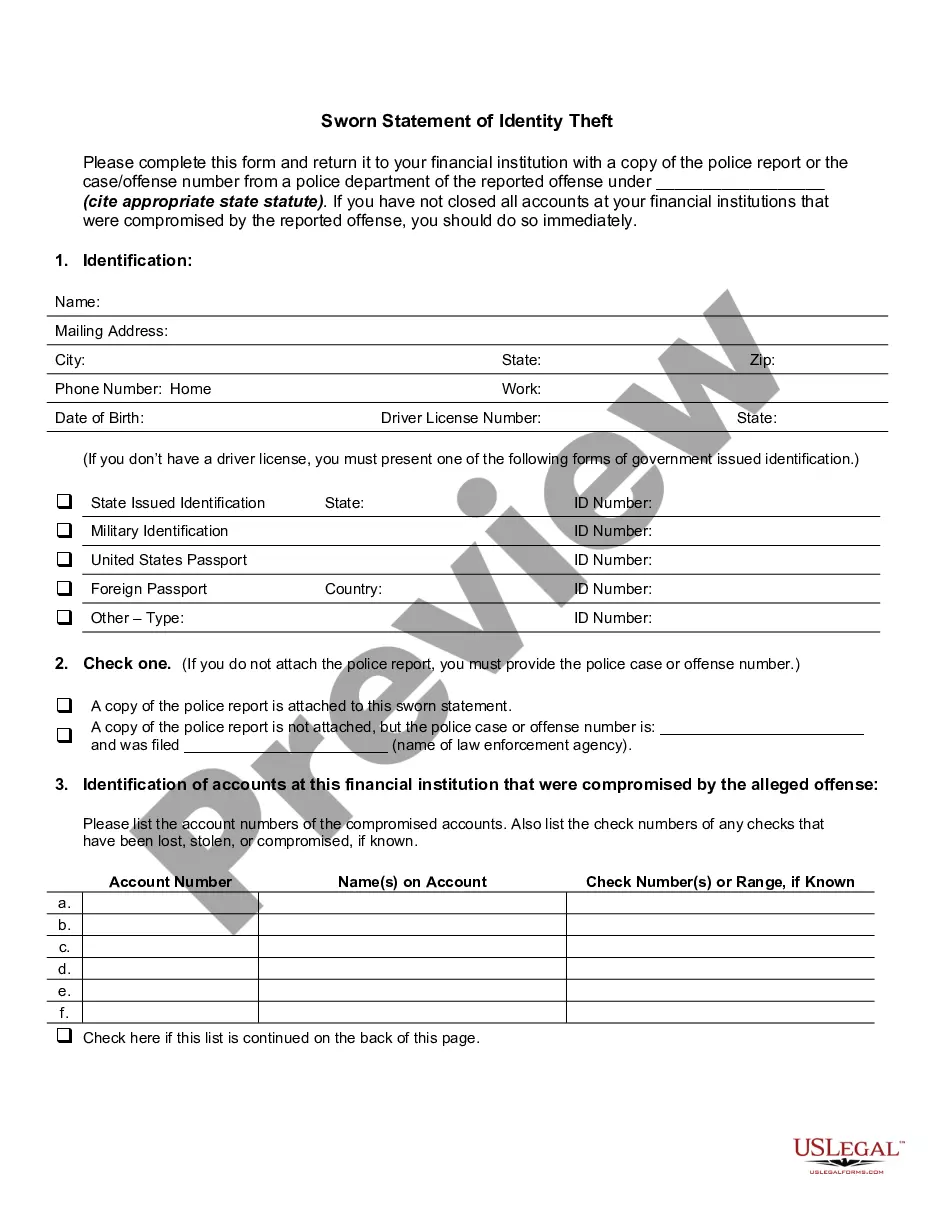
Get your form ready online
Our built-in tools help you complete, sign, share, and store your documents in one place.
Make edits, fill in missing information, and update formatting in US Legal Forms—just like you would in MS Word.
Download a copy, print it, send it by email, or mail it via USPS—whatever works best for your next step.
Sign and collect signatures with our SignNow integration. Send to multiple recipients, set reminders, and more. Go Premium to unlock E-Sign.
If this form requires notarization, complete it online through a secure video call—no need to meet a notary in person or wait for an appointment.
We protect your documents and personal data by following strict security and privacy standards.

Make edits, fill in missing information, and update formatting in US Legal Forms—just like you would in MS Word.

Download a copy, print it, send it by email, or mail it via USPS—whatever works best for your next step.

Sign and collect signatures with our SignNow integration. Send to multiple recipients, set reminders, and more. Go Premium to unlock E-Sign.

If this form requires notarization, complete it online through a secure video call—no need to meet a notary in person or wait for an appointment.

We protect your documents and personal data by following strict security and privacy standards.
Looking for another form?



Form popularity
FAQ
There are several ways to determine whether a document is genuine or fraudulent. In the finance industry, commonly d identity documents include bank statements, paychecks, IDs, Social Security cards, and insurance policies.
These days, you can detect document fraud thanks to artificial intelligence (AI) and machine learning to analyze metadata, visual structure, and internal integrity for signs of forgery.
Skilled forgery The hardest type of forgeries to detect, these signatures are produced by criminals who have spent a lot of time practicing and have the ability to replicate the actual signatures in a way that looks both accurate and relatively fluent to the eye.
The most common types of forged documents include: Fraudulent passports. False driver's licenses. Forged account numbers and signatures on a check. Forged signatures on contracts and invoices. False birth certificates.
Forgery refers to the fraudulent creation or alteration of a document with the intent to deceive others. This could involve signing someone else's name or altering an existing document in a way that misrepresents the truth.
Check for features that can change their appearance, such as holographic features and color-shifting inks. These features are often omitted from counterfeit documents or may be simulated with substances that do not change color or do not have the clarity and detail of genuine features.
Intent: The intent behind forgery is usually financial gain but may also be done to influence a person's opinion or to defraud another. In some cases, document forgery may be done simply to cause harm. Impersonation: In some cases, forgers may impersonate someone else in order to commit their crime.
Forgery is committed when: a person signs in another's name with the intent to defraud; a person alters the name, amount or payee's name with intent to defraud. Although a crime of forgery is committed, only the forged signature is considered invalid.