Forging Documents For Mortgage In California
Description

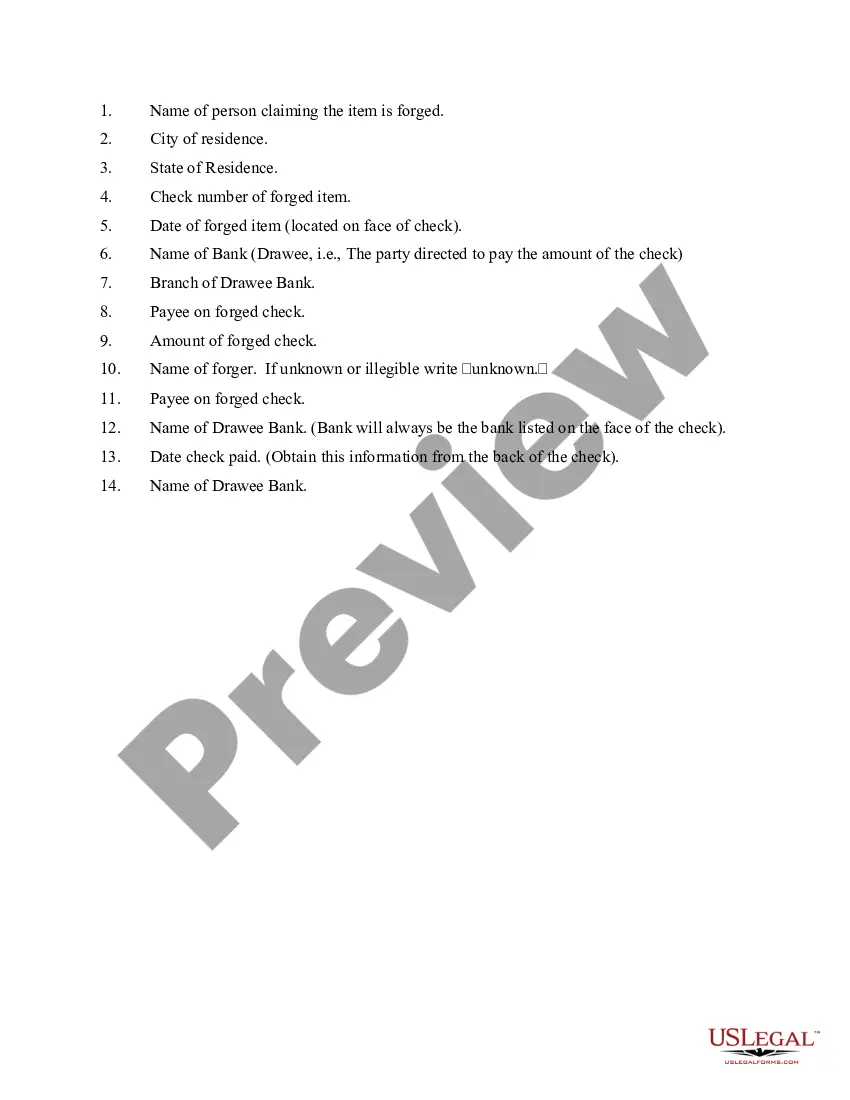
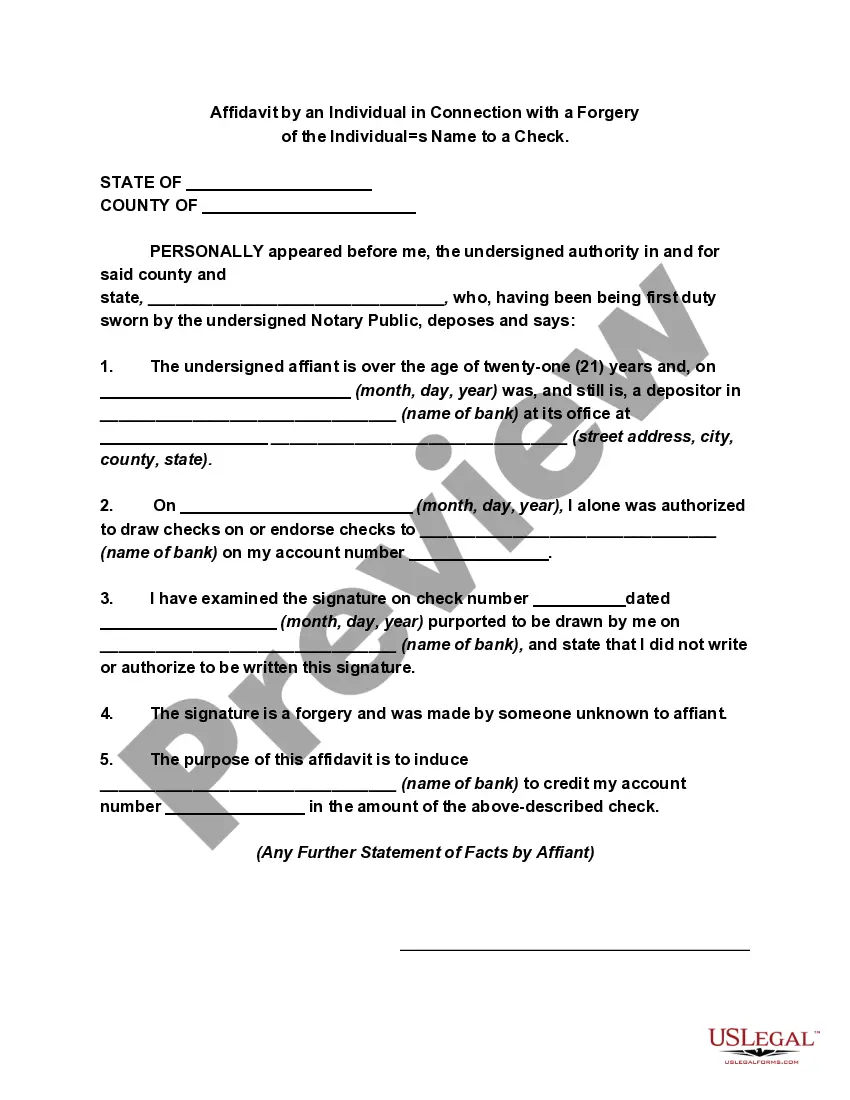
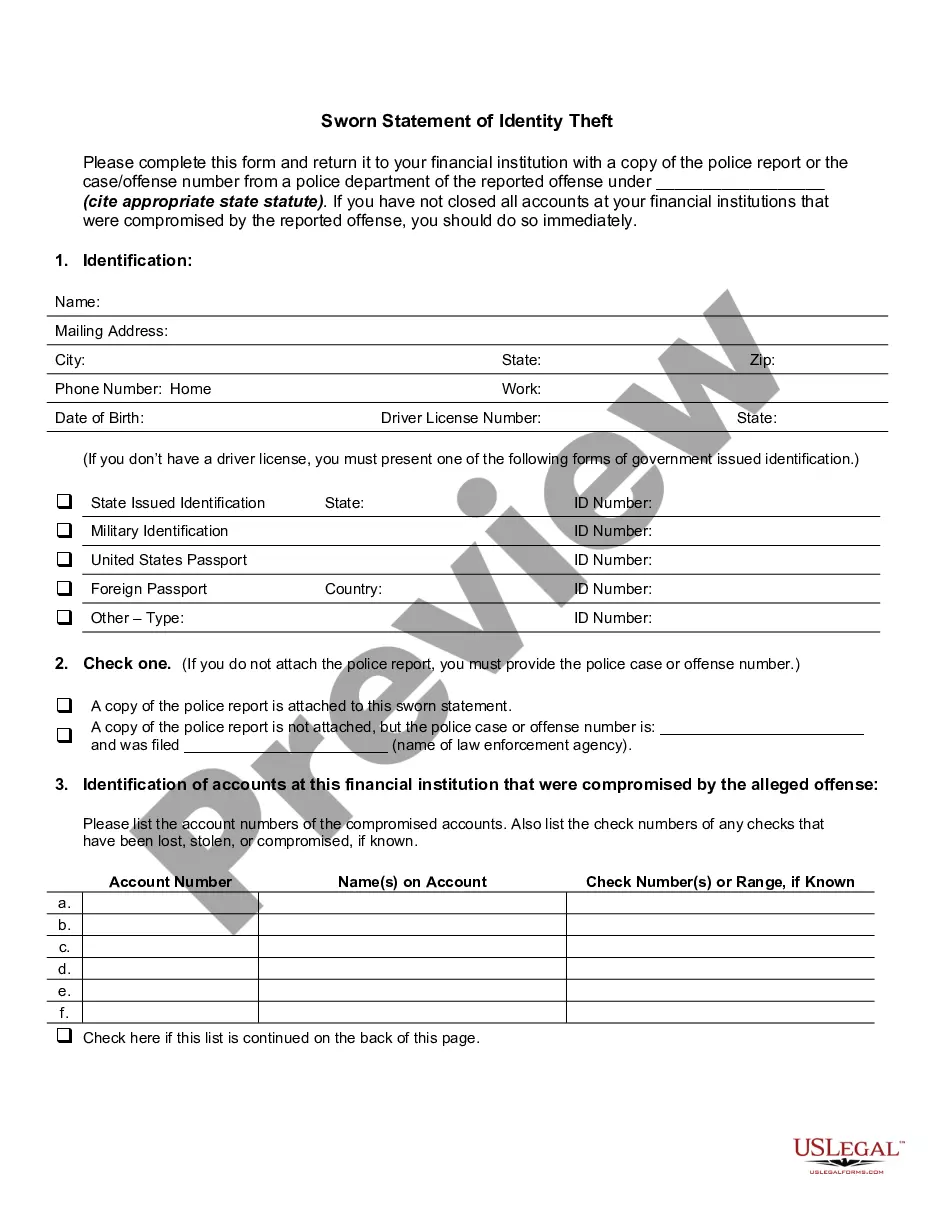
Get your form ready online
Our built-in tools help you complete, sign, share, and store your documents in one place.
Make edits, fill in missing information, and update formatting in US Legal Forms—just like you would in MS Word.
Download a copy, print it, send it by email, or mail it via USPS—whatever works best for your next step.
Sign and collect signatures with our SignNow integration. Send to multiple recipients, set reminders, and more. Go Premium to unlock E-Sign.
If this form requires notarization, complete it online through a secure video call—no need to meet a notary in person or wait for an appointment.
We protect your documents and personal data by following strict security and privacy standards.

Make edits, fill in missing information, and update formatting in US Legal Forms—just like you would in MS Word.

Download a copy, print it, send it by email, or mail it via USPS—whatever works best for your next step.

Sign and collect signatures with our SignNow integration. Send to multiple recipients, set reminders, and more. Go Premium to unlock E-Sign.

If this form requires notarization, complete it online through a secure video call—no need to meet a notary in person or wait for an appointment.

We protect your documents and personal data by following strict security and privacy standards.
Looking for another form?

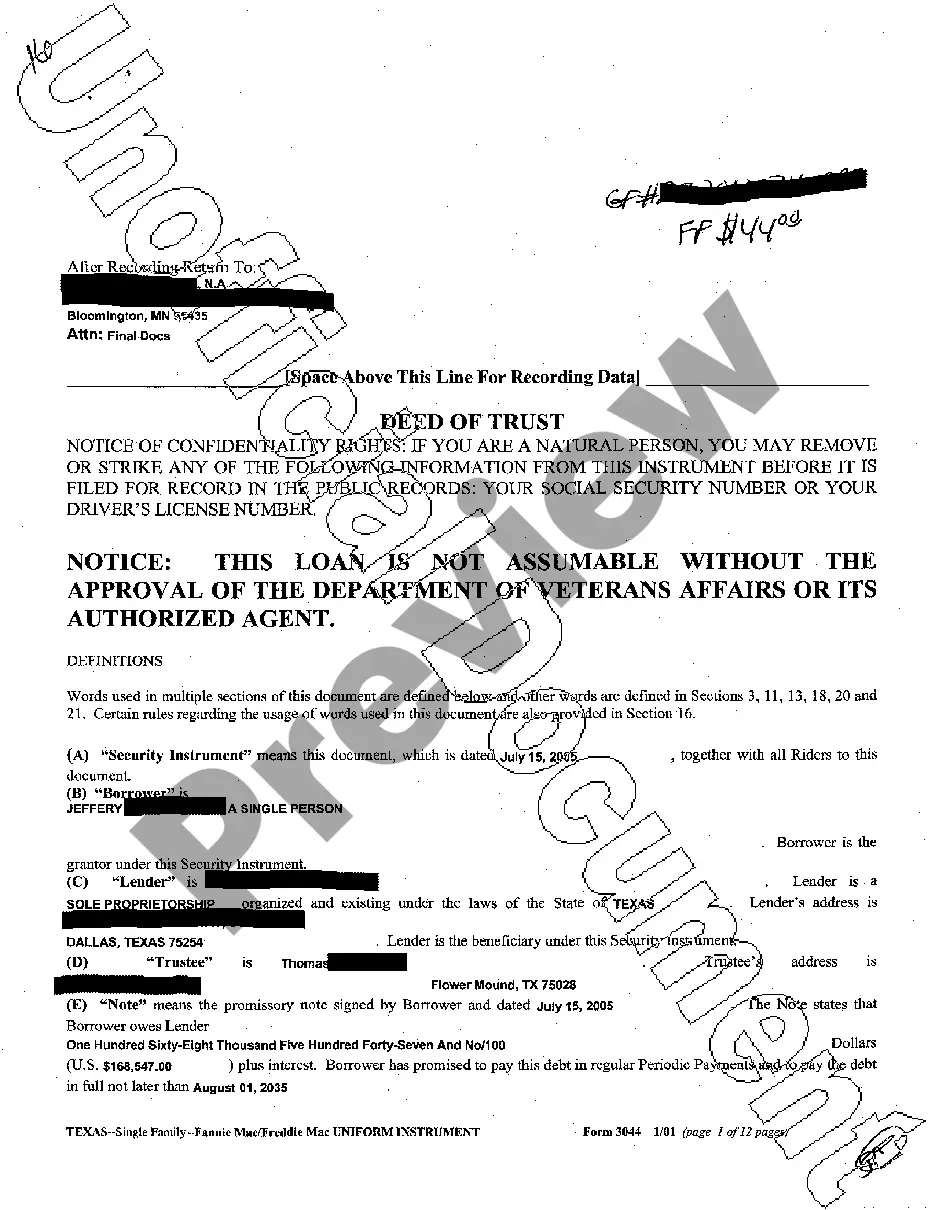

Form popularity
FAQ
Forgery, in law, making of a false writing with an intent to defraud. Writing, to be forgery, must either have legal significance or be commonly relied upon in business transactions. It need not be handwriting; the law of forgery covers printing, engraving, and typewriting as well.
Under California Penal Code Section 470 (a): "Every person who, with the intent to defraud, knowing that he or she has no authority to do so, signs the name of another person or a fictitious person to any of the items listed in subdivision (d) is guilty of forgery." Subdivision (d) lists a variety of items including ...
To prove someone is guilty of PC 470, the prosecutor must prove the following elements beyond a reasonable doubt: Defendant signed with another person's name or name; Defendant knew they did not have the authority to do so; Defendant did not have the authority to sign a name or another person's name;
Penalties If charged as a misdemeanor, the defendant can be sentenced to up to a year in jail, restitution to the victim and substantial court fines. If charged as a felony, the defendant can potentially be sentenced to up to three years in prison, in addition to fines and restitution.
Forgery is when you make a document "that you know to be false" with the intent of passing it off as genuine. This action is illegal under s. 366 of the Criminal Code, which states that forgery includes adding, altering or removing material from a genuine document.
Learn about the most common types of consumer fraud, how each type works, the warning signs, and how to protect yourself and others. Debt Collection Fraud. Elder Financial Exploitation. Financial and Investment Fraud. Holiday and Gift Card Scams. Identity Theft. Imposter Scams. Mortgage Fraud. Online and Digital Scams.
Any person may record in the office of the county recorder of any county fictitious mortgages and deeds of trust of real property. Those fictitious mortgages and deeds of trust need not be acknowledged, or proved or certified to be recorded or entitled to record.
Forgery can refer to a completely fabricated document or a document that has been altered to show fraudulent information. Forging or counterfeiting a document is a criminal offense, as is knowingly using or possessing a forged or counterfeit document.
Forged documents, on the other hand, are authentic but have alterations. For instance, someone alters a photo or changes the name or birthdate printed on an ID. They can even make an entire document look like a different government agency issued it.
Forgery can refer to a completely fabricated document or a document that has been altered to show fraudulent information. Forging or counterfeiting a document is a criminal offense, as is knowingly using or possessing a forged or counterfeit document.
