Asset Purchase In Business In Chicago
Description

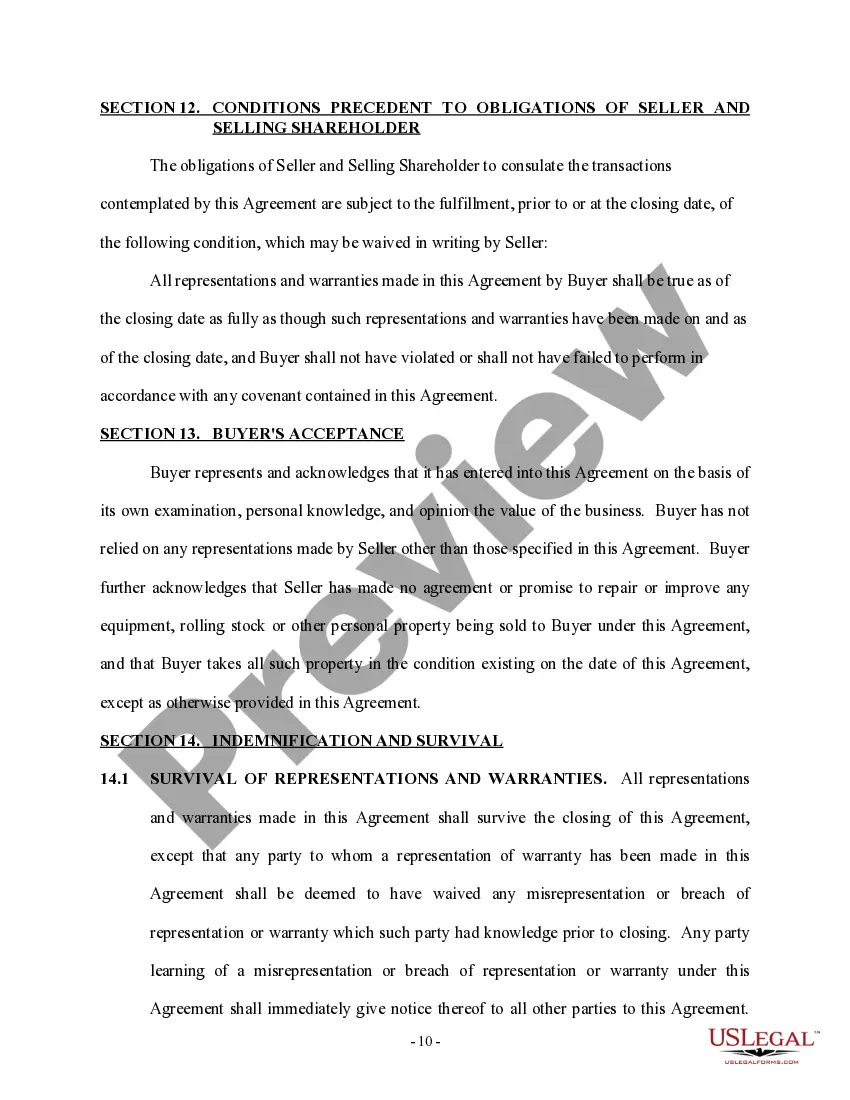


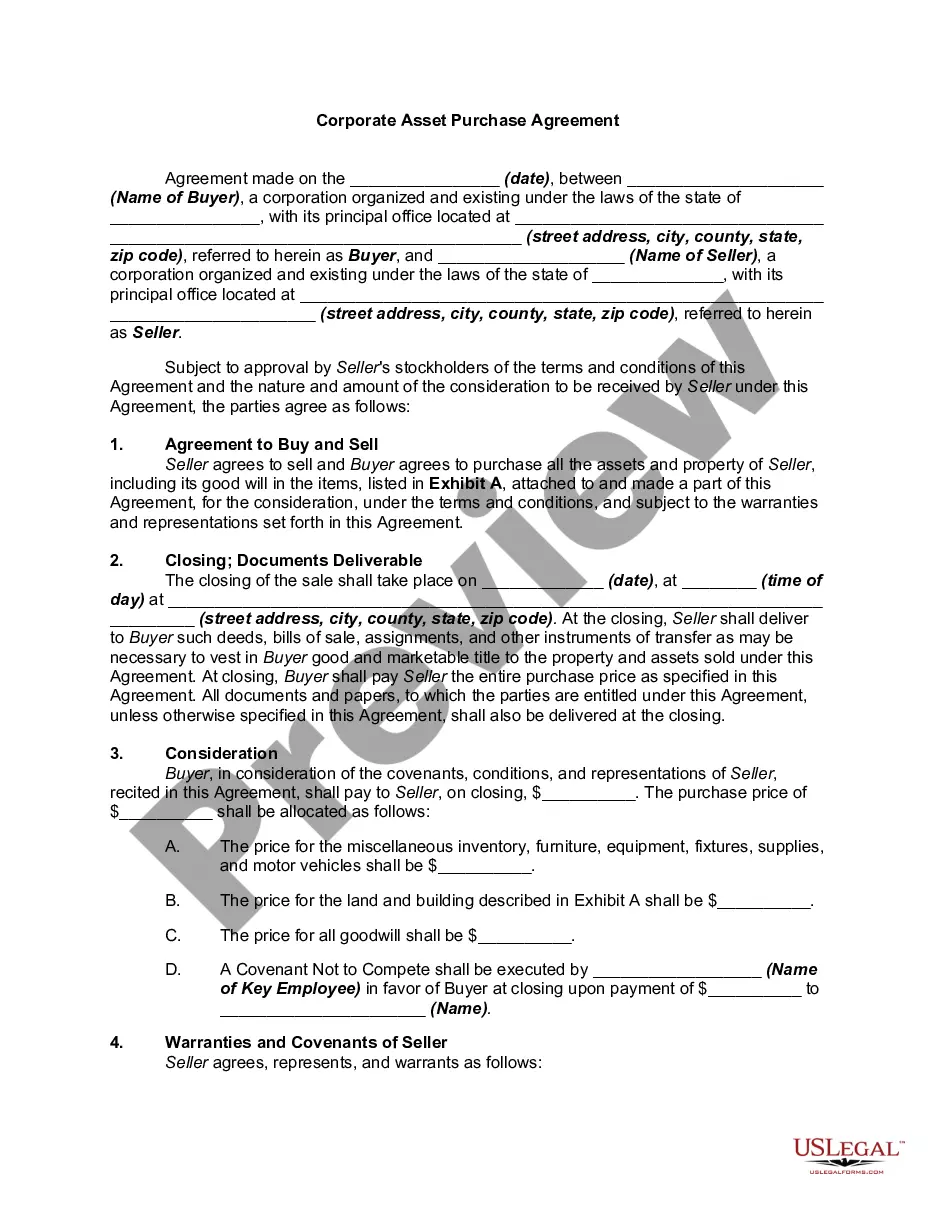
Get your form ready online
Our built-in tools help you complete, sign, share, and store your documents in one place.
Make edits, fill in missing information, and update formatting in US Legal Forms—just like you would in MS Word.
Download a copy, print it, send it by email, or mail it via USPS—whatever works best for your next step.
Sign and collect signatures with our SignNow integration. Send to multiple recipients, set reminders, and more. Go Premium to unlock E-Sign.
If this form requires notarization, complete it online through a secure video call—no need to meet a notary in person or wait for an appointment.
We protect your documents and personal data by following strict security and privacy standards.

Make edits, fill in missing information, and update formatting in US Legal Forms—just like you would in MS Word.

Download a copy, print it, send it by email, or mail it via USPS—whatever works best for your next step.

Sign and collect signatures with our SignNow integration. Send to multiple recipients, set reminders, and more. Go Premium to unlock E-Sign.

If this form requires notarization, complete it online through a secure video call—no need to meet a notary in person or wait for an appointment.

We protect your documents and personal data by following strict security and privacy standards.
Looking for another form?

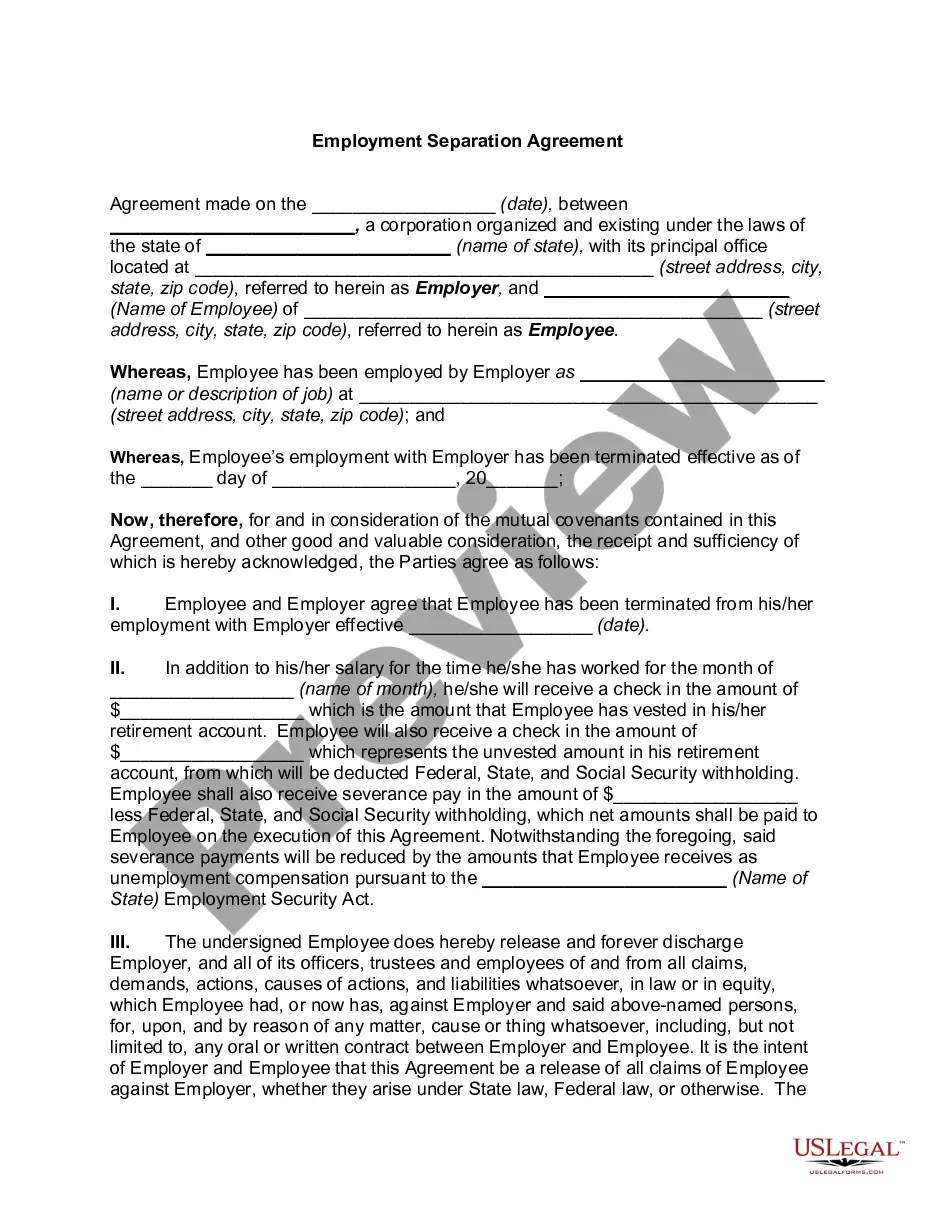


Form popularity
FAQ
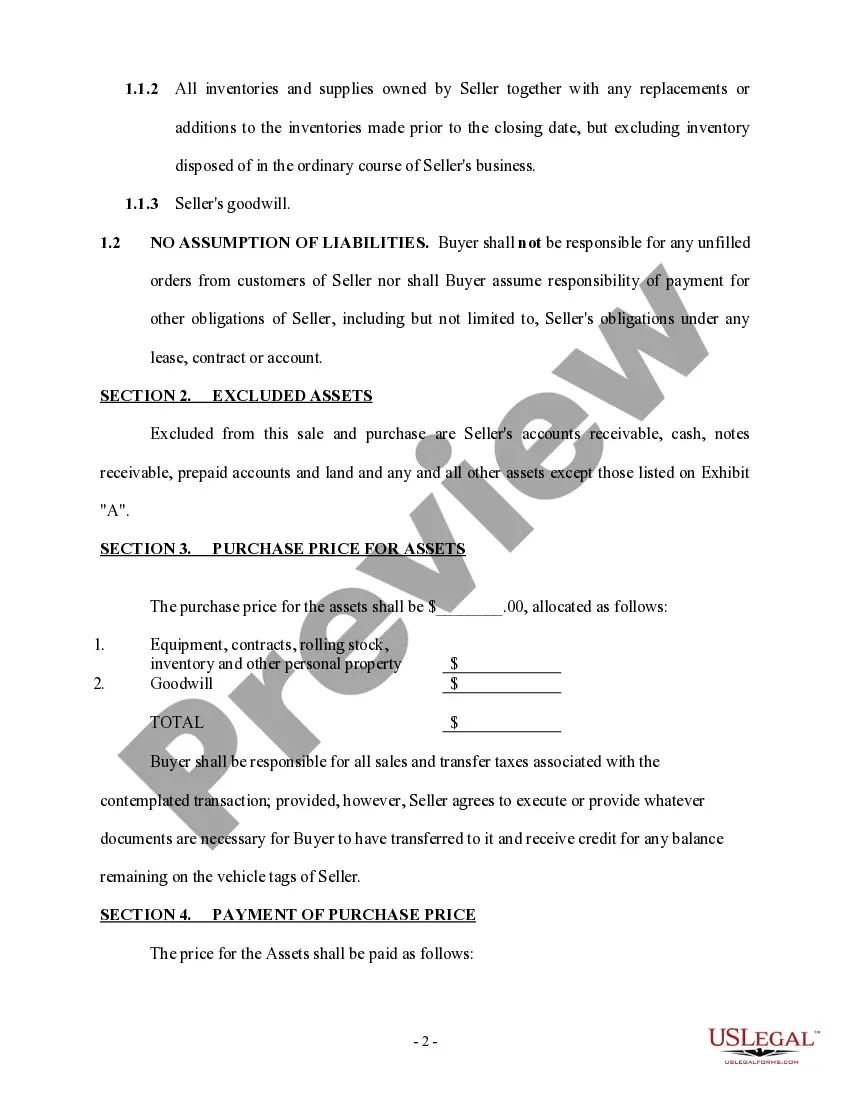
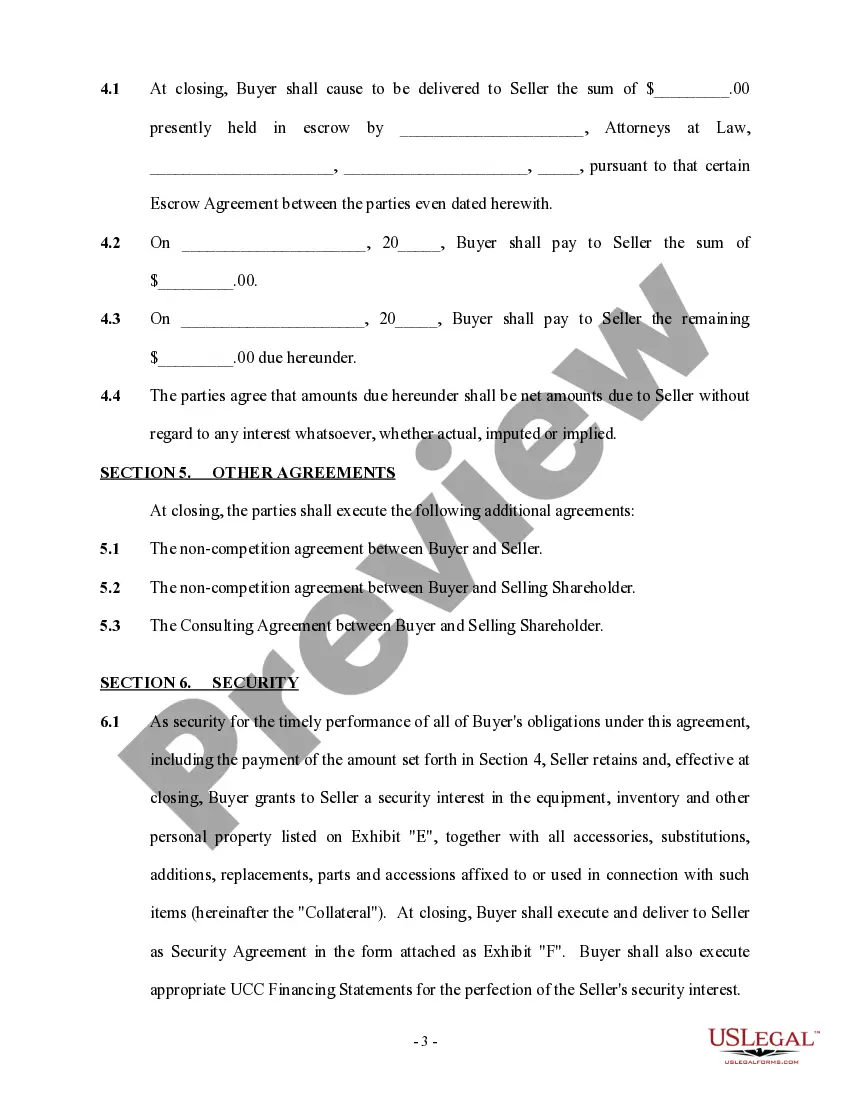
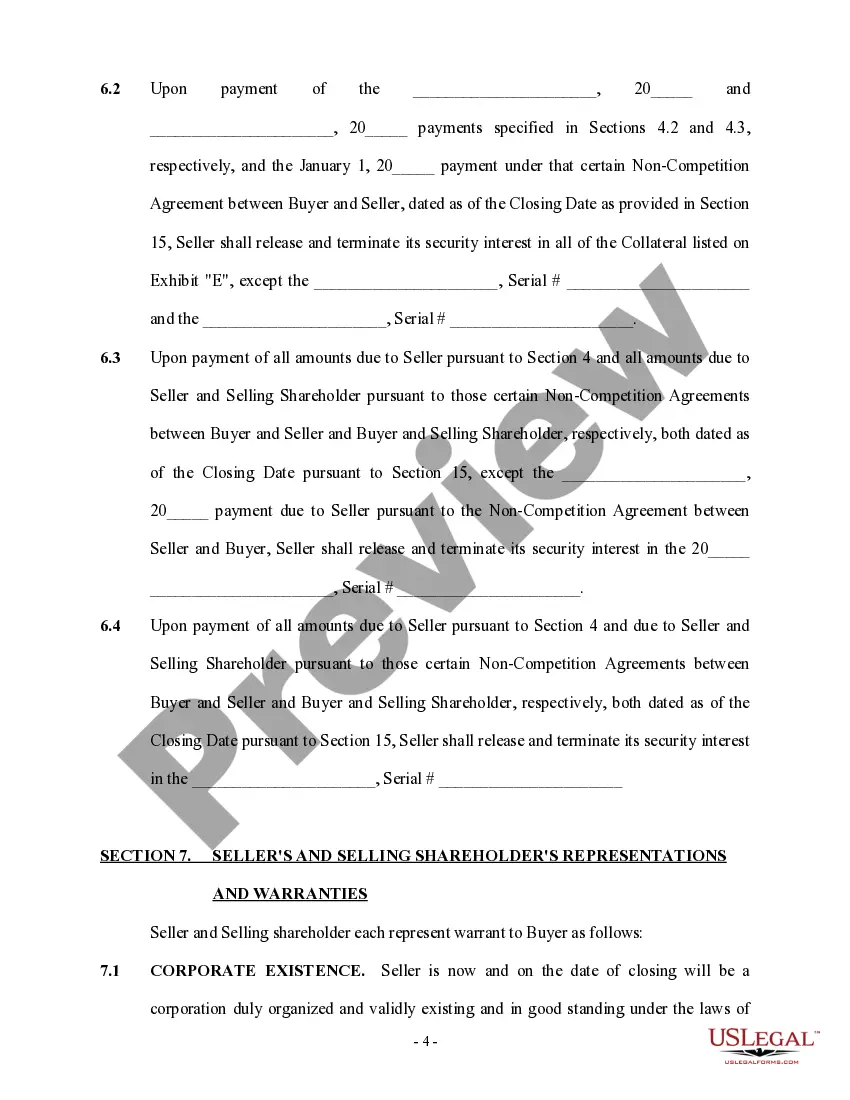
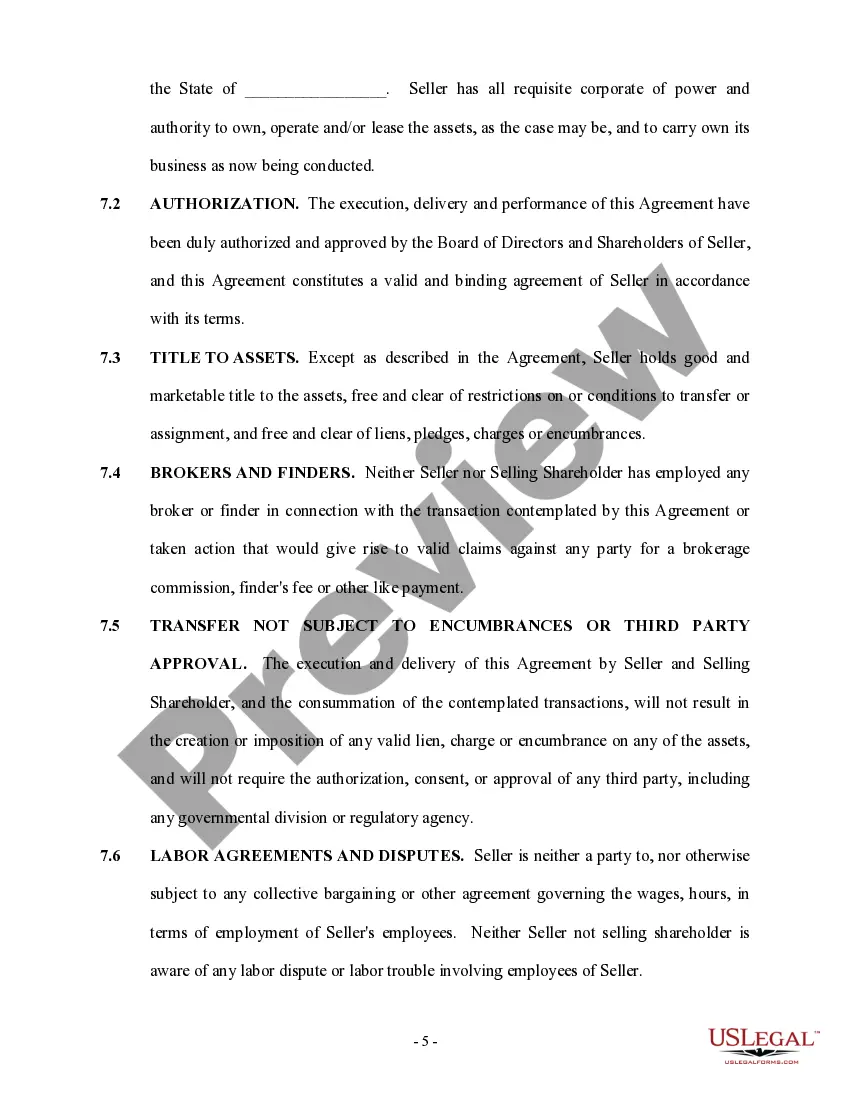
If you operate your business as a corporation, the corporation owns the assets, and you can't simply convert a business asset to personal use as you can with a proprietorship. When you operate as a corporation and you want the corporation's assets, the corporation needs to effectively sell you those assets.
Purchasing assets When you buy a company's assets, you buy the property it owns. Because you are not buying the company itself, you will not assume responsibility for its obligations. In this case, the vendor or the company itself will remain responsible for the lease after the sale.
The Procurement process provides a basic Asset Management lifecycle for procuring assets. It uses related actions on a corresponding Configuration Management process, so you need to ensure that the default process for each CI type you want to use with this process includes these actions.
Asset management is the process of planning and controlling the acquisition, operation, maintenance, renewal, and disposal of organizational assets. This process improves the delivery potential of assets and minimizes the costs and risks involved.
When assets are held in the name of a company, the company is the legal owner and not a person who holds shares in the company. This applies even if the person is the majority shareholder and has effective control of the company.
Legal ownership refers to ownership of assets such as shares, real estate, or other possessions on paper. The person whose name appears on the legal documents is considered the legal owner, with all rights and responsibilities associated.
An individual (sole trader) and a company are legal entities as they can own assets, be sued and enter into contracts with other legal entities.
