New York State Deferred Compensation Plan Terms Of Withdrawal In Georgia
Description

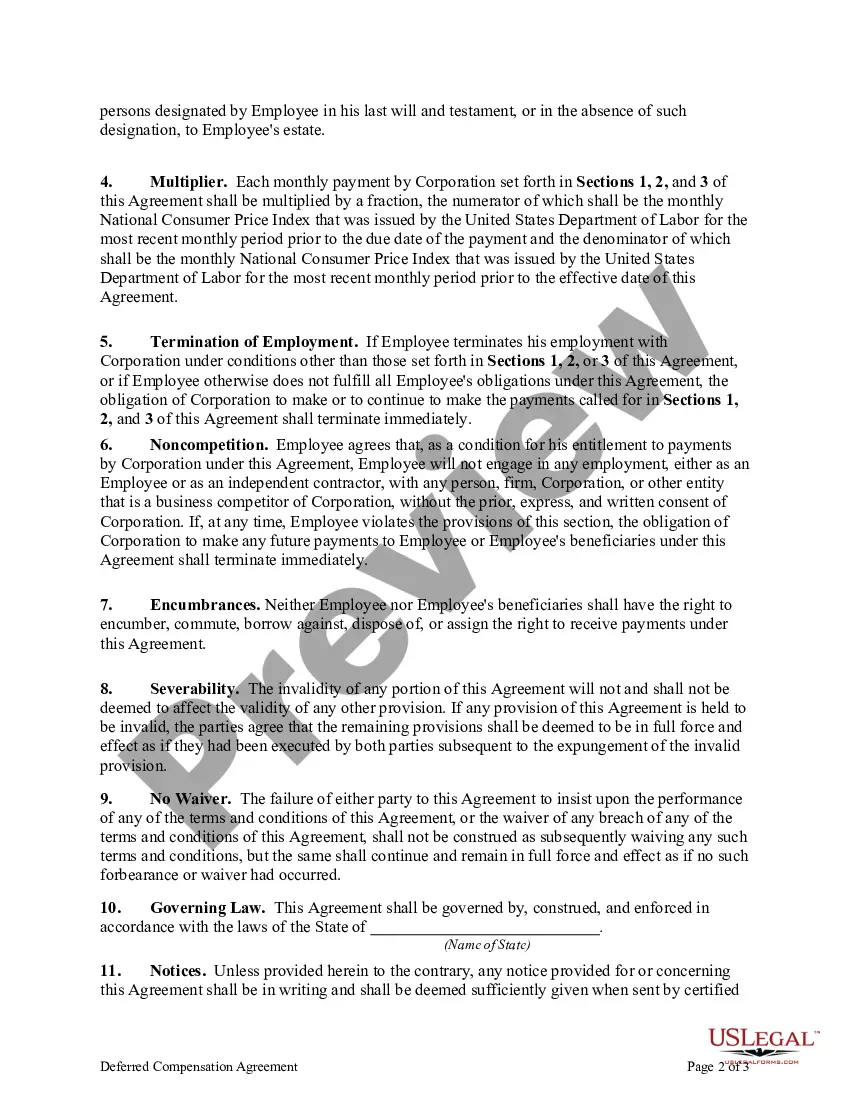
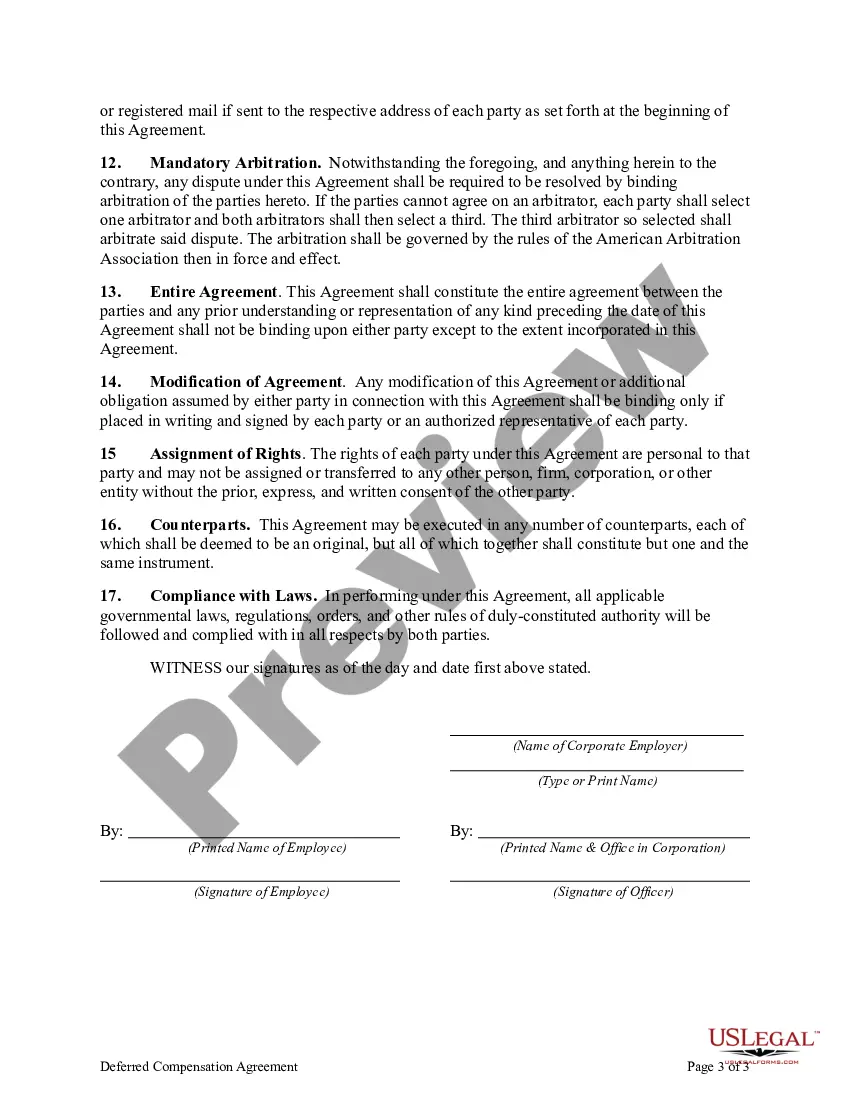

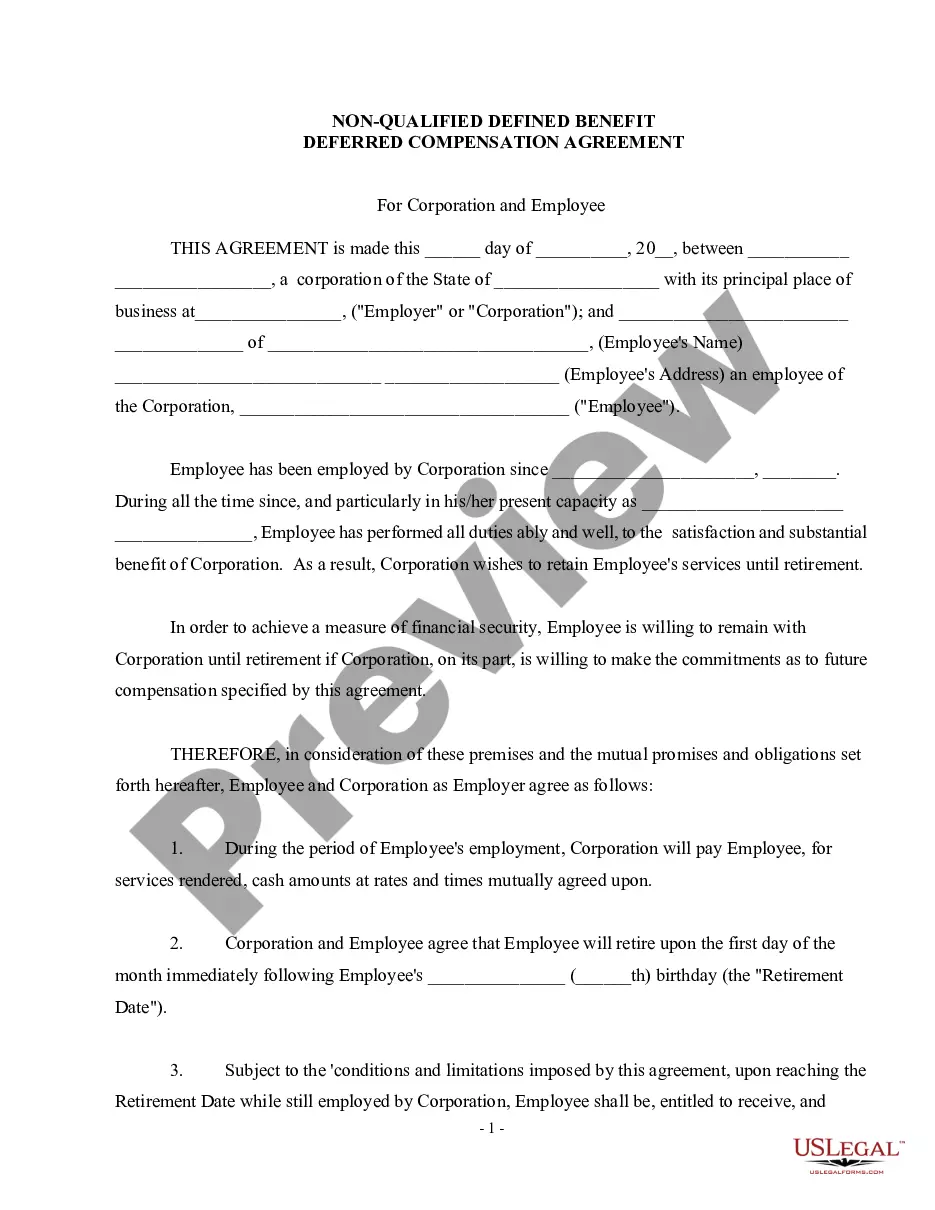
Get your form ready online
Our built-in tools help you complete, sign, share, and store your documents in one place.
Make edits, fill in missing information, and update formatting in US Legal Forms—just like you would in MS Word.
Download a copy, print it, send it by email, or mail it via USPS—whatever works best for your next step.
Sign and collect signatures with our SignNow integration. Send to multiple recipients, set reminders, and more. Go Premium to unlock E-Sign.
If this form requires notarization, complete it online through a secure video call—no need to meet a notary in person or wait for an appointment.
We protect your documents and personal data by following strict security and privacy standards.

Make edits, fill in missing information, and update formatting in US Legal Forms—just like you would in MS Word.

Download a copy, print it, send it by email, or mail it via USPS—whatever works best for your next step.

Sign and collect signatures with our SignNow integration. Send to multiple recipients, set reminders, and more. Go Premium to unlock E-Sign.

If this form requires notarization, complete it online through a secure video call—no need to meet a notary in person or wait for an appointment.

We protect your documents and personal data by following strict security and privacy standards.
Looking for another form?










Form popularity
FAQ
You may keep your contributions in the Plan and continue to build savings for retirement. However, you may withdraw your contributions if you: Have a Plan account balance of less than $5,000, exclusive of any assets you may have in a rollover account, AND. Have not contributed to the Plan in the last two years, AND.
401(k) Plan Employer contribution balances (if any) are not eligible for financial hardship withdrawal. Taxable amounts withdrawn prior to age 59½ are generally subject to a 10% early withdrawal penalty.
You owe no tax if you keep your assets in the 401k, or roll it over (into another 401k plan, or a rollover IRA). If you take a distribution (you should not), then you owe income tax (federal and state) on the balance, plus an extra 10% off the top (assuming you're under 59.5 years old).
Generally, early distributions are those you receive from an IRA before reaching age 59½. The 10% additional tax applies to the part of the distribution that you have to include in gross income. It's in addition to any regular income tax on that amount.
It is also known as a deferred compensation or deferred comp plan here's how it typically works youMoreIt is also known as a deferred compensation or deferred comp plan here's how it typically works you select a specific amount or percentage of your income to be contributed from each paycheck to your
The Plan is a supplemental retirement savings plan. New York State retirement plans will generally provide your primary retirement income. The Plan differs from other defined contribution retirement plans (like a 401(k) or 403(b)), because it is designed and managed with public employees in mind.
Traditional pension plans, such as those offered by NYSLRS. 401(k), 403(b), 457(b) and other similar plans. Guaranteed monthly payments for life. Payments are not guaranteed to last through retirement.
The Plan differs from other defined contribution retirement plans (like a 401(k) or 403(b)), because it is designed and managed with public employees in mind. The New York State Deferred Compensation Board establishes and administers the Plan policies.
