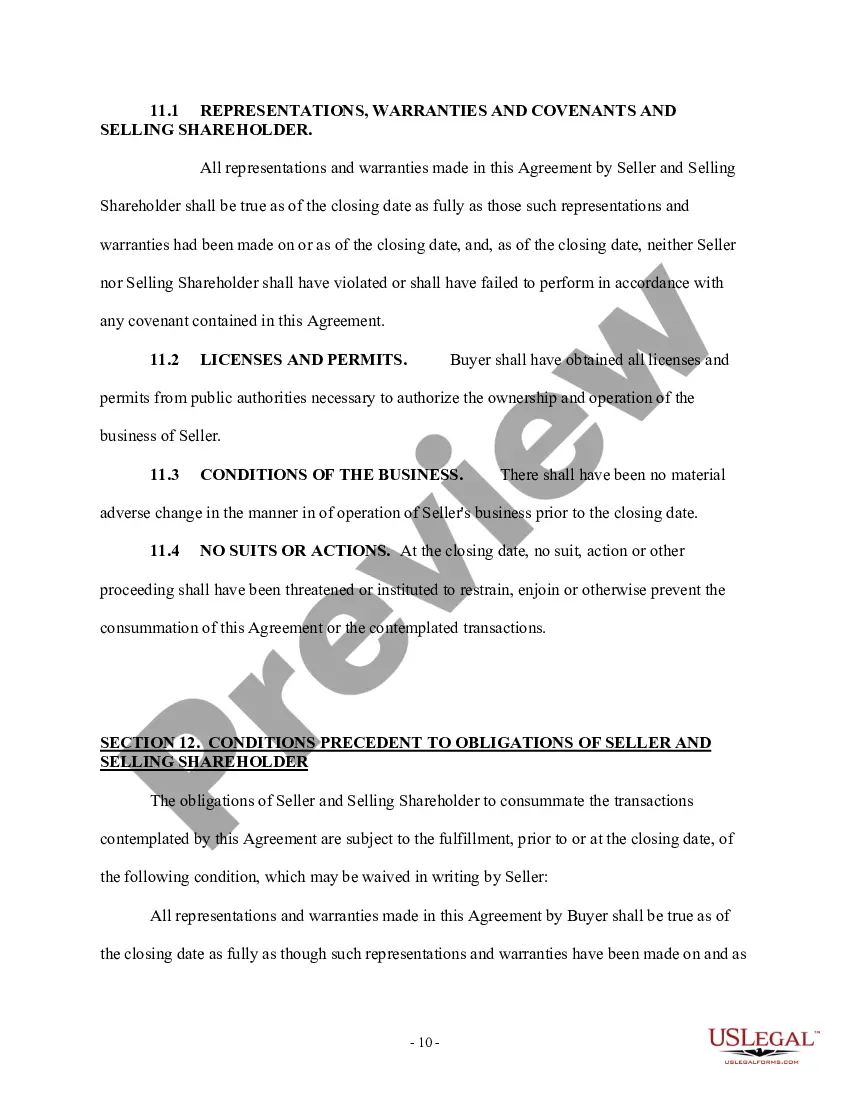
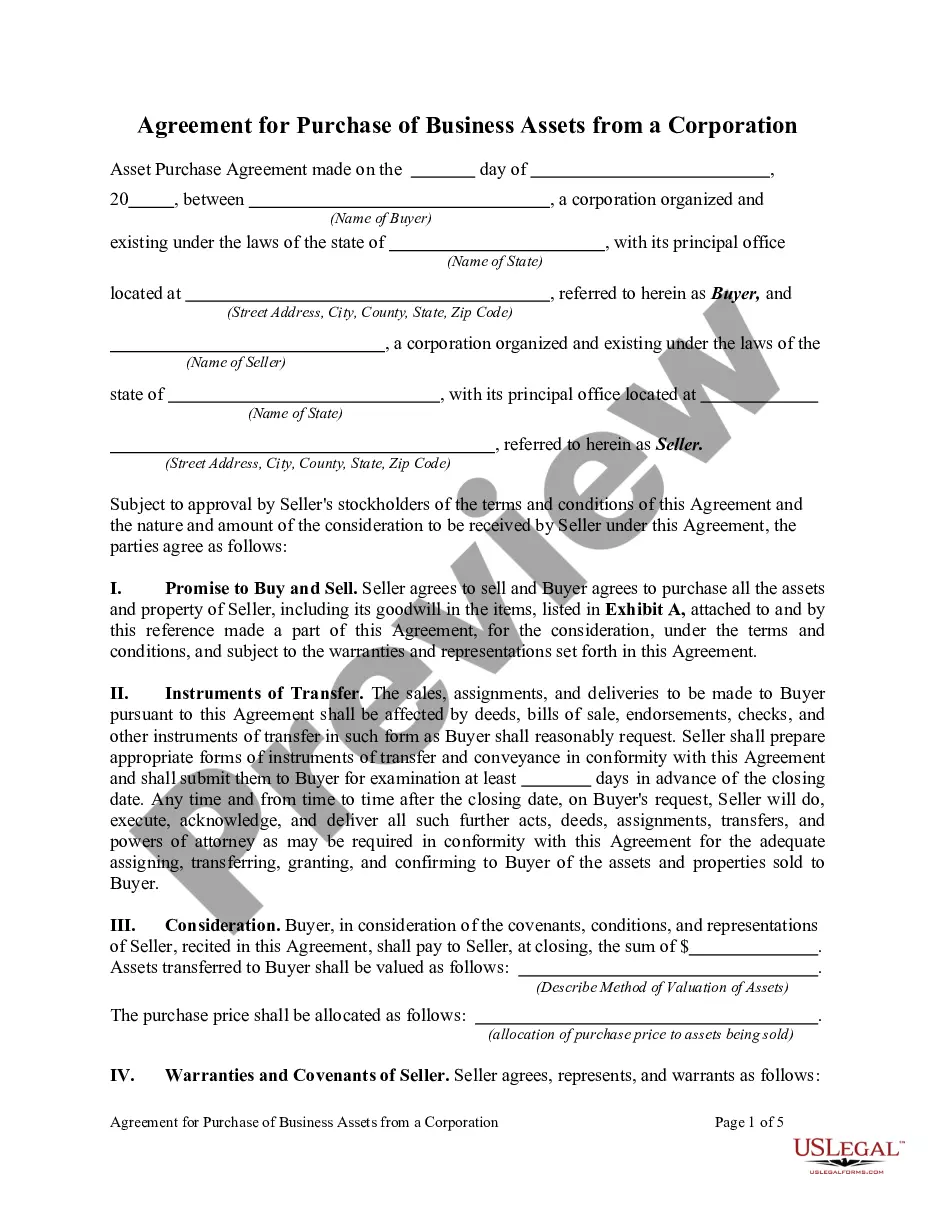
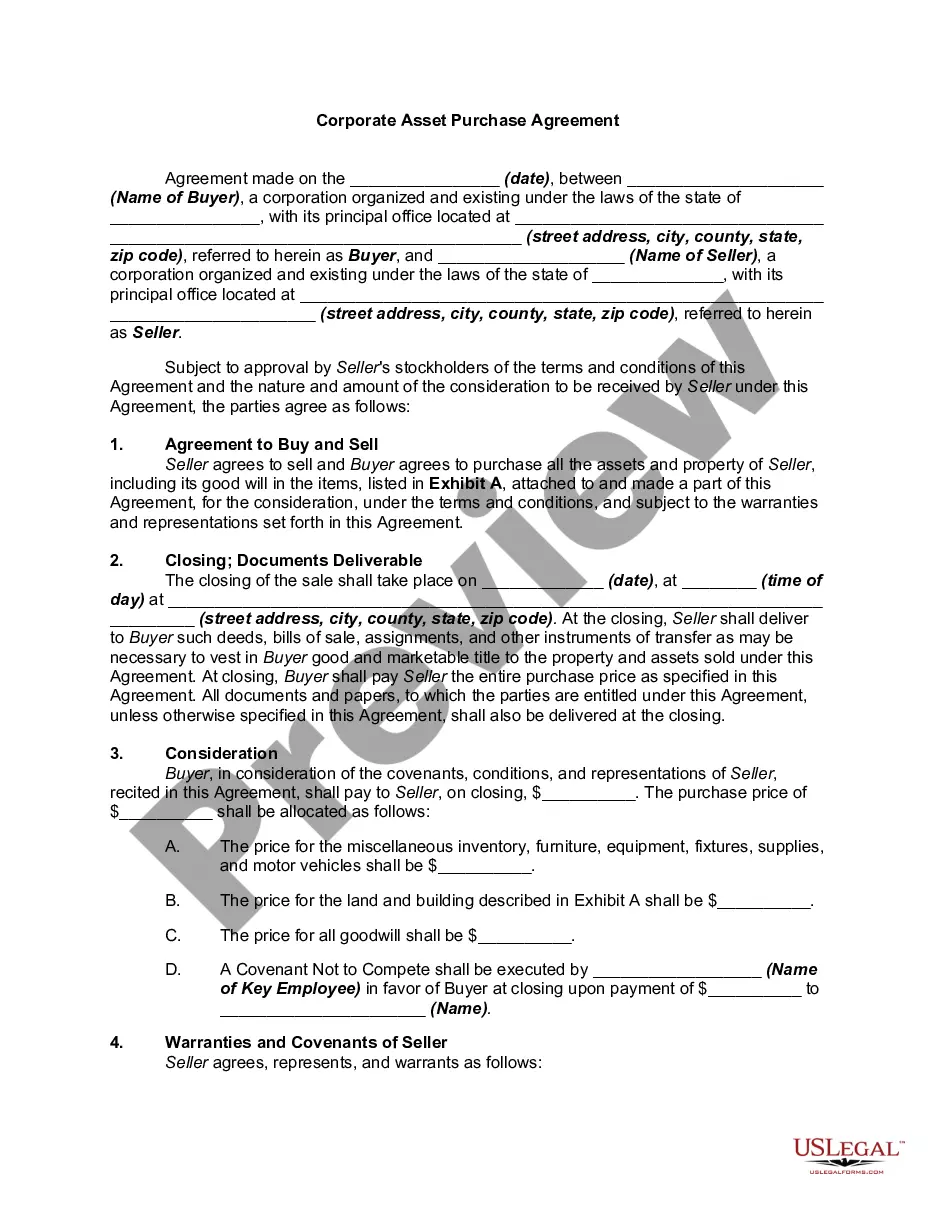
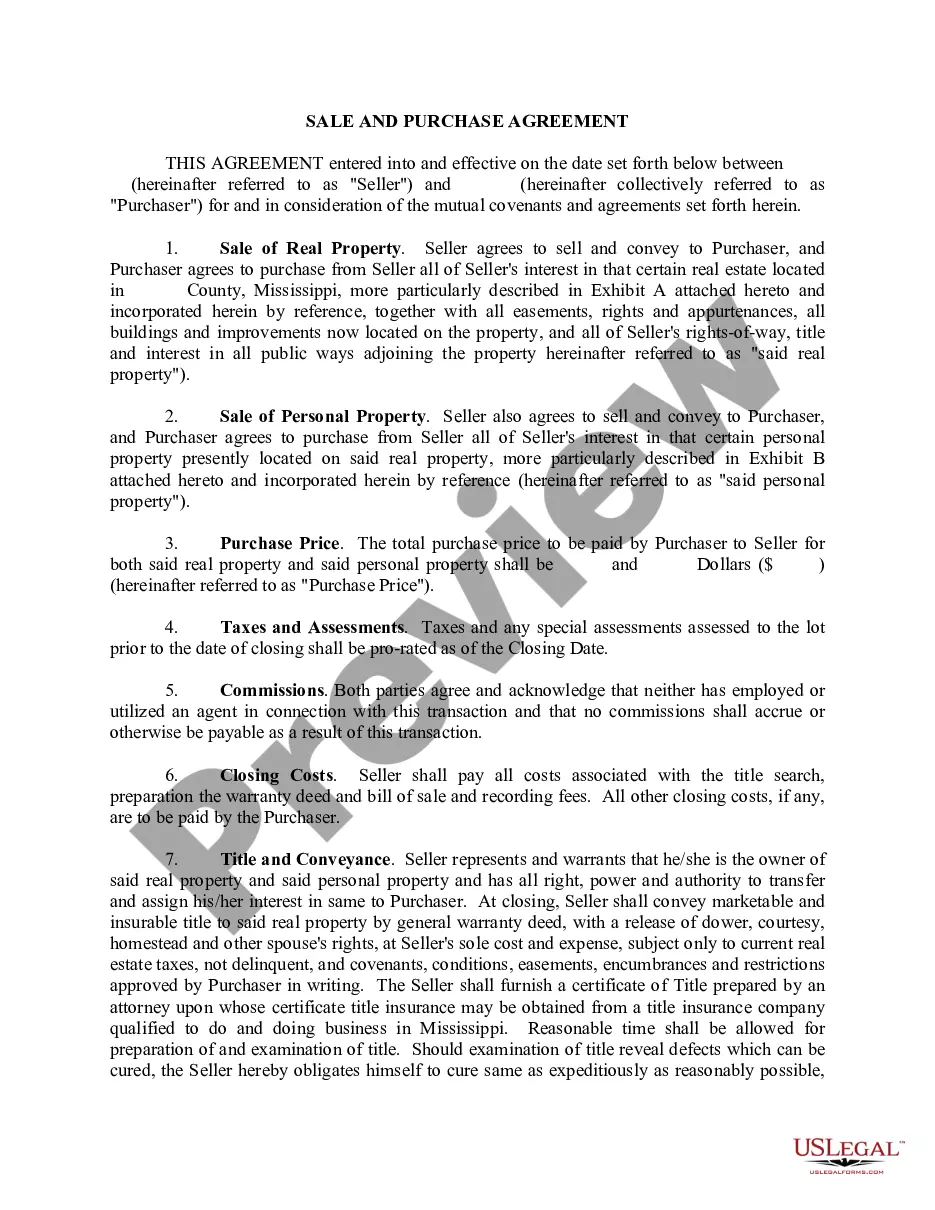
Purchase And Sale Agreement For Commercial Real Estate In Maricopa
Description



Get your form ready online
Our built-in tools help you complete, sign, share, and store your documents in one place.
Make edits, fill in missing information, and update formatting in US Legal Forms—just like you would in MS Word.
Download a copy, print it, send it by email, or mail it via USPS—whatever works best for your next step.
Sign and collect signatures with our SignNow integration. Send to multiple recipients, set reminders, and more. Go Premium to unlock E-Sign.
If this form requires notarization, complete it online through a secure video call—no need to meet a notary in person or wait for an appointment.
We protect your documents and personal data by following strict security and privacy standards.

Make edits, fill in missing information, and update formatting in US Legal Forms—just like you would in MS Word.

Download a copy, print it, send it by email, or mail it via USPS—whatever works best for your next step.

Sign and collect signatures with our SignNow integration. Send to multiple recipients, set reminders, and more. Go Premium to unlock E-Sign.

If this form requires notarization, complete it online through a secure video call—no need to meet a notary in person or wait for an appointment.

We protect your documents and personal data by following strict security and privacy standards.
Looking for another form?






Form popularity
FAQ
How do you write a contract for sale? Title the document appropriately. List all parties involved in the agreement. Detail the product or service, including all rights, warranties, and limitations. Specify the duration of the contract and any important deadlines.
1. Sales agreement. A sales agreement is the most fundamental sales contract. This is the document between a buyer and a seller that explains what's being purchased and the terms of the sale.
To write a simple contract, title it clearly, identify all parties and specify terms (services or payments). Include an offer, acceptance, consideration, and intent. Add a signature and date for enforceability. Written contracts reduce disputes and offer better legal security than verbal ones.
There are several ways to get an Arizona beneficiary deed. You could draft the document yourself following Arizona state guidelines and submit it to the correct county office. There are also online services that you can use to complete the deed and submit it on your own once it is notarized.
A deed is signed only by the grantor(s), not the grantee. A deed does not have to be recorded to be valid, but recording is very common. Bailey Law Firm advises clients on what deed is appropriate for their circumstance.
To start your deed search, first determine the county covering the land at the time the deed was made. Then contact that county recorders office. All Arizona counties have at least some land records online, check the websites below.
Maricopa is a city in Kern County, California. Maricopa is located 6.5 miles (10 km) south-southeast of Taft, at an elevation of 883 feet (269 m).
Property legal descriptions can be found on a property's officially recorded documents. A document search online or at the Recorder's Office may be necessary. Due to space limitations, the county is sometimes unable to use complete legal descriptions on the website, Assessor notices, and tax bills from the Treasurer.
Pinal County Maricopa / County
The LPV is established by what is called a “Rule B” ratio. The Rule B ratio is the ratio of the average LPV to the average FCV for similar properties in the same classification throughout the county. Rule B ratios vary by county, by class of property, and by tax year.
