Purchased Financial Asset With Credit Deterioration In Florida
Description

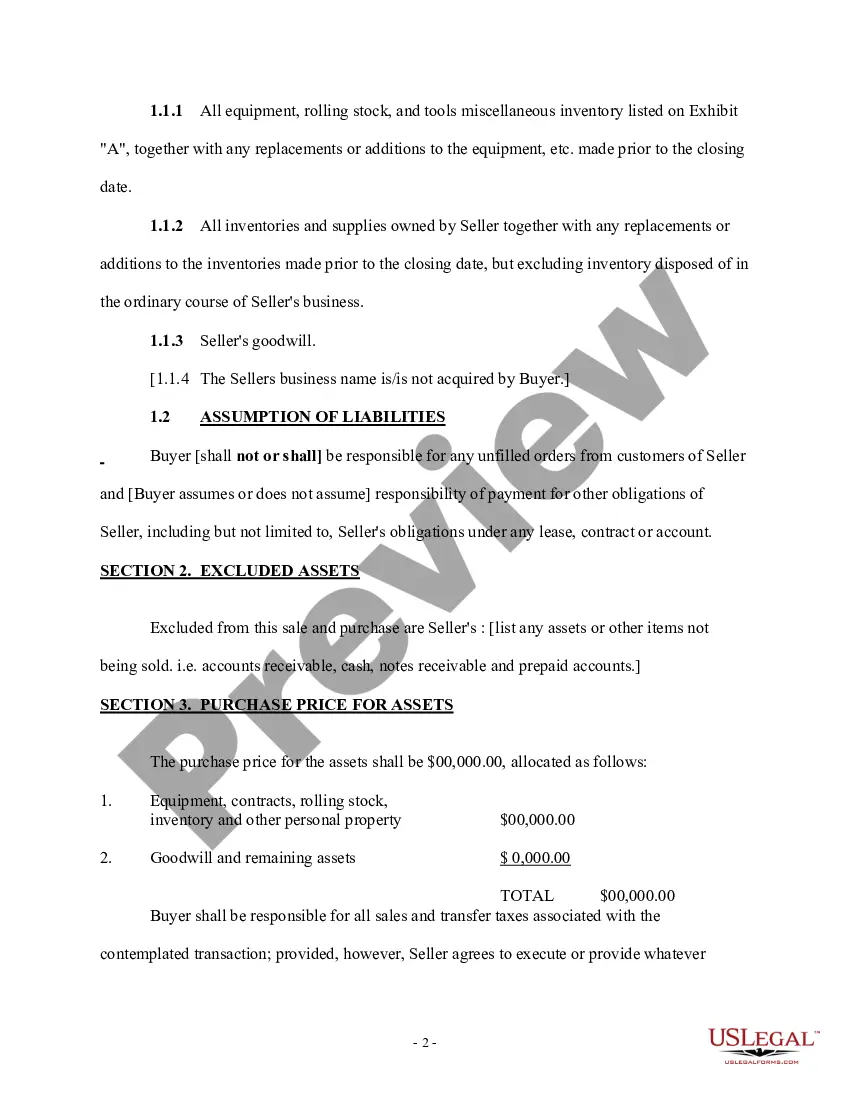
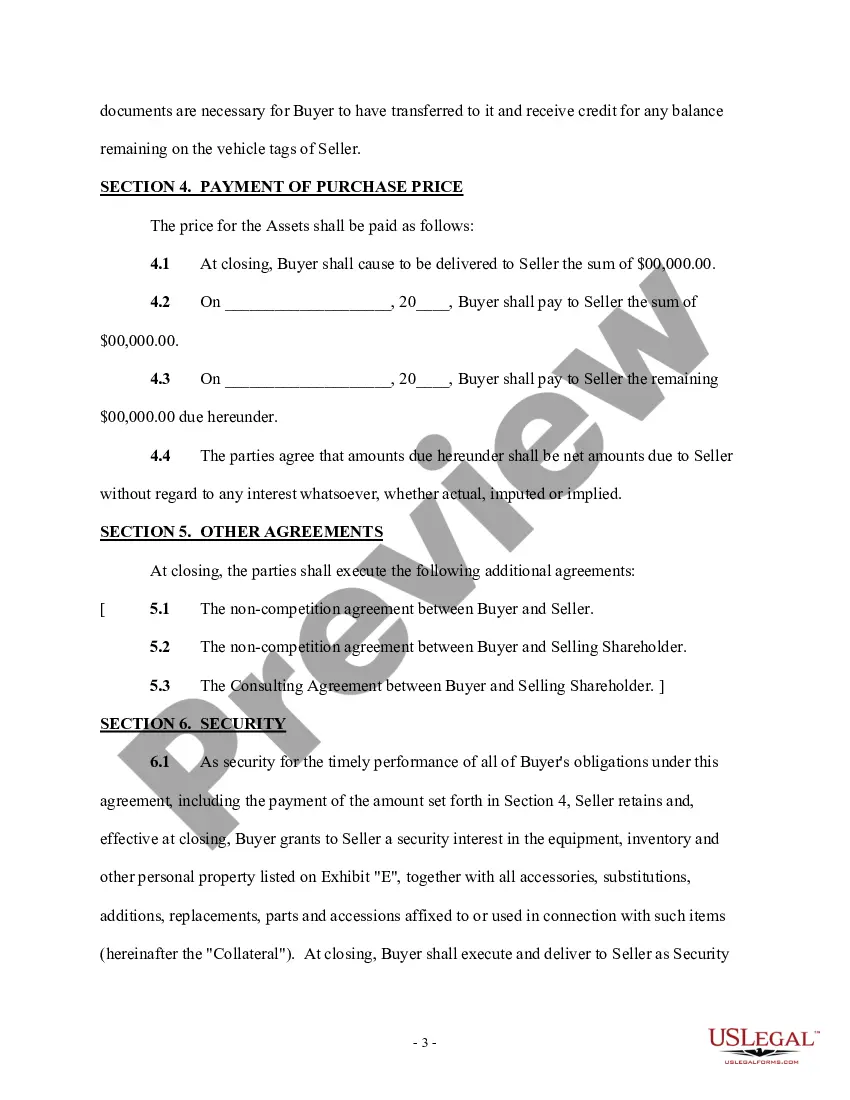
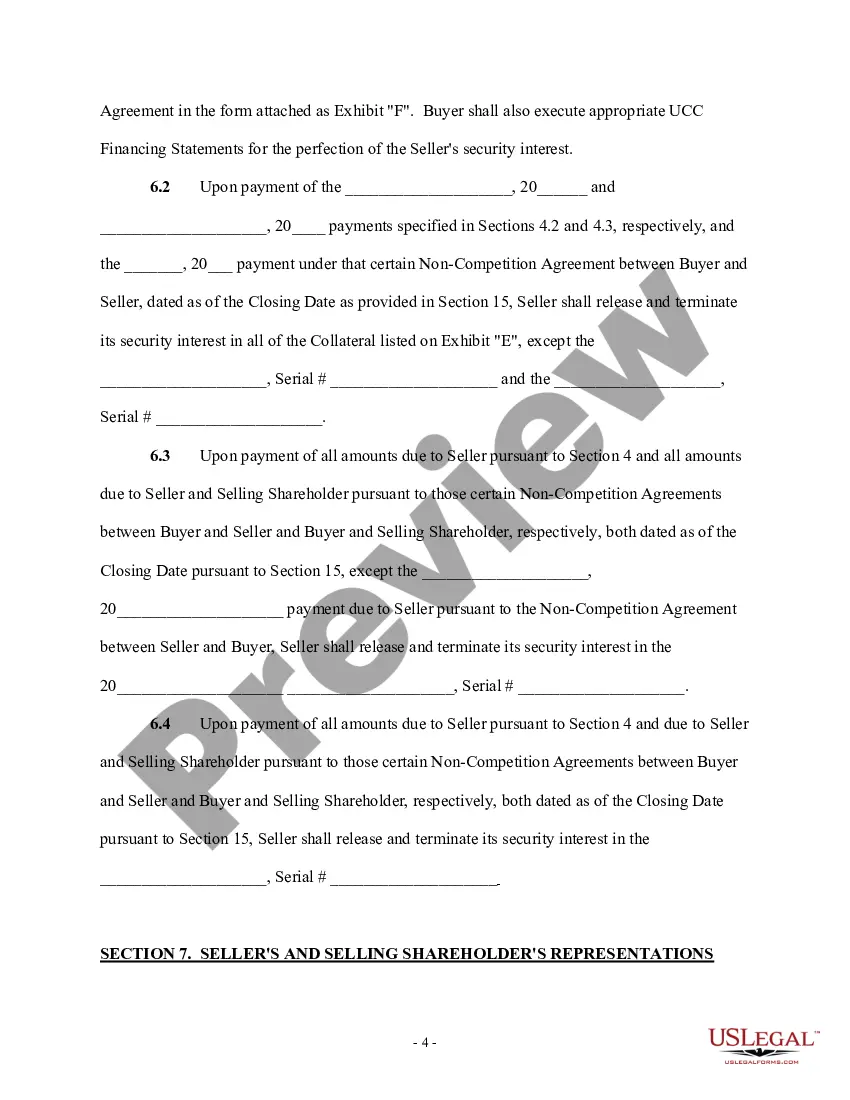
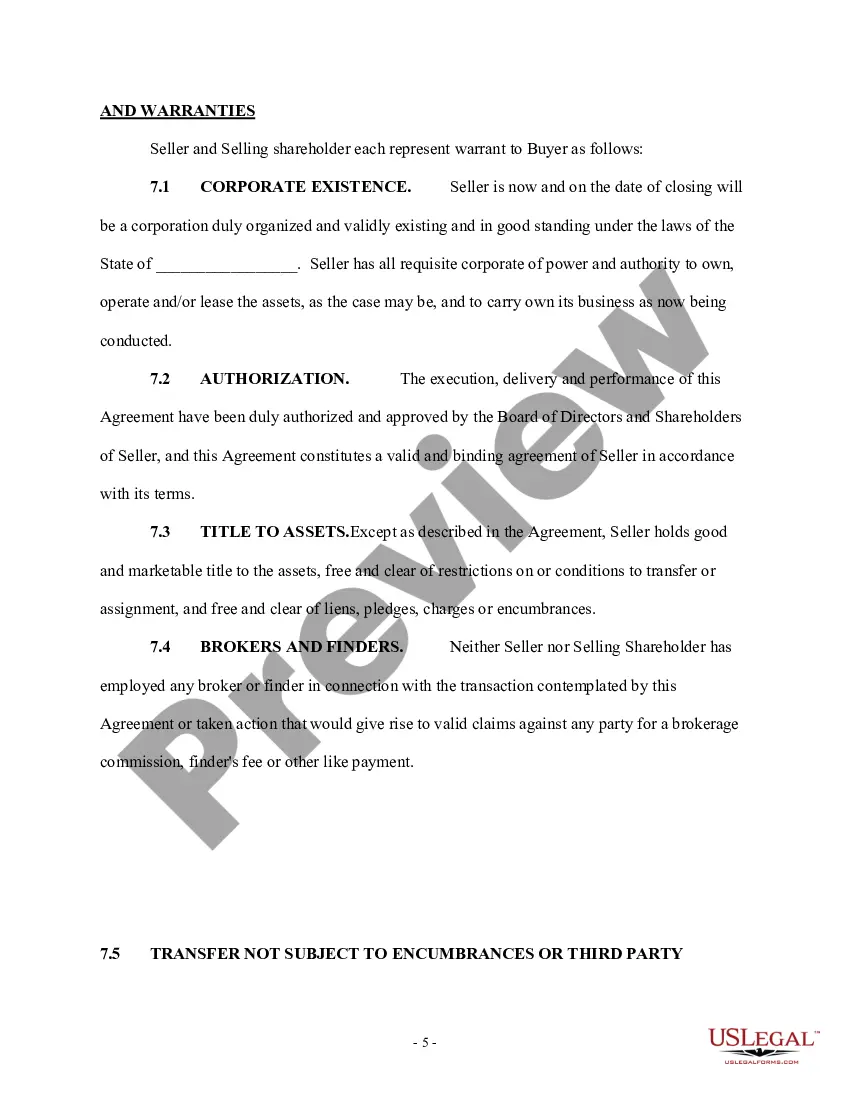


Get your form ready online
Our built-in tools help you complete, sign, share, and store your documents in one place.
Make edits, fill in missing information, and update formatting in US Legal Forms—just like you would in MS Word.
Download a copy, print it, send it by email, or mail it via USPS—whatever works best for your next step.
Sign and collect signatures with our SignNow integration. Send to multiple recipients, set reminders, and more. Go Premium to unlock E-Sign.
If this form requires notarization, complete it online through a secure video call—no need to meet a notary in person or wait for an appointment.
We protect your documents and personal data by following strict security and privacy standards.

Make edits, fill in missing information, and update formatting in US Legal Forms—just like you would in MS Word.

Download a copy, print it, send it by email, or mail it via USPS—whatever works best for your next step.

Sign and collect signatures with our SignNow integration. Send to multiple recipients, set reminders, and more. Go Premium to unlock E-Sign.

If this form requires notarization, complete it online through a secure video call—no need to meet a notary in person or wait for an appointment.

We protect your documents and personal data by following strict security and privacy standards.
Looking for another form?









Form popularity
FAQ
The provision for credit losses is treated as an expense on the company's financial statements. They are expected losses from delinquent and bad debt or other credit that is likely to default or become unrecoverable.
Allowance for credit losses is an estimate of the debt that a company is unlikely to recover. It is taken from the perspective of the selling company that extends credit to its buyers.
Balance Sheet: The Allowance is a contra-asset that's netted against Gross Loans to calculate Net Loans. Additions: The Provision for Credit Losses will increase this reserve, making the contra-asset more negative.
“Acquired individual financial assets (or acquired groups of financial assets with similar risk characteristics) that, As of the date of acquisition, have experienced a more-than-insignificant deterioration in credit quality since origination, as determined by an acquirer's assessment.”
These provisions act as a financial buffer, ensuring that banks can absorb losses without severely impacting their overall financial stability. The primary goal of these provisions is to protect the bank's balance sheet and ensure that it remains solvent even if some loans do not get repaid.
Evidence that a financial asset is credit-impaired includes observable data about the following events: Significant Financial Difficulty of the issuer or the borrower. A Breach of Contract, such as a Default or Past Due event.
Credit Deterioration means a material deterioration in the creditworthiness of a Customer, as determined by Factor in its sole discretion.
Purchased Financial Assets with Credit Deterioration: Acquired individual financial assets (or acquired groups of financial assets with similar risk characteristics) that as of the date of acquisition have experienced a more-than-insignificant deterioration in credit quality since origination, as determined by an ...
