Deferred Agreement Sample For 2023 In Cook
Description

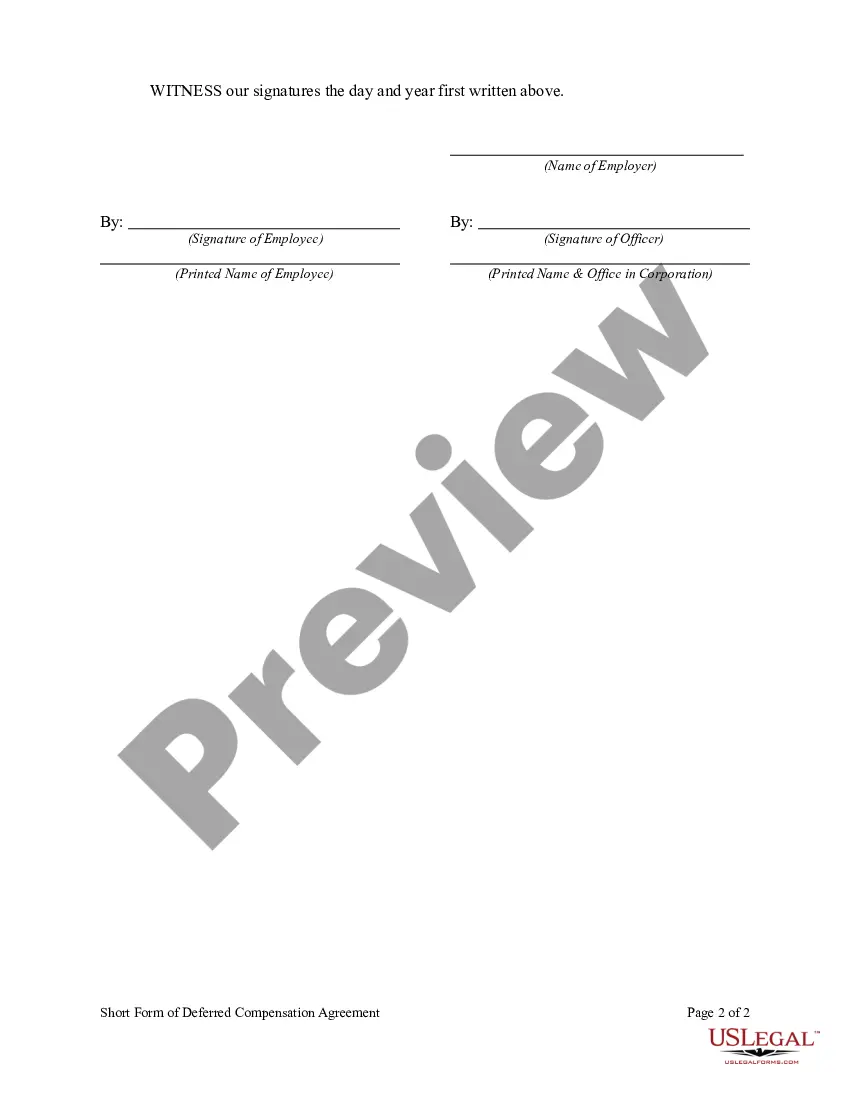

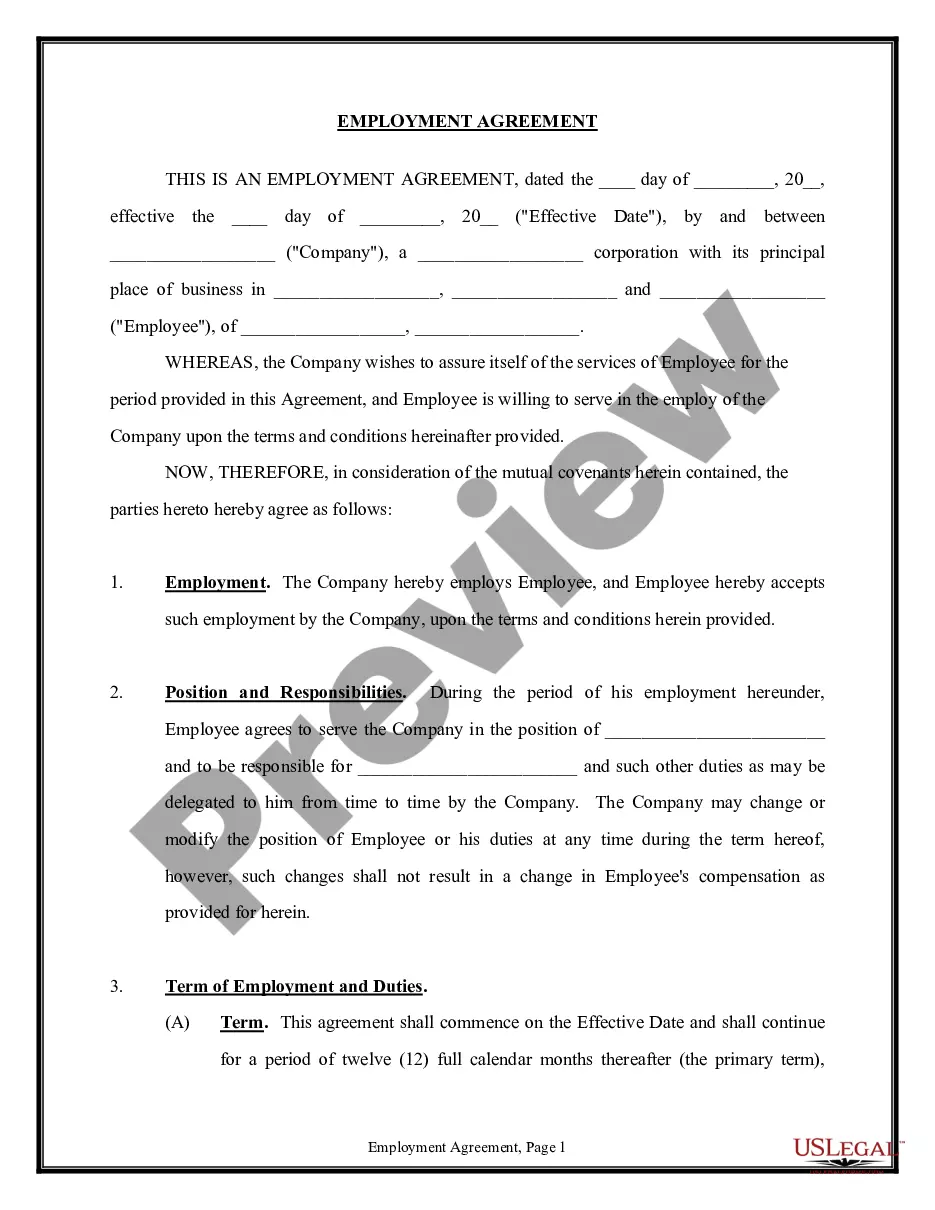
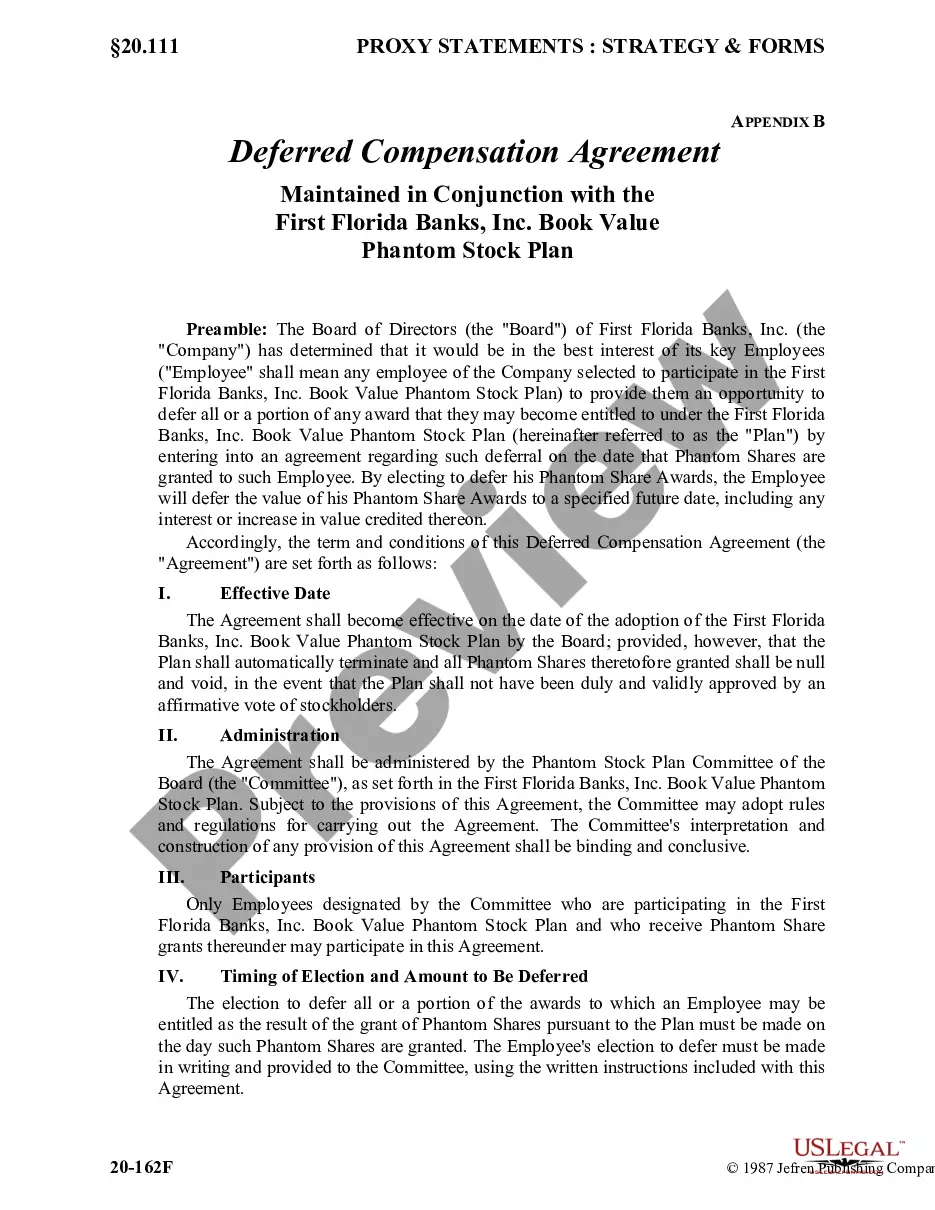
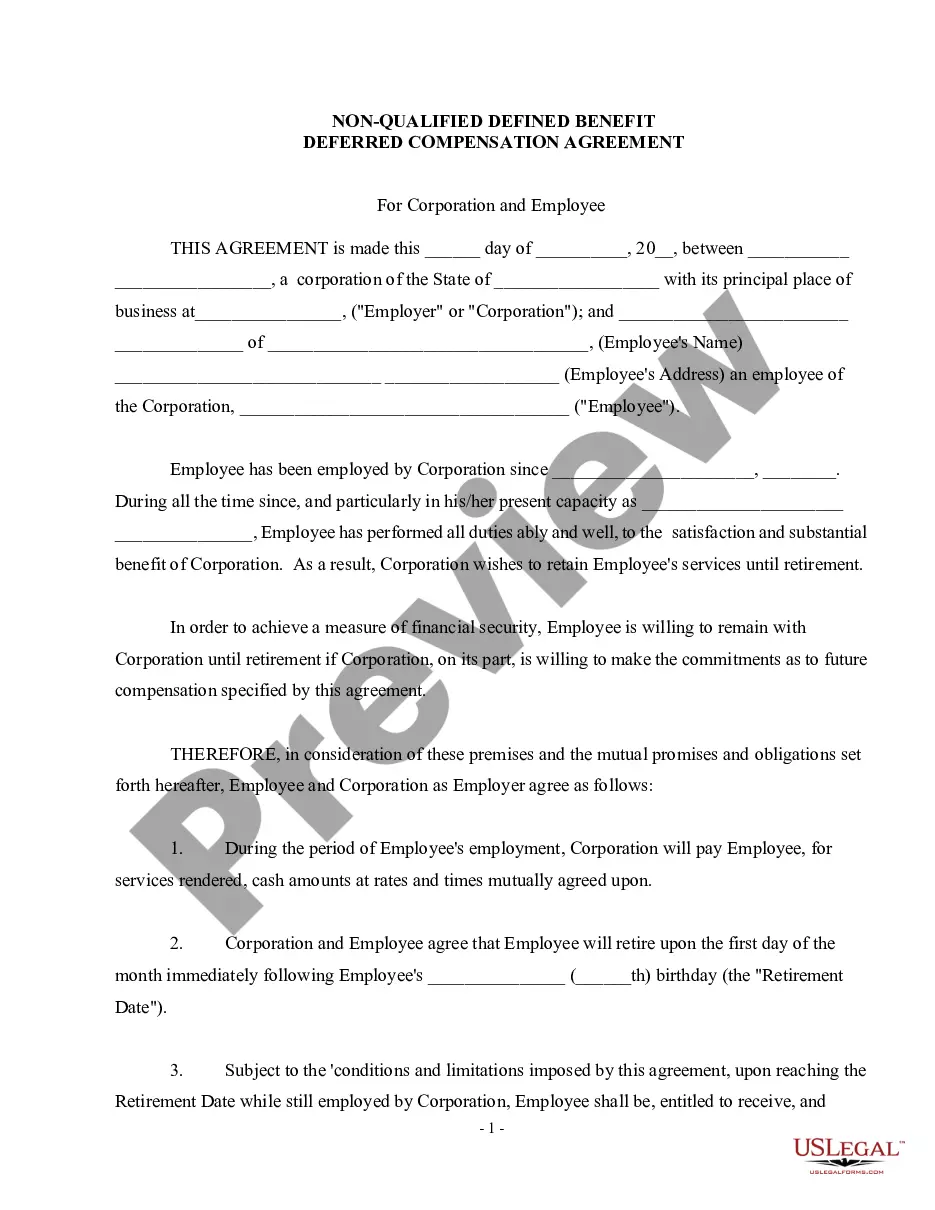
Get your form ready online
Our built-in tools help you complete, sign, share, and store your documents in one place.
Make edits, fill in missing information, and update formatting in US Legal Forms—just like you would in MS Word.
Download a copy, print it, send it by email, or mail it via USPS—whatever works best for your next step.
Sign and collect signatures with our SignNow integration. Send to multiple recipients, set reminders, and more. Go Premium to unlock E-Sign.
If this form requires notarization, complete it online through a secure video call—no need to meet a notary in person or wait for an appointment.
We protect your documents and personal data by following strict security and privacy standards.

Make edits, fill in missing information, and update formatting in US Legal Forms—just like you would in MS Word.

Download a copy, print it, send it by email, or mail it via USPS—whatever works best for your next step.

Sign and collect signatures with our SignNow integration. Send to multiple recipients, set reminders, and more. Go Premium to unlock E-Sign.

If this form requires notarization, complete it online through a secure video call—no need to meet a notary in person or wait for an appointment.

We protect your documents and personal data by following strict security and privacy standards.
Looking for another form?







Form popularity
FAQ
The State of Illinois Deferred Compensation Plan is a supplemental retirement program for State employees. Contributions to the Plan can be made on a pre-tax or Roth basis through salary deferrals. The combined pre-tax and Roth contributions cannot exceed the limit set by the IRS.
APPLICATIONS ARE TAKEN: January through the cut-off date of March 1st each year the program is offered by the State of Illinois. The Senior Citizens' Real Estate Tax Deferral program provides tax relief for qualified senior citizens by allowing them to defer $7,500 of their property tax on their principal residence.
This annual exemption is available for property that is occupied as a residence by a person 65 years of age or older who is liable for paying real estate taxes on the property and is an owner of record of the property or has a legal or equitable interest therein as evidenced by a written instrument, except for a ...
Most homeowners are eligible for this exemption if they own and occupy their property as their principal place of residence.
This annual exemption is available for property that is occupied as a residence by a person 65 years of age or older who is liable for paying real estate taxes on the property and is an owner of record of the property or has a legal or equitable interest therein as evidenced by a written instrument, except for a ...
