Employee Contract Rules
Description

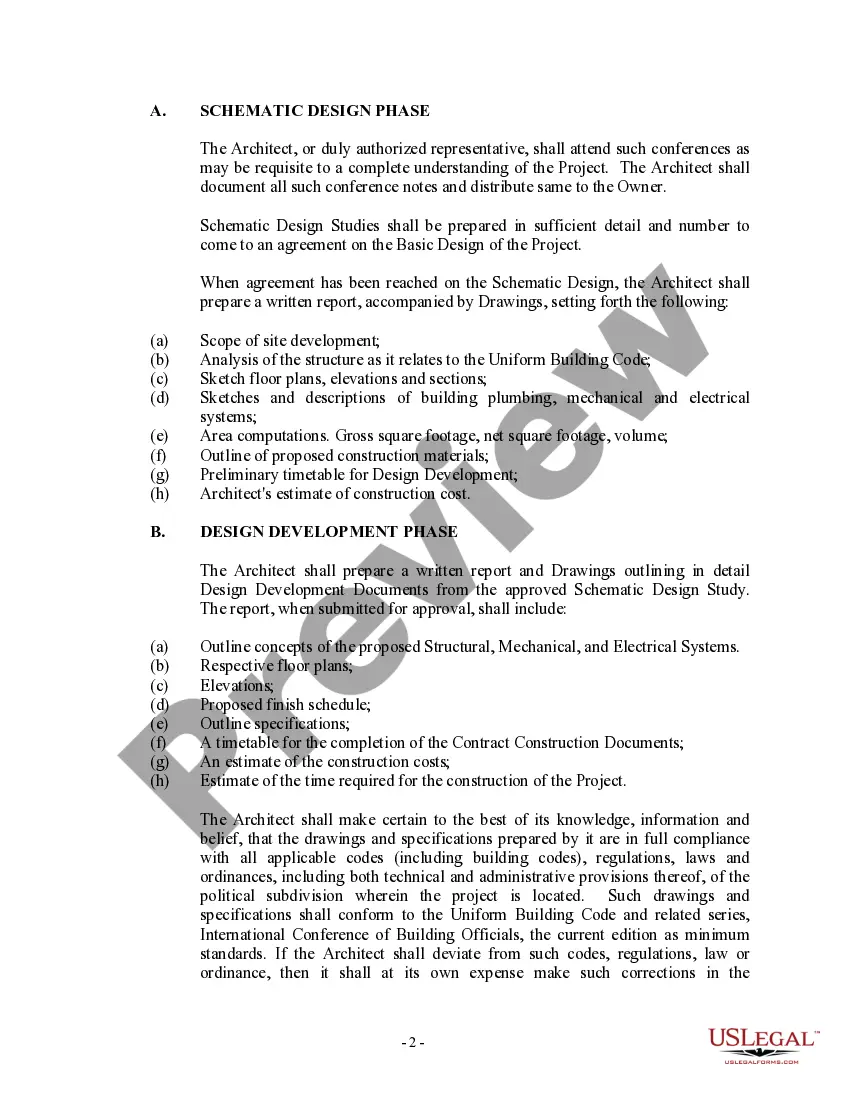
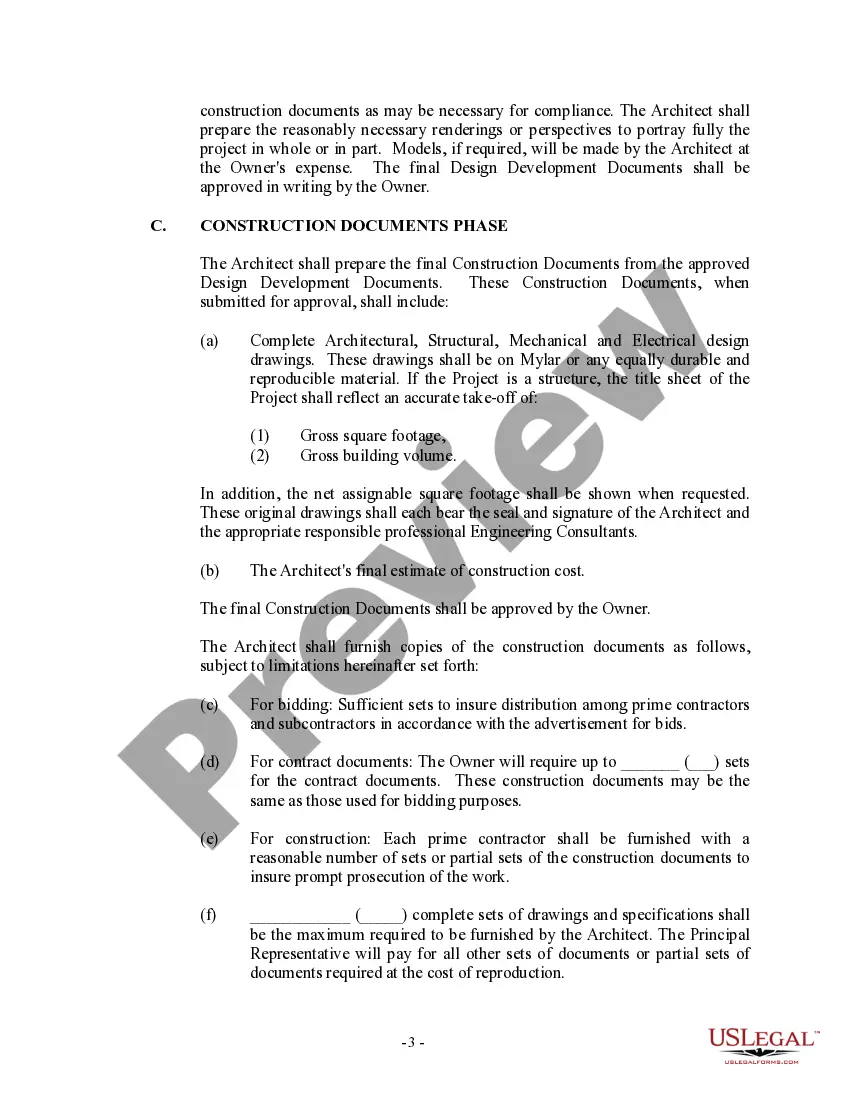
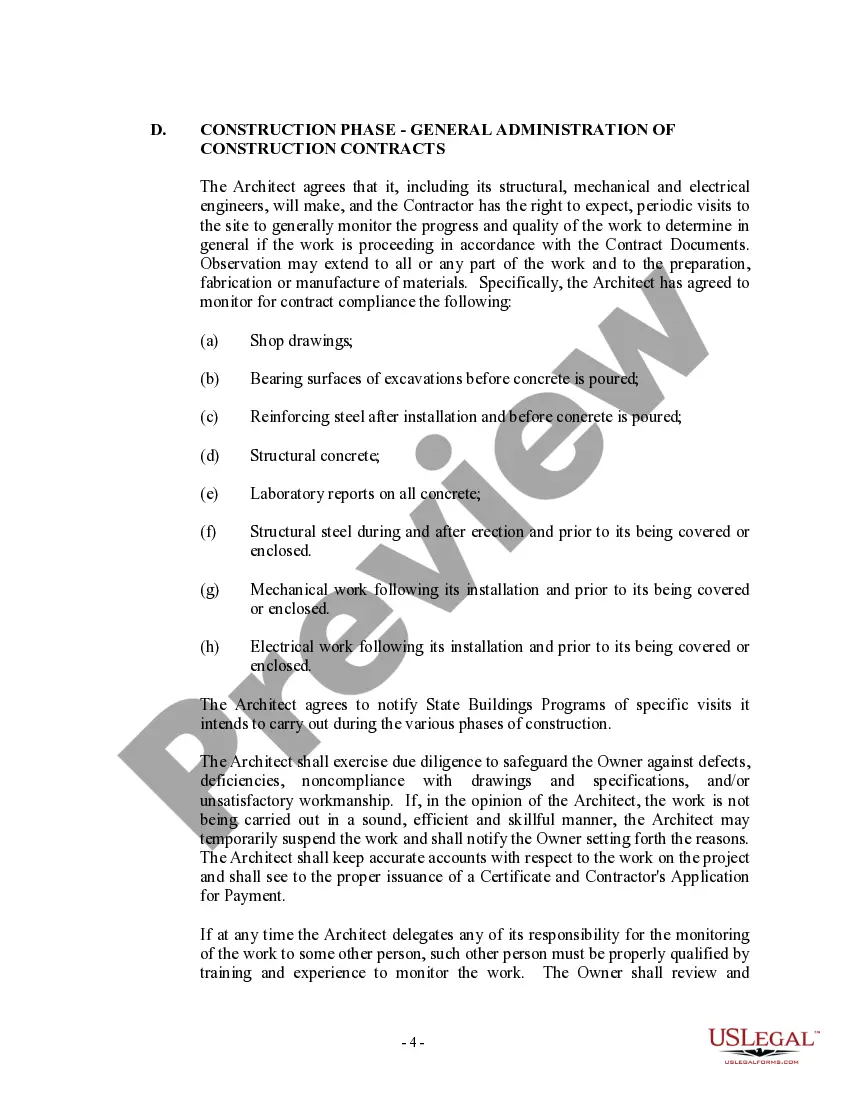
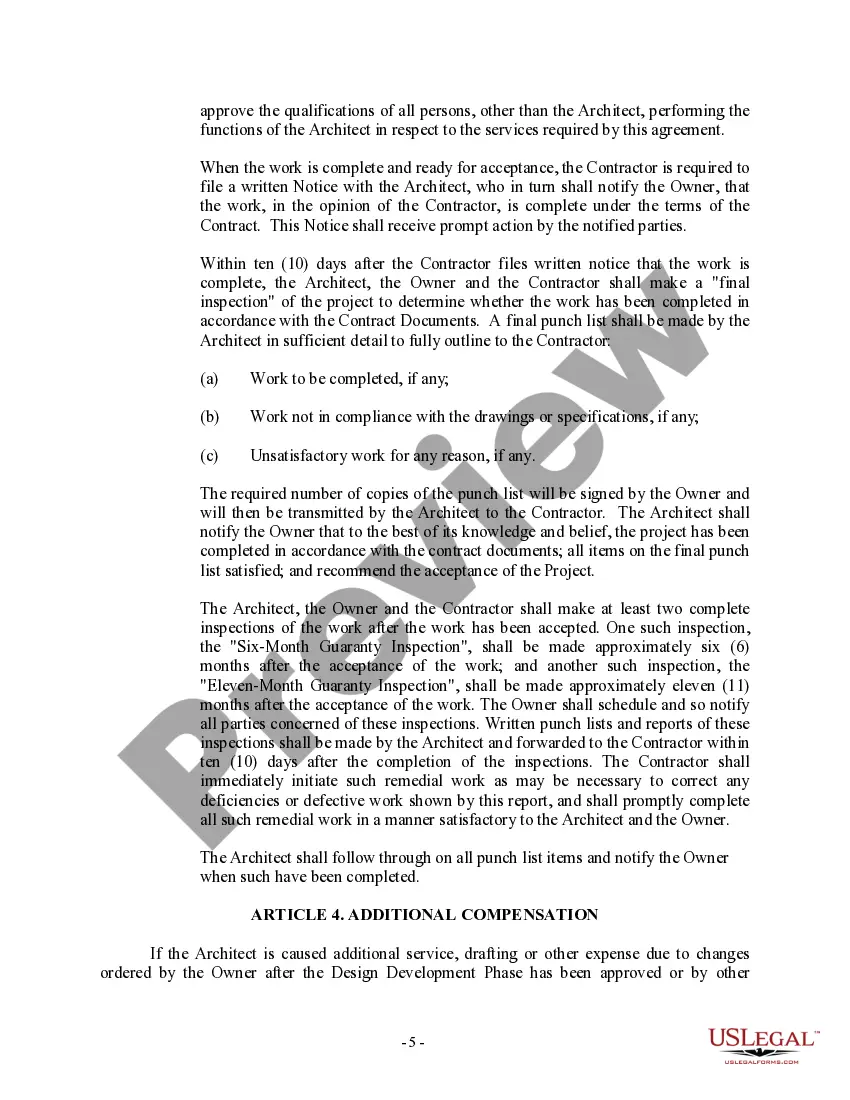
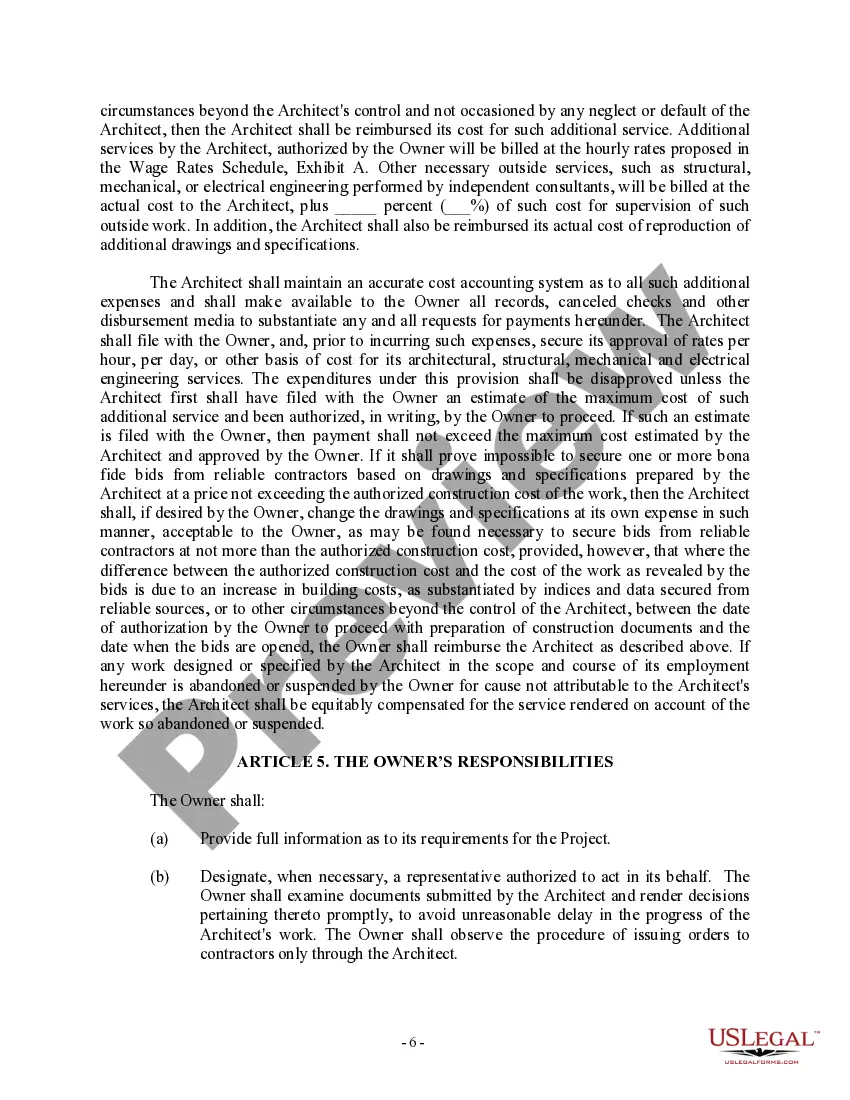
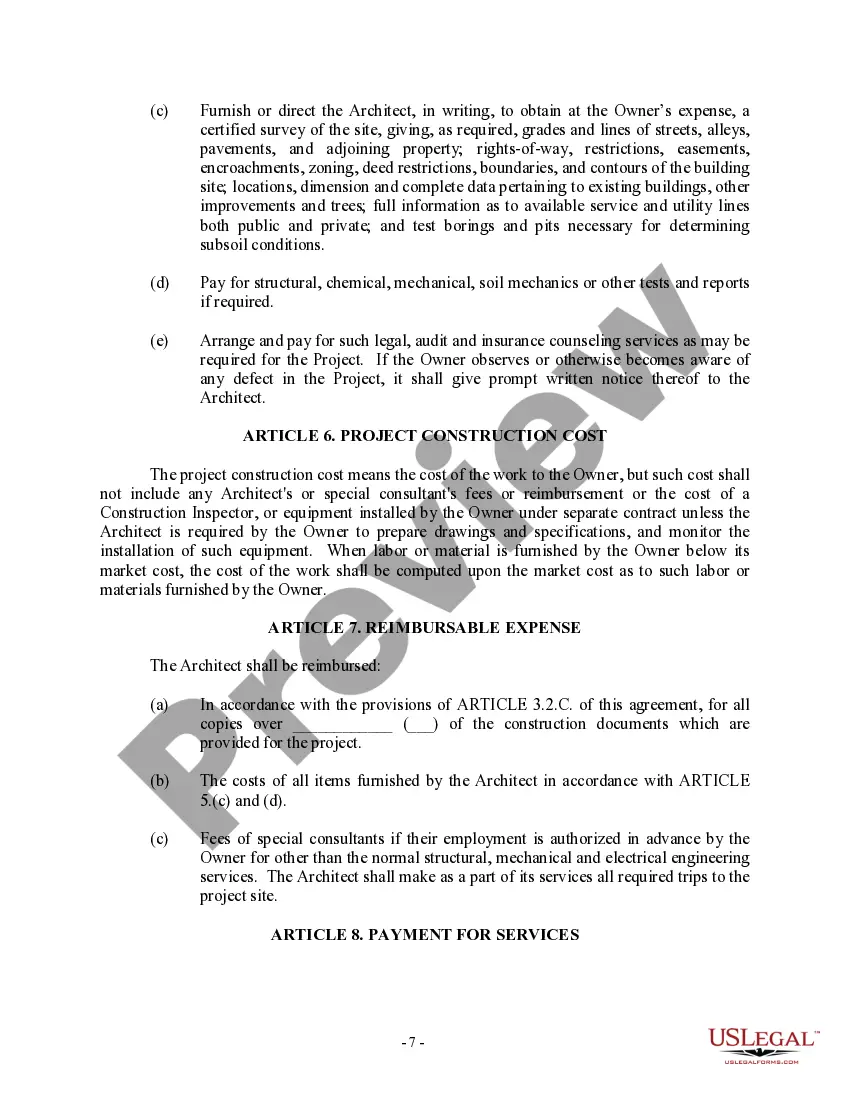
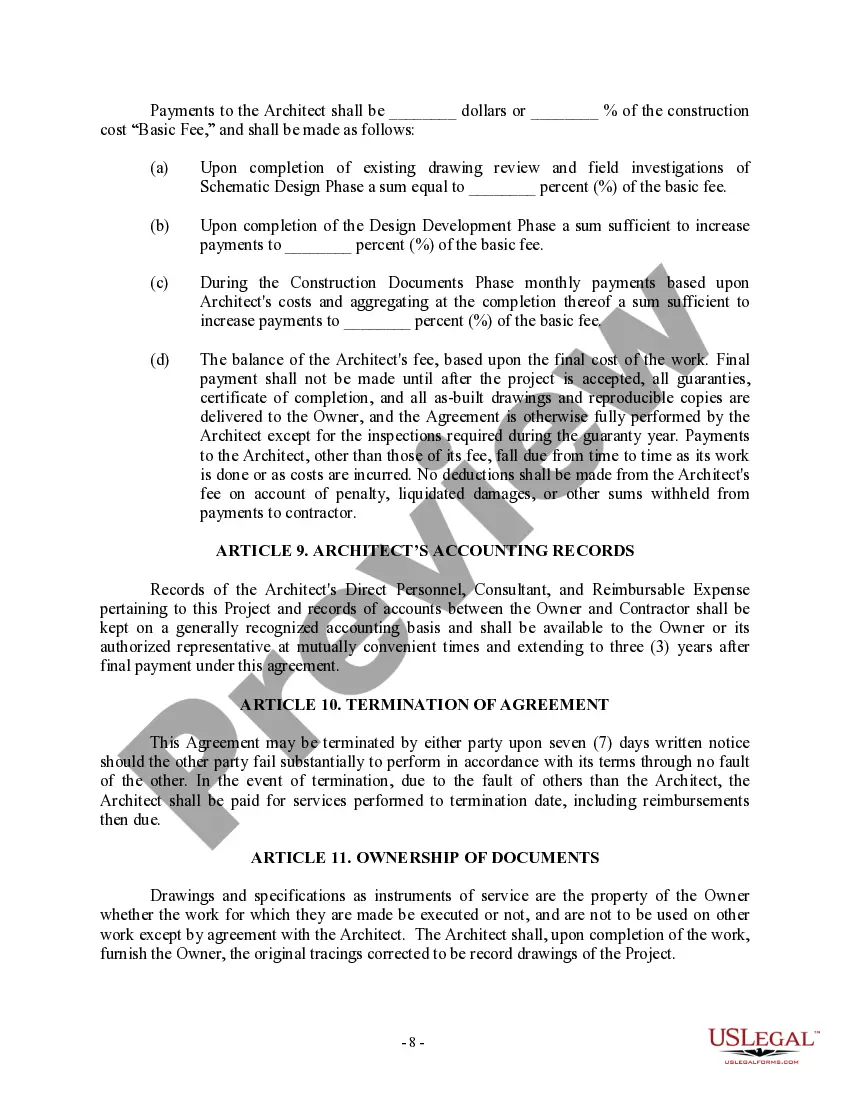
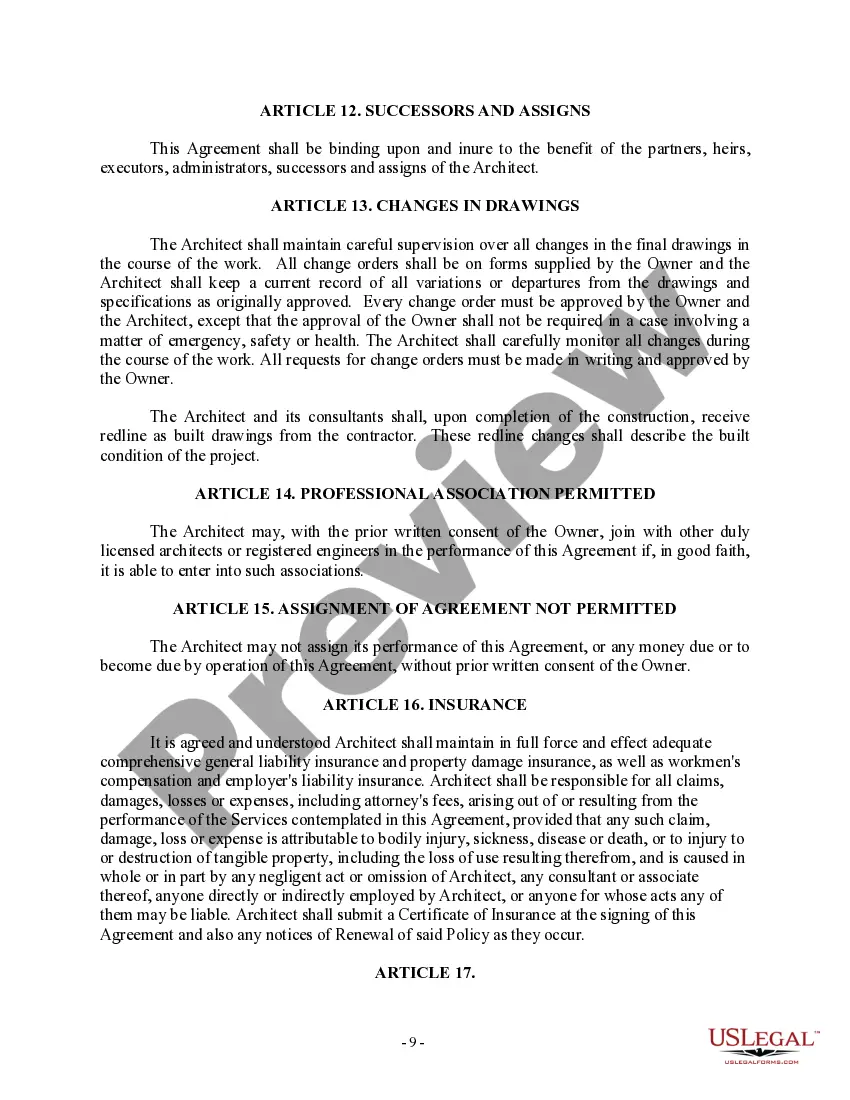


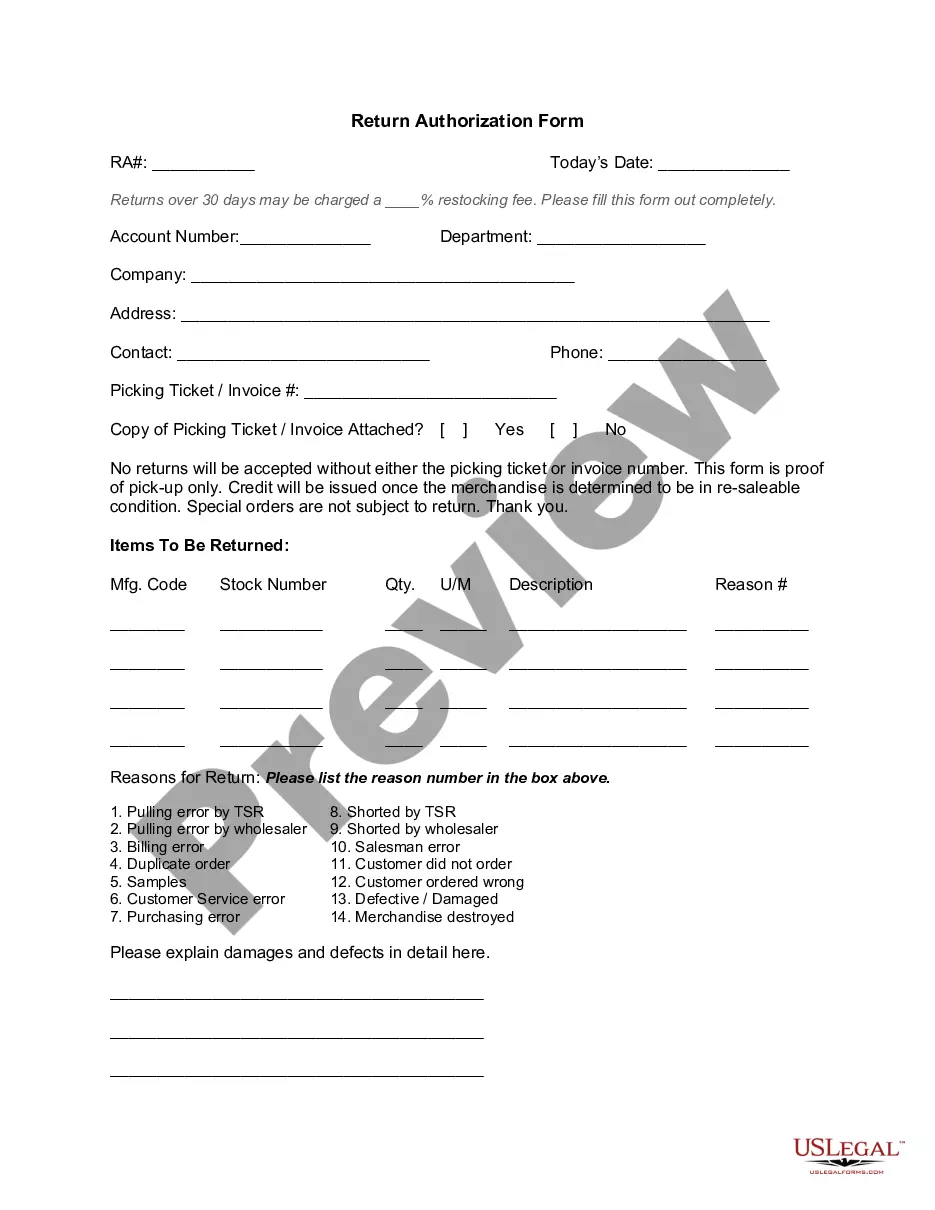
How to fill out Architect Contract For Design?
Legal management can be perplexing, even for the most seasoned professionals.
When searching for Employee Contract Guidelines and lacking time to dedicate to finding the correct and updated version, the process can be overwhelming.
US Legal Forms caters to any requirements you might have, from personal to professional paperwork, all in one place.
Utilize advanced tools to create and manage your Employee Contract Guidelines.
Here are the steps to follow after accessing the form you require: Confirm that this is the correct form by previewing it and reviewing its description.
- Tap into a resource center of articles, tutorials, and guides relevant to your situation and needs.
- Save time and effort searching for the documents you require, and use US Legal Forms' sophisticated search and Preview tool to locate Employee Contract Guidelines and obtain them.
- If you possess a monthly subscription, Log In to your US Legal Forms account, search for the form, and acquire it.
- Check the My documents tab to view the documents you have previously downloaded and manage your folders as necessary.
- If it’s your first experience with US Legal Forms, create an account and gain unlimited access to all the benefits of the library.
- A comprehensive online form directory can be a game changer for anyone looking to handle these issues efficiently.
- US Legal Forms is an industry leader in digital legal forms, with over 85,000 state-specific legal documents available to you at any time.
- With US Legal Forms, you can access state- or county-specific legal and business documents.
Form popularity
FAQ
Yes, you can quit if you are a contract employee, but the process may depend on the terms outlined in your contract. It's advisable to review the exit clauses and provide appropriate notice as specified. Following these guidelines can help you maintain professionalism in line with employee contract rules.
Yes, contract workers do have rights that are often outlined in their employment contracts. These rights may include fair payment, safe working conditions, and protection from discrimination. Understanding your rights within the framework of employee contract rules is crucial for a positive work experience.
The five rules of contract law include mutual agreement, consideration, capacity, lawful purpose, and consent. These rules form the backbone of any valid contract and are essential for employees and employers alike. Adhering to these rules can help clarify the expectations set forth in employee contract rules.
The law on employment contracts varies by state, but generally, it requires that contracts are clear, fair, and legally binding. This law protects both the employer and employee, ensuring that employee contract rules are upheld. Understanding these laws can help you make informed decisions about your employment.
An employment contract must include essential elements such as job title, responsibilities, salary, duration of employment, and termination conditions. Additionally, it should outline any benefits, confidentiality agreements, and dispute resolution procedures. Familiarizing yourself with these employee contract rules can protect your rights.
The rules of contract employment typically cover aspects such as job duties, payment terms, and termination conditions. It's important for both parties to agree on these rules to prevent misunderstandings. Knowing these guidelines can help you navigate your role as a contract employee.
Contract employees must be aware of specific employee contract rules that dictate their rights and responsibilities. This includes understanding the terms of their contract, payment structures, and the duration of their employment. Adhering to these rules can help ensure a smooth working relationship.
The five laws of contract include offer, acceptance, consideration, capacity, and legality. These fundamental principles govern how agreements form and function. Understanding these laws is crucial for both employers and employees to navigate employee contract rules effectively.
Filling out an employment agreement form requires careful attention to detail and understanding of employee contract rules. Start by including the names and addresses of both parties, followed by a clear description of the job responsibilities. Next, specify the compensation structure, including salary or hourly rates, and other benefits. Finally, ensure that both parties sign and date the agreement to make it legally binding. For a streamlined experience, consider using the US Legal Forms platform to access templates and guidance.
Under employee contract rules, certain provisions are not allowed in contracts. For instance, contracts cannot enforce illegal activities or violate public policy. Additionally, they cannot impose unreasonable restrictions on an individual's right to work. Being aware of these limitations can help you create a compliant and enforceable contract.