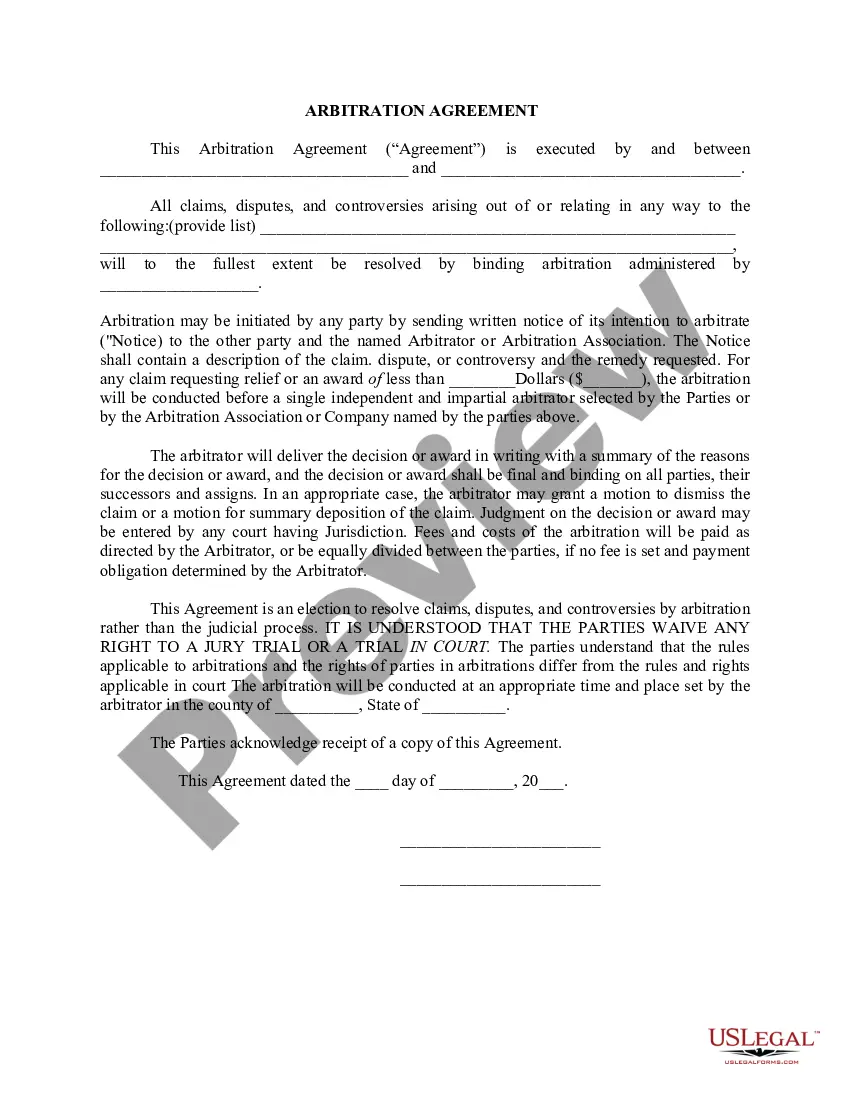
Arbitration Process For Dispute Resolution In Arizona
Description

Get your form ready online
Our built-in tools help you complete, sign, share, and store your documents in one place.
Make edits, fill in missing information, and update formatting in US Legal Forms—just like you would in MS Word.
Download a copy, print it, send it by email, or mail it via USPS—whatever works best for your next step.
Sign and collect signatures with our SignNow integration. Send to multiple recipients, set reminders, and more. Go Premium to unlock E-Sign.
If this form requires notarization, complete it online through a secure video call—no need to meet a notary in person or wait for an appointment.
We protect your documents and personal data by following strict security and privacy standards.

Make edits, fill in missing information, and update formatting in US Legal Forms—just like you would in MS Word.

Download a copy, print it, send it by email, or mail it via USPS—whatever works best for your next step.

Sign and collect signatures with our SignNow integration. Send to multiple recipients, set reminders, and more. Go Premium to unlock E-Sign.

If this form requires notarization, complete it online through a secure video call—no need to meet a notary in person or wait for an appointment.

We protect your documents and personal data by following strict security and privacy standards.
Looking for another form?



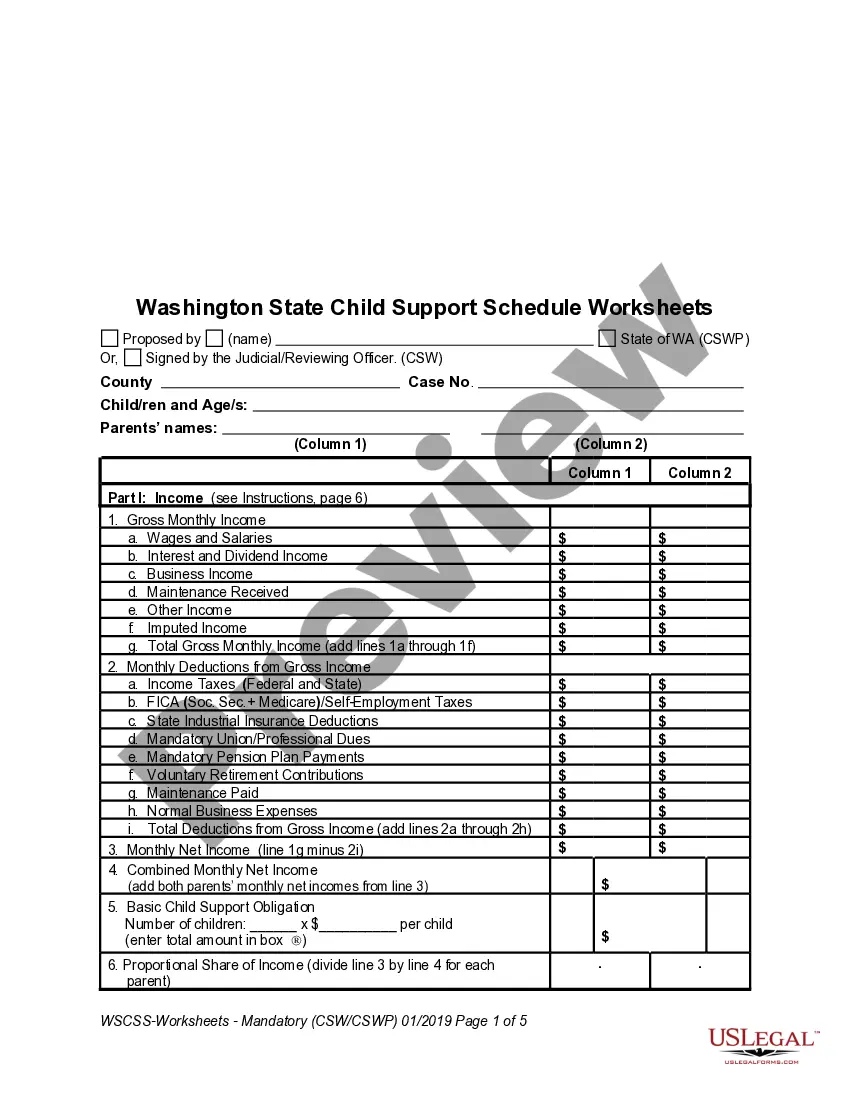



Form popularity
FAQ
To the Registrar at the Regional Office of the CCMA. This should be the same office, which conducted the conciliation. If an accredited council or agency is to arbitrate the dispute, the request for arbitration must be sent to their offices. If in doubt, contact the CCMA for help.
--(1) Where any industrial dispute exists or is apprehended and the employer and the workmen agree to refer the dispute to arbitration, they may, at any time before the dispute has been referred under section 10 to a Labour Court or Tribunal or National Tribunal, by a written agreement, refer the dispute to arbitration ...
Arbitration does not require the use of court rules or procedures and is viewed as a simplified private court proceeding. Each side will present their case to the arbitrator who will then decide the issue. Once the matter is decided the case is over and in most cases the court will enforce the arbitrators decision.
Arbitration is a procedure in which a dispute is submitted, by agreement of the parties, to one or more arbitrators who make a binding decision on the dispute. In choosing arbitration, the parties opt for a private dispute resolution procedure instead of going to court.
Typically, the parties elect arbitration in an arbitration clause included in their original contract, signed well before any dispute arises. In other cases, after a dispute arises, the parties may agree to seek arbitration by signing a post-dispute referral to arbitration.
A claimant will typically start arbitration by sending a document known as a “request for arbitration” or a “notice to arbitrate” to its opponent.
--(1) Where any industrial dispute exists or is apprehended and the employer and the workmen agree to refer the dispute to arbitration, they may, at any time before the dispute has been referred under section 10 to a Labour Court or Tribunal or National Tribunal, by a written agreement, refer the dispute to arbitration ...
Necessary Elements Details of the Parties. Details of the relationship between the parties. Demand for Arbitration. The mention of agreement/contract (if any). The mention of already existing arbitration agreement between the parties pursuant to which the concerned notice of arbitration has been sent (if any).