Arbitration Definition For Insurance In Utah
Description

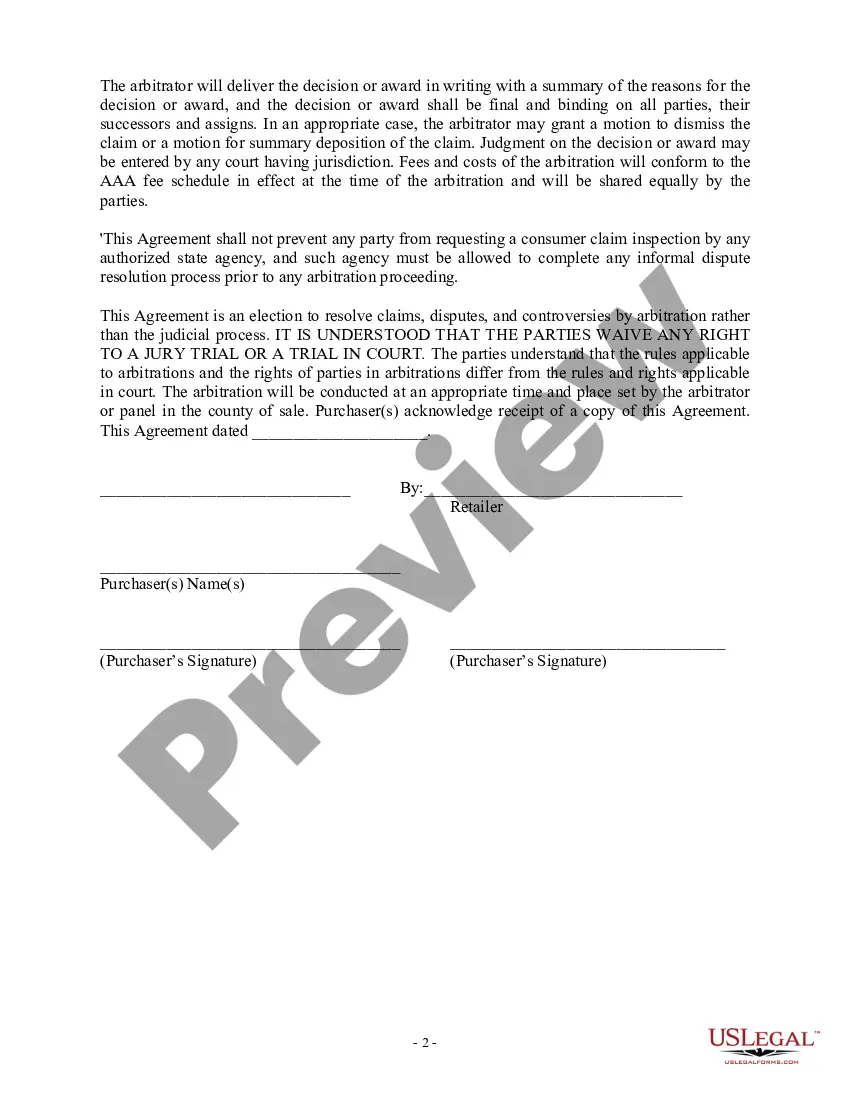
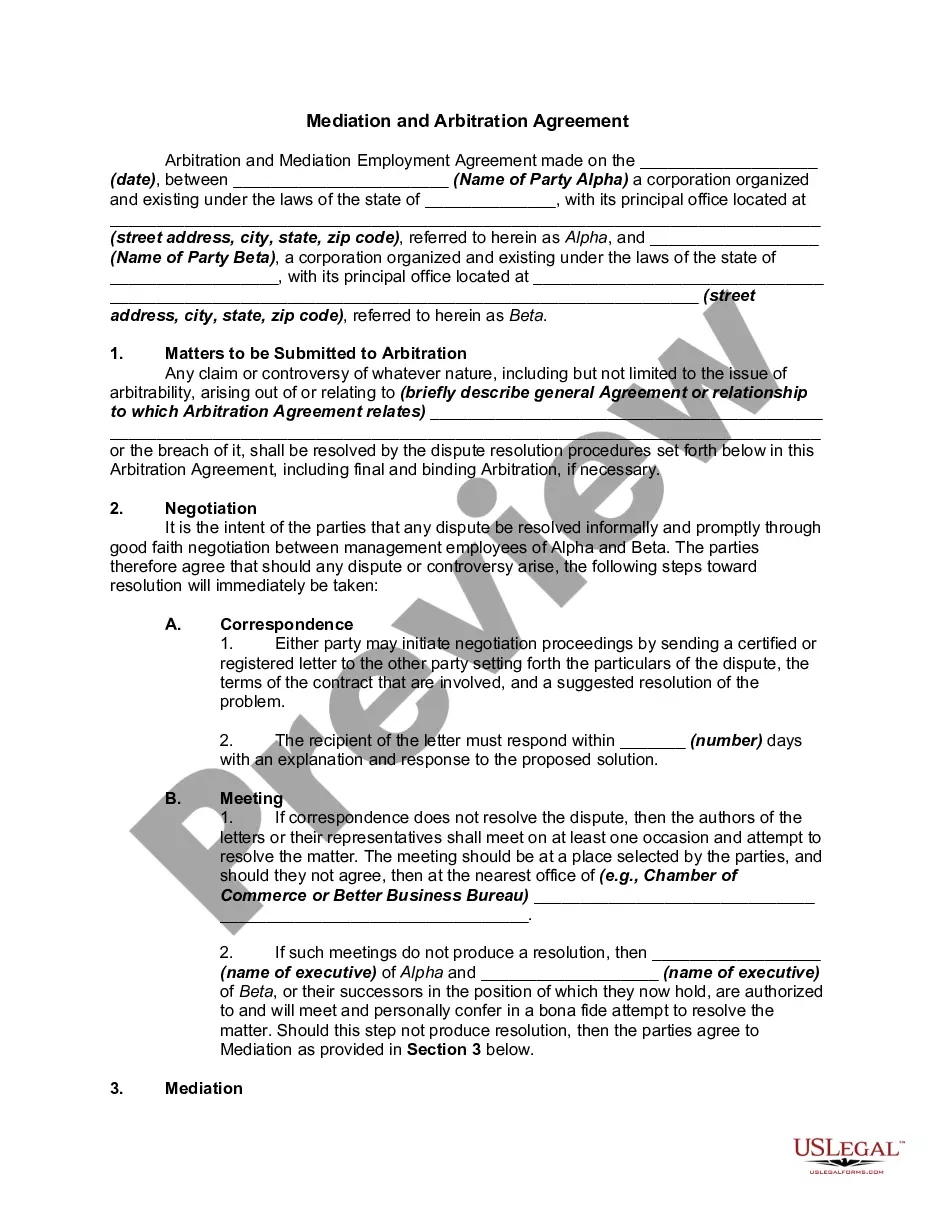

Get your form ready online
Our built-in tools help you complete, sign, share, and store your documents in one place.
Make edits, fill in missing information, and update formatting in US Legal Forms—just like you would in MS Word.
Download a copy, print it, send it by email, or mail it via USPS—whatever works best for your next step.
Sign and collect signatures with our SignNow integration. Send to multiple recipients, set reminders, and more. Go Premium to unlock E-Sign.
If this form requires notarization, complete it online through a secure video call—no need to meet a notary in person or wait for an appointment.
We protect your documents and personal data by following strict security and privacy standards.

Make edits, fill in missing information, and update formatting in US Legal Forms—just like you would in MS Word.

Download a copy, print it, send it by email, or mail it via USPS—whatever works best for your next step.

Sign and collect signatures with our SignNow integration. Send to multiple recipients, set reminders, and more. Go Premium to unlock E-Sign.

If this form requires notarization, complete it online through a secure video call—no need to meet a notary in person or wait for an appointment.

We protect your documents and personal data by following strict security and privacy standards.
Looking for another form?


Form popularity
FAQ
The new minimum liability limits will increase to $30,000/$65,000/$25,000 beginning January 1, 2025.
Some states, such as Utah, won't allow a claim for non-economic damages (pain and suffering) until the injured person has incurred medical bills over a certain amount. In Utah, $3,000 is the magic number.
Utah Code 31A-22-321. Commonly called “321 arbitration,” this arbitration is the most commonly used tort, personal injury arbitration in Utah. The main features are a cap at $50,000 and you can't try property damage. The at-fault party's personal assets are not collectable and are safe from any excess verdict.
What is insurance arbitration? Insurance arbitration occurs when an arbitrator—either a person or organization—steps in to settle a case and make a decision about how it's going to be resolved. The decision, called the arbitration award, then (typically) rules in one party's favor.
Minimum Liability Insurance Requirements for Private Passenger, Commercial and Fleet Vehicles $30,000 for injury/death to one person. $60,000 for injury/death to more than one person. $15,000 for damage to property.
The minimum amount of Utah auto insurance coverage is $25,000/$65,000/$15,000. In the event of a covered accident, your limits for bodily injury are $25,000 per person, with a total maximum of $65,000 per incident. It also covers up to $15,000 for damage to another person's property.
FINRA requires investors and other parties to file their arbitration claims via the DR Portal—except for investors representing themselves, who have the option to file by mail. If you are new to the DR Portal, please create an account. Login to the DR Portal and select “File a New Arbitration Claim” in the left column.
Generally Arbitration Agreements Are Enforceable The legal basis for upholding contractual arbitration clauses is the Federal Arbitration Act, which mandates that arbitration agreements “shall be valid, irrevocable, and enforceable.” In Southland Corp.
An agreement contained in a record to submit to arbitration any existing or subsequent controversy arising between the parties to the agreement is valid, enforceable, and irrevocable except upon a ground that exists at law or in equity for the revocation of a contract.
An agreement contained in a record to submit to arbitration any existing or subsequent controversy arising between the parties to the agreement is valid, enforceable, and irrevocable except upon a ground that exists at law or in equity for the revocation of a contract.
