Bond Demand In Construction In California
Description

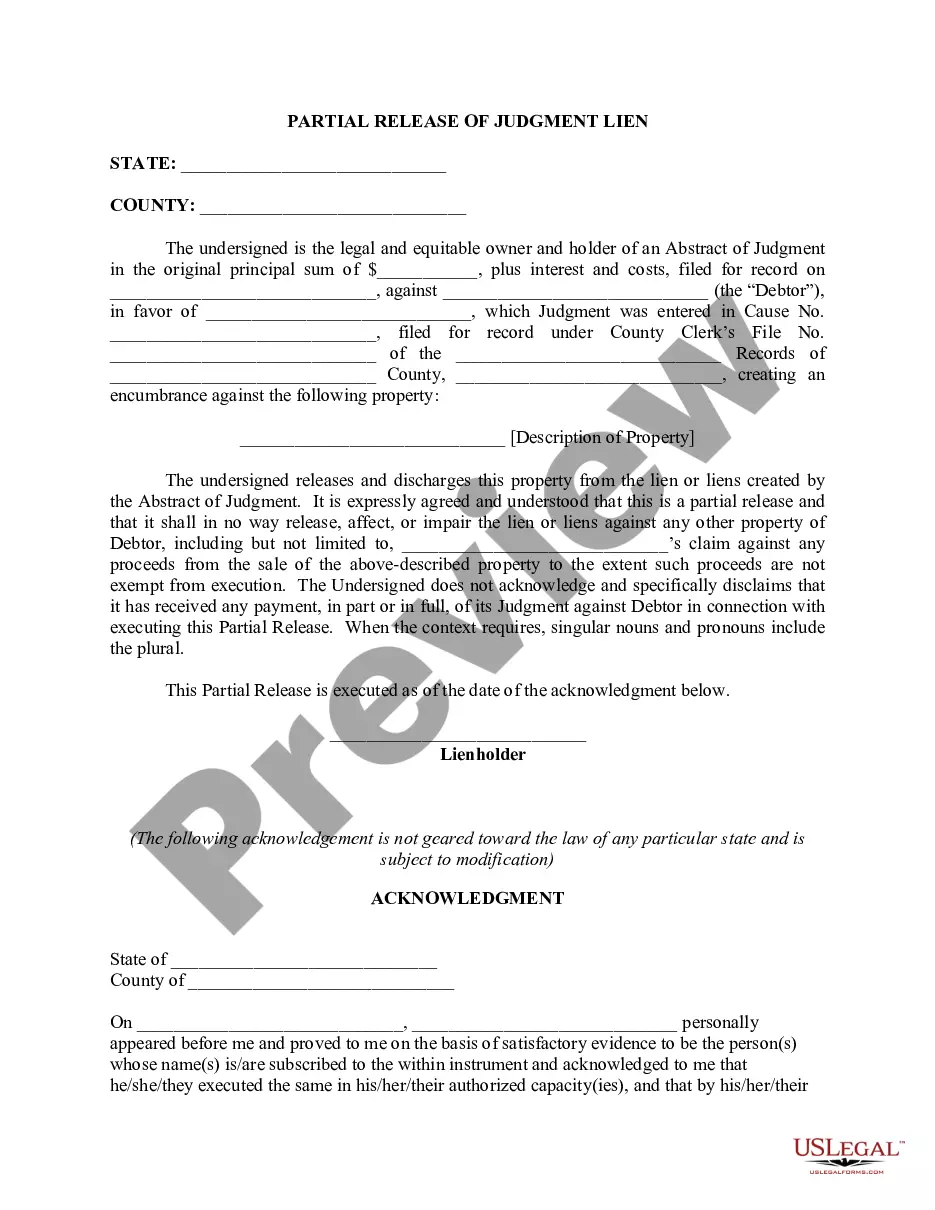
Get your form ready online
Our built-in tools help you complete, sign, share, and store your documents in one place.
Make edits, fill in missing information, and update formatting in US Legal Forms—just like you would in MS Word.
Download a copy, print it, send it by email, or mail it via USPS—whatever works best for your next step.
Sign and collect signatures with our SignNow integration. Send to multiple recipients, set reminders, and more. Go Premium to unlock E-Sign.
If this form requires notarization, complete it online through a secure video call—no need to meet a notary in person or wait for an appointment.
We protect your documents and personal data by following strict security and privacy standards.

Make edits, fill in missing information, and update formatting in US Legal Forms—just like you would in MS Word.

Download a copy, print it, send it by email, or mail it via USPS—whatever works best for your next step.

Sign and collect signatures with our SignNow integration. Send to multiple recipients, set reminders, and more. Go Premium to unlock E-Sign.

If this form requires notarization, complete it online through a secure video call—no need to meet a notary in person or wait for an appointment.

We protect your documents and personal data by following strict security and privacy standards.
Looking for another form?
Form popularity
FAQ
Be 18 or older with a valid Social Security number or individual taxpayer identification number. Have had four years of qualifying experience (journey-level, foreman, supervisor or contractor) within the past 10 years. Pass a two-part exam through the California Contractors State Licensing Board (CSLB).
While all licensed California contractors are required to carry a $25,000 Contractor License Bond, certain contractor licenses may require a $25,000 Bond of Qualifying Individual, a $100,000 LLC Employee/Worker Bond, or a Disciplinary Bond depending on their license status.
A construction bond is a type of surety bond used by investors in construction projects. The bond protects against disruptions or financial loss due to a contractor's failure to complete a project or failure to meet project specifications.
California contractors, including handymen, must have a surety bond and certain types of insurance to receive and keep their license. All applicants must file a $15,000 bond with the CSLB.
Being bonded specifically reassures customers that a business stands behind its promises—and if they don't, consumers will be protected from financial loss.
The 4 Main Types of Construction Bonds Explained Bid Bond. Agreement to Bond (a.k.a. Surety's Consent or Consent of Surety) ... Performance Bond. Labour and Material Payment Bond.
A performance bond is one of the most common construction surety bonds. Performance bond guarantees safe and satisfying completion of any private or public works projects. This surety bond supervises contract performance of general contractors, protecting the project owner from financial loss or delays.
Contractors are required by law to be bonded by the State of California and to have a business license from the city or county in which they are performing work. They are also required by law to provide workers' compensation if they employ or otherwise engage any person to work.
To file a claim against a bond, consumers should reach out to the contractor's surety company and provide a comprehensive written description of the issue, along with supporting documents such as the contract and any other pertinent information.
A construction bond is a type of surety bond used by investors in construction projects. The bond protects against disruptions or financial loss due to a contractor's failure to complete a project or failure to meet project specifications.

