State Demand Legal For Payment In Alameda
Description

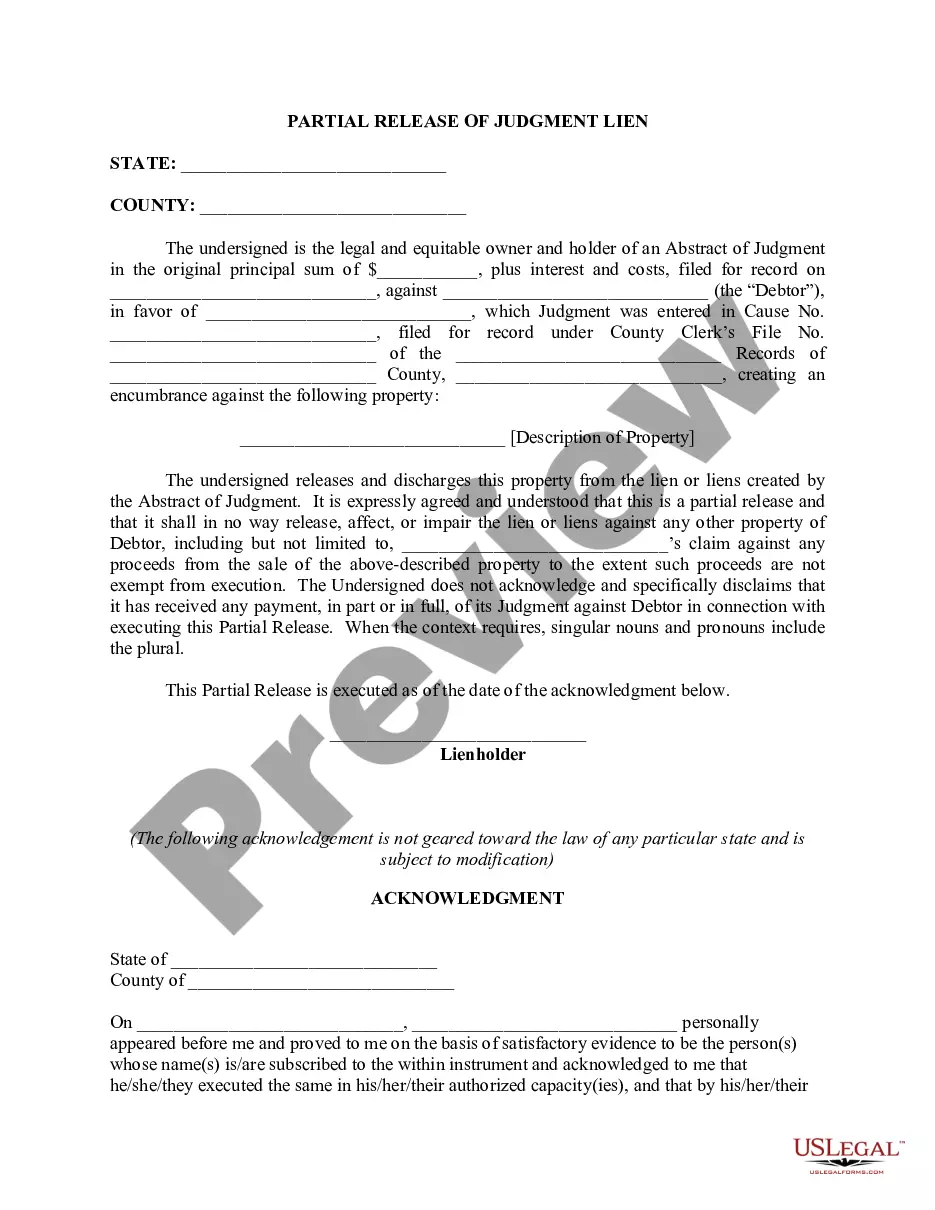
Get your form ready online
Our built-in tools help you complete, sign, share, and store your documents in one place.
Make edits, fill in missing information, and update formatting in US Legal Forms—just like you would in MS Word.
Download a copy, print it, send it by email, or mail it via USPS—whatever works best for your next step.
Sign and collect signatures with our SignNow integration. Send to multiple recipients, set reminders, and more. Go Premium to unlock E-Sign.
If this form requires notarization, complete it online through a secure video call—no need to meet a notary in person or wait for an appointment.
We protect your documents and personal data by following strict security and privacy standards.

Make edits, fill in missing information, and update formatting in US Legal Forms—just like you would in MS Word.

Download a copy, print it, send it by email, or mail it via USPS—whatever works best for your next step.

Sign and collect signatures with our SignNow integration. Send to multiple recipients, set reminders, and more. Go Premium to unlock E-Sign.

If this form requires notarization, complete it online through a secure video call—no need to meet a notary in person or wait for an appointment.

We protect your documents and personal data by following strict security and privacy standards.
Looking for another form?









Form popularity
FAQ
A demand letter for payment serves as a crucial tool in the process of debt collection. It is a formal, written correspondence that acts as a final attempt to resolve an outstanding invoice or debt without resorting to legal action.
How do you write a formal Demand Letter? Explain why you're writing the letter. Give details about the issue at hand. Attach evidence, if you've got it. State the terms of your settlement (optional) ... Provide party details.
How to Write a Final Demand Letter (5 steps) Enter the Header Information. Enter the Amount Due. Complete the Debtor's Details. Enter the Payment Option. Detail the Consequences and Sign.
State why you are writing the letter. Outline the facts/story leading up to the demand letter in a chronological manner. State the legal basis for your claim. State how you will pursue legal action if your demand is not met, and include a timeline within which the demand is to be met.
Demand Letter Components Facts of the case. An outline of what happened. Statement of the issue. A brief description of the problem. Demand. The dollar amount or action necessary to resolve the case. Response deadline. The date by which the recipient must respond. Noncompliance consequences.
Alameda County Alameda / County
California passed a new landlord-tenant law that will provide additional protections for renters around just cause evictions. The law took effect on April 1, 2024, and requires landlords to have just cause to terminate tenancy after a California tenant has been placed in the unit for 12 months.
The eviction process can take 30 - 45 days, or longer. The time starts from when you have eviction court forms delivered to your tenant to the time they must move out. Choose any box, below, to learn more about the eviction process and get step-by-step instructions.
What is the Tenant Protection Act? The Tenant Protection Act places limits on annual rent increases (Civil Code, § 1947.12) and restricts the types of allowable evictions in residential rental properties (Civil Code, § 1946.2).

