Joint Tenants Without Right Of Survivorship In Minnesota
Description

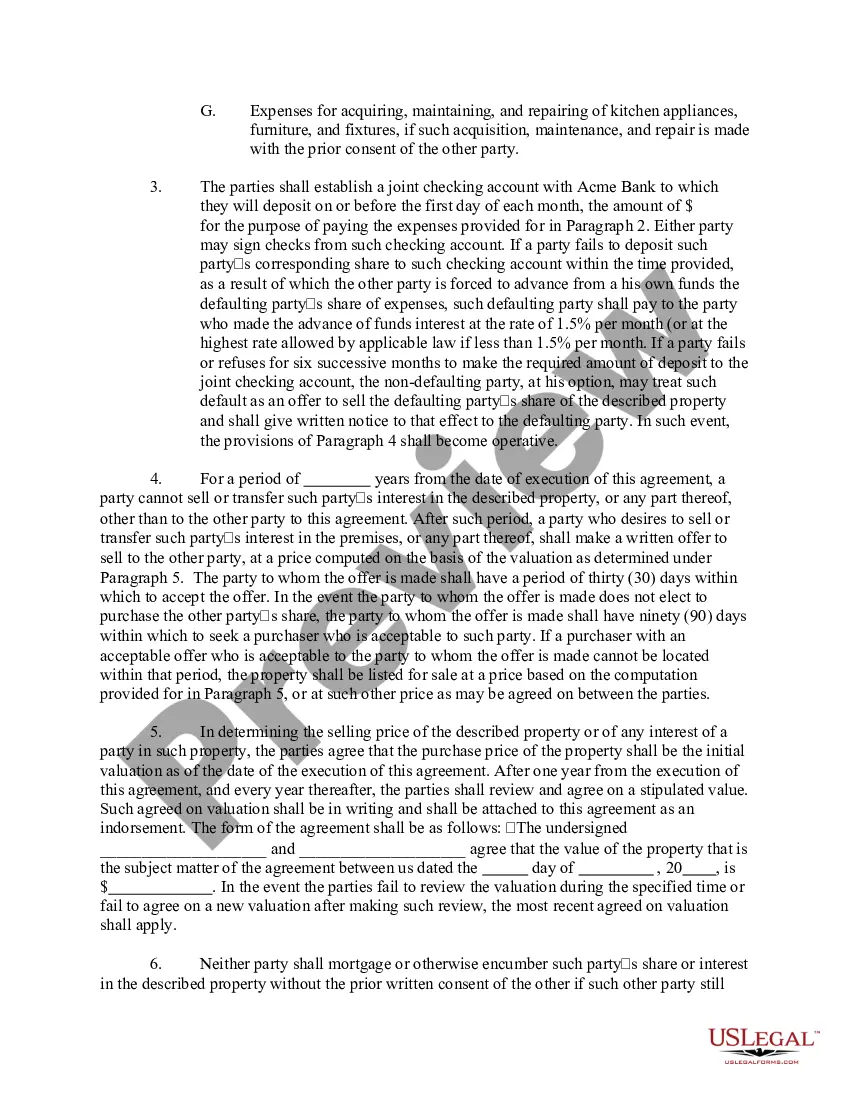
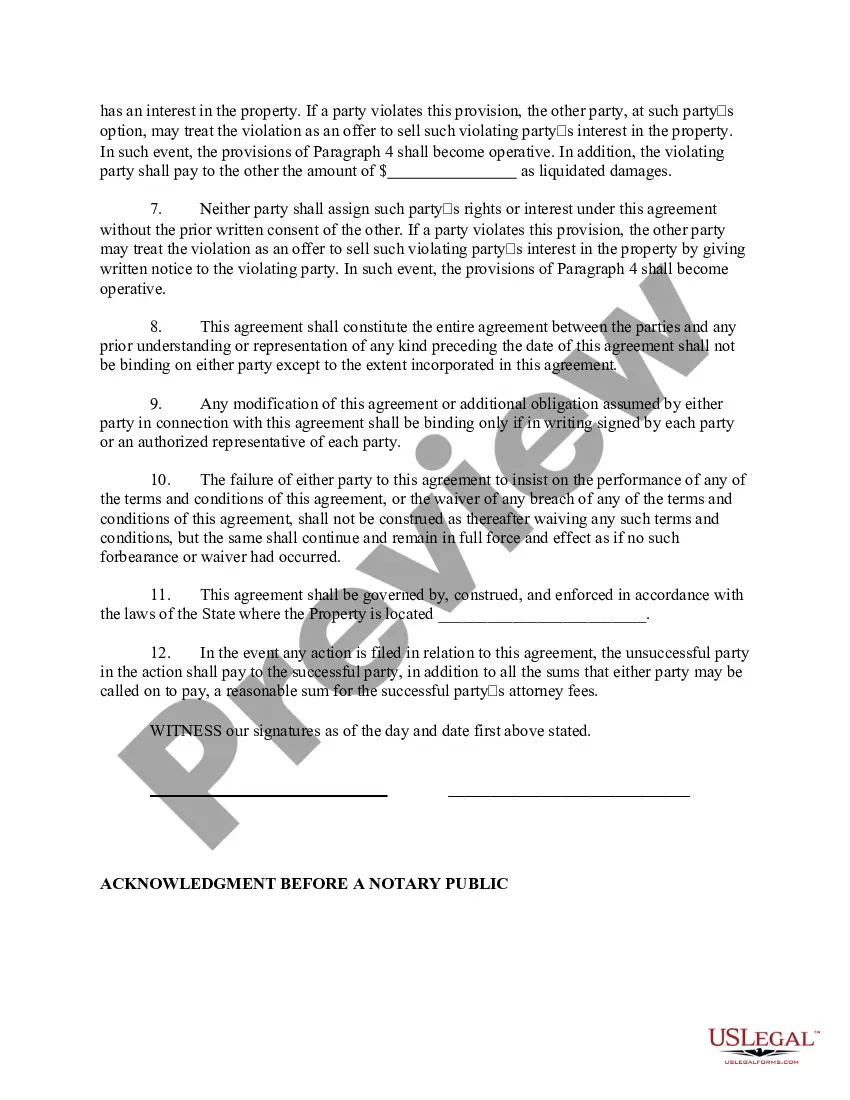
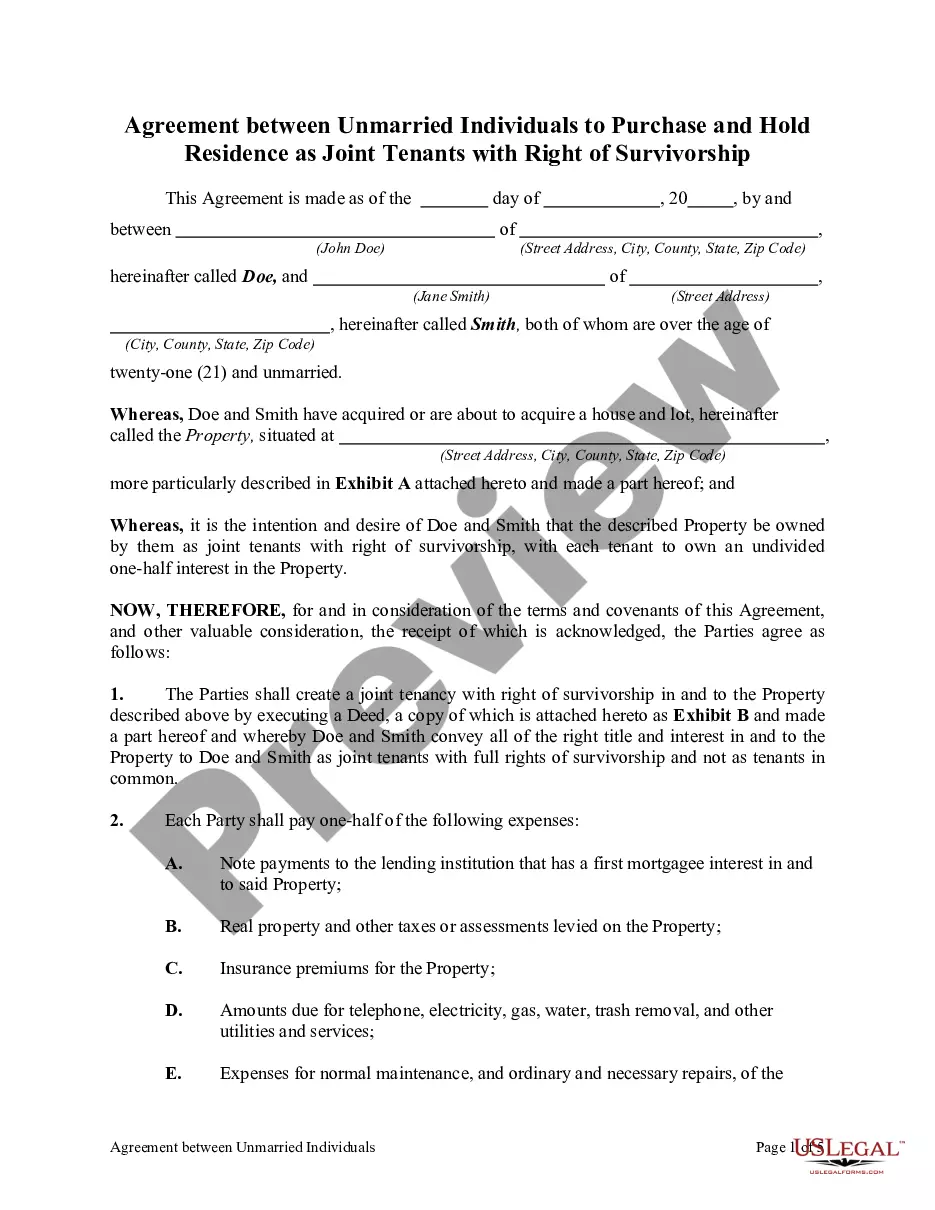
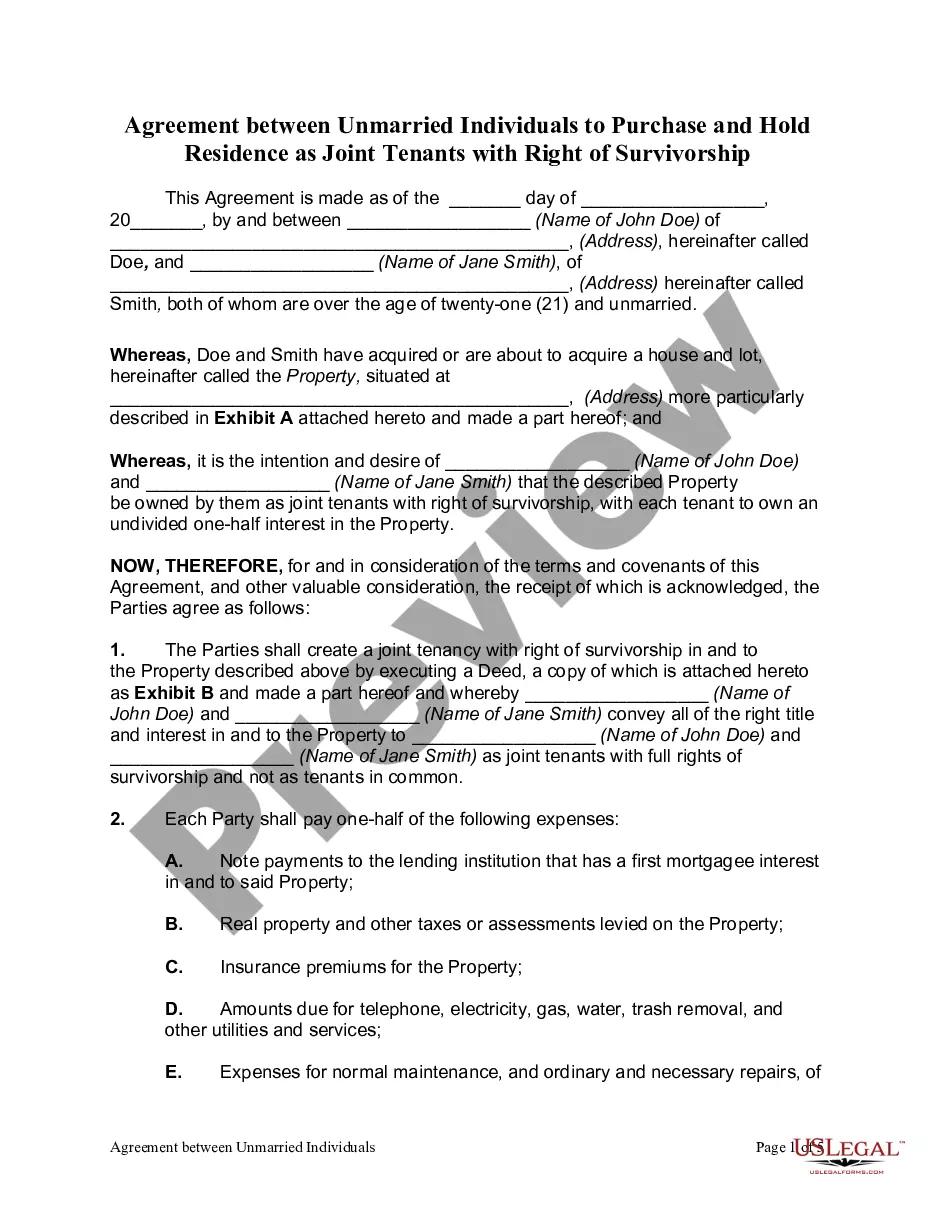
Get your form ready online
Our built-in tools help you complete, sign, share, and store your documents in one place.
Make edits, fill in missing information, and update formatting in US Legal Forms—just like you would in MS Word.
Download a copy, print it, send it by email, or mail it via USPS—whatever works best for your next step.
Sign and collect signatures with our SignNow integration. Send to multiple recipients, set reminders, and more. Go Premium to unlock E-Sign.
If this form requires notarization, complete it online through a secure video call—no need to meet a notary in person or wait for an appointment.
We protect your documents and personal data by following strict security and privacy standards.

Make edits, fill in missing information, and update formatting in US Legal Forms—just like you would in MS Word.

Download a copy, print it, send it by email, or mail it via USPS—whatever works best for your next step.

Sign and collect signatures with our SignNow integration. Send to multiple recipients, set reminders, and more. Go Premium to unlock E-Sign.

If this form requires notarization, complete it online through a secure video call—no need to meet a notary in person or wait for an appointment.

We protect your documents and personal data by following strict security and privacy standards.
Looking for another form?








Form popularity
FAQ
You do not need the other owner's consent to sever a joint tenancy. All you need to do is make sure that the notice is given to the other owner. The process of giving a document to someone is known as service or to serve.
A tenancy at will may be terminated by either party by giving notice in writing. The time of the notice must be at least as long as the interval between the time rent is due or three months, whichever is less.
Joint tenancy is most common among married couples because it helps property owners avoid probate. Without joint tenancy, a spouse would have to wait for their partner's Last Will to go through a legal review process—which can take months or even years.
If your joint tenancy is for a fixed term (for example, 12 months), you must normally get the agreement of your landlord and the other tenants to give notice to end the tenancy. If you end your tenancy it ends for everyone.
As of 2022, Minnesota has two kinds of property ownership if there are multiple owners: joint tenancy and tenancy-in-common.
As of 2022, Minnesota has two kinds of property ownership if there are multiple owners: joint tenancy and tenancy-in-common.
Equitable distribution of marital wealth Minnesota is an equitable distribution state. This does not necessarily mean a 50-50 settlement of everything. But the law presumes that all assets and debts acquired during the marriage will be divided equitably, including: Your house and other real estate.
Community Property States. Minnesota is what is considered a “separate property” state and not a “community property” state. In a separate property state spouses own separately all earnings and acquisitions from earnings during the marriage, unless they agree to a joint form of ownership.
Since the late nineteenth century, joint and several liability has been the law in Minnesota.
