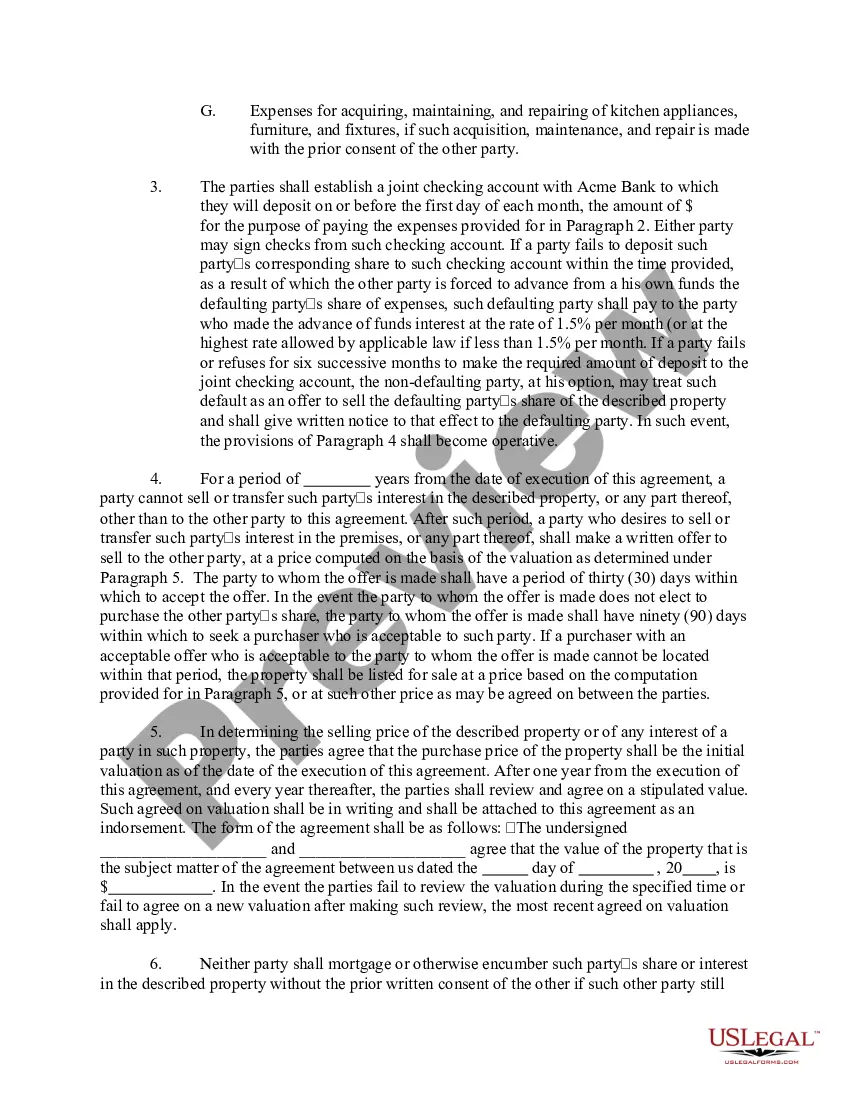
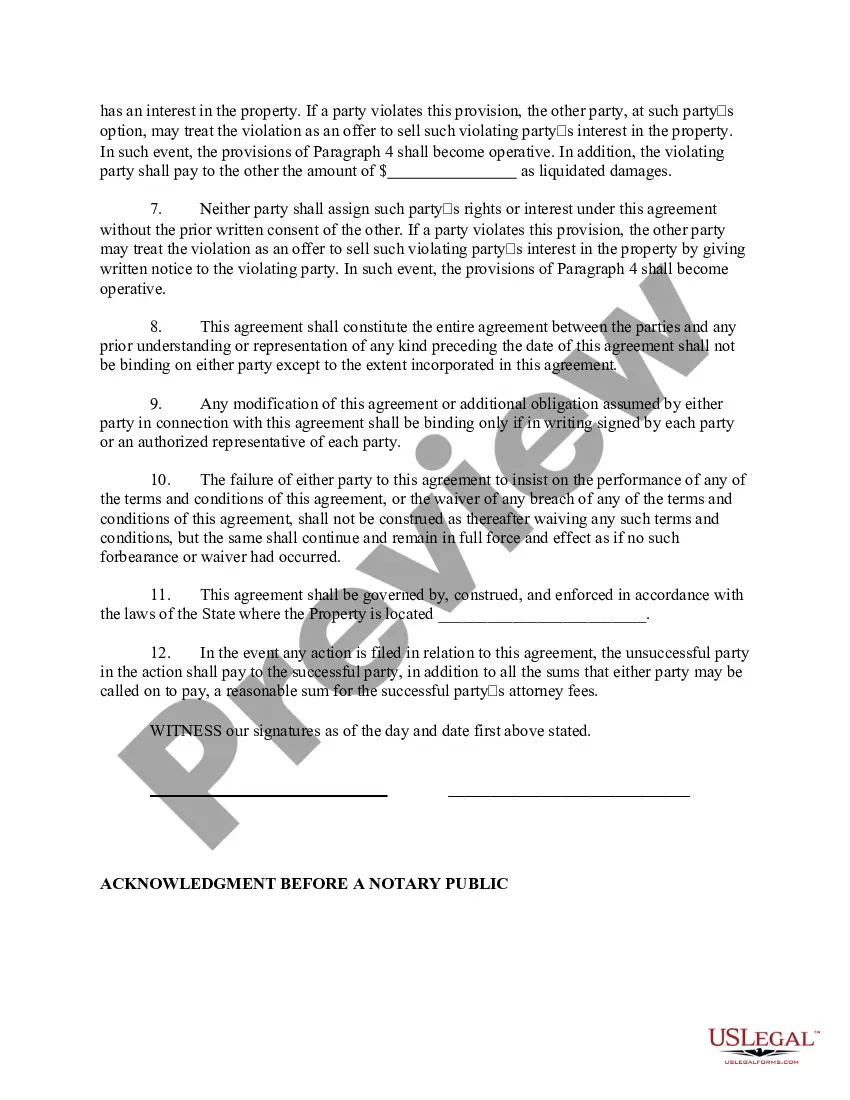
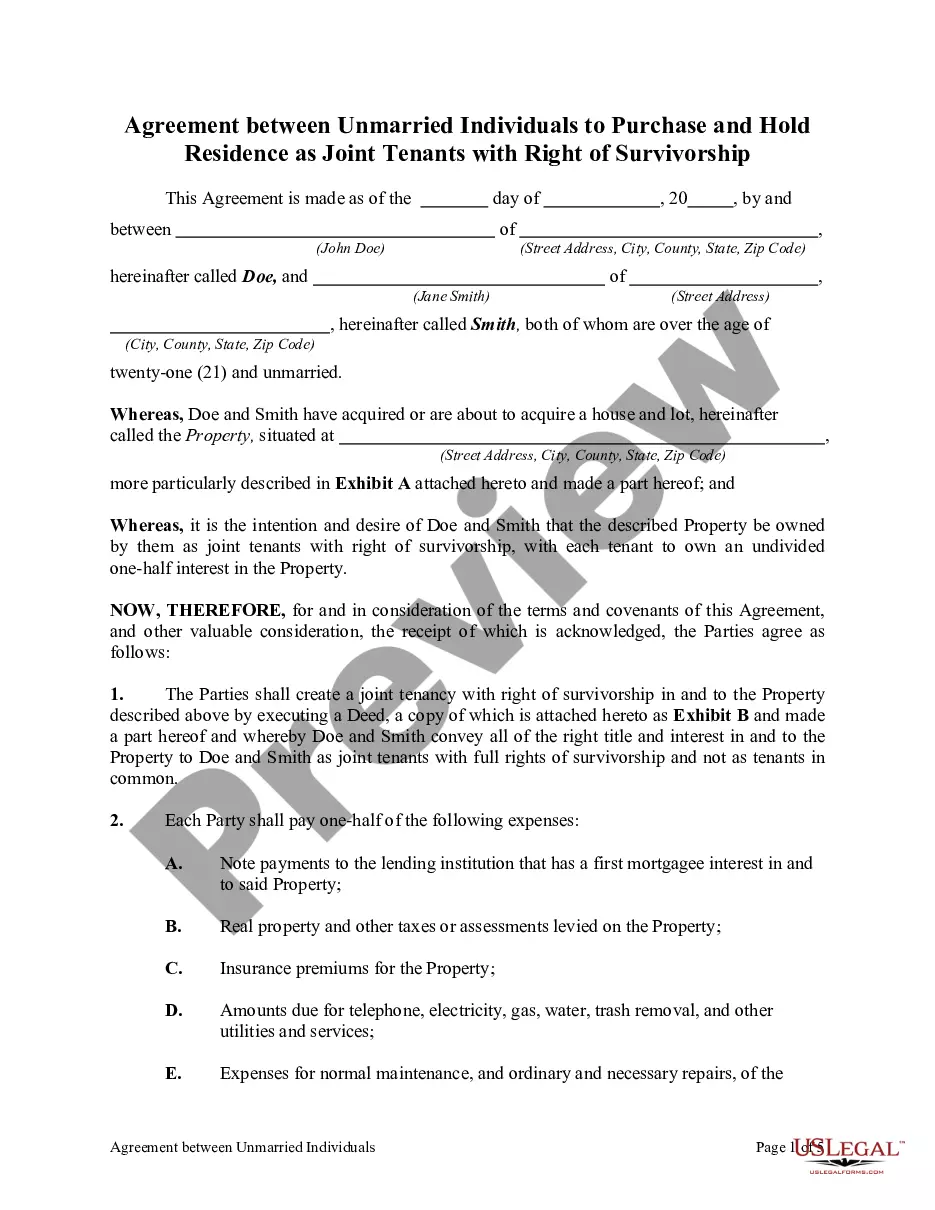
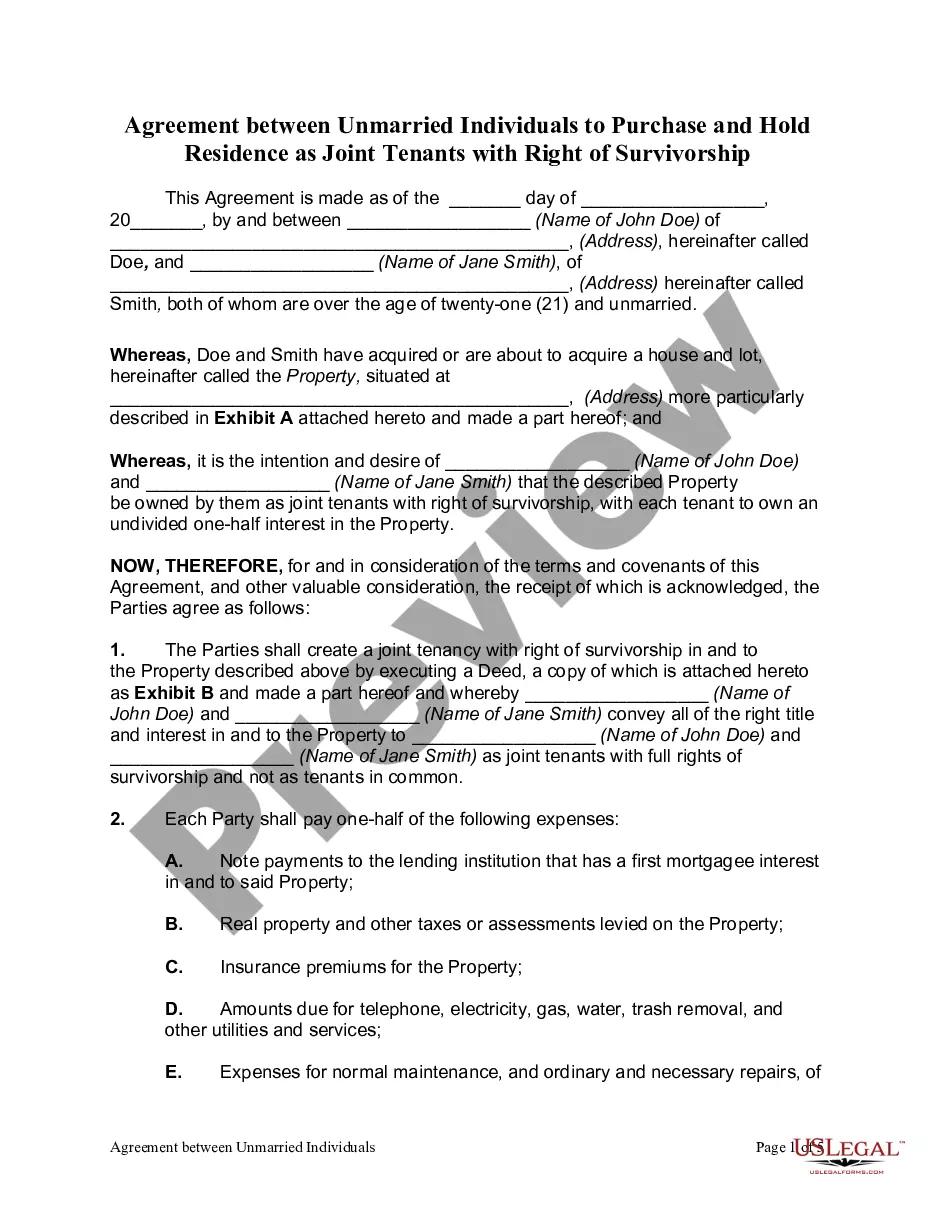
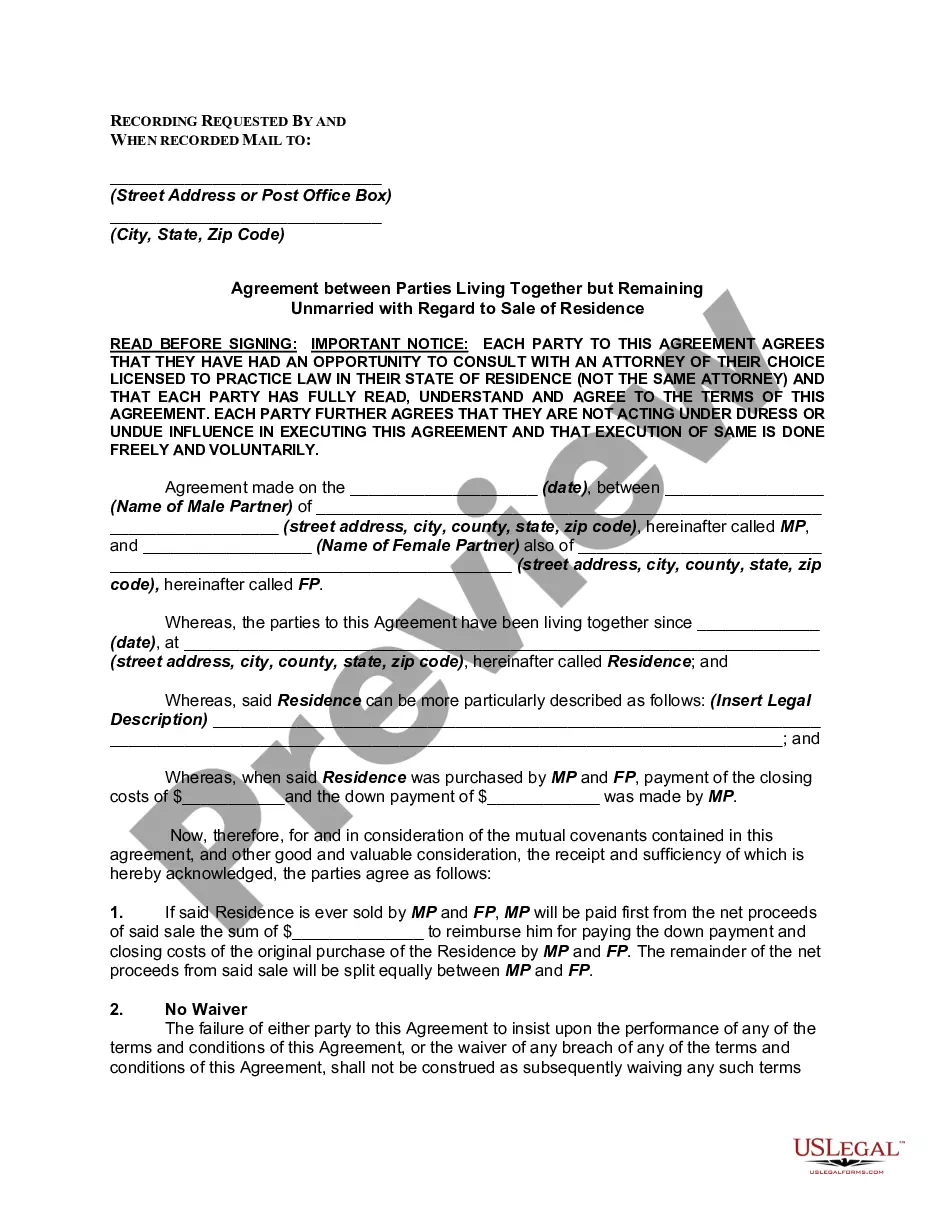
Contracts For Unmarried Couples That Are Buying A Home In Minnesota
Description

Get your form ready online
Our built-in tools help you complete, sign, share, and store your documents in one place.
Make edits, fill in missing information, and update formatting in US Legal Forms—just like you would in MS Word.
Download a copy, print it, send it by email, or mail it via USPS—whatever works best for your next step.
Sign and collect signatures with our SignNow integration. Send to multiple recipients, set reminders, and more. Go Premium to unlock E-Sign.
If this form requires notarization, complete it online through a secure video call—no need to meet a notary in person or wait for an appointment.
We protect your documents and personal data by following strict security and privacy standards.

Make edits, fill in missing information, and update formatting in US Legal Forms—just like you would in MS Word.

Download a copy, print it, send it by email, or mail it via USPS—whatever works best for your next step.

Sign and collect signatures with our SignNow integration. Send to multiple recipients, set reminders, and more. Go Premium to unlock E-Sign.

If this form requires notarization, complete it online through a secure video call—no need to meet a notary in person or wait for an appointment.

We protect your documents and personal data by following strict security and privacy standards.
Looking for another form?








Form popularity
FAQ
As long as you and your ex can agree on how to divide up your assets, there is no need to involve lawyers or the court system. Even if children are involved, in most states you have the opportunity to separate in private, ing to whatever arrangements the two of you agree on.
As long as you and your ex can agree on how to divide up your assets, there is no need to involve lawyers or the court system. Even if children are involved, in most states you have the opportunity to separate in private, ing to whatever arrangements the two of you agree on.
Cohabitation Agreements Generally This means that both parties have a legal and ethical obligation to act in each other's best interests on financial matters. It must address joint accounts, joint debts, joint property, and any financial support if the relationship ends (“palimony").
Perhaps the most common way for unmarried couples to take title to real property is as "tenants in common." Unlike a joint tenancy, a tenant in common has no automatic right to inherit the property when the other partner dies.
Equitable distribution of marital wealth Minnesota is an equitable distribution state. This does not necessarily mean a 50-50 settlement of everything. But the law presumes that all assets and debts acquired during the marriage will be divided equitably, including: Your house and other real estate.
While certain properties, like marital debts, are shared between spouses, debts and assets that were yours prior to marriage are not shared.
There is no set number of years after which you become automatically entitled to half of all marital property in Minnesota. The court has broad discretion to divide assets equitably based on the facts of each case. That said, marriages lasting 20 years or longer often tend closer to an equal, 50/50 split of assets.
As long as you and your ex can agree on how to divide up your assets, there is no need to involve lawyers or the court system. Even if children are involved, in most states you have the opportunity to separate in private, ing to whatever arrangements the two of you agree on.
