Joint Tenancy For Bank Account In Michigan
Description

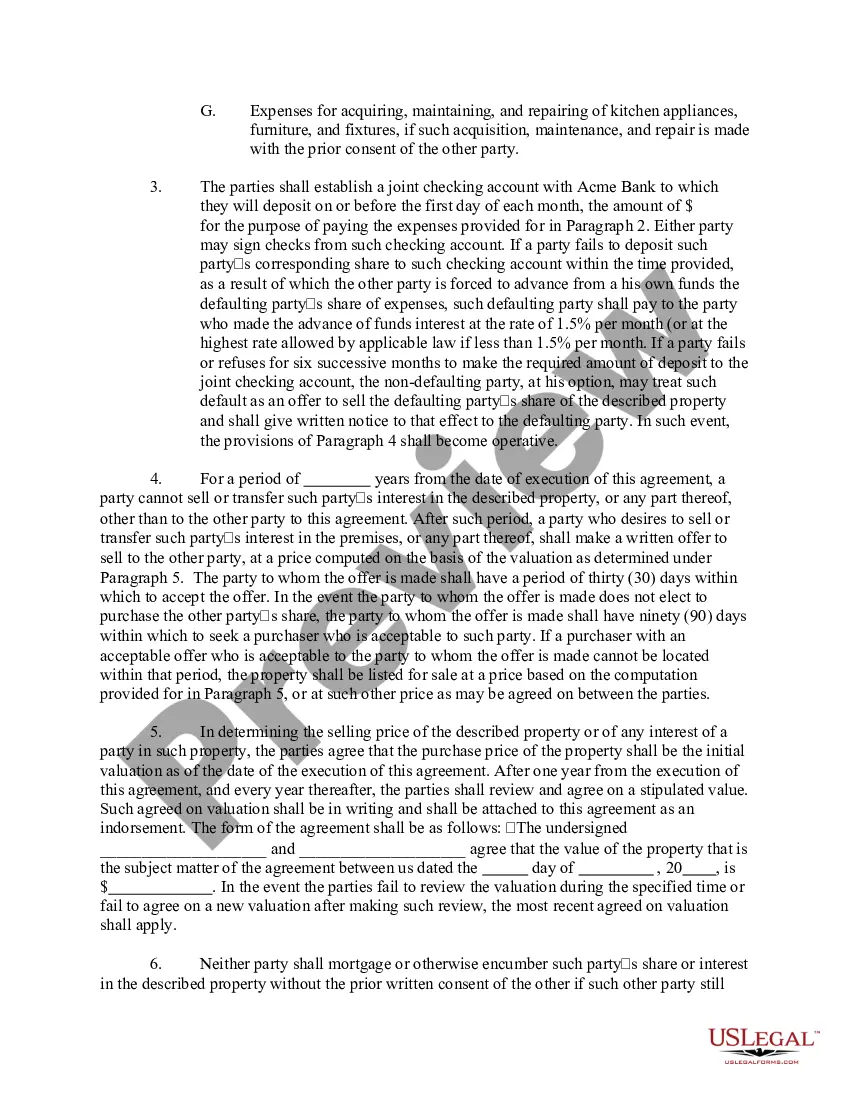
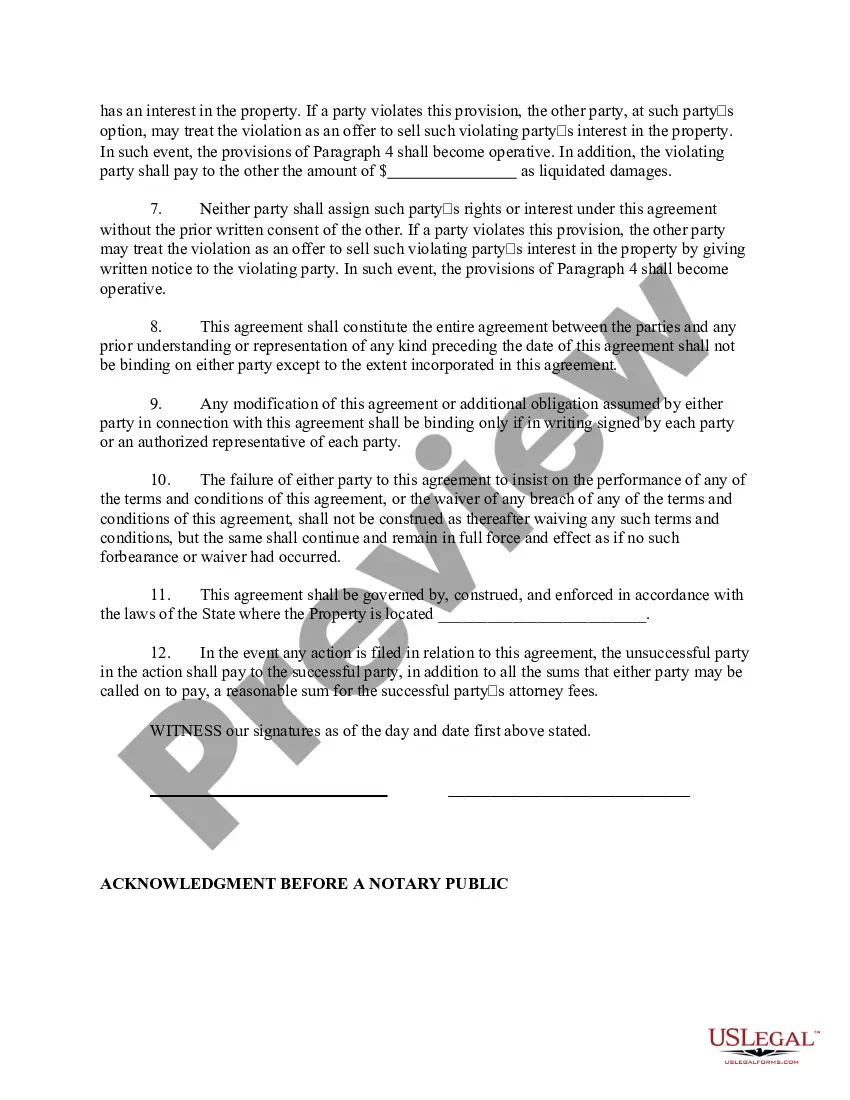
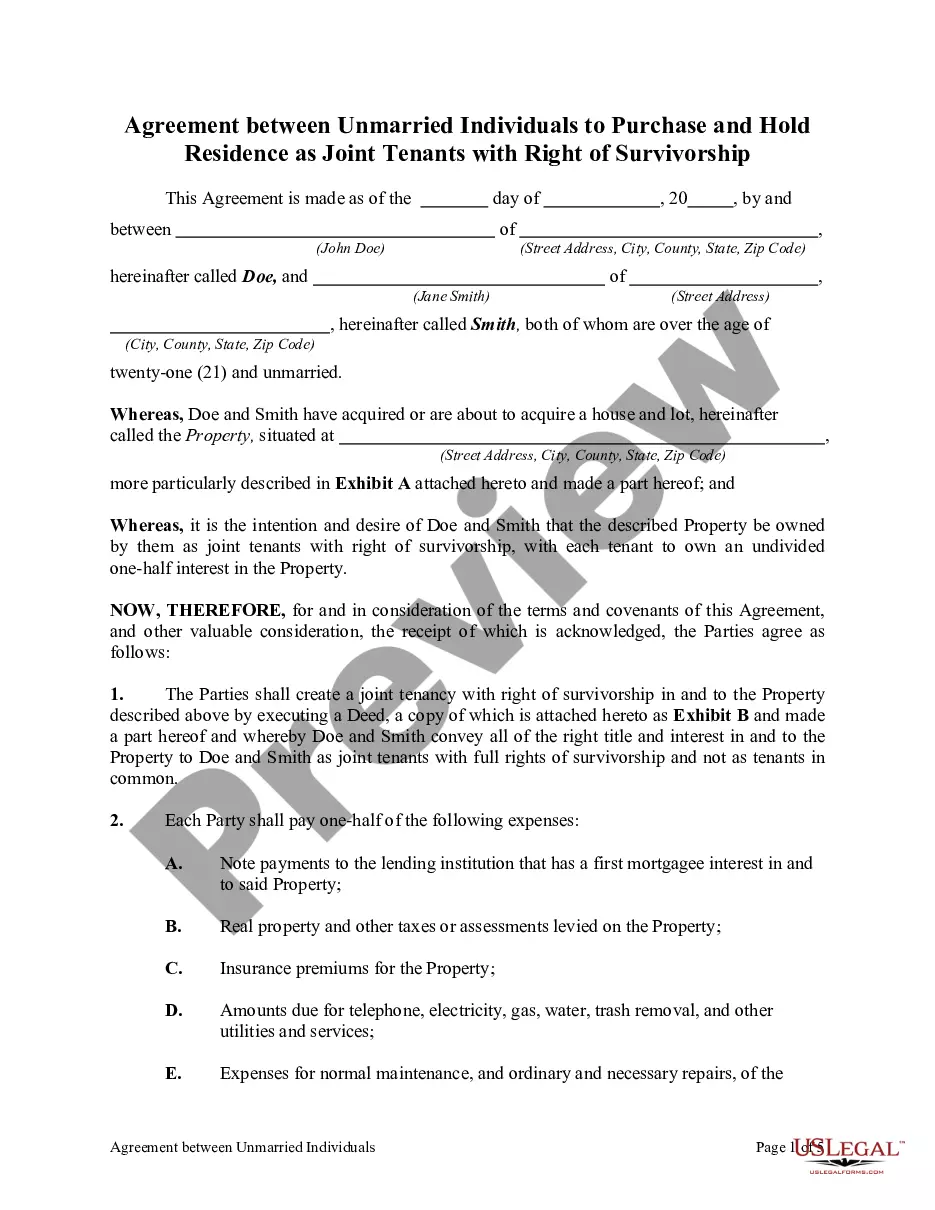
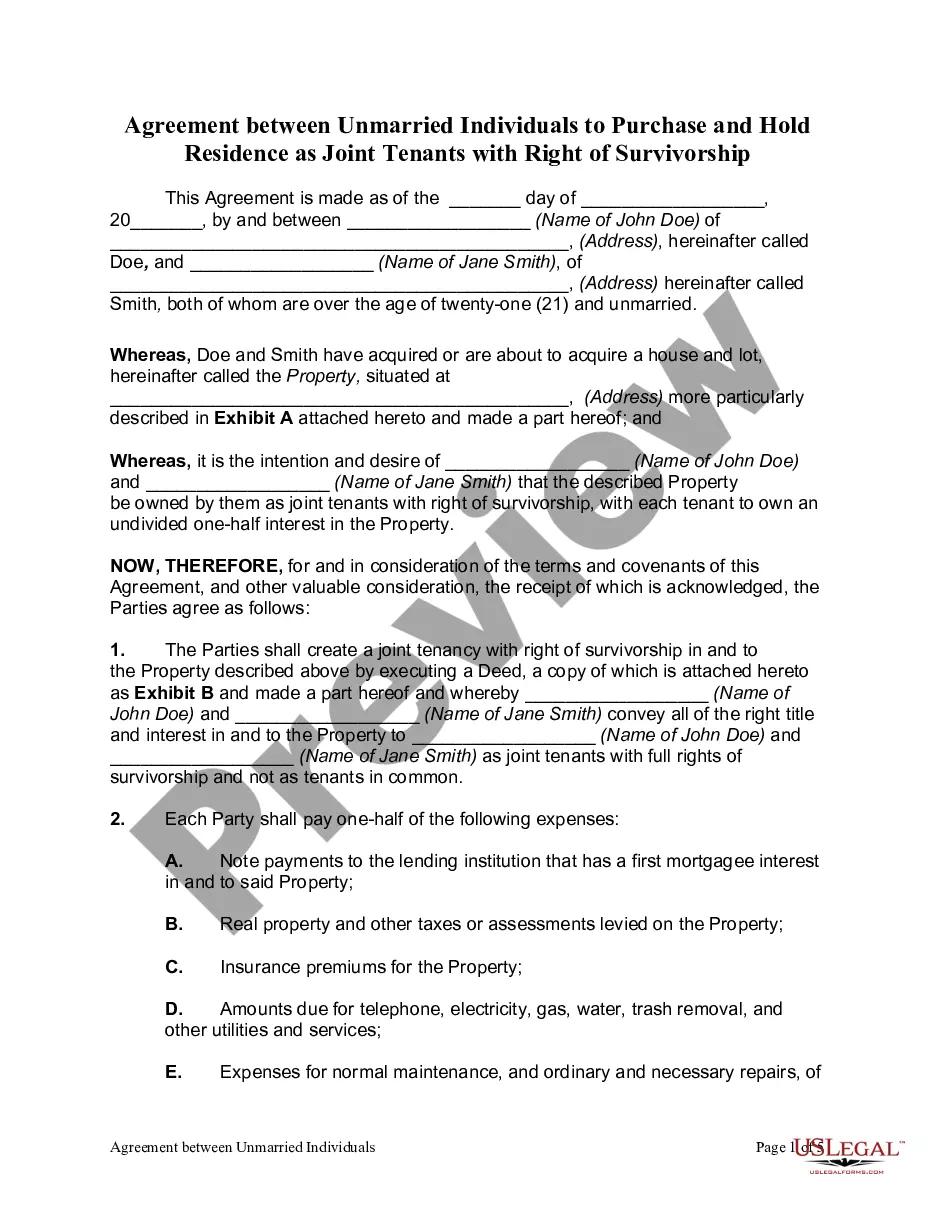
Get your form ready online
Our built-in tools help you complete, sign, share, and store your documents in one place.
Make edits, fill in missing information, and update formatting in US Legal Forms—just like you would in MS Word.
Download a copy, print it, send it by email, or mail it via USPS—whatever works best for your next step.
Sign and collect signatures with our SignNow integration. Send to multiple recipients, set reminders, and more. Go Premium to unlock E-Sign.
If this form requires notarization, complete it online through a secure video call—no need to meet a notary in person or wait for an appointment.
We protect your documents and personal data by following strict security and privacy standards.

Make edits, fill in missing information, and update formatting in US Legal Forms—just like you would in MS Word.

Download a copy, print it, send it by email, or mail it via USPS—whatever works best for your next step.

Sign and collect signatures with our SignNow integration. Send to multiple recipients, set reminders, and more. Go Premium to unlock E-Sign.

If this form requires notarization, complete it online through a secure video call—no need to meet a notary in person or wait for an appointment.

We protect your documents and personal data by following strict security and privacy standards.
Looking for another form?




Form popularity
FAQ
In most cases, if an individual forming part of a joint account dies, the surviving account holder will gain full access to the funds and continue to be able to operate the account. The funds do not form part of the deceased estate.
If in his or her lifetime, a deceased person was an owner of a statutory joint account, the estate, in event of its insolvency, may recover from the surviving owner so much of the deposits as were owned by the deceased person immediately before the deceased person's death to the extent required to satisfy claims ...
Instead, the deceased party's share of the account becomes part of their estate and would be subject to probate. Once the probate process is complete, the deceased member's share of the multi-party bank account would then pass to their designated beneficiaries.
In Michigan, you can jointly own property in four ways: Tenants in common. Joint tenants. Joint tenants with full rights of survivorship.
With a joint account with right of survivorship, the asset immediately becomes property of the survivor when one of the people dies. This avoids the requirement for probate for these assets and makes the funds immediately available to the survivor, rather than waiting until the estate is settled.
The answer is, it's part of the marital estate. It doesn't matter whose name the account is. it matters when it was accumulated. Even if it's in your own name.
A joint account generally passes outside of the will because it is considered to be a non-probate asset meaning it passes directly to the surviving owner rather than through the will. In most instances, joint accounts are used as “convenience accounts”.
Right of Survivorship by Default: Generally, joint bank accounts are presumed to have rights of survivorship unless otherwise specified.
Joint Bank Account Rules on Death "The joint owner becomes the legal and equitable owner of all funds in a joint account at the instant of death," says Doehring. "It does not become part of the probate estate."
