Joint Tenancy Definition In Law In Los Angeles
Description

Form popularity
FAQ
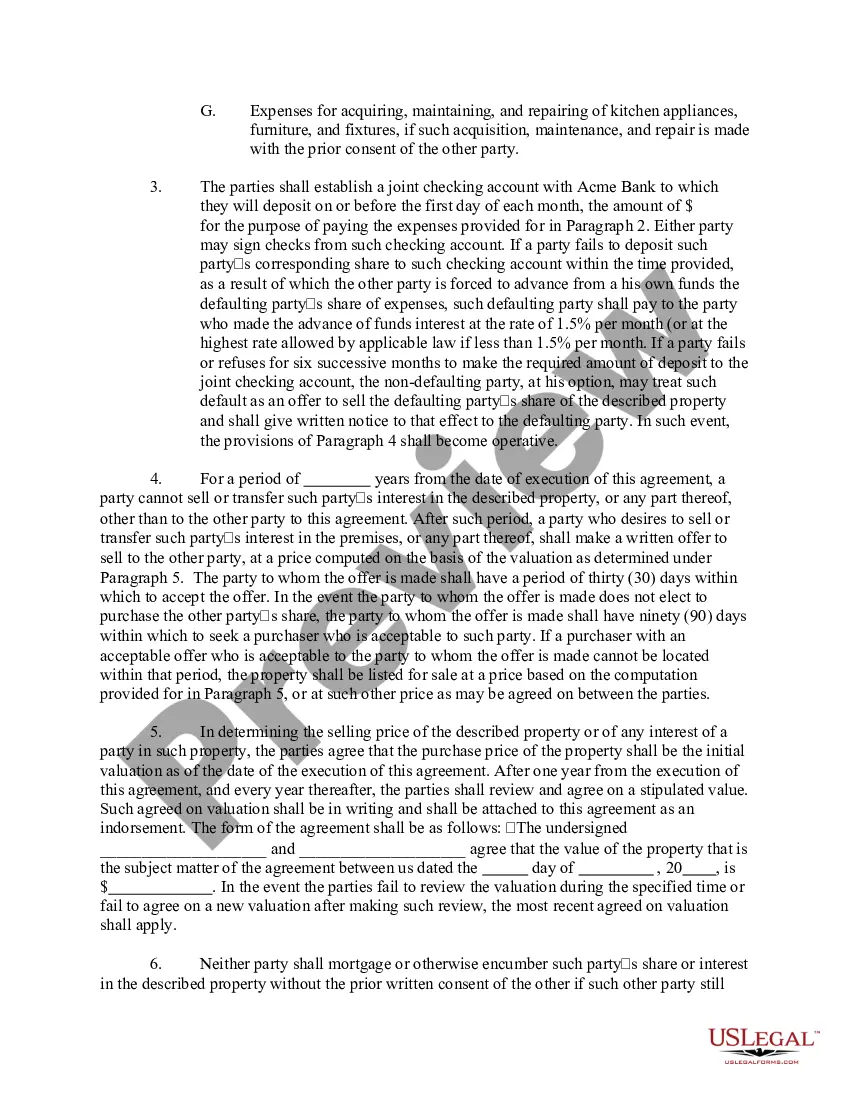
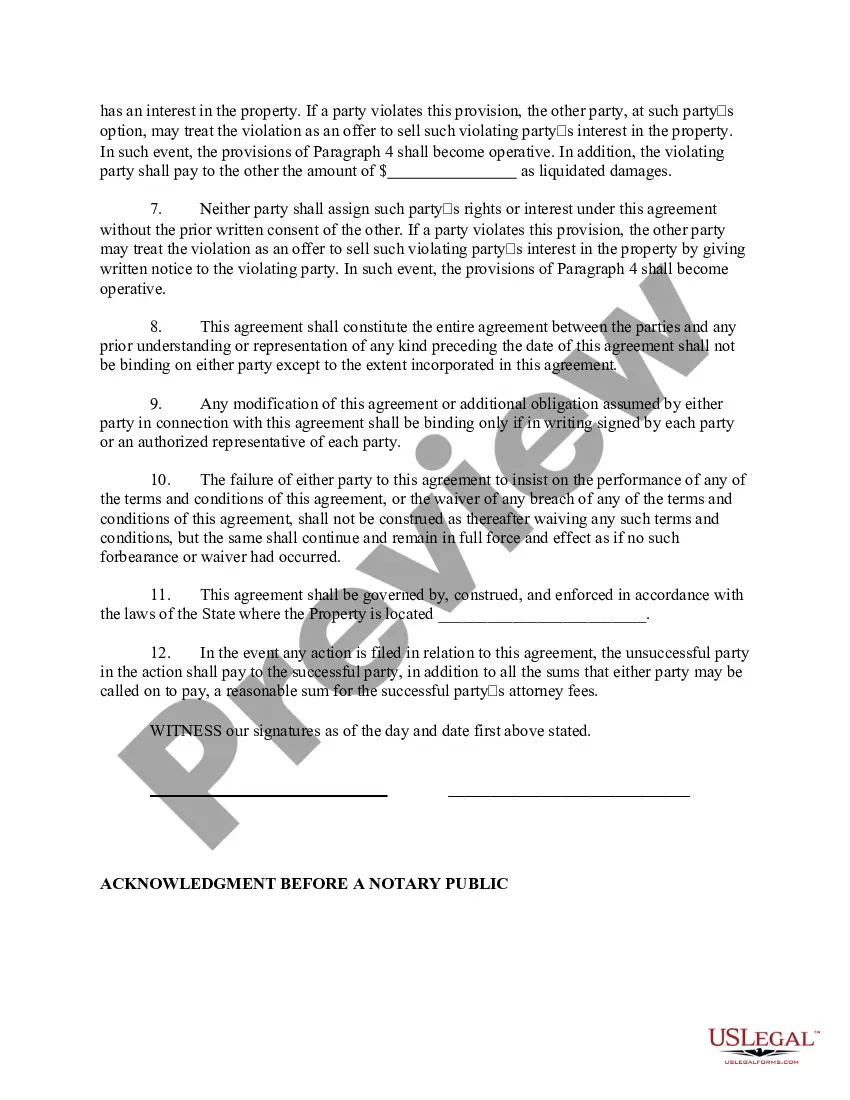
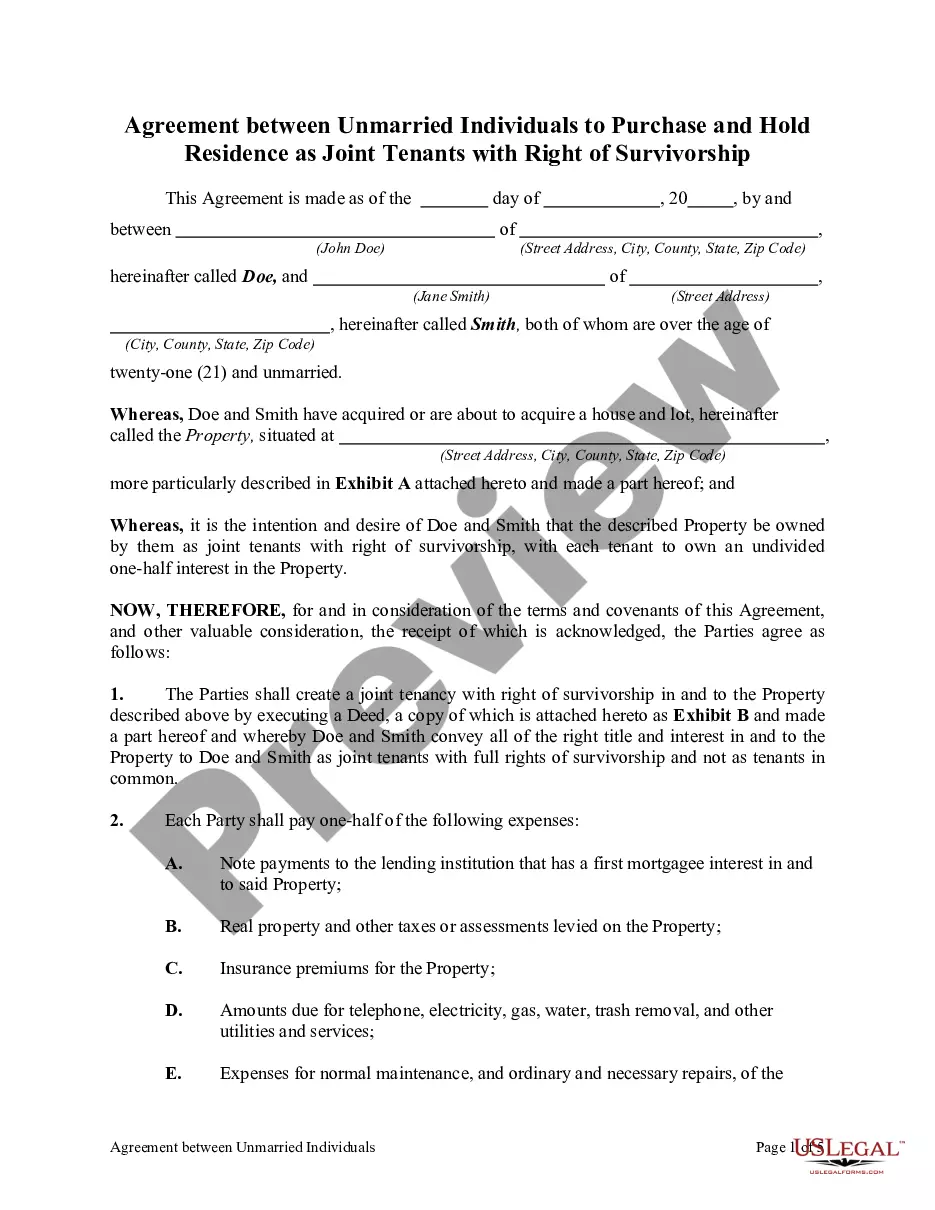
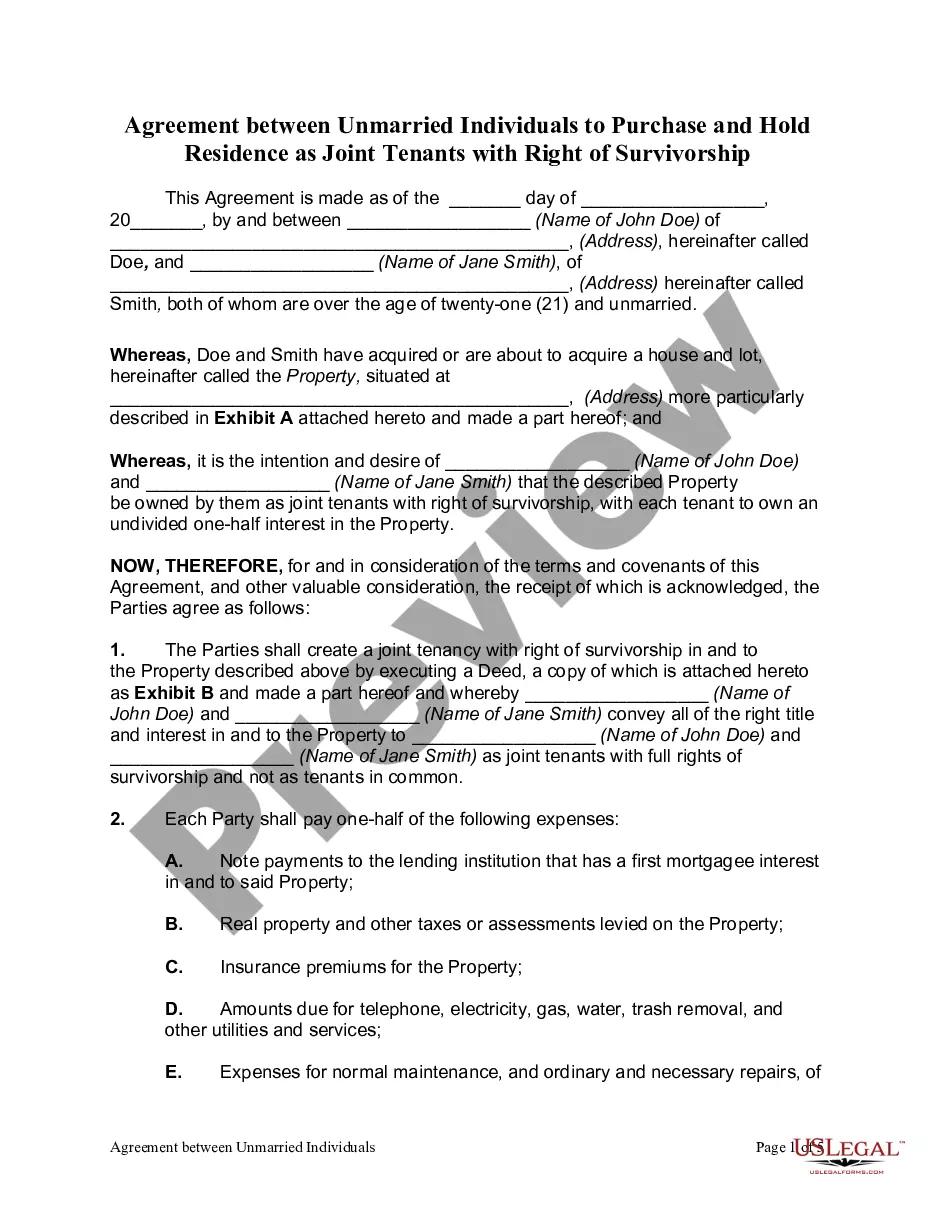
With joint tenancy the right of survivorship is implied, so if one joint tenant dies, the other joint tenant or tenants automatically become the owners of the deceased tenant's interest in the property without the property having to pass through probate.
Utilizing a revocable trust is the best way for a married couple to take title. Titling property in your trust avoids probate upon the death of both the initial and surviving spouses and preserves the capital gains step up for the entire property on the first death.
The legal concept incompatible with a joint tenancy is Escheat. Joint tenancy ensures that upon the death of one owner, their share automatically transfers to the surviving co-owner(s), which conflicts with the escheatment process that transfers property to the state.
For instance, if you're married, the most common way to title your home is Tenancy by the Entirety (TBE).
A property owned by joint tenants is “owned by two or more persons in equal shares, by a title created by a single will or transfer, when expressly declared in the will or transfer to be a joint tenancy, or by transfer from a sole owner to himself or herself and others, or from tenants in common or joint tenants to ...
Joint tenancy is most common among married couples because it helps property owners avoid probate. Without joint tenancy, a spouse would have to wait for their partner's Last Will to go through a legal review process—which can take months or even years.
Joint tenants (JT), or joint tenants with rights of survivorship (JTWROS), are the forms of ownership most commonly used by married couples.
In the context of joint tenancy, typically four unities are required for its valid creation: Unity of Possession, Unity of Interest, Unity of Time, and Unity of Title, collectively referred to as the 'four unities' in property law. However, one example of a 'unity' that is not required is the Unity of Marriage.
