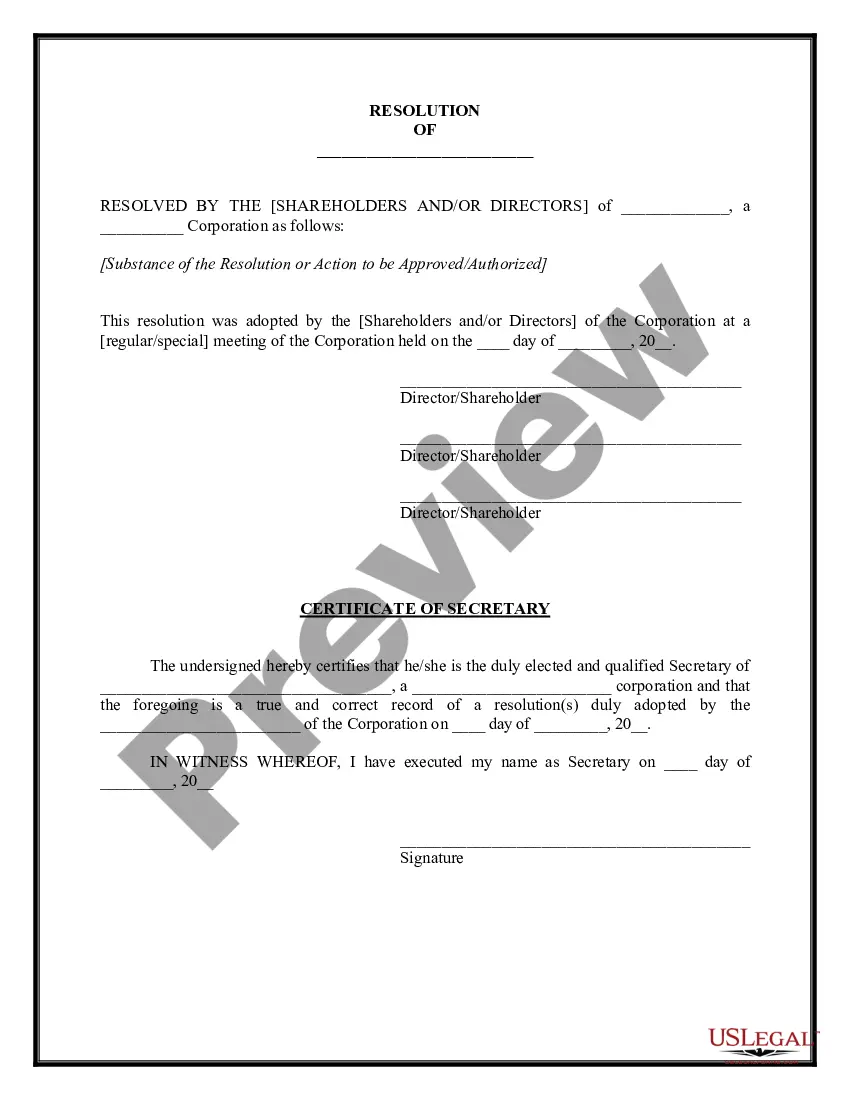
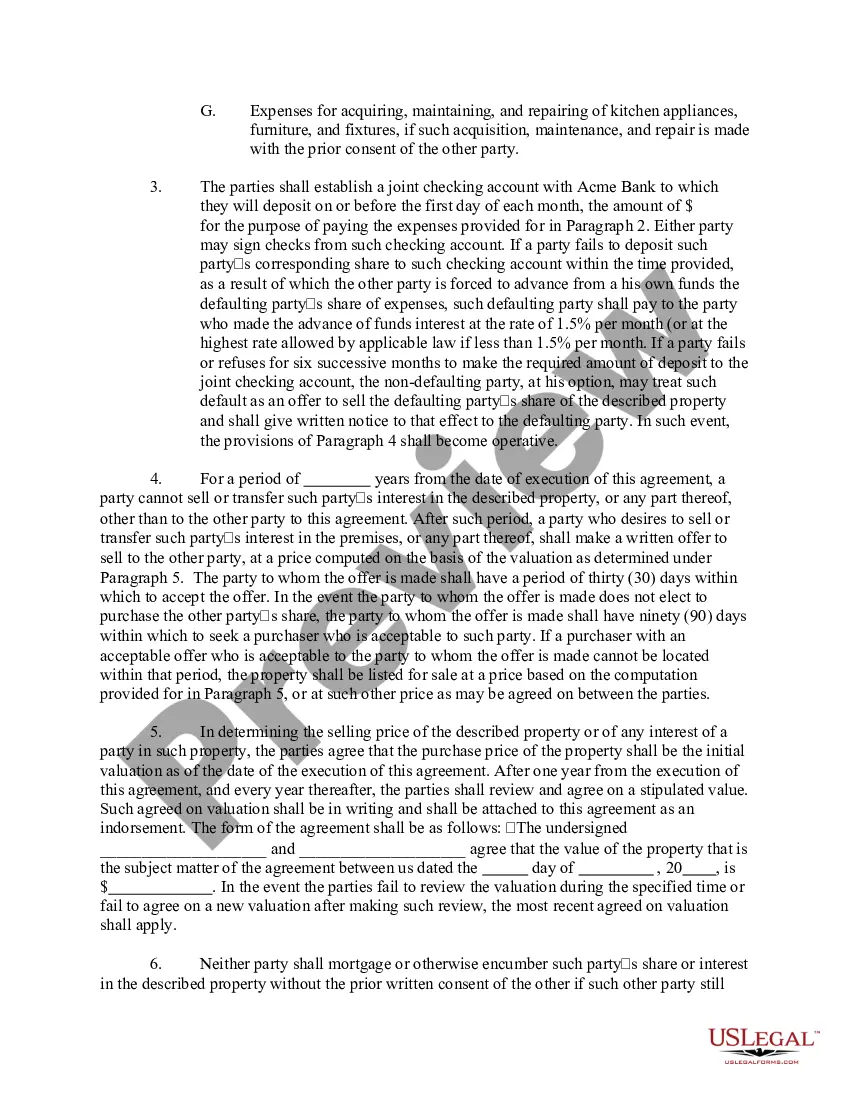
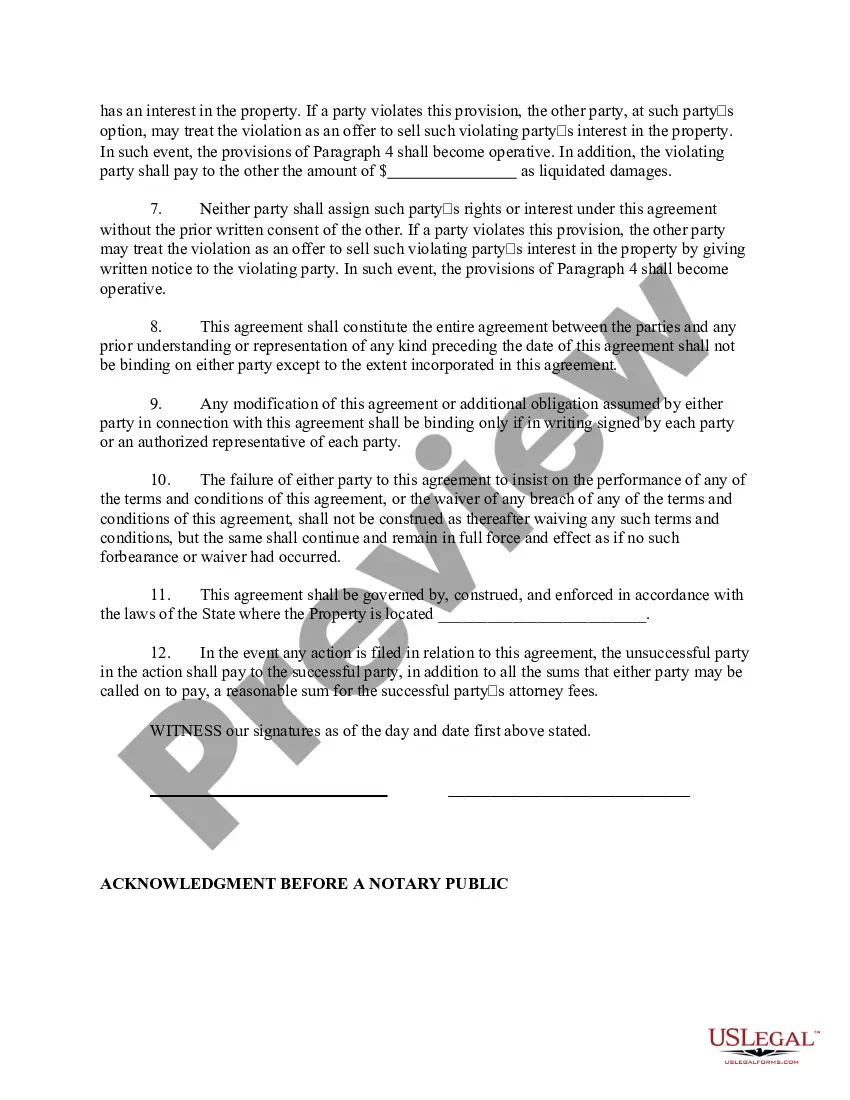
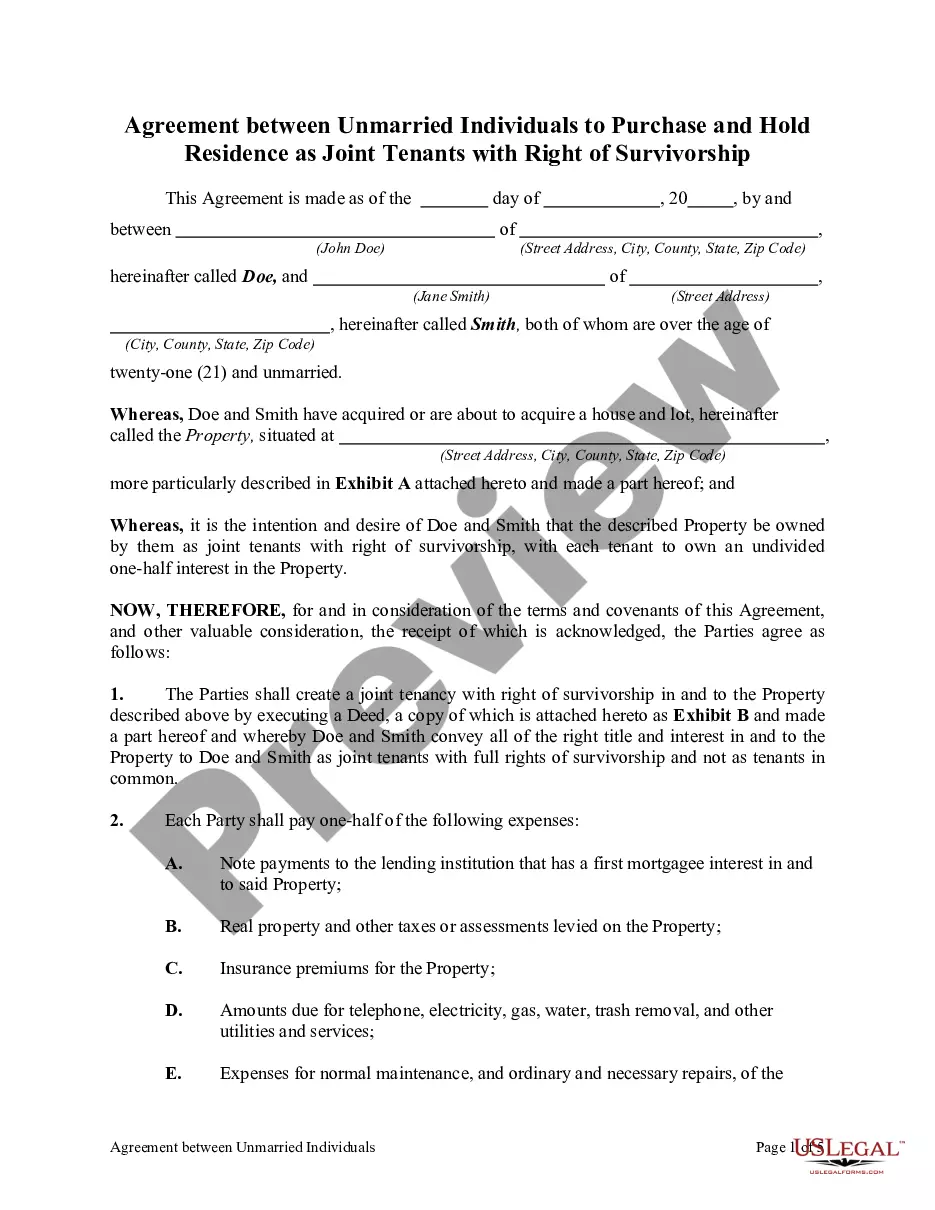
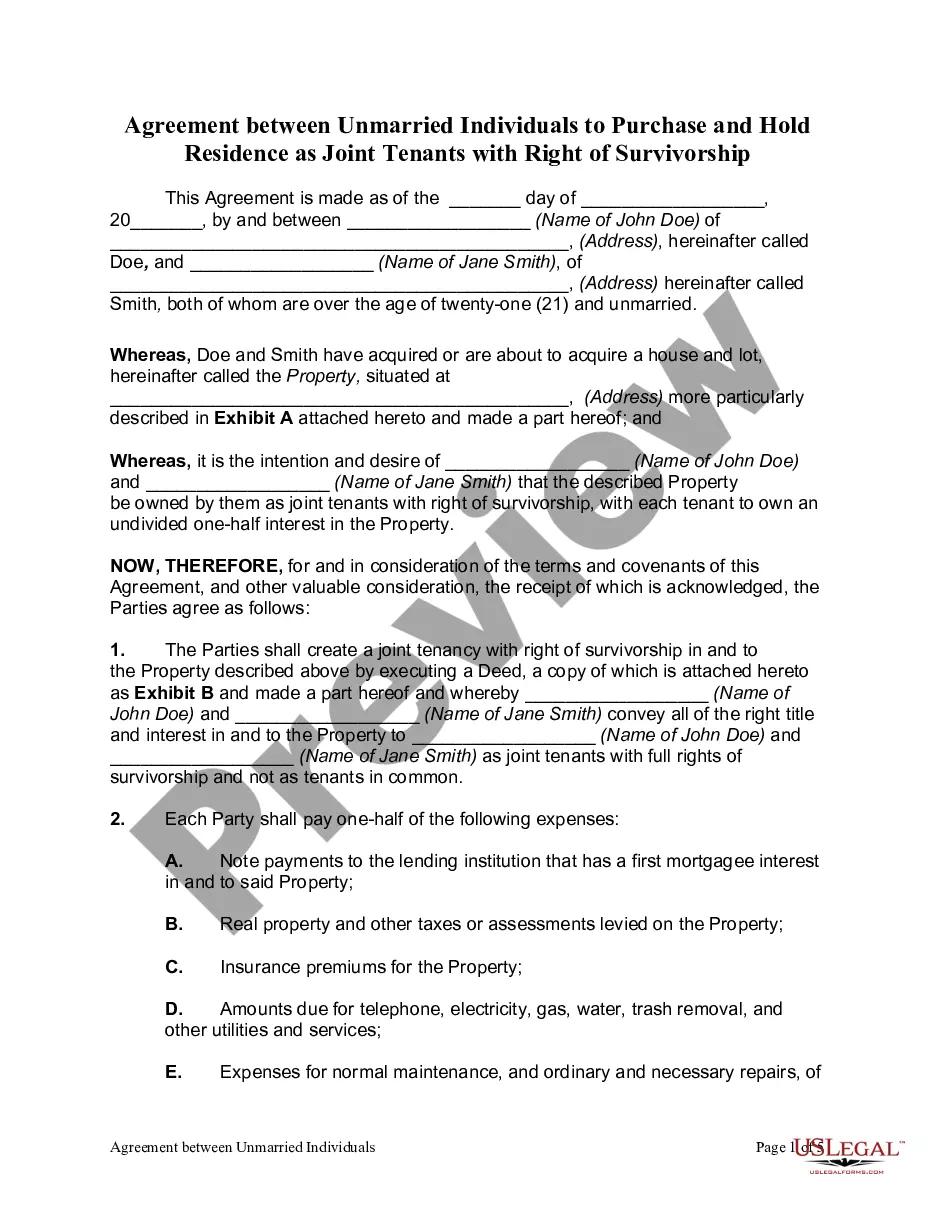
Agreement Unmarried With Child In King
Description

Get your form ready online
Our built-in tools help you complete, sign, share, and store your documents in one place.
Make edits, fill in missing information, and update formatting in US Legal Forms—just like you would in MS Word.
Download a copy, print it, send it by email, or mail it via USPS—whatever works best for your next step.
Sign and collect signatures with our SignNow integration. Send to multiple recipients, set reminders, and more. Go Premium to unlock E-Sign.
If this form requires notarization, complete it online through a secure video call—no need to meet a notary in person or wait for an appointment.
We protect your documents and personal data by following strict security and privacy standards.

Make edits, fill in missing information, and update formatting in US Legal Forms—just like you would in MS Word.

Download a copy, print it, send it by email, or mail it via USPS—whatever works best for your next step.

Sign and collect signatures with our SignNow integration. Send to multiple recipients, set reminders, and more. Go Premium to unlock E-Sign.

If this form requires notarization, complete it online through a secure video call—no need to meet a notary in person or wait for an appointment.

We protect your documents and personal data by following strict security and privacy standards.
Looking for another form?







Form popularity
FAQ
However, the general consensus is that divorce is especially tough on elementary school-age children. Here's why 6- to 12-years-old might struggle with divorce: Most kids this age have a grasp on complex emotions, but still need support in order to process the intricacies of divorce.
Years 5–8: Very Risky Here are the reasons why this phase represents some of the hardest years of marriage: Small children need a lot of care and attention, and juggling between housekeeping and work becomes a very tough task, leading to differences and resentment.
As long as you and your ex can agree on how to divide up your assets, there is no need to involve lawyers or the court system. Even if children are involved, in most states you have the opportunity to separate in private, ing to whatever arrangements the two of you agree on.
My 5 Top Tips For Reducing Conflict Put respect & dignity at the centre of your intentions. Limit the conversations when exchanging the children. Stick to the basics like confirming pickup and drop-off times. Keep it business like and polite. Don't use children to send messages back and forth with your ex.
While unmarried mothers automatically have parental responsibility, unmarried fathers can acquire it under limited circumstances, which can be outlined in a cohabitation agreement. The agreement ensures two parents should feel equally responsible towards their child, regardless of their marital status.
Choose the Right Time: Find a calm moment to discuss your feelings and the decision to separate. Be Clear and Respectful: Communicate your reasons without blaming the other person. Focus on your feelings and needs. Discuss Living Arrangements: Decide who will stay in the home and who will move out.
If spouses can co-parent positively and keep their personal differences at bay for the sake of the kids, their children may have an advantage if their parents stay together. If not, the kids may be better served through an amicable divorce.
Yes you can. However give yourself a deep thought. Yes, nothing wrong marrying someone with a kid. I wouldn't have any problem as long as her children accept me as well because you need respect in the household to keep love strong in marriage.