Contracts For Unmarried Couples In Cook
Description

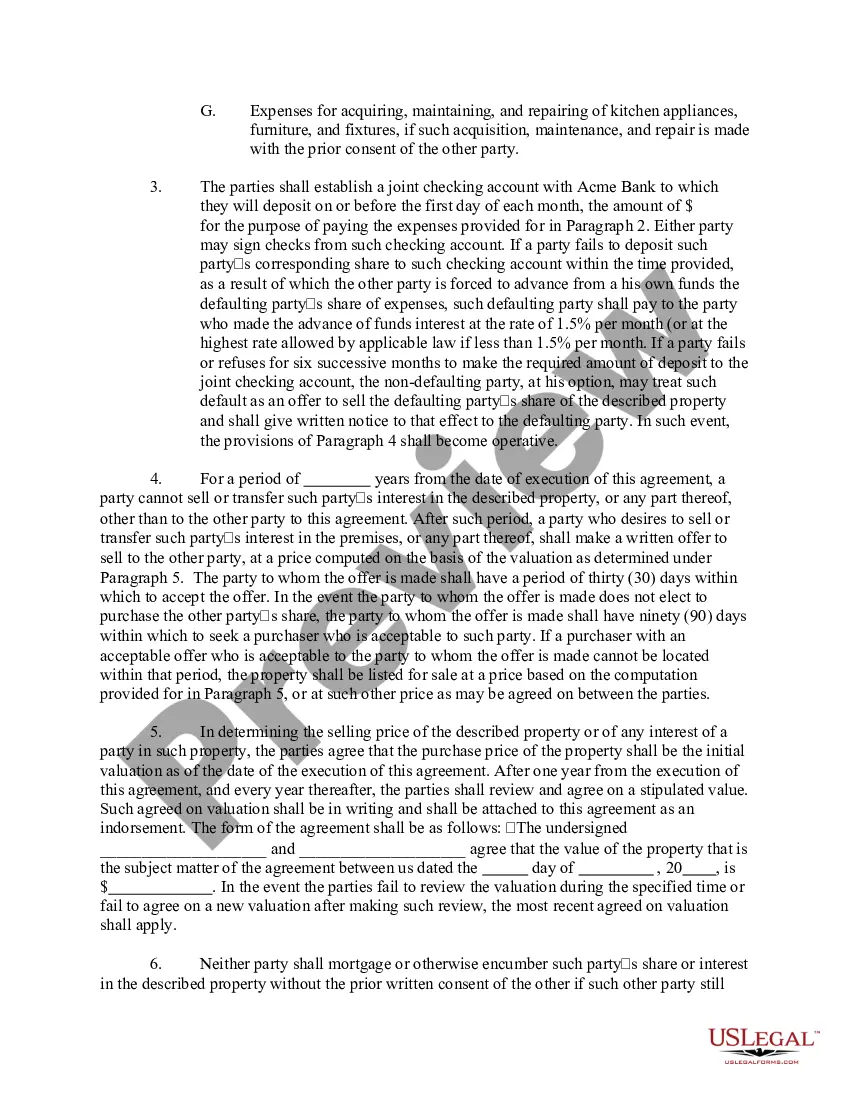
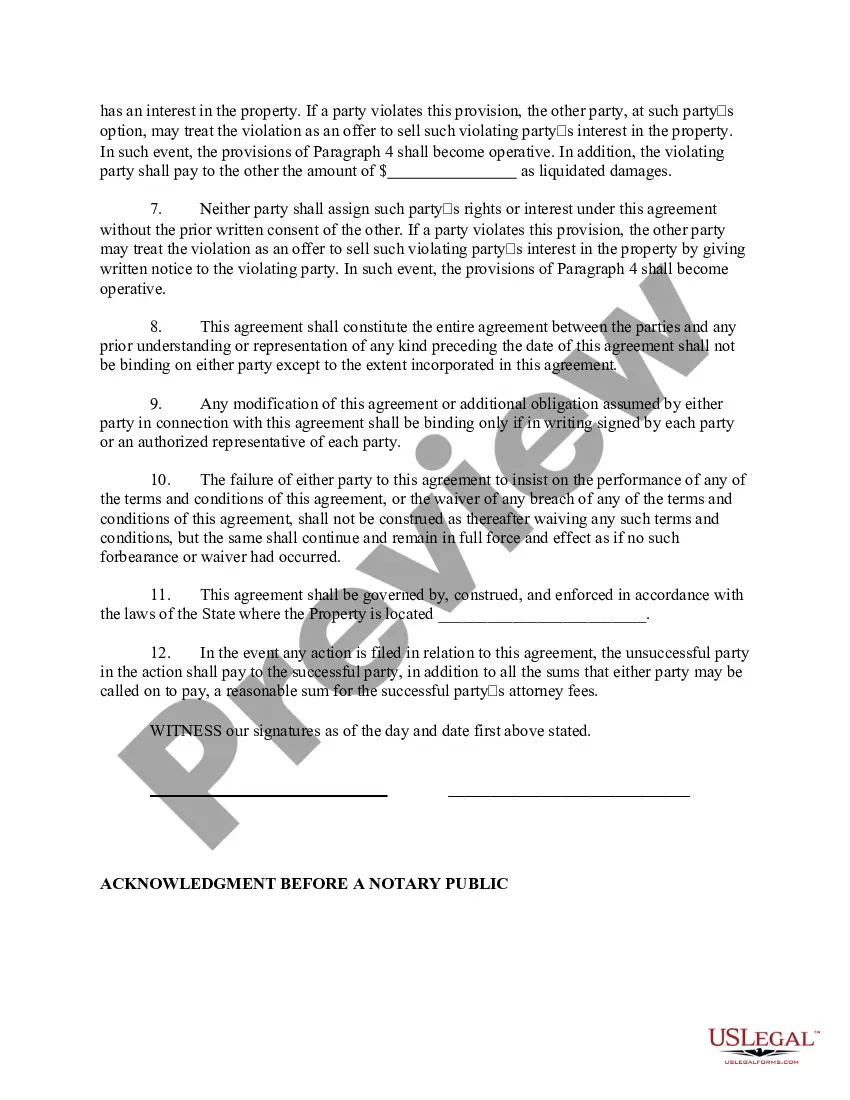
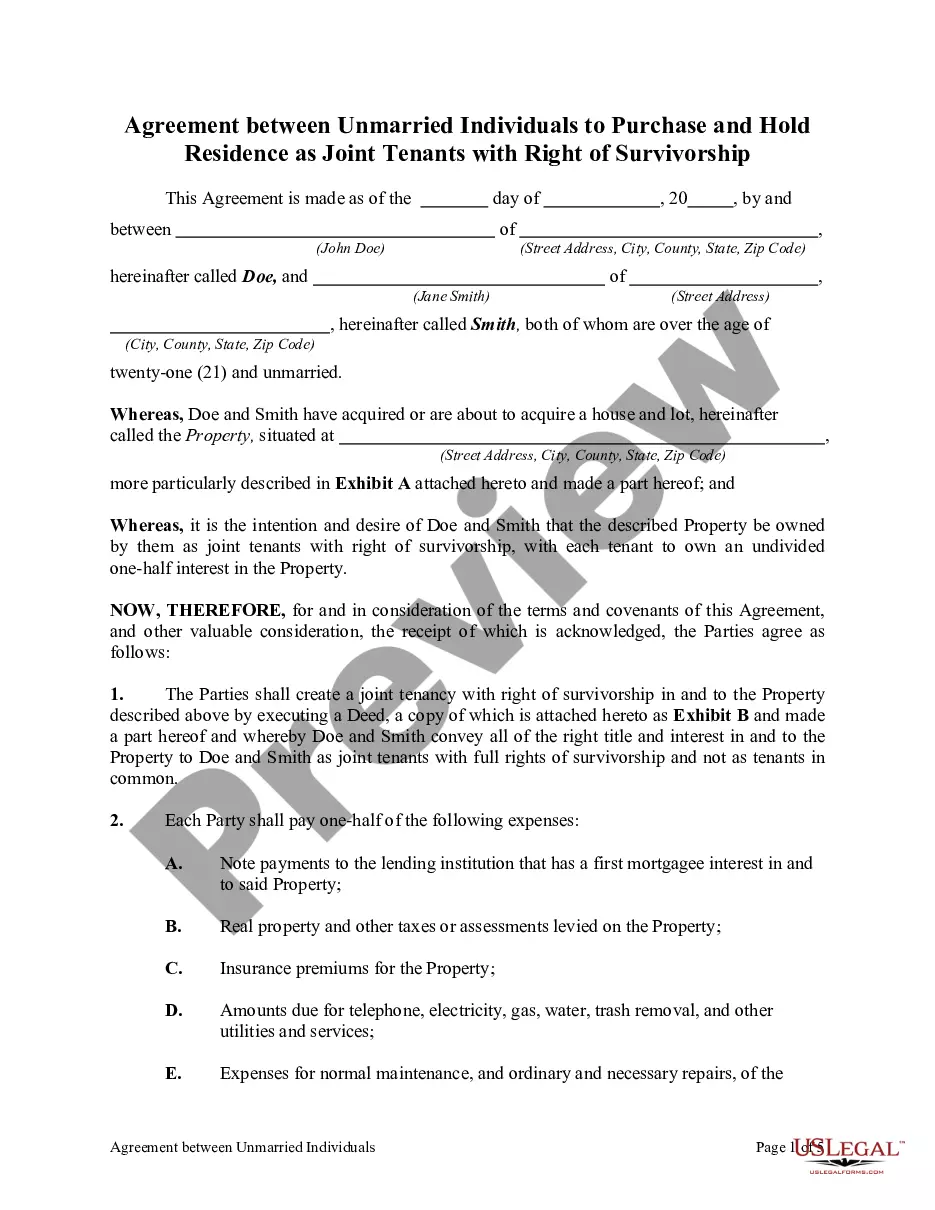
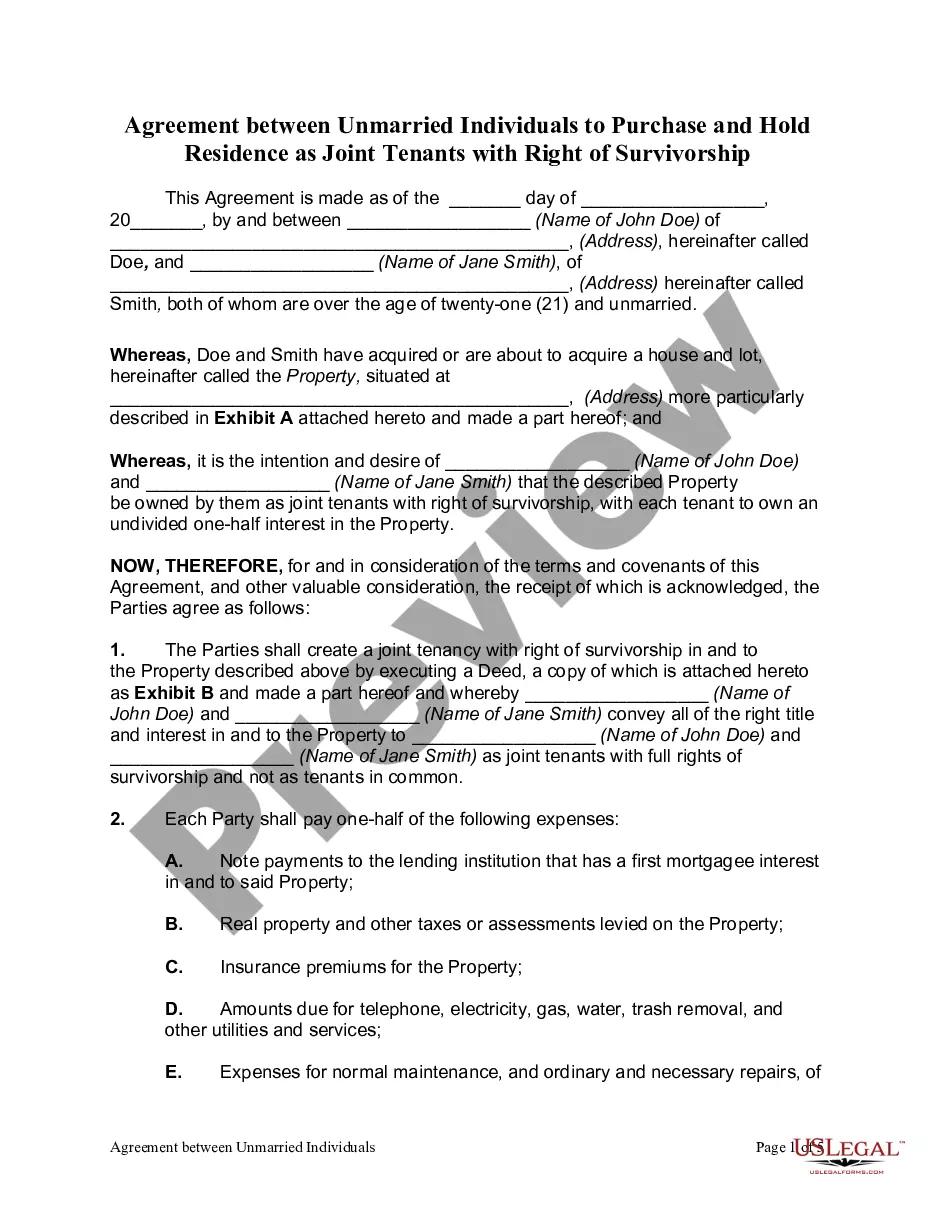
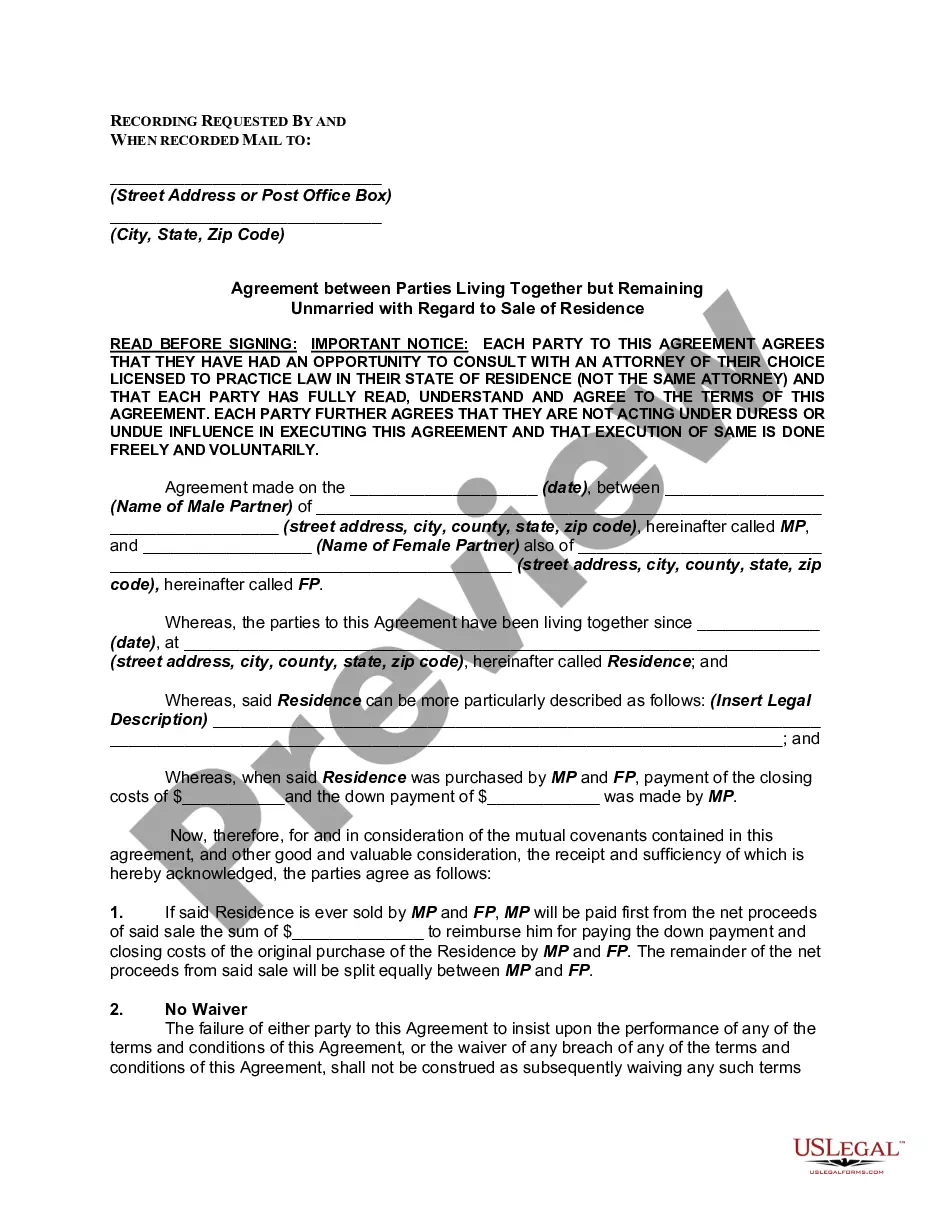
Get your form ready online
Our built-in tools help you complete, sign, share, and store your documents in one place.
Make edits, fill in missing information, and update formatting in US Legal Forms—just like you would in MS Word.
Download a copy, print it, send it by email, or mail it via USPS—whatever works best for your next step.
Sign and collect signatures with our SignNow integration. Send to multiple recipients, set reminders, and more. Go Premium to unlock E-Sign.
If this form requires notarization, complete it online through a secure video call—no need to meet a notary in person or wait for an appointment.
We protect your documents and personal data by following strict security and privacy standards.

Make edits, fill in missing information, and update formatting in US Legal Forms—just like you would in MS Word.

Download a copy, print it, send it by email, or mail it via USPS—whatever works best for your next step.

Sign and collect signatures with our SignNow integration. Send to multiple recipients, set reminders, and more. Go Premium to unlock E-Sign.

If this form requires notarization, complete it online through a secure video call—no need to meet a notary in person or wait for an appointment.

We protect your documents and personal data by following strict security and privacy standards.
Looking for another form?










Form popularity
FAQ
Cohabitation agreements can help unmarried partners or cohabiting couples set the rules for their living arrangements. Moreover, cohabitation agreements aren't exclusive to couples with sexual relations. They can also serve as enforceable contracts between roommates.
Ing to Casper and Bianchi (2002), proposed four cohabitation types, essentially introducing one more distinction within the prelude to marriage type: firstly, alternative to marriage, secondly, precursor to marriage, thirdly, trial marriage, and finally, co-residential dating (Casper and Bianchi, 2002).
Perhaps the most common way for unmarried couples to take title to real property is as "tenants in common." Unlike a joint tenancy, a tenant in common has no automatic right to inherit the property when the other partner dies.
Living together with someone is sometimes also called cohabitation. Generally speaking, you will have fewer rights if you're living together than if you're married.
What is cohabiting? Cohabiting is when a couple lives together before marriage (or civil partnership) or instead of marrying or entering into a civil partnership. If you're living with your partner, and you're not married or in a civil partnership, you're a cohabiting couple.
Yes, it is possible for a boyfriend and girlfriend to create a contract. This contract could cover various aspects of their relationship, such as financial agreements, living arrangements, division of responsibilities, and expectations from each other.
Yes, it is possible for a boyfriend and girlfriend to create a contract. This contract could cover various aspects of their relationship, such as financial agreements, living arrangements, division of responsibilities, and expectations from each other.
The general rule is you can enter into a contract, there does not need to be a law specifically allowing it. Any two adults who are legally competent can enter into a contract.
Most critically, relationship contracts (where used to define respective roles of each party and not deal with purely financial or property matters) are not legally enforceable, whereas prenuptial agreements, provided they meet required criteria usually established by state law, are legally binding contracts which can ...
