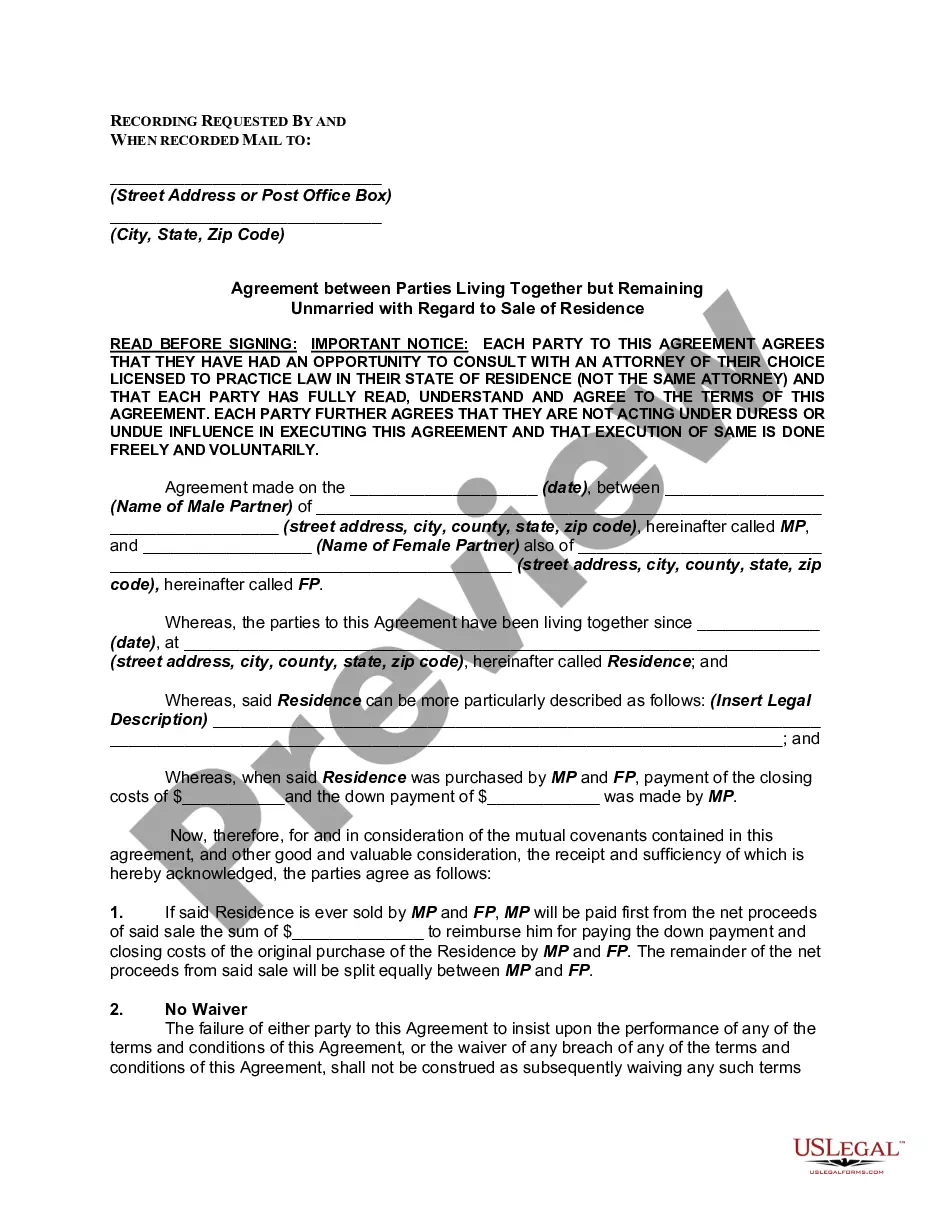
Contracts For Unmarried Couples In California
Description

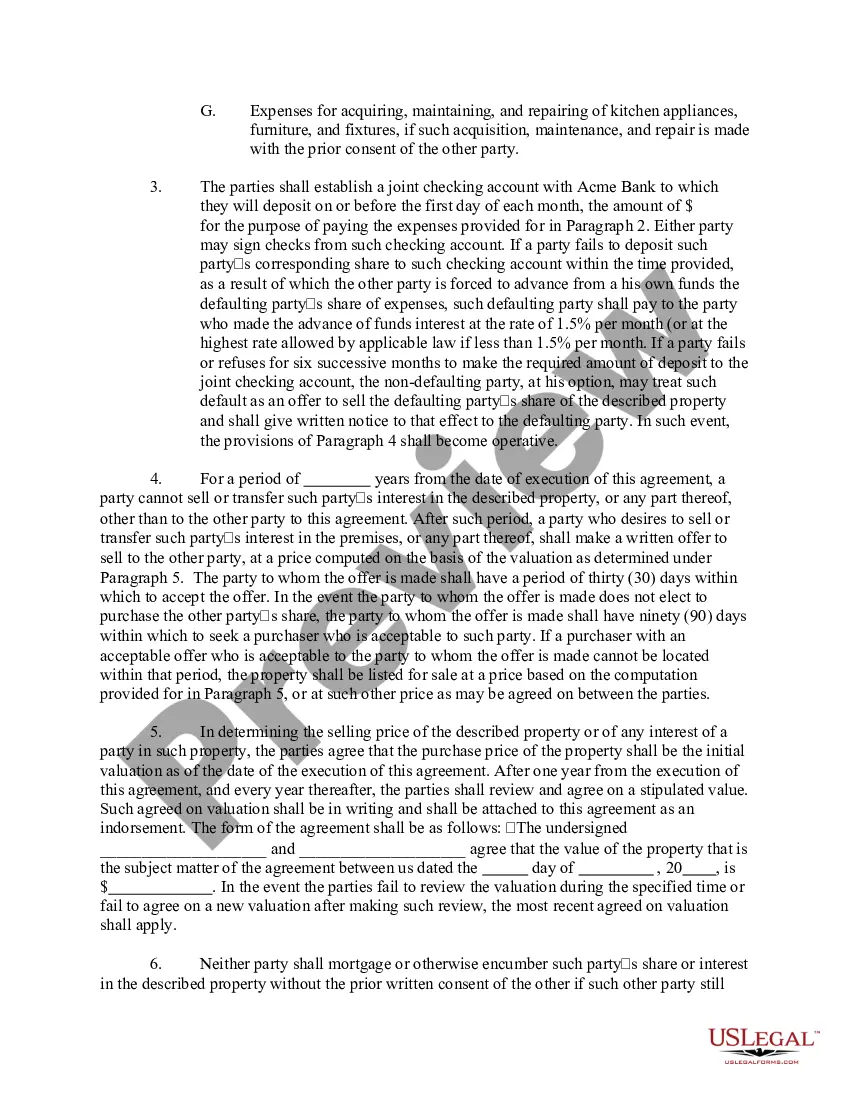
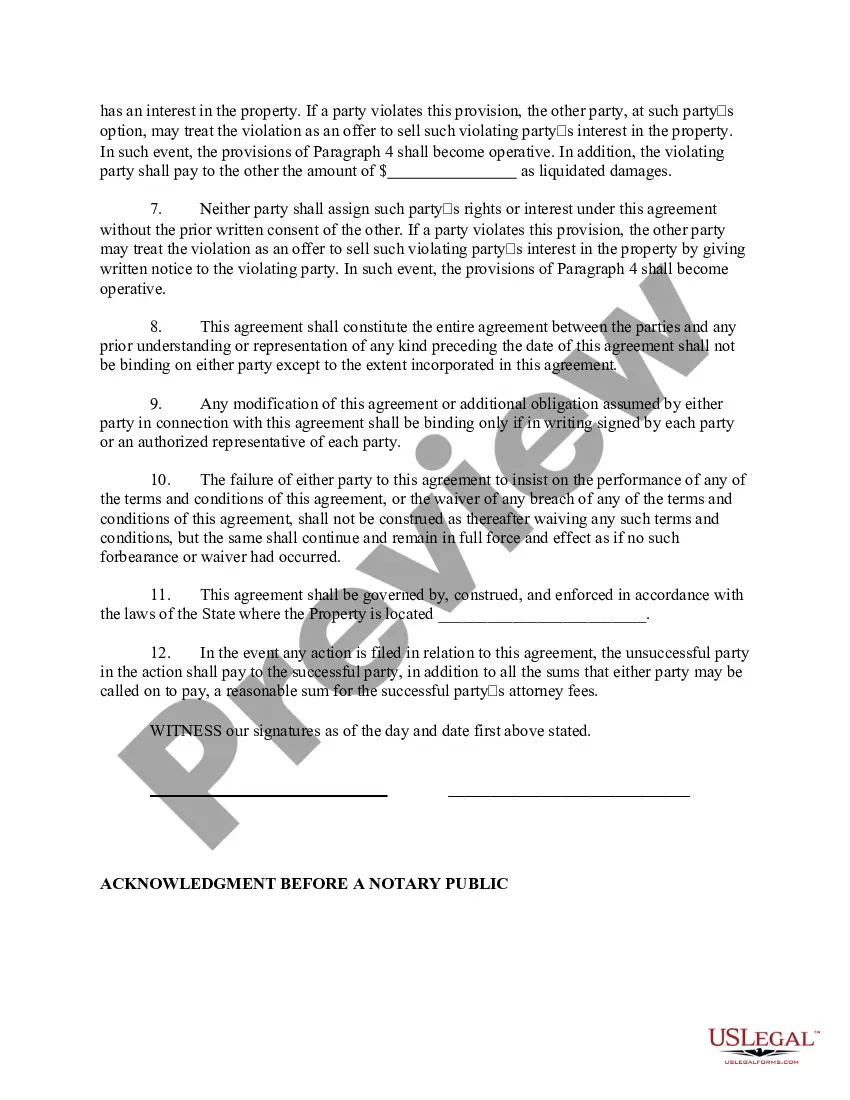
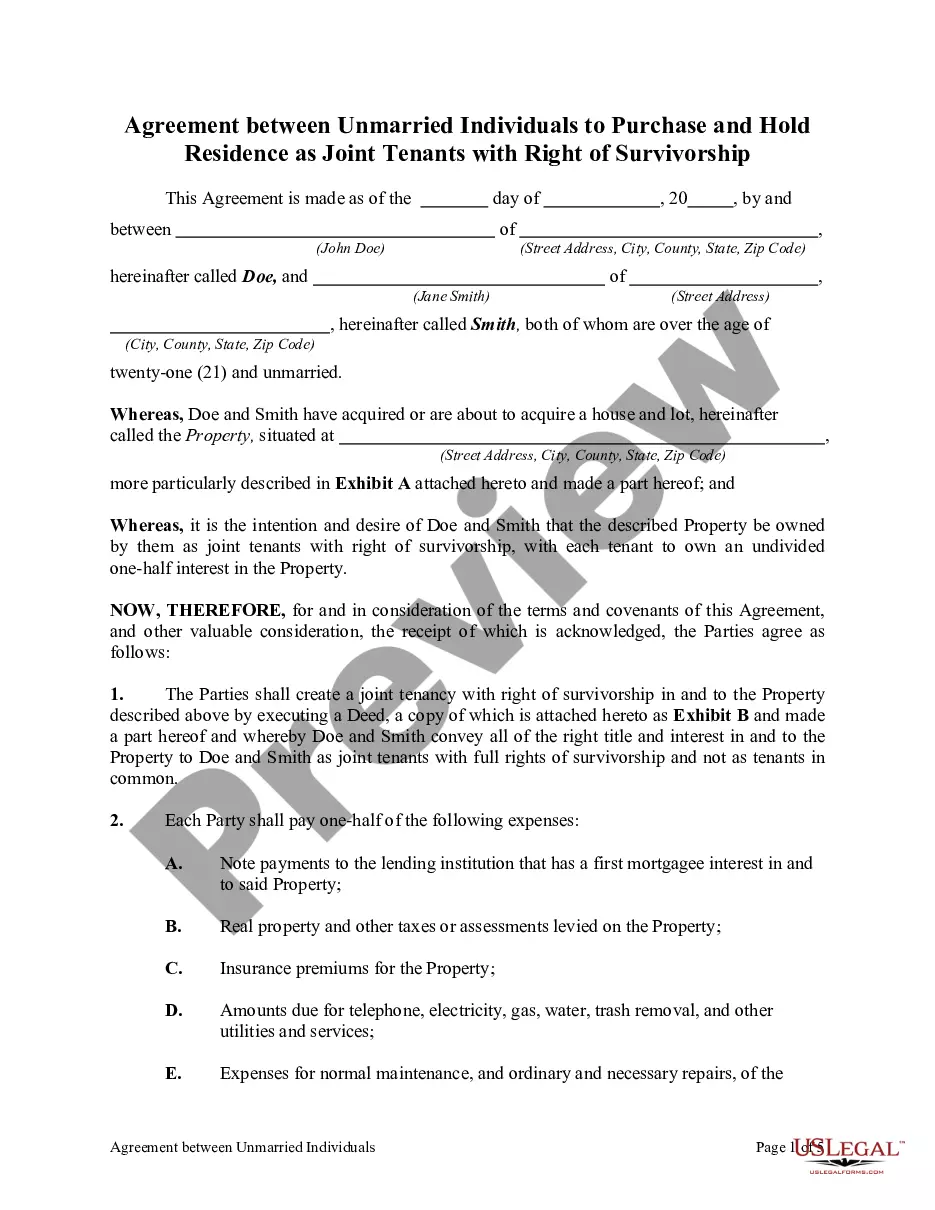
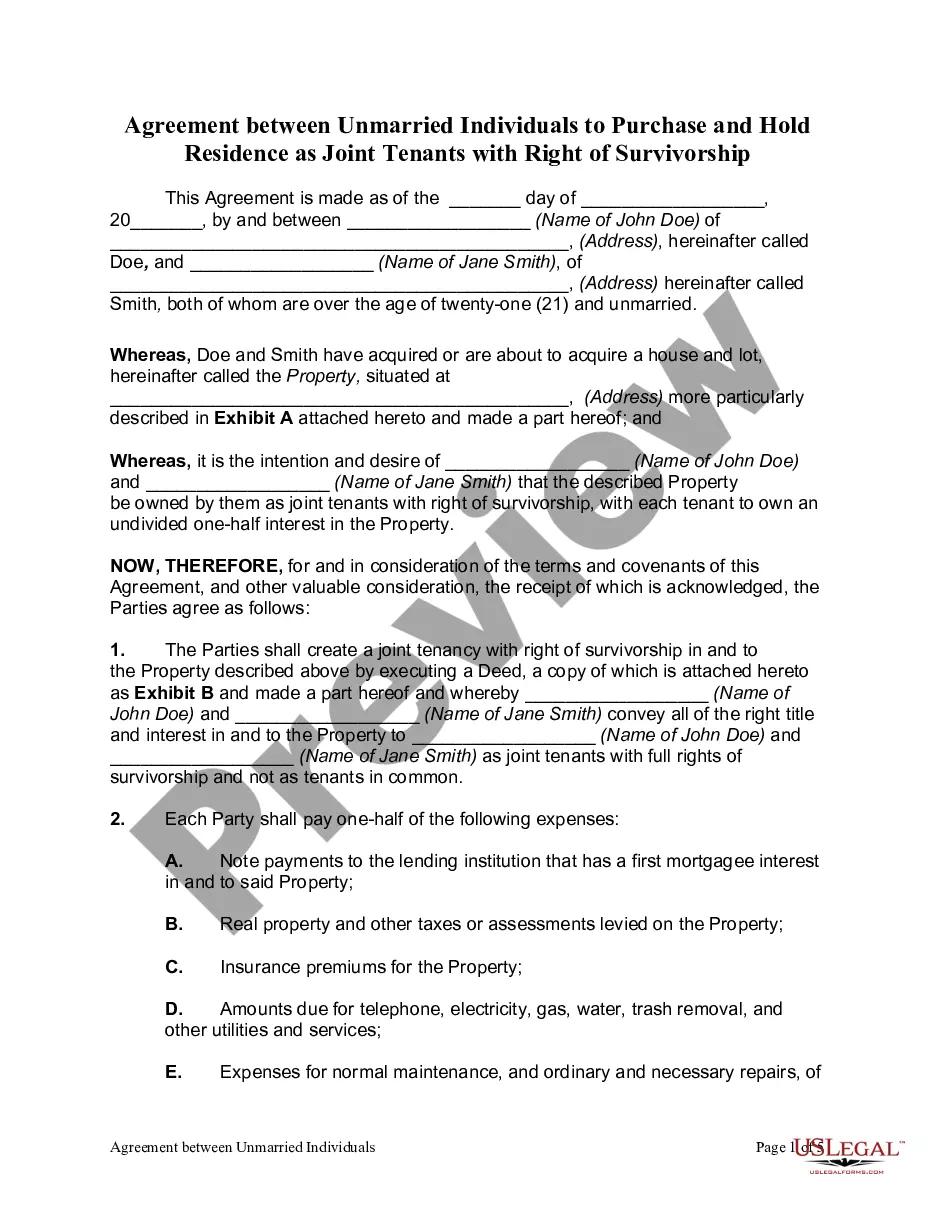
Get your form ready online
Our built-in tools help you complete, sign, share, and store your documents in one place.
Make edits, fill in missing information, and update formatting in US Legal Forms—just like you would in MS Word.
Download a copy, print it, send it by email, or mail it via USPS—whatever works best for your next step.
Sign and collect signatures with our SignNow integration. Send to multiple recipients, set reminders, and more. Go Premium to unlock E-Sign.
If this form requires notarization, complete it online through a secure video call—no need to meet a notary in person or wait for an appointment.
We protect your documents and personal data by following strict security and privacy standards.

Make edits, fill in missing information, and update formatting in US Legal Forms—just like you would in MS Word.

Download a copy, print it, send it by email, or mail it via USPS—whatever works best for your next step.

Sign and collect signatures with our SignNow integration. Send to multiple recipients, set reminders, and more. Go Premium to unlock E-Sign.

If this form requires notarization, complete it online through a secure video call—no need to meet a notary in person or wait for an appointment.

We protect your documents and personal data by following strict security and privacy standards.
Looking for another form?









Form popularity
FAQ
There is no common law marriage in the State of California. This means that if two people live together, there is no statute that confers the rights of married couples upon them. There are situations also where a couple believes that they are married, but they are in fact, not.
There is no common law marriage in the State of California. This means that if two people live together, there is no statute that confers the rights of married couples upon them. There are situations also where a couple believes that they are married, but they are in fact, not.
Generally, an unmarried individual has no right to property that is in his or her partner's name. In the event of a break up, the property goes to the individual who retains legal ownership. For debt, the individuals listed on the paperwork remain responsible for payment.
Unmarried couples are not entitled to the property, inheritance, and spousal support rights of married couples, but they do have the right to enter into an agreement that specifies how these issues are handled. That said, California does place some restrictions on agreements between unmarried couples.
Generally, an unmarried individual has no right to property that is in his or her partner's name. In the event of a break up, the property goes to the individual who retains legal ownership. For debt, the individuals listed on the paperwork remain responsible for payment.
Once a marriage hits the 10-year mark, California law allows the lesser-earning spouse to receive alimony potentially indefinitely, depending on the circumstances. This provision aims to ensure financial fairness and stability for the spouse who might have sacrificed career advancements during the marriage.
Absence of Common Law Marriage in California The concept of a couple being considered legally married after living together for a specific period doesn't apply here. Despite popular belief, even if you've been cohabiting for 7 years or more, it won't automatically grant you the status of a married couple.
There is no specific marriage duration to get alimony in California. The good news is there is no specific minimum duration before a spouse may receive alimony. A California family court bases its decision to order alimony on a variety of factors, including the marital standard of living.
