Separation Agreement For Unmarried Couples In Bronx
Description

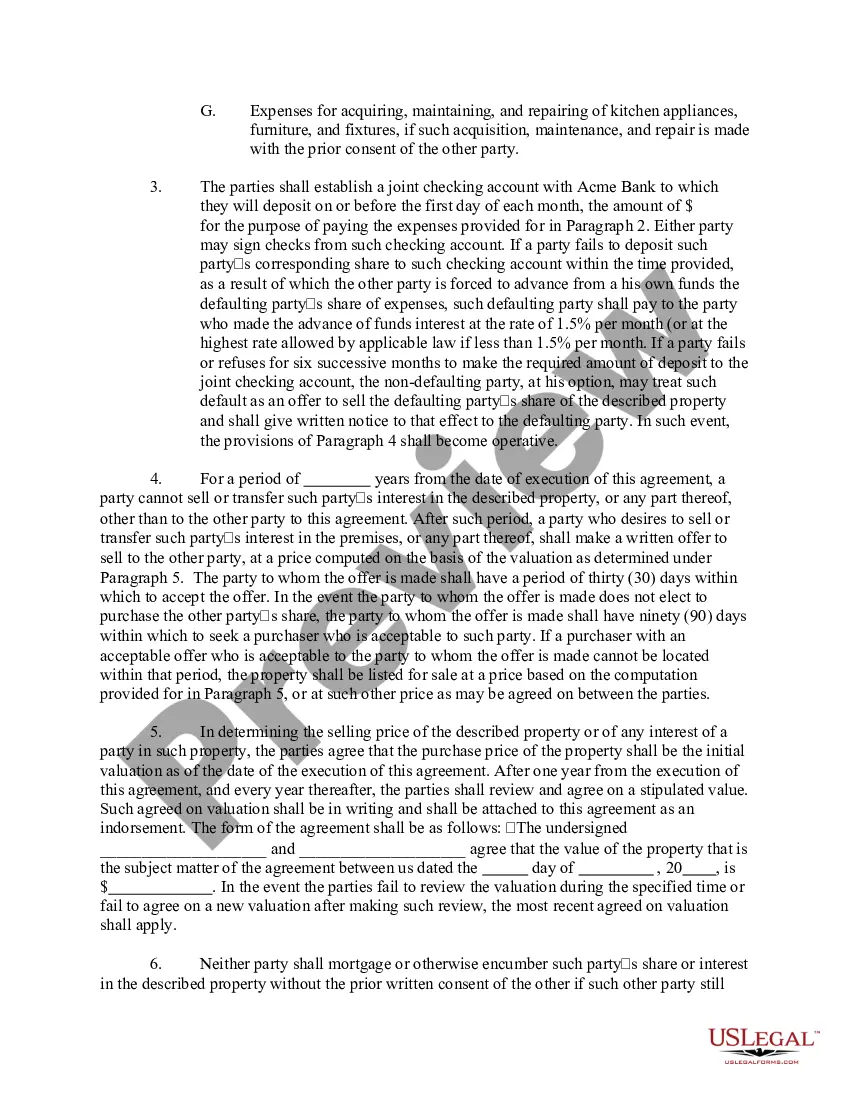
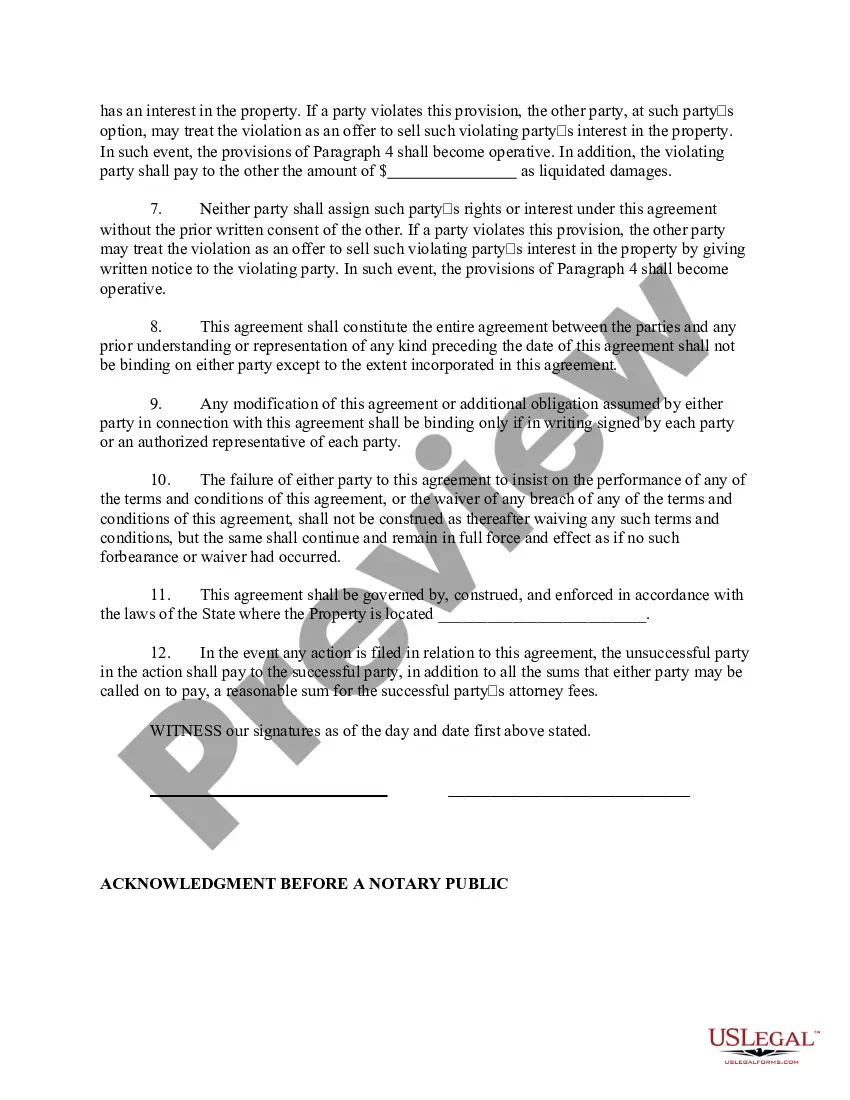
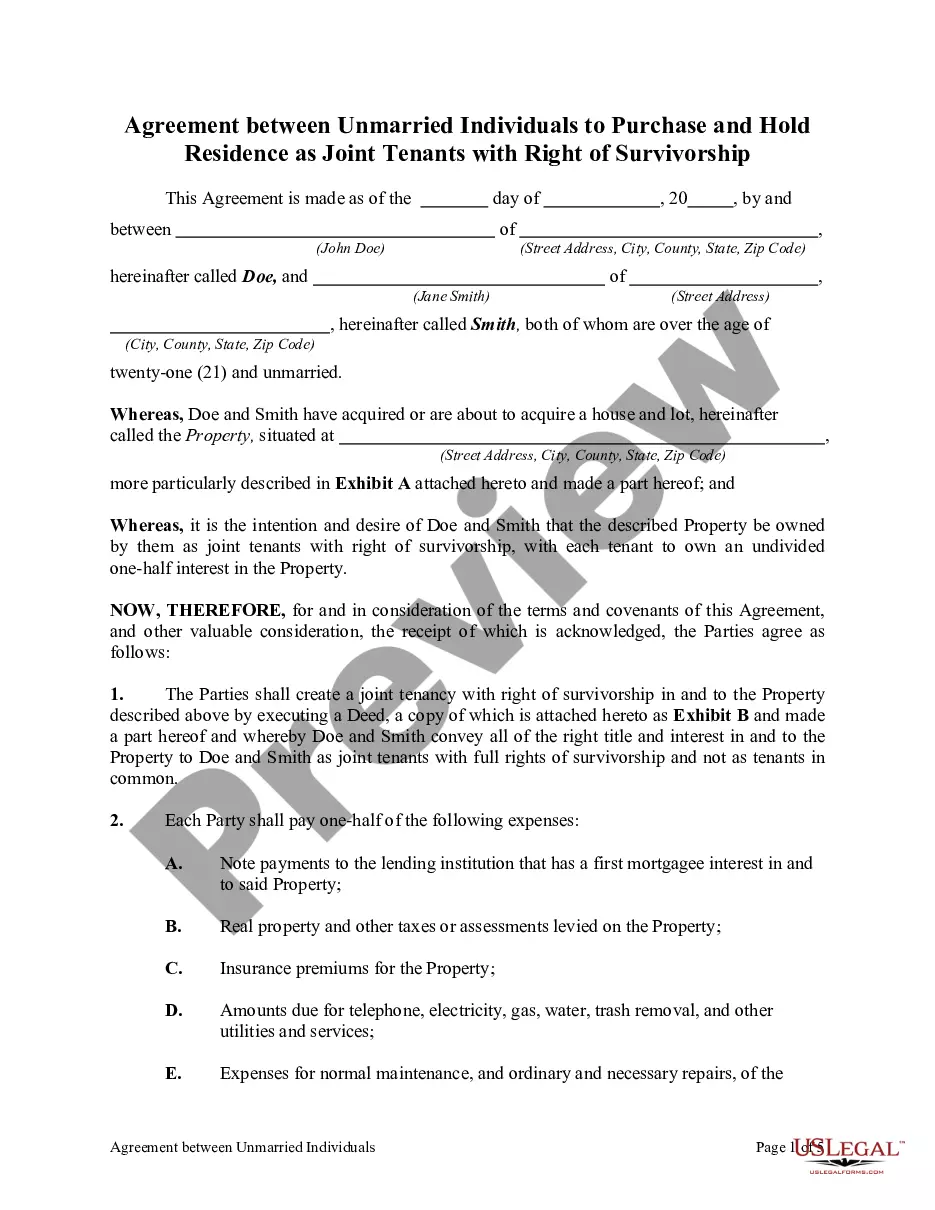
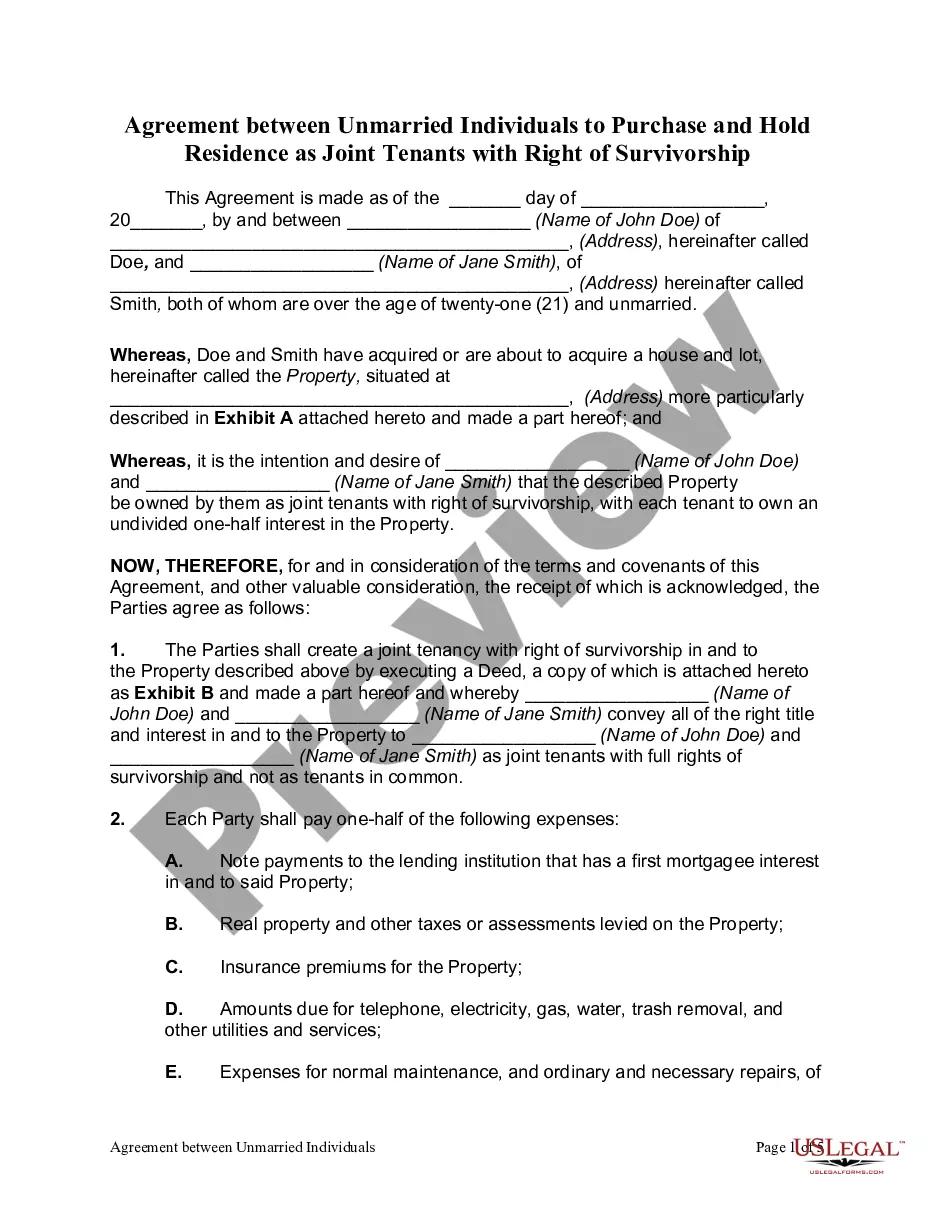
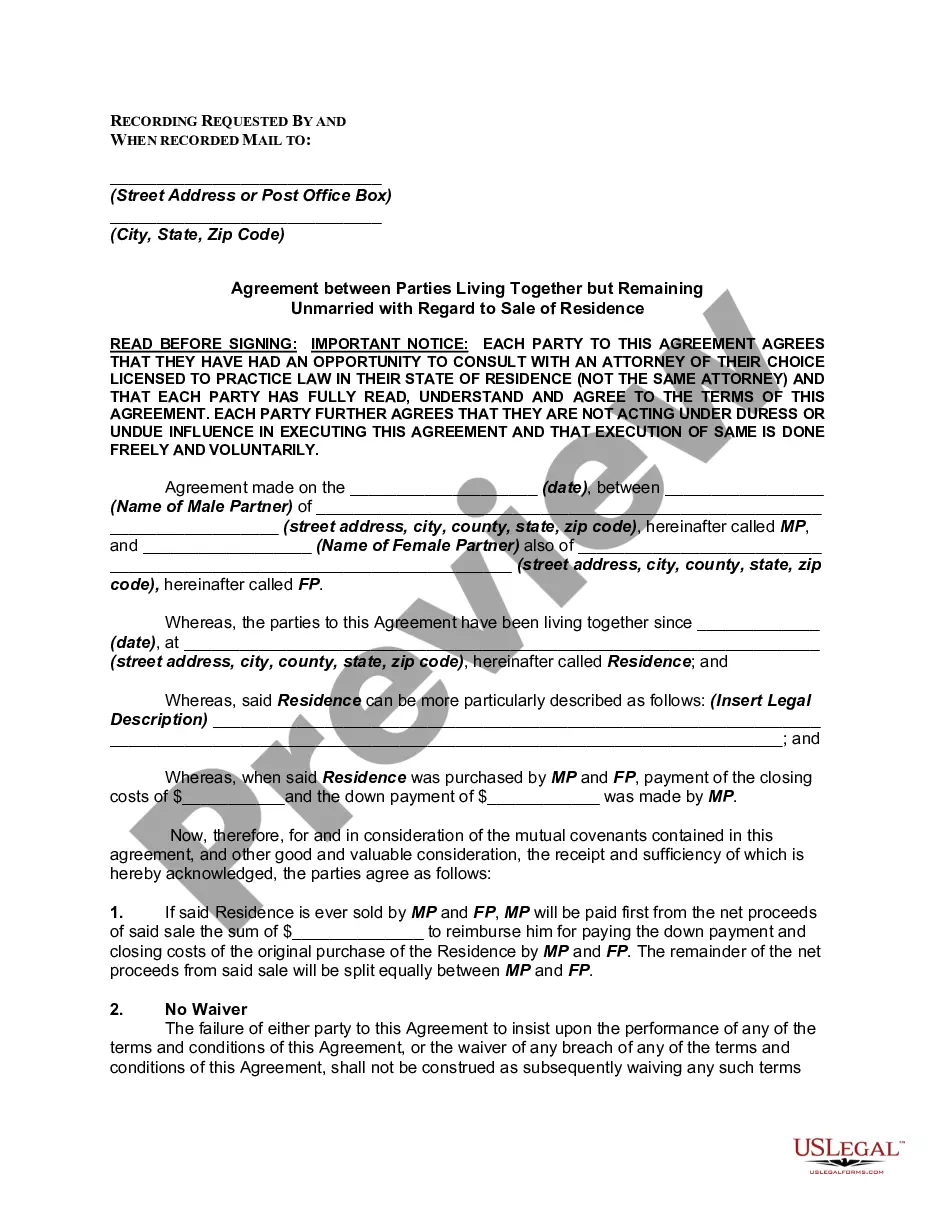
Get your form ready online
Our built-in tools help you complete, sign, share, and store your documents in one place.
Make edits, fill in missing information, and update formatting in US Legal Forms—just like you would in MS Word.
Download a copy, print it, send it by email, or mail it via USPS—whatever works best for your next step.
Sign and collect signatures with our SignNow integration. Send to multiple recipients, set reminders, and more. Go Premium to unlock E-Sign.
If this form requires notarization, complete it online through a secure video call—no need to meet a notary in person or wait for an appointment.
We protect your documents and personal data by following strict security and privacy standards.

Make edits, fill in missing information, and update formatting in US Legal Forms—just like you would in MS Word.

Download a copy, print it, send it by email, or mail it via USPS—whatever works best for your next step.

Sign and collect signatures with our SignNow integration. Send to multiple recipients, set reminders, and more. Go Premium to unlock E-Sign.

If this form requires notarization, complete it online through a secure video call—no need to meet a notary in person or wait for an appointment.

We protect your documents and personal data by following strict security and privacy standards.
Looking for another form?


Form popularity
FAQ
If you want to be legally separated in New York, you can use a procedure known as an "action for separation." This method involves starting a court case based on grounds (reasons) similar to what you'd allege if you were seeking a divorce.
Although you can complete a divorce without your spouse's consent, you must take steps to notify him or her of your intention to divorce. If you cannot locate your spouse, you can still file for divorce, but only after you have taken steps to attempt to locate and serve him or her with the divorce papers.
In New York, there are two ways to obtain a legal separation: Amicably resolve differences and memorialize them in a settlement agreement; or. Fle an Action for Separation with the court to get a Judgment of Separation in a contested proceeding.
A court will not draft—or give you—a separation agreement. You and your spouse, or your lawyers, are responsible for drafting the agreement. You and your spouse must both sign the agreement voluntarily—you or your spouse cannot be forced to sign the agreement and you must know and understand what it says.
§ The Separation Agreement becomes legal (binding) as soon as it is notarized. You may file it (if you wish) with the County Clerk's Office in the County where either of you live now (in Queens this is in Room 100, First Floor of this building).
The Cons of Legal Separation This includes spousal support (maintenance) and child support, if applicable. Limited Marital Freedom: While legally separated, spouses may still be subject to certain marital obligations and restrictions, limiting their ability to enter new relationships or remarry.
A separation agreement generally becomes invalid and void when you begin living together again with an intent to reconcile.
A separation agreement can be revoked by another written agreement, or by the parties living together again as a married couple. Living together does not automatically revoke the separation agreement. Rather, it is only evidence of an intention to revoke the agreement.
Fraud, coercion, or mistake could void the terms of a separation agreement.
