Settlement Agreement Example In Broward
Description


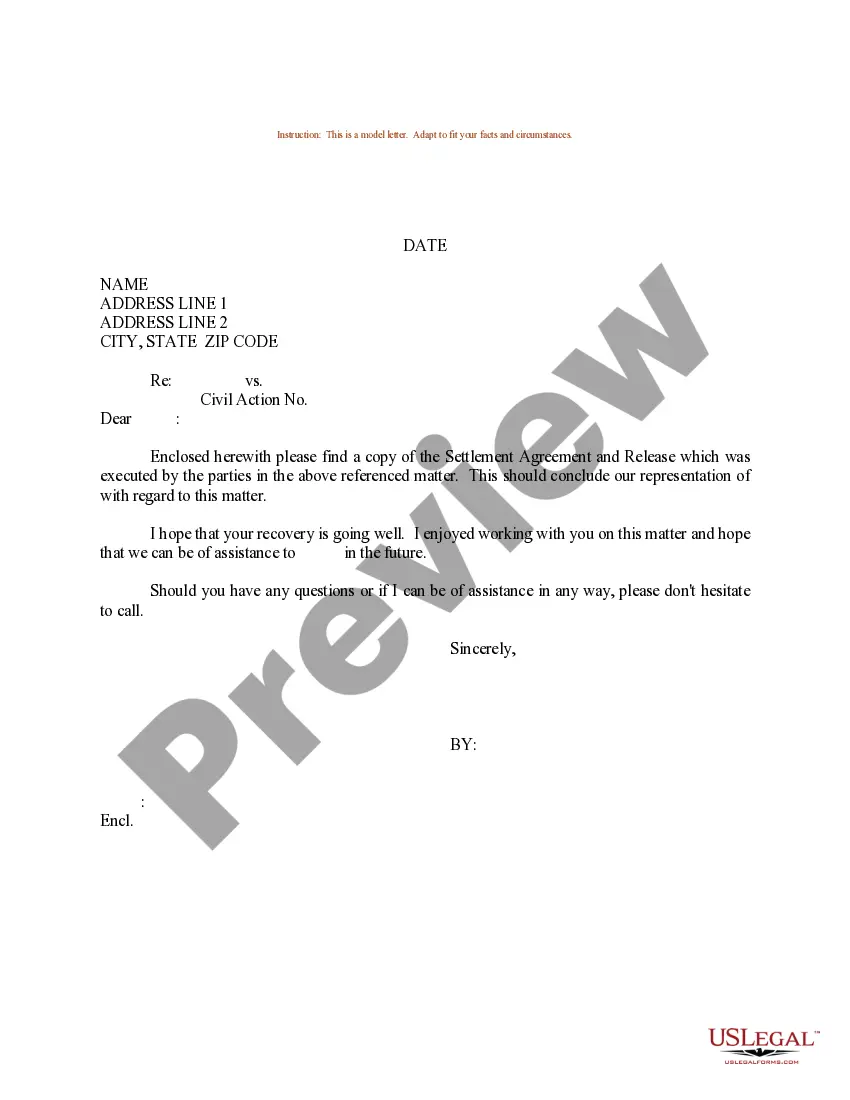
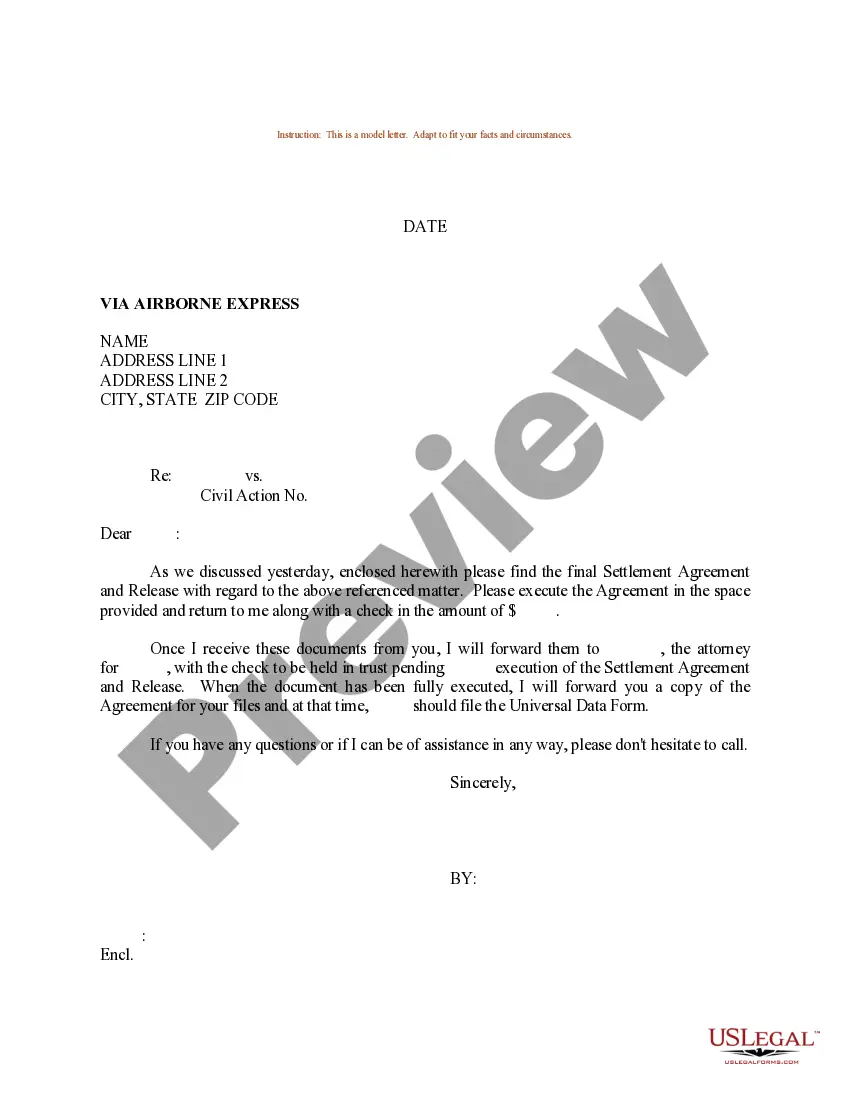
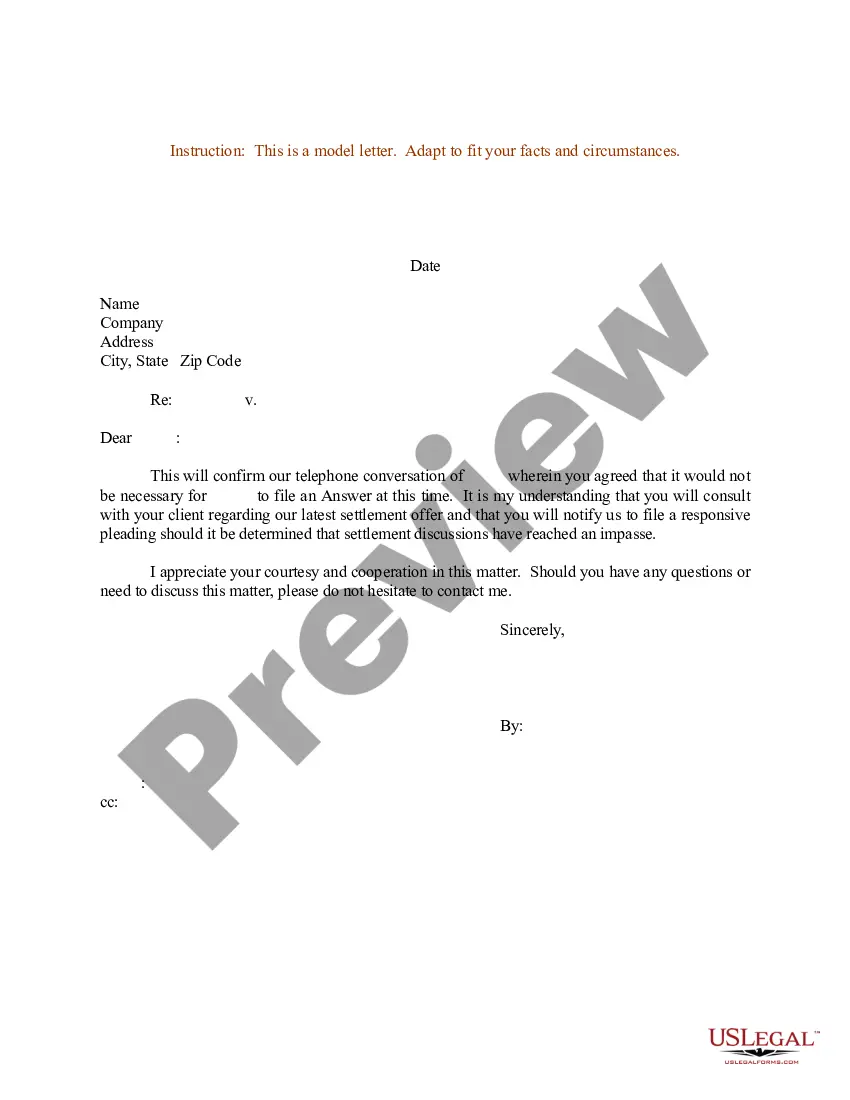
Get your form ready online
Our built-in tools help you complete, sign, share, and store your documents in one place.
Make edits, fill in missing information, and update formatting in US Legal Forms—just like you would in MS Word.
Download a copy, print it, send it by email, or mail it via USPS—whatever works best for your next step.
Sign and collect signatures with our SignNow integration. Send to multiple recipients, set reminders, and more. Go Premium to unlock E-Sign.
If this form requires notarization, complete it online through a secure video call—no need to meet a notary in person or wait for an appointment.
We protect your documents and personal data by following strict security and privacy standards.

Make edits, fill in missing information, and update formatting in US Legal Forms—just like you would in MS Word.

Download a copy, print it, send it by email, or mail it via USPS—whatever works best for your next step.

Sign and collect signatures with our SignNow integration. Send to multiple recipients, set reminders, and more. Go Premium to unlock E-Sign.

If this form requires notarization, complete it online through a secure video call—no need to meet a notary in person or wait for an appointment.

We protect your documents and personal data by following strict security and privacy standards.
Looking for another form?








Form popularity
FAQ
However, you might want to consider a settlement agreement if: You believe you owe some or all of the debt; The debt is fairly recent; and, You can afford to make payments.
What Should Be Included in a Settlement Agreement? Identifying information for all involved parties. A description of the issue you're seeking to settle. An offer of resolutions that both parties agree to. Proof of valid consideration from both parties without coercion or duress. Legal purpose.
They can either ask for a settlement agreement themselves or with support from a qualified advisor or solicitor. Regardless of whether the employer or employee is the one initiating settlement agreement discussions, we always recommend reaching out to an experienced solicitor or qualified advisor.
The Nuts and Bolts of a Demand Letter Gather complete information before you start writing. Describe your injuries and medical treatment. List your medical expenses, lost wages, and non-economic damages. Make a settlement demand. Include a deadline for legal action if you want to, but don't bluff.
In Florida, a proposal for settlement must be in writing and must state that it is being made pursuant to Florida Statute 768.79. It must be served to the other party by certified mail or hand delivery and must give the other party 30 days to accept or reject the offer.
While it is not mandatory to have an attorney present during the settlement and release agreement process, having legal representation can provide valuable assistance. An experienced personal injury attorney can review the terms of the agreement and ensure that your rights are protected.
Both parties must sign the agreement and have their signatures witnessed by a notary public or deputy clerk. After completing this form, you should file this document with the clerk of the circuit court in the county where the petition was filed and keep a copy for your records.
What Should Be Included in a Settlement Agreement? Identifying information for all involved parties. A description of the issue you're seeking to settle. An offer of resolutions that both parties agree to. Proof of valid consideration from both parties without coercion or duress. Legal purpose.